

 プレビュー
プレビュー
 シェアする
シェアする シェアする
シェアする
 詳細を見る
詳細を見る

 ダウンロード
 似ている作品
 X線調査
X線調査 スライドショー
 統計情報
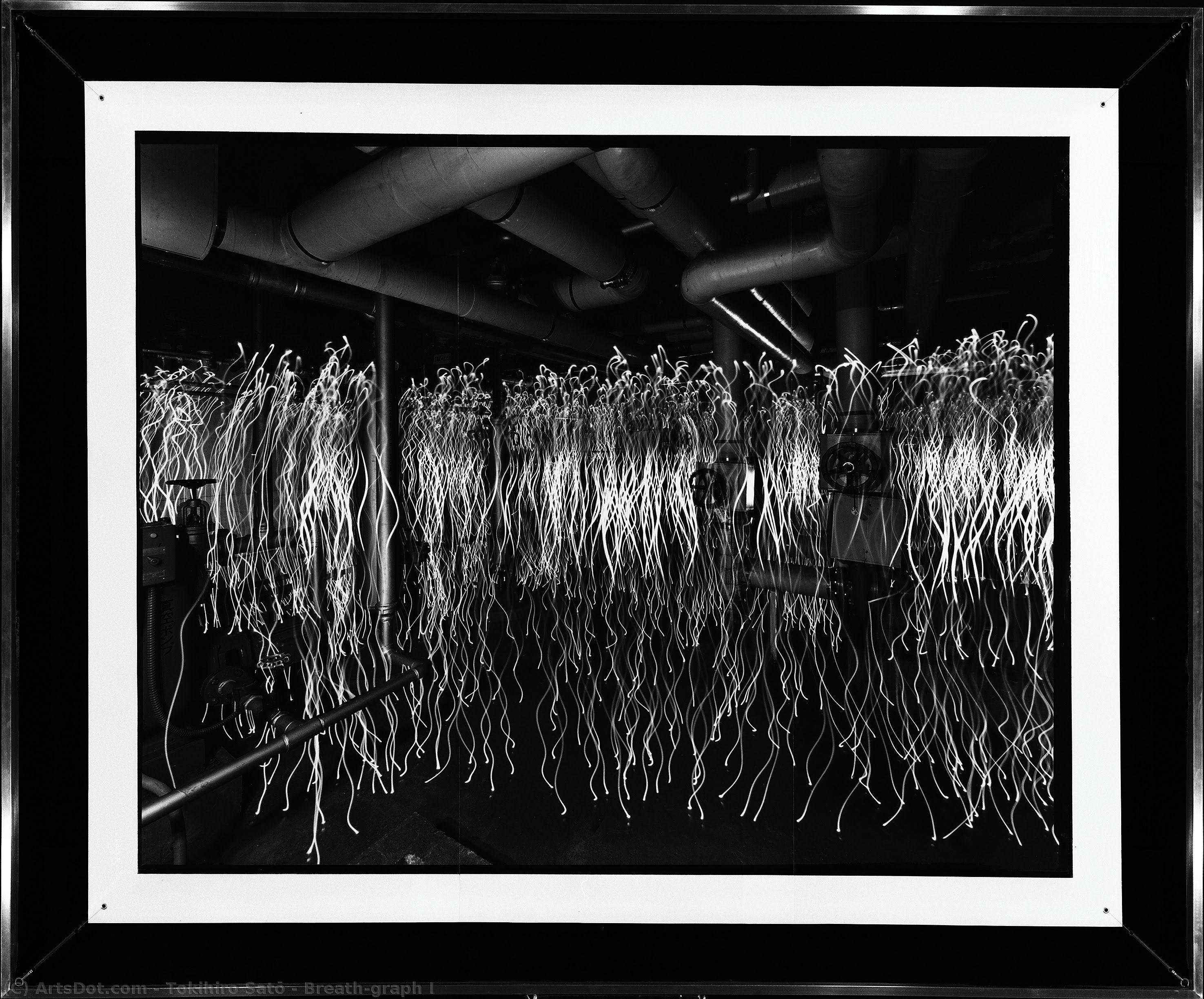
統計情報Breath-graph I
 Contemporary Realism
 218.0 x 182.0 cm
 詳細を見る
詳細を見る
ジークレー/アートプリント
迅速な制作と多彩な仕上げオプションを備えた、ミュージアムクオリティのジークレーまたはキャンバスプリント。 ( 手描きの絵画を購入 デジタル画像販売へ切り替え)




































作品のオリジナル比率に合わせた、当店の規定サイズからお選びください。

特定のフレームやスペースに合わせて、ご自身でサイズを指定することも可能です。選択されたサイズが元の画像の比率と一致しない場合、作品をトリミングするか、鏡面反射または単色での塗りつぶしによって画像を拡張いたします。制作を開始する前に、ご確認用のデジタルモックアップをお送りいたします。
画面上のプレビューには、実際のトリミングや拡張は反映されませんのでご注意ください。最終的な構図を正確に確認できるのは、モックアップのみとなります。
カスタムサイズも承っておりますが、元の比率を維持するためには、あらかじめ用意されたリストからサイズを選択することをお勧めいたします。


 ガラスオプションは、110cm未満のサイズでのみご利用いただけます。

Breath-graph I
ジークレー/アートプリント
複製画のサイズ
-


合計金額
$ 62
関連作品

アーティストの略歴
Tokihiro Satō: Sculpting Light, Capturing Absence
Born in Sakata, Yamagata Prefecture, Japan, in 1957, Tokihiro Satō’s artistic journey began not with a camera, but with the tactile world of sculpture. Initially trained as a sculptor, he found himself drawn to the ephemeral qualities of light and its potential for creating evocative forms. This pivotal shift led him to photography, a medium perfectly suited to his desire to communicate abstract ideas through visual representation – an exploration that continues to define his distinctive artistic vision today.
Satō’s early work demonstrated a fascination with capturing the unseen, particularly the traces of movement and presence within a space. He quickly moved beyond traditional photographic techniques, embracing long exposures—often lasting up to three hours—and utilizing mirrors to direct and manipulate light sources. This process involved meticulously moving through his subjects, creating intricate patterns of illumination that seemed to breathe on the photograph’s surface. The resulting images are not simply depictions of a scene but rather investigations into the very nature of perception, inviting viewers to contemplate the relationship between observer and observed.
The Language of Light: Technique and Philosophy
At the heart of Satō's practice lies a profound understanding of light as both a physical phenomenon and a symbolic force. His technique is deceptively simple—a flashlight or mirror reflecting sunlight—yet it yields extraordinarily complex results. The extended exposure times are crucial, allowing him to trace pathways of light that would otherwise be invisible to the naked eye. These illuminated lines become the very essence of his subjects, revealing their form while simultaneously obscuring the artist’s physical presence.
This deliberate concealment is a key element of Satō's philosophy. As he himself has stated, “What I would like the viewer to see is their idea of the ‘missing part’ in my images. I want them to imagine that something which they cannot actually see in the picture does exist—by means of showing my own absence.” His photographs are not about capturing a literal likeness but rather about suggesting an underlying reality, a sense of movement and being that transcends the boundaries of the image itself. The “Photo Respiration” series exemplifies this perfectly, presenting landscapes imbued with a subtle, almost spectral presence – as if the very air is shimmering with unseen energy.
A Journey Through Space: Exhibitions and Recognition
Satō’s work has garnered significant international recognition, showcased in prestigious institutions worldwide. Solo exhibitions have graced galleries such as the Solomon R. Guggenheim Museum in New York, the Los Angeles County Museum of Art, the Cleveland Museum of Art, and the Tokyo Metropolitan Museum of Photography. His photographs are held in numerous public and private collections, a testament to their enduring appeal and artistic merit.
Notable exhibitions include a retrospective at the Hara Museum of Contemporary Art in Tokyo (1999), followed by shows at the Cleveland Museum of Art (2003), The Art Institute of Chicago (2005), and the Frist Center for the Visual Arts in Nashville (2010). These presentations have allowed audiences to experience the depth and complexity of his work firsthand, solidifying Satō’s position as a leading figure in contemporary photography.
Influence and Legacy
Satō's influence extends beyond the realm of photography. His innovative approach to light and space has resonated with artists working across various disciplines, including performance art and installation. His work is often cited for its poetic sensibility, its exploration of themes such as presence and absence, and its masterful manipulation of light – a technique that invites viewers to engage in a deeper contemplation of the world around them.
Furthermore, Satō’s background in sculpture informs his photographic practice, providing him with a unique perspective on form and space. He continues to teach at the Tokyo University of the Arts, passing on his knowledge and inspiring future generations of artists to explore the transformative power of light.

tokihiro satō
1957 - , Japan
基本情報
- Artistic Movement Or Style: Light & Space, Performance Art
- Artists Or Movements Influenced By This Artist: ['Abstract Expressionism']
- Artists Who Influenced This Artist: ['Sculptors']
- Date Of Birth: September 14, 1957
- Full Name: Tokihiro Satō
- Nationality: Japanese
- Notable Artworks:
- Breath-graph I
- Photo Respiration
- Place Of Birth: Sakata, Yamagata, Japan
関連記事

Pictorialism: A Search for Artistic Photography's Soul – Aesthetics, Techniques & Legacy
Explore the captivating world of Pictorialism – a pivotal movement that transformed photography into fine art. Discover key artists like Stieglitz & Käsebier, techniques, and collecting tips from experts.

Monochrome Visions: Exploring the Aesthetic & Historical Significance of Black & White Photography
Explore the rich history & artistic power of black and white photography. From early techniques to iconic masters like Ansel Adams, discover why monochrome continues to captivate art lovers today. Expert insights for collectors.

Beyond the Lens: Photography's Enduring Influence on Modern & Contemporary Art
Explore photography's pivotal role in shaping modern & contemporary art. Discover key movements, influential artists like Stieglitz, and expert collecting advice from ArtsDot.

Dark Masterpieces: 10 Iconic Paintings Dominated by Black Tones |
Explore 10 iconic paintings dominated by black tones, from Rembrandt’s chiaroscuro to Goya's dark expressions. Discover the stories behind these masterpieces & find museum-quality art reproductions for your home at .

Witnessing History Through Lens & Light: Documentary Photography's Enduring Legacy
Explore the powerful history of documentary photography – from its origins to contemporary masters like Gordon Parks & W. Eugene Smith. Discover how this art form shapes our understanding of society and witness pivotal moments in time.