

 プレビュー
プレビュー
 プリントを購入
 シェアする
シェアする シェアする
シェアする
 詳細を見る
詳細を見る

 ダウンロード
 似ている作品
 X線調査
X線調査 スライドショー
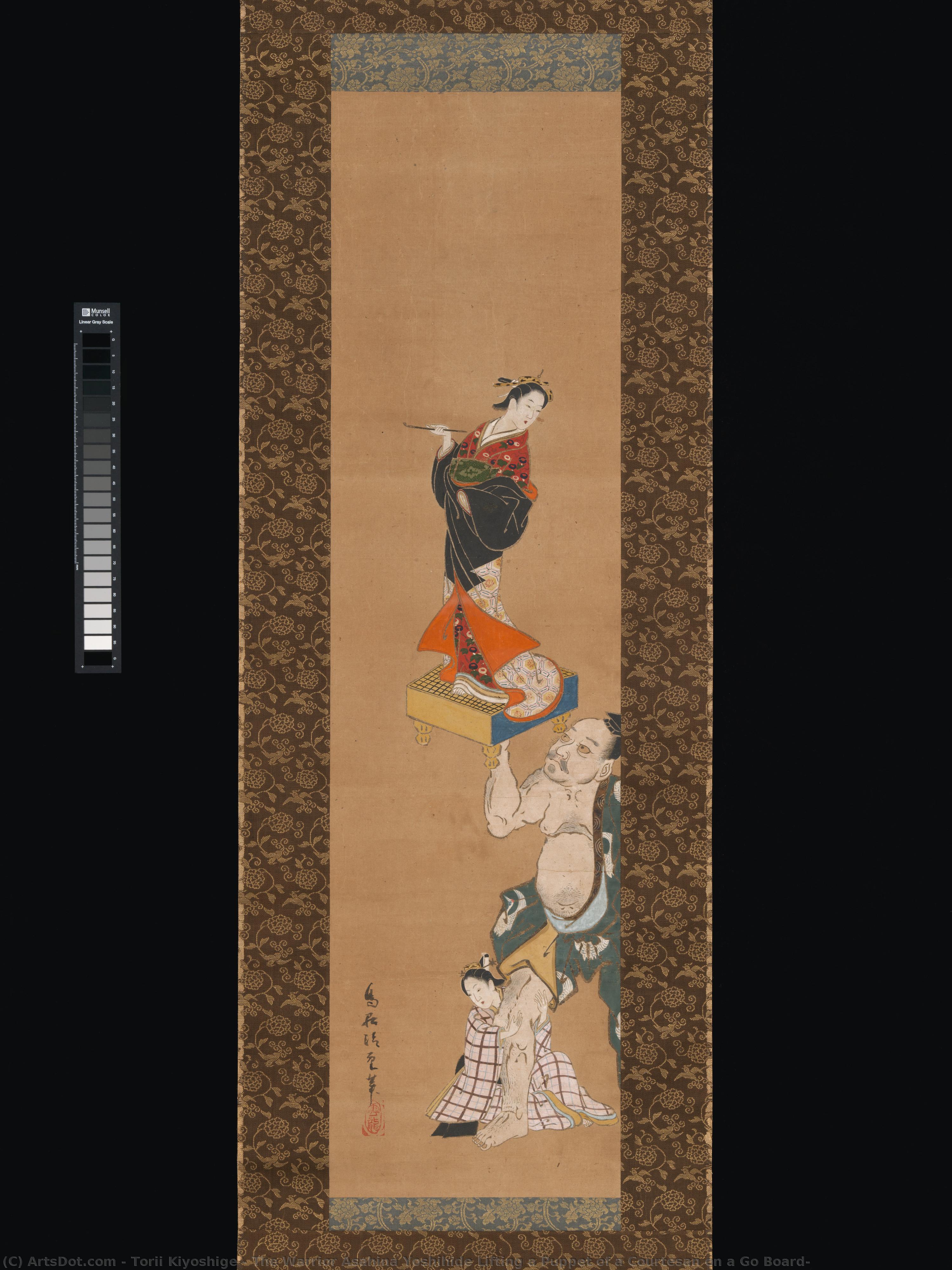
The Warrior Asahina Yoshihide Lifting a Puppet of a Courtesan on a Go Board
 701
701 76.0cm x 20.0cm
 詳細を見る
詳細を見る
オンラインプレビューをはるかに凌ぐ、高解像度で鮮明なデジタル画像をご購入いただけます。
各ファイルは、社内の専門家が高度なツールと熟練した手作業によるレタッチを用いて、細心の注意を払って準備されています。すべての画像において、卓越した鮮明度、正確な色彩再現性、そして繊細なディテールを保証いたします。
最終ファイルは、プロフェッショナルな編集・印刷環境ですぐにご利用いただけるよう最適化された状態で、72時間以内にメールにてお届けいたします。これは、一流のデザインスタジオ、出版社、ギャラリーから信頼されているものと同等の品質です。
デジタル画像のご注文に付随する特典
高品質なデジタル画像配信を、確かな品質で。
ArtsDot.com を選ぶことは、単に画像を手に入れることではありません。それは、プロの手によって精密に仕上げられ、満足保証が付いた高品質なデジタルアートワークを受け取ることを意味します。ご注文いただいた際に自動的に付随する内容は、以下の通りです:

メールですぐにお届け
ご注文から72時間以内に、高解像度のデジタル画像ファイルがメールでお手元に届きます。すぐにそのままご利用いただけます。

AI技術で最適化されたデジタルファイル
お客様の作品は、高度なAIツールと専門家による手作業の編集を組み合わせてプロフェッショナルに最適化されており、細部のディテール、鮮明さ、そして正確な色再現性を最大限に引き出しています。

一生涯無料の再送サービス
ファイルを誤って削除したり、紛失してしまったりしましたか?ご安心ください。いつでも無料で再送いたします。

輸入手数料は一切かかりません
関税や手数料、配送料を気にすることなく、お気に入りのアートワークをすぐにお楽しみいただけます。デジタルダウンロードは常に免税です。

色彩再現の保証
プロ仕様のツールとカラーマネジメント技術を用いることで、デジタル画像が元の色を最大限に忠実に再現することを保証いたします。

60日間満足保証
ご購入いただいたデジタル画像にご満足いただけない場合は、60日以内であれば、修正または100%の返金(理由を問う必要はありません)をさせていただきます。

100% 返金保証
ご満足いただけない場合は、デジタルファイルを受け取ってから60日以内であれば、理由を問わず全額返金いたします。

まとめ買い割引
3枚購入で10%OFF - 5枚購入で15%OFF - 10枚以上購入で20%OFF。クリエイティブなプロジェクト、ギャラリー、エージェンシーに最適です。
関連作品










作家の略歴
The Vibrant Pulse of the Floating World: The Legacy of Torii Kiyoshige
In the bustling, neon-lit spirit of Edo-period Japan, where the boundaries between reality and theater often blurred, Torii Kiyoshige emerged as a master of the ephemeral. Born in Tokyo around 1716, Kiyoshige was not merely an observer of his era but a vital architect of its visual identity. As a prominent member of the Torii School, he belonged to a lineage of artists tasked with capturing the electric energy of the Kabuki stage and the transient delights of the "floating world." While biographical records from this period are often as fleeting as the subjects he painted, his artistic footprint is indelible, marked by a profound ability to translate the muscular tension of a dramatic performance into the delicate medium of woodblock printing.
The Torii School itself held a unique position in the cultural landscape of Edo. Originally serving as the primary creators of Kabuki theater signboards and promotional materials, the school’s style was inherently tied to the spectacle of the stage. Kiyoshige inherited this tradition of theatricality, yet he elevated it beyond mere advertisement. His work moved past the functional requirements of promotion to explore the psychological depth of his subjects. Unlike some of his contemporaries who favored serene or static compositions, Kiyoshige infused his prints with a sense of dynamic movement and structural complexity that mirrored the climactic moments of a Kabuki play.
A Symphony of Color and Dramatic Tension
What truly distinguishes Kiyoshige from other Ukiyo-e masters is his unparalleled command over a dramatic color palette. He did not use color simply to decorate; he used it to narrate. His prints are celebrated for their bold, often startling contrasts between light and shadow, a technique that served to amplify the emotional stakes of his scenes. By manipulating hues, he could evoke the heavy atmosphere of a tragic confrontation or the bright, fleeting joy of a festival. This mastery of color allowed him to communicate the internal struggles of his characters—primarily famous actors—making the viewer feel the weight of their dramatic poses.
His technical prowess is perhaps most evident in his ability to capture mie, those iconic, frozen moments of intense emotion where an actor strikes a powerful pose. Through meticulous line work and strategic use of negative space, Kiyoshige could direct the eye through a composition, ensuring that the viewer’s gaze followed the arc of a story. His work often featured:
- Dynamic Compositions: Utilizing diagonal lines and overlapping figures to create a sense of depth and action.
- Theatrical Realism: A dedication to capturing the specific costumes, makeup, and physical intensity of Kabuki performers.
- Atmospheric Depth: Using color gradients to suggest the smoky air of a theater or the twilight of an Edo street.
Historical Significance and Artistic Endurance
The significance of Torii Kiyoshige lies in his role as a bridge between the functional art of the early Torii masters and the highly refined, independent art forms that followed. He took the foundational elements of theater promotion—the focus on action and recognizable icons—and transformed them into sophisticated works of fine art that could stand alone without the context of a playbill. His ability to blend the muscularity of historical legends with the elegance of contemporary fashion helped define the aesthetic standards of the mid-18th century.
Even today, as we look back upon the "floating world," Kiyoshige’s work remains a window into the soul of old Japan. He captured a culture that found profound meaning in the temporary, teaching us that beauty is most potent precisely because it cannot last. Through his bold strokes and vibrant pigments, the echoes of the Edo stage continue to resonate, inviting modern audiences to experience the timeless magic of a world caught in a moment of eternal motion.
Torii Kiyoshige
Japan
プロフィール概要
- Artistic Movement Or Style: Ukiyo-e School
- Artists Or Movements Influenced By This Artist: ['Western Art']
- Artists Who Influenced This Artist:
- Torii Kiyonaga
- Komatsuya Hyakki
- Full Name: Torii Kiyoshige
- Nationality: Japanese
- Notable Artworks:
- Ichikawa Yaozö I as Soga-no-gorö
- The Actor Sawamura Sojuro II
- The Actor Sawamura Sojuro I as Soga no Juro
- Minamoto no Yoritomo Hiding in a Tree
- Yoshiwara: Mount Fuji on the Left (Yoshiwara, hidari Fuji)
- Cuckoo flying over deutzia flowers
- The Actor Matsumoto Koshiro II as Fuwa Banzaemon in the play "Monzukushi Nagoya Soga," performed at the Ichimura Theater in the first month, 1748
- Place Of Birth: Tokyo, Japan

