

 プレビュー
プレビュー
 プリントを購入
 シェアする
シェアする シェアする
シェアする
 詳細を見る
詳細を見る

 ダウンロード
 似ている作品
 X線調査
X線調査 スライドショー
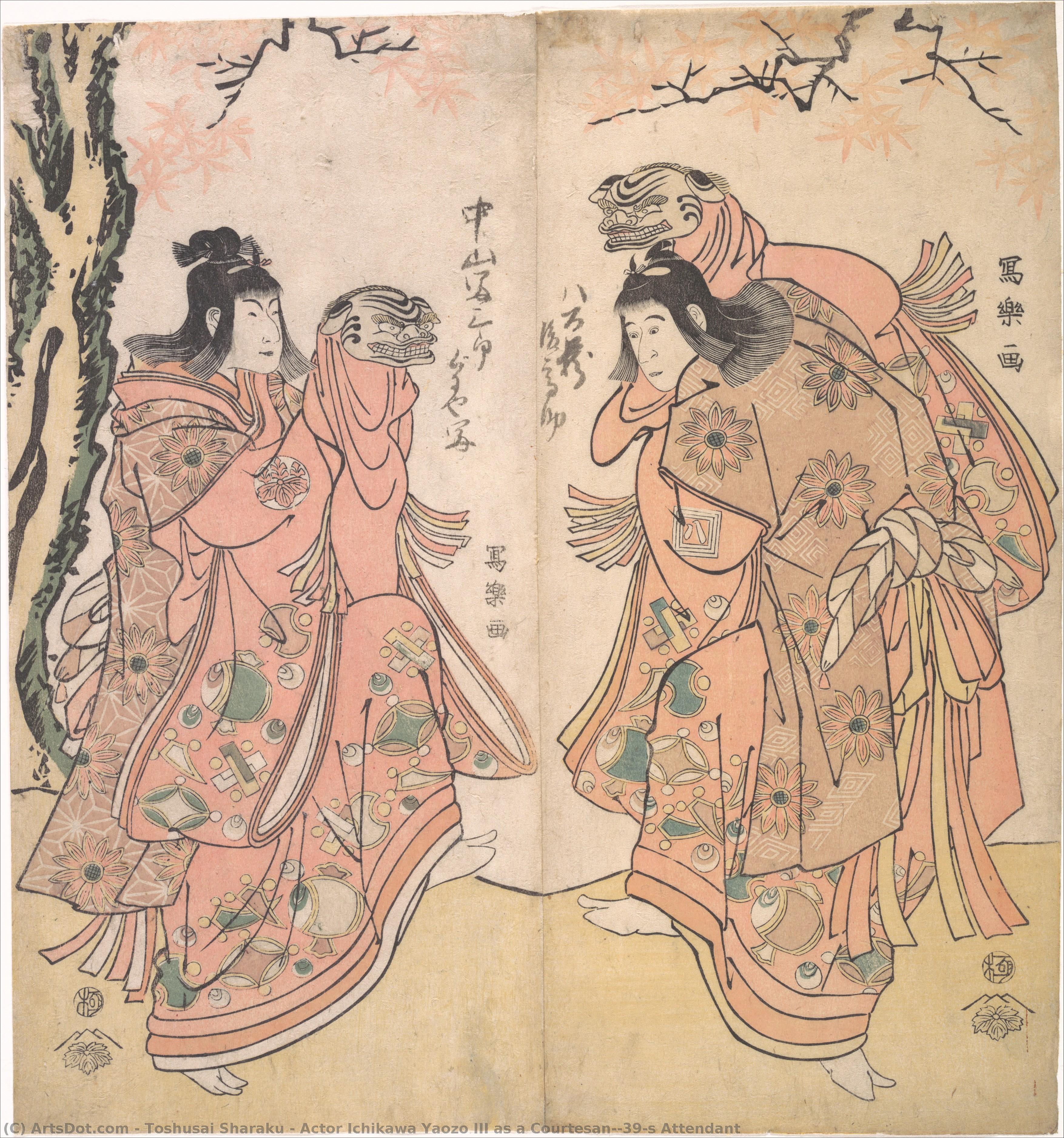
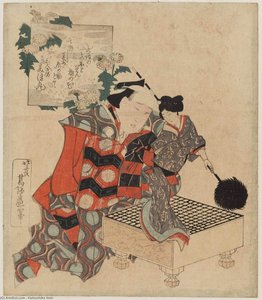
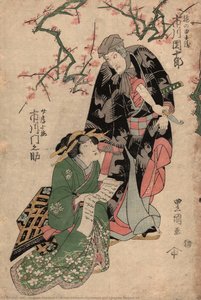
Actor Ichikawa Yaozo III as a Courtesan's Attendant


 詳細を見る
詳細を見る
オンラインプレビューをはるかに凌ぐ、高解像度で鮮明なデジタル画像をご購入いただけます。
各ファイルは、社内の専門家が高度なツールと熟練した手作業によるレタッチを用いて、細心の注意を払って準備されています。すべての画像において、卓越した鮮明度、正確な色彩再現性、そして繊細なディテールを保証いたします。
最終ファイルは、プロフェッショナルな編集・印刷環境ですぐにご利用いただけるよう最適化された状態で、72時間以内にメールにてお届けいたします。これは、一流のデザインスタジオ、出版社、ギャラリーから信頼されているものと同等の品質です。
デジタル画像のご注文に付随する特典
高品質なデジタル画像配信を、確かな品質で。
ArtsDot.com を選ぶことは、単に画像を手に入れることではありません。それは、プロの手によって精密に仕上げられ、満足保証が付いた高品質なデジタルアートワークを受け取ることを意味します。ご注文いただいた際に自動的に付随する内容は、以下の通りです:

メールですぐにお届け
ご注文から72時間以内に、高解像度のデジタル画像ファイルがメールでお手元に届きます。すぐにそのままご利用いただけます。

AI技術で最適化されたデジタルファイル
お客様の作品は、高度なAIツールと専門家による手作業の編集を組み合わせてプロフェッショナルに最適化されており、細部のディテール、鮮明さ、そして正確な色再現性を最大限に引き出しています。

一生涯無料の再送サービス
ファイルを誤って削除したり、紛失してしまったりしましたか?ご安心ください。いつでも無料で再送いたします。

輸入手数料は一切かかりません
関税や手数料、配送料を気にすることなく、お気に入りのアートワークをすぐにお楽しみいただけます。デジタルダウンロードは常に免税です。

色彩再現の保証
プロ仕様のツールとカラーマネジメント技術を用いることで、デジタル画像が元の色を最大限に忠実に再現することを保証いたします。

60日間満足保証
ご購入いただいたデジタル画像にご満足いただけない場合は、60日以内であれば、修正または100%の返金(理由を問う必要はありません)をさせていただきます。

100% 返金保証
ご満足いただけない場合は、デジタルファイルを受け取ってから60日以内であれば、理由を問わず全額返金いたします。

まとめ買い割引
3枚購入で10%OFF - 5枚購入で15%OFF - 10枚以上購入で20%OFF。クリエイティブなプロジェクト、ギャラリー、エージェンシーに最適です。
作品の詳細
The Enigma of the Floating World
In the fleeting annals of Japanese art history, few names evoke as much mystery and sudden brilliance as Tōshūsai Sharaku. His brief, explosive career—spanning a mere ten months between 1794 and 1795—produced works that captured the raw, unvarnished essence of the Kabuki theater. Among his most compelling contributions is the portrait of Actor Ichikawa Yaozo III as a Courtesan's Attendant. This piece serves as a profound window into the Edo period, a time when the "floating world" of urban pleasure and theatrical spectacle flourished amidst the rigid social structures of the Kansei Reforms. To behold this work is to step into a moment of historical tension, where the vibrant energy of the stage collided with the disciplined aesthetics of ukiyo-e printmaking.
The subject matter of this masterpiece transcends simple portraiture; it is a study in character and transformation. By depicting Ichikawa Yaozo III in the role of a courtesan's attendant, Sharaku invites the viewer to contemplate the fluidity of identity inherent in the Kabuki tradition. The artistry lies not just in the likeness of the actor, but in the way the artist captures the specific tension of the performance. Through the delicate interplay of line and shadow, the print conveys the weight of the costume and the psychological depth of the character, making it an irresistible focal point for those who appreciate art that tells a complex, human story.
Mastery of Line and Visual Rhythm
Technically, this work exemplifies the pinnacle of woodblock printing sophistication. Sharaku’s style is characterized by a bold, almost psychological realism that was revolutionary for its time. Unlike many of his contemporaries who favored idealized beauty, Sharaku utilized sharp, decisive lines to accentuate the dramatic features and expressive gestures of his subjects. In this particular print, the viewer can observe the meticulous attention to detail in the patterns of the garments and the rhythmic flow of the composition. The way the artist balances the intricate textures of the clothing against the starkness of the background creates a visual tension that keeps the eye moving across the surface.
For the discerning collector or interior designer, this piece offers an unparalleled sense of movement and texture. The interplay of color—often utilizing subtle gradations to suggest depth—provides a sophisticated palette that can anchor a room with historical gravity. Whether displayed in a contemporary minimalist setting or a more traditional, richly textured space, the print acts as a conversation starter, drawing onlookers into its intricate web of Japanese tradition and theatrical drama. It is not merely a reproduction of an old print; it is a revival of a lost era's emotional intensity.
A Timeless Legacy for Modern Spaces
Owning a high-quality reproduction of Sharaku’s work is an invitation to possess a fragment of art history's greatest mystery. The emotional impact of the piece lies in its ability to evoke nostalgia for a world that was as ephemeral as it was beautiful. There is a certain melancholy in the knowledge of Sharaku's sudden disappearance, a sentiment that mirrors the transient nature of the "floating world" he so brilliantly documented. This sense of fleeting beauty makes the artwork particularly poignant for modern collectors seeking pieces that offer both aesthetic pleasure and intellectual depth.
Integrating such a piece into a curated collection allows for a sophisticated layering of culture and history. The dramatic flair of the Kabuki subject matter provides a striking contrast to modern decor, offering a sense of prestige and worldly knowledge. As an investment in atmosphere, this artwork brings with it the spirit of the Edo period—a spirit of resilience, creativity, and the enduring power of the human performance. It remains a profound choice for those who wish to surround themselves with art that is as intellectually stimulating as it is visually captivating.
関連作品
作家の略歴
東洲斎写楽、その謎に満ちた閃光
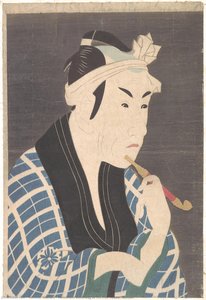
日本の江戸時代に花開いた「浮世絵」の歴史において、東洲斎写楽ほど人々を魅了し、かつ捉えがたい存在は他にいないでしょう。その活動期間は、1794年5月から1忘1795年2月までという、わずか十ヶ月ほどに過ぎません。しかし、この卓越した版画師は、歌舞伎役者を主題とした前例のない肖像様式を携えて、突如として浮世絵界に姿を現しました。ところが、彼が彗星のごとく現れたのと同様の速さで、写楽は姿を消し、その足跡には謎と憶測に満ちた遺産だけが残されました。本名も、その短い生涯を取り巻く状況も定かではなく、それが数十年にわたる学術的な論争を巻き起こし、彼の作品にさらなる神秘的な魅力を添えているのです。
写楽の出現した時代背景を理解することは、彼の芸術の本質に触れることでもあります。江戸時代後期は、比較的平和な時期であった一方で、経済的な困窮や社会的な統制が強まった時代でもありました。幕府による寛政の改革は、贅沢を抑制し、厳格な封建秩序を維持することを目的としていました。歌舞伎もまた、絶大な人気を誇りながらも、厳しい監視の目にさらされていました。役者の演目や収入には制限が課せられ、社会全体に保守的な空気が漂っていました。このような閉塞感のある環境の中にこそ、写楽の大胆かつ型破りな肖像画は舞い降りたのです。
革命的な肖像様式
写楽が登場する以前、歌舞伎役者を描いた「役者絵」は、一般的に対象を理想化し、美しく優雅な姿として描き出すのが通例でした。勝川春章のような絵師たちは、洗練された構図と、人物を実物以上に引き立てる表現を好みました。しかし、写楽はこの慣習を打ち砕いたのです。彼の肖端は驚くほど写実的であり、時には容赦のないほどに不都合な真実さえも描き出しました。彼は、かつて誰も見たことがないほどの強烈な筆致で、各役者が持つ生のエネルギー、心理的な深み、そして個々の癖を捉えました。皺や誇張された表情、あるいは奇妙なポーズを描くことを、彼は決して厭いませんでした。この真実への徹底したこだわりは、当時において画期的であると同時に、大きな議論を呼ぶものでもありました。
写楽の技法もまた、極めて革新的でした。彼は線、色彩、そして構図を巧みに操り、ダイナミックで表現力豊かなイメージを創り上げました。背景はしばしばミニマリズムに基づいた簡素なものであり、観る者の視線を役者の顔や身体の動きへと集中させます。また、春章から受け継いだ技法である「雲母摺(きらずり)」を頻繁に用い、キラキラとした輝きを加えることで、演劇的なドラマ性と舞台の臨場感を高めました。作品のサイズも、大判から小判へと変化しており、これは市場の需要の変化や、彼自身の進化する芸術的ビジョンを反映していたのかもしれません。彼の構図はしばブル、役者の頭部や肩に焦点を当てたクローズアップを多用し、観る者と演者の間に親密な繋がりを生み出しました。
正体という名の謎
写楽を取り巻く伝記情報の欠如は、彼の真の正体について数え切れないほどの仮説を生んできました。ある学者は、彼が演技や役作りを深く理解していた元能楽師であったと考えています。また別の者は、他の流派に属しながらも、浮世絵の世界に名を刻もうとした、挫折を味わった画家であったと示唆しています。なかでも特に興味深い仮説は、写楽の正体こそが葛飾北斎自身であり、「富嶽三十六景」で名声を得る前に、偽名を用いて実験的な試みを行っていたのではないかというものです。
これらの主張を裏付ける決定的な証拠は見つかっていませんが、こうした憶測こそが、彼の作品の持つ類稀な性質を浮き彫りにしています。彼の版画からは、歌舞伎演劇の機微と人間心理に精通した芸術家の姿が見て取れます。その細部へのこだわりと洞察力は、対象を深く観察し、理解していた人物であることを物語っています。何もないところから突如として現れ、短期間に膨大な作品を残して、跡形もなく消え去ったという事実が、彼の神秘性をいっそう深めているのです。
遺産と歴史的意義
その短い活動期間にもかかわらず、東洲斎写楽は浮世絵の歴史に消えることのない足跡を残しました。彼の肖像画は、美や表現に関する従来の概念に挑戦し、より写実的で心理的なニュアンスを含んだ肖像画への道を切り拓きました。その作品は、現代生活のダイナミズムや個性を捉えようとした後世の芸術家たちにも多大な影響を与えました。
今日、写楽の版画は世界中のコレクターや美術館によって極めて高く評価されています。それらは江戸時代の歌舞伎界を覗き見る魅力的な窓であり、当時の名優たちの人生や個性を知るための唯一無二の手段となっています。彼の遺産は単なる美術史の領域に留まりません。彼は、規範に挑み、より真実味のある表現を追求するために境界線を押し広げるという、芸術的革新の精神そのものを体現しています。正体を巡る永遠の謎は、彼の作品が持つ魅惑的な力を高め続け、東洲斎写楽という名が、これからも世代を超えて人々を魅了し、インスピレーションを与え続けることを約束しているのです。
東洲斎写楽
1794 - 1795 , 日本
プロフィール概要
- Artistic Movement Or Style: 歌舞伎役者絵
- Date Of Death: 1795年
- Full Name: 東洲斎写楽
- Nationality: 日本人
- Notable Artworks: ['Obiya Chōeimon 役の版東彦三郎 III および Shinano-ya Ohan 役の岩井半四郎 IV']
- Place Of Birth: 日本、東京

