

 プレビュー
プレビュー
 シェアする
シェアする シェアする
シェアする
 詳細を見る
詳細を見る

 ダウンロード
 似ている作品
 X線調査
X線調査 スライドショー
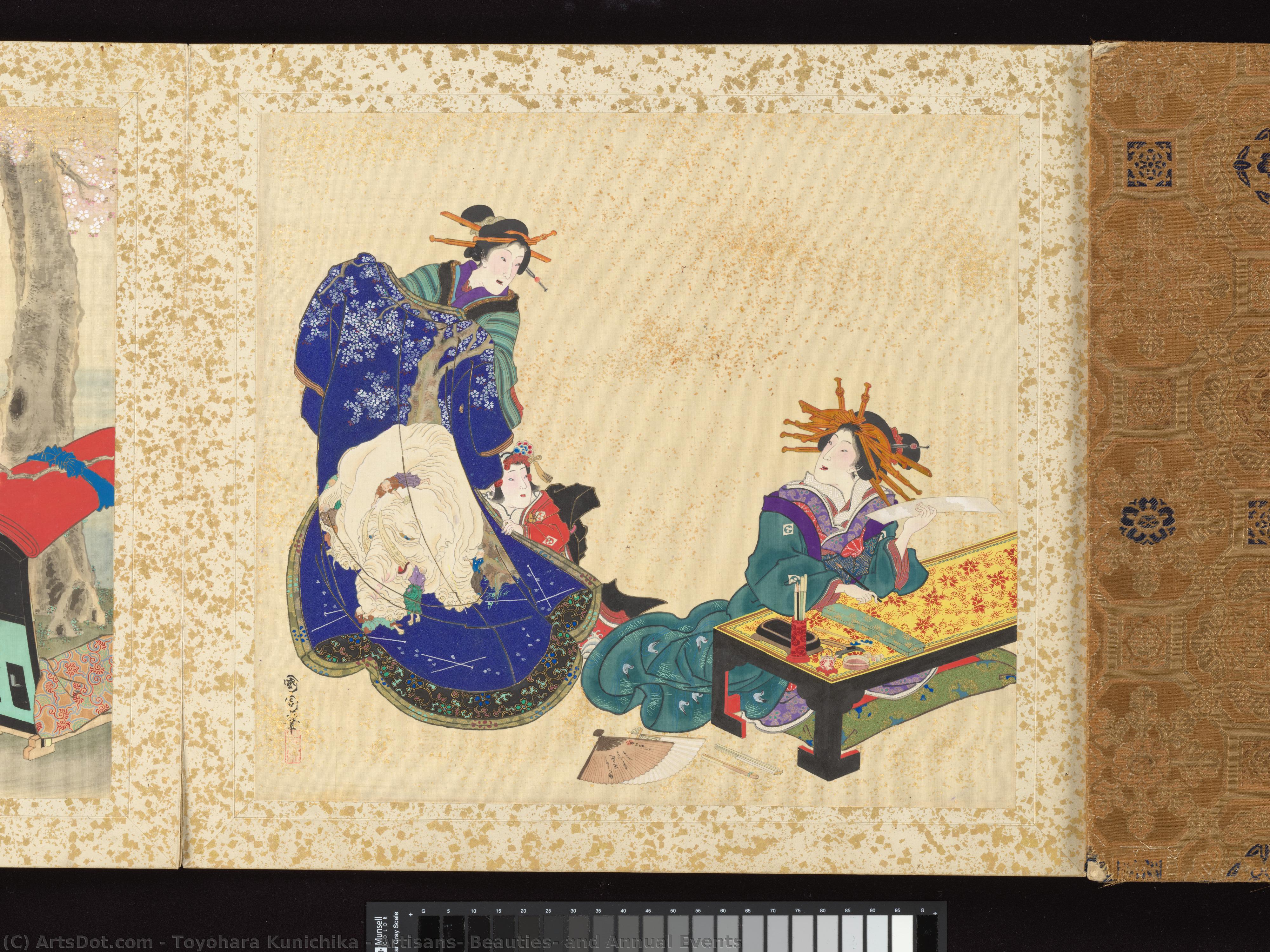
Artisans, Beauties, and Annual Events
 Woodblock Print
- Ukiyo-e
 1874
1874- 19th Century
 30.0 x 33.0 cm
 詳細を見る
詳細を見る
ジークレー/アートプリント
迅速な制作と多彩な仕上げオプションを備えた、ミュージアムクオリティのジークレーまたはキャンバスプリント。 ( 手描きの絵画を購入 画像を購入)




P118B $10

P118H $10

P118W $10

P438Z $10

P508JH $12

P508YH $12

P805H $10

P805Z $10

P919BZ $10

P919G $10

P919XJ $10

P959ZH $10

P968JZ $12

W106C $8

W218G $10

W218JH $8

W218Y $10

W307PJ $10

W316G $10

W316PJ $8

W316Y $10

W398PJ $8

W4111J $10

W500HY $15

W500JH $15

W692G $12

W849H $8

W940BG $15

W953PJ $8




作品のオリジナル比率に合わせた、当店の規定サイズからお選びください。

特定のフレームやスペースに合わせて、ご自身でサイズを指定することも可能です。選択されたサイズが元の画像の比率と一致しない場合、作品をトリミングするか、鏡面反射または単色での塗りつぶしによって画像を拡張いたします。制作を開始する前に、ご確認用のデジタルモックアップをお送りいたします。
画面上のプレビューには、実際のトリミングや拡張は反映されませんのでご注意ください。最終的な構図を正確に確認できるのは、モックアップのみとなります。
カスタムサイズも承っておりますが、元の比率を維持するためには、あらかじめ用意されたリストからサイズを選択することをお勧めいたします。


 ガラスオプションは、110cm未満のサイズでのみご利用いただけます。

Artisans, Beauties, and Annual Events
ジークレー/アートプリント
複製画のサイズ
-


合計金額
$ 62
作品詳細説明
A Window into Meiji Japan
In the delicate brushstrokes of Toyohara Kunichika’s 1874 masterpiece, Artisans, Beauties, and Annual Events, we find a poignant frozen moment from one of the most transformative eras in human history. As Japan stood on the precipice of the Meiji Restoration, caught between the ancient traditions of the Edo period and the encroaching tides of Western modernization, Kunichika acted as a visual chronicler of a vanishing world. This particular work serves as an intimate window into the social fabric of the time, capturing a quiet, communal gathering that feels both deeply personal and historically monumental. The scene invites the viewer to sit at the table alongside these figures, sharing in a moment of respite that transcends the decades separating us from their reality.
The composition centers on a trio of individuals, their presence anchored by the vibrant interplay of color and texture characteristic of late ukiyo-e tradition. Dressed in the exquisite layers of traditional Asian attire, the figures are draped in rich hues of crimson, deep black, and serene indigo. The way the light seems to catch the folds of their garments suggests a mastery of depth and form, drawing the eye toward the center of the table where food is laid out—a symbol of sustenance, hospitality, and the shared joys of life. There is a profound sense of equilibrium in the arrangement; the placement of the bowl, the delicate spoon, and even the subtle presence of a clock on the wall creates a narrative tension between the timelessness of the ritual and the ticking march of progress.
The Artistry of Transition
Technically, this piece exemplifies Kunichika’s ability to bridge two worlds. As a student of the legendary Utagawa Kunisada, he inherited a lineage of precision, yet his work during the Meiji period began to pulse with a new, more dynamic energy. The use of color in this painting is not merely decorative; it is emotive. The bold reds and blacks evoke the passion and vitality of Japanese social life, while the softer blues provide a grounding, tranquil counterpoint. For the discerning collector or interior designer, this work offers a sophisticated palette that can anchor a room with both warmth and historical gravity. It possesses that rare quality of being visually striking from a distance, yet revealing intricate, soulful details upon closer inspection.
Beyond its aesthetic brilliance, the painting carries a heavy symbolic weight. The gathering itself represents the resilience of culture; even as the world outside changed through industrialization, these fundamental human connections—eating together, celebrating seasonal shifts, and honoring craftsmanship—remained the heartbeat of the nation. To possess a reproduction of this work is to hold a piece of cultural memory. It is an invitation to contemplate the beauty of tradition and the inevitable flow of time, making it an evocative centerpiece for any space dedicated to reflection, heritage, and the enduring power of fine art.
関連作品
![[mitate] Actors In The Evening, Returning To The Dressing Room — Toyohara Kunichika, Ukiyo-e](/media/artworks/images-thumb/e3/f8/e3f80dd3372e57f69ae58e37c73e0518.jpg)
アーティストの略歴
early life and training
toyohara kunichika, a renowned japanese woodblock print artist, was born on june 30, 1835. recognized for his exceptional talent at a young age, he became a student of utagawa kunisada, tokyo's leading print maker, at the age of thirteen.artistic style and themes
kunichika's deep understanding of kabuki drama led to his primary production of yakusha-e, woodblock prints of kabuki actors and scenes from popular plays. additionally, he portrayed women deemed beautiful (bijinga), contemporary social life, and a few landscapes and historical scenes.- notable works:
- the actor's portrait (1880) - a fine example of kunichika's yakusha-e style.
- beautiful woman in a brocade robe (1890) - showcase of his bijinga art.
career and legacy
kunichika successfully worked during the edo period, carrying those traditions into the meiji period. his contemporaries and modern art historians view this as a significant achievement during a transitional period of great social and political change in japan's history.- key contributions:
- preservation of traditional japanese print-making techniques.
- influence on the development of modern japanese art.
resources
for more information on toyohara kunichika and his works, visit:- toyohara kunichika's profile on ArtsDot.com
- the kanō school style art movement - understand the context of japanese art during kunichika's time.
- shūsei's profile - explore another influential japanese artist from a different period.
conclusion
toyohara kunichika remains an important figure in the history of japanese art, particularly in the realm of woodblock prints. his dedication to preserving traditional techniques while adapting to changing social and political landscapes has left a lasting impact on modern japanese art.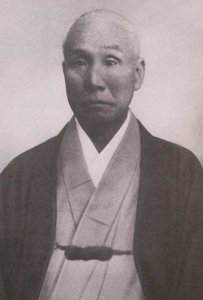
Toyohara Kunichika
1835 - 1900 , Japan
基本情報
- Artistic Movement Or Style: Ukiyo-e (Yakusha-e, Bijinga)
- Artists Or Movements Influenced By This Artist: ['Meiji Ukiyo-e']
- Artists Who Influenced This Artist:
- Utagawa Kunisada
- Toyohara Chikanobu
- Date Of Birth: June 30, 1835
- Date Of Death: 1900
- Full Name: Toyohara Kunichika
- Nationality: Japanese
- Notable Artworks:
- The Actor's Portrait
- Beautiful Woman in a Brocade Robe
- Place Of Birth: Tokyo, Japan
関連記事

葛飾北斎:25の傑作が語る浮世絵の世界 - ArtsDot
葛飾北斎の25選:『神奈川沖浪裏』や『富嶽三十六景』など、浮世絵の世界を深く探求。木版画の技法と日本美術の美をArtsDotで。高品質なアートプリントで空間に感動を。コレクションはこちら。
Tsukioka Yoshitoshi: A Master of Ukiyo-e's Final Flourish – Narrative, Innovation, and the Meiji Transition
Explore the life & art of Tsukioka Yoshitoshi, the last great master of ukiyo-e woodblock printing. Discover his dramatic warrior prints, innovative series like 'One Hundred Aspects of the Moon,' and legacy reflecting Japan's Meiji transition.

Floating World: The Captivating Art and Legacy of Japanese Ukiyo-e
Explore the profound beauty of Japanese Ukiyo-e. Discover the history, masters like Hokusai, and the enduring legacy of the 'Floating World' through an expert art-historical lens.
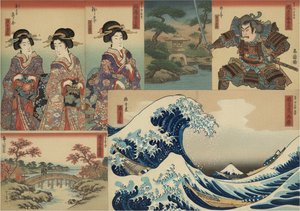
Ukiyo-e: Exploring Japan's Floating World & Enduring Artistic Legacy
Explore the captivating world of Ukiyo-e – Japan's iconic woodblock prints! Discover masters like Hokusai & Hiroshige, learn about Edo period culture, and find expert art collecting guidance at ArtsDot.

Serenity on Canvas: A Guide to the Timeless Beauty of Japanese Landscape Painting
Discover the serene beauty of Japanese landscape painting. From Hokusai's iconic woodblock prints to meditative sumi-e ink washes, explore a visual journey through the 'floating world' and learn how to bring this timeless Zen aesthetic into your modern home decor.

