

 プレビュー
プレビュー
 プリントを購入
 シェアする
シェアする シェアする
シェアする
 詳細を見る
詳細を見る

 ダウンロード
 似ている作品
 X線調査
X線調査 スライドショー
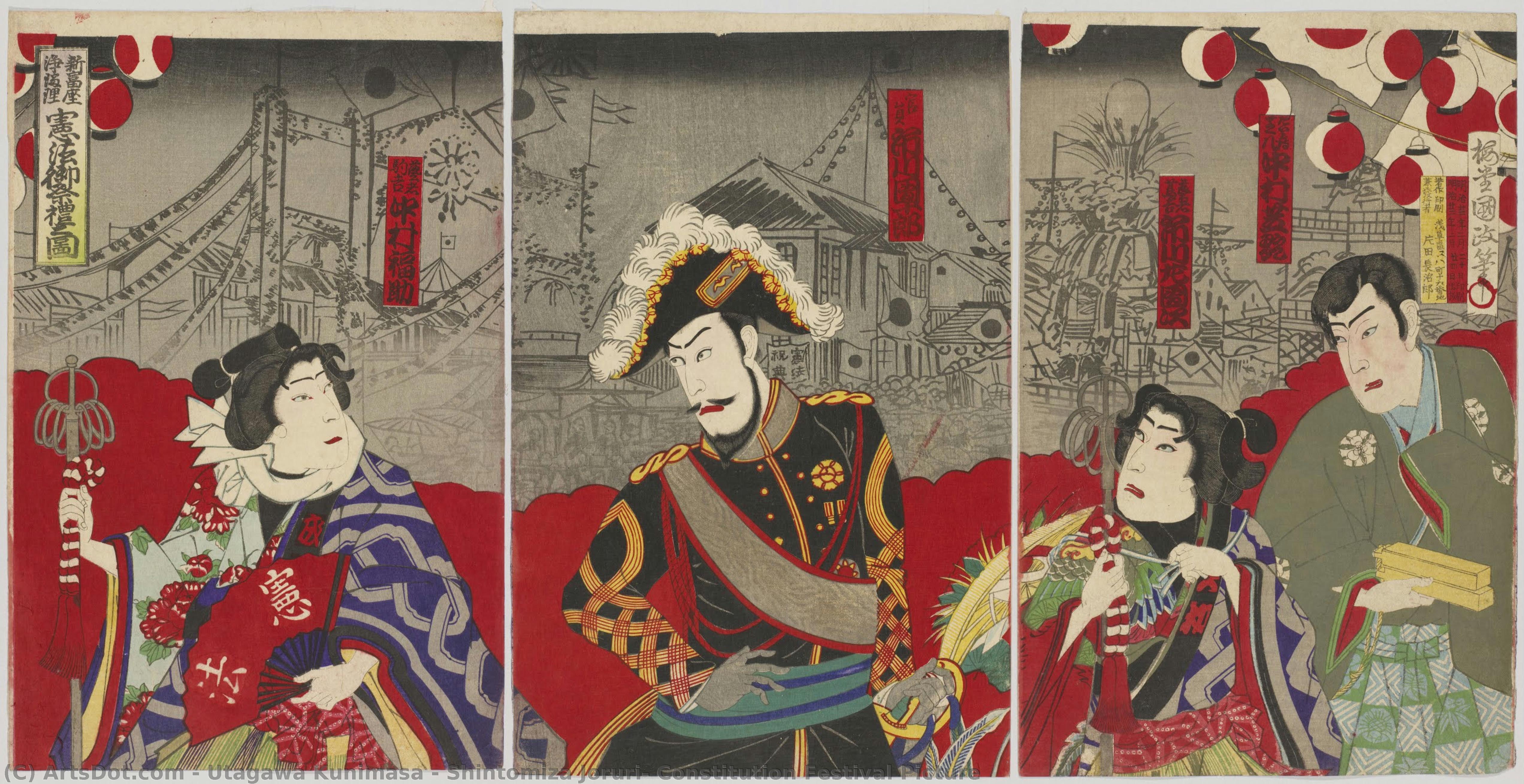
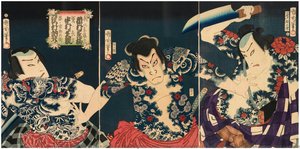
Shintomiza Joruri, Constitution Festival Picture


 詳細を見る
詳細を見る




































作品のオリジナル比率に合わせた、当店の規定サイズからお選びください。

特定のフレームやスペースに合わせて、ご希望のサイズをご入力いただけます。選択されたサイズが元の画像の比率と異なる場合、アートワークをトリミングするか、手描きで要素を追加して絵画を拡張いたします。デジタルモックアップ を制作し、制作開始前にご確認(承認)をいただきます。
画面上のプレビューは、実際のトリミングや拡張を正確に反映しているものではありません。最終的な構図は、モックアップによってのみ正確にご確認いただけます。
カスタムサイズもご利用いただけますが、元の比率を維持するためには、あらかじめ用意されたリストからサイズを選択することをお勧めいたします。
ご注文後、ArtsDot.com チームより詳細な指示をお送りするとともに、仕上がりイメージ(モックアップ)をご提供いたします。


 ガラスオプションは、110cm未満のサイズでのみご利用いただけます。

Shintomiza Joruri, Constitution Festival Picture
複製技法
複製画のサイズ
-


合計金額
$ 363
関連作品
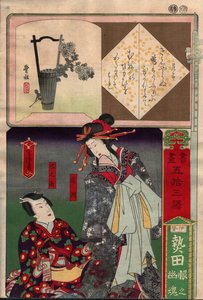
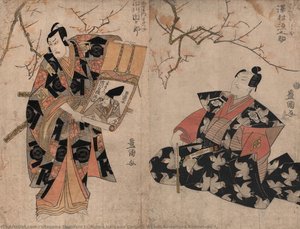
アーティストの略歴
The Vibrant Legacy of Utagawa Kunimasa
In the bustling, neon-lit atmosphere of Edo-period Japan, few artists captured the electric pulse of urban life as evocatively as Utagawa Kunimasa. Born in 1773 in the rugged landscape of Aizuwakamatsu, Kunimasa’s journey to becoming a master of the Ukiyo-e woodblock print was one of unexpected transformation. Before his hands ever touched a carving tool or a brush, he labored in the humble setting of a dye shop. This early immersion in the world of pigments and color saturation would later become the bedrock of his artistic identity, providing him with an intuitive understanding of how hue and intensity could manipulate the viewer's emotions.
His destiny shifted profoundly when he arrived in Edo, where his talent caught the eye of the legendary Utagawa Toyokuni. Under this prestigious mentorship, Kunimasa was not merely taught the technicalities of printmaking; he was initiated into the very soul of the Utagawa school. He sought to bridge a difficult aesthetic gap, attempting to marry the raw, visceral psychological intensity found in the works of Sharaku with the refined, decorative elegance championed by his master, Toyokuni. This pursuit of a middle ground—a style that was both dramatically arresting and beautifully composed—defined his unique contribution to the floating world.
A Master of Drama and Grace
Kunimasa’s oeuvre is most celebrated for its mastery of yakusha-e, or Kabuki actor portraits. In these works, he moved beyond simple likenesses to capture the heightened theatricality of the stage. He possessed a rare ability to freeze a moment of peak tension, using bold lines and carefully orchestrated perspectives to convey the weight of a character's emotion. Whether depicting a hero in mid-battle or a villain caught in a moment of treachery, his prints pulsed with a palpable sense of movement and life.
Beyond the theater, Kunimasa found profound beauty in bijin-ga, the depiction of beautiful women. In these compositions, the artist’s background in dyeing became evident through his sophisticated use of color gradation and delicate textures. He did not merely paint figures; he crafted atmospheres of elegance and quietude. His subjects often possessed a certain psychological depth, a subtle grace that invited the viewer to linger on the intricate patterns of their kimonos and the soft contours of their features. Through this duality of subject matter—the explosive energy of Kabuki and the serene allure of the feminine ideal—Kunimasa established himself as a versatile virtuoso.
Historical Significance and Artistic Impact
Though his life was tragically short, ending in 1810, Kunimasa’s influence rippled through the subsequent generations of the Utagawa school. He served as a vital link in the evolution of Japanese printmaking, helping to refine the stylistic language that would later be perfected by masters like Hiroshige and Kuniyoshi. His work represents a crucial era of transition where the art form moved toward greater complexity and emotional nuance.
Today, the significance of Utagawa Kunimasa lies in his ability to have captured the ephemeral nature of the "floating world" with such enduring strength. His prints remain much more than historical artifacts; they are windows into the heart of Edo culture, reflecting a period of unparalleled artistic innovation and social vibrancy. To study Kunimasa is to witness the moment when the decorative beauty of Japanese tradition met the dramatic intensity of human emotion, creating a legacy that continues to captivate art historians and enthusiasts alike.
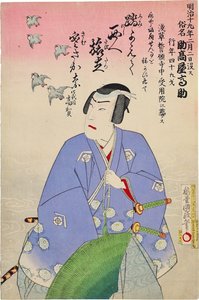
utagawa kunimasa
1773 - 1810 , Japan
基本情報
- Artistic Movement Or Style: Utagawa School
- Artists Or Movements Influenced By This Artist: ['Sharaku']
- Artists Who Influenced This Artist: ['Utagawa Toyokuni']
- Date Of Birth: 1773
- Full Name: Utagawa Kunimasa
- Nationality: Japanese
- Notable Artworks:
- Cat Theatre
- Beauty in Snow
- Shintomiza Joruri
- Place Of Birth: Aizuwakamatsu, Japan
関連記事

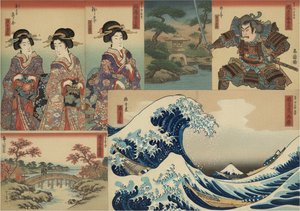
葛飾北斎:25の傑作が語る浮世絵の世界 - ArtsDot
葛飾北斎の25選:『神奈川沖浪裏』や『富嶽三十六景』など、浮世絵の世界を深く探求。木版画の技法と日本美術の美をArtsDotで。高品質なアートプリントで空間に感動を。コレクションはこちら。
Ukiyo-e: Exploring Japan's Floating World & Enduring Artistic Legacy
Explore the captivating world of Ukiyo-e – Japan's iconic woodblock prints! Discover masters like Hokusai & Hiroshige, learn about Edo period culture, and find expert art collecting guidance at ArtsDot.

The Enduring Legacy of Woodblock Printmaking: Technique, History & Artistic Expression
Explore the rich history of woodblock printmaking – from ancient techniques to Ukiyo-e masterpieces. Discover expert insights on collecting, preserving & appreciating this enduring art form.
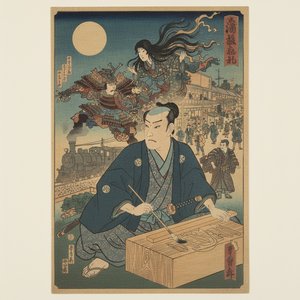
Tsukioka Yoshitoshi: A Master of Ukiyo-e's Final Flourish – Narrative, Innovation, and the Meiji Transition
Explore the life & art of Tsukioka Yoshitoshi, the last great master of ukiyo-e woodblock printing. Discover his dramatic warrior prints, innovative series like 'One Hundred Aspects of the Moon,' and legacy reflecting Japan's Meiji transition.
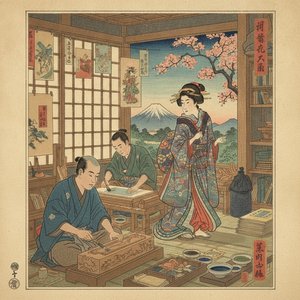
Floating World: The Captivating Art and Legacy of Japanese Ukiyo-e
Explore the profound beauty of Japanese Ukiyo-e. Discover the history, masters like Hokusai, and the enduring legacy of the 'Floating World' through an expert art-historical lens.

