

 プレビュー
プレビュー
 プリントを購入
 シェアする
シェアする シェアする
シェアする
 詳細を見る
詳細を見る

 ダウンロード
 似ている作品
 X線調査
X線調査 スライドショー
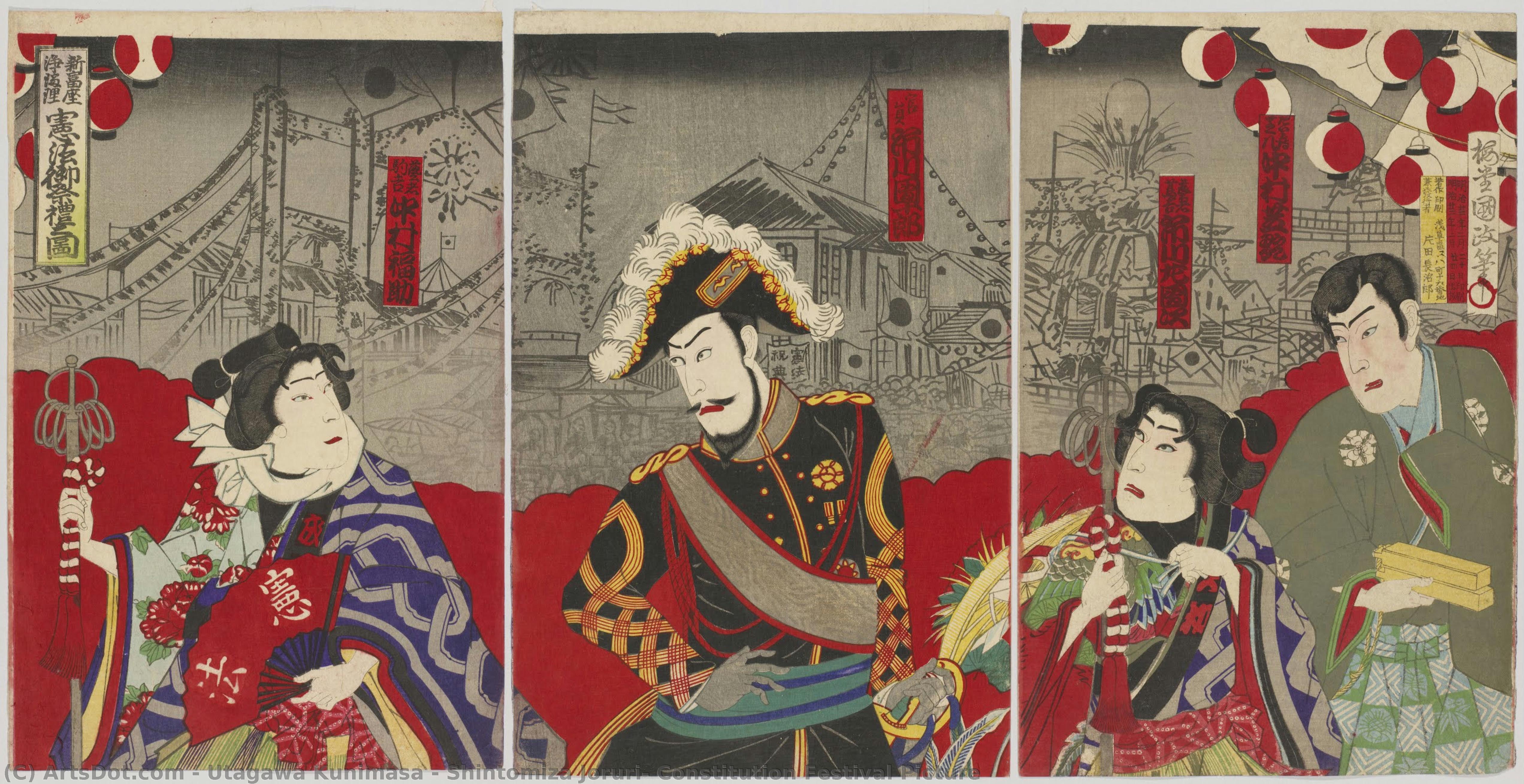
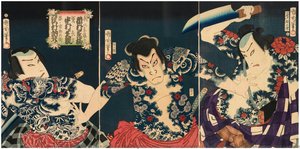
Shintomiza Joruri, Constitution Festival Picture


 詳細を見る
詳細を見る
オンラインプレビューをはるかに凌ぐ、高解像度で鮮明なデジタル画像をご購入いただけます。
各ファイルは、社内の専門家が高度なツールと熟練した手作業によるレタッチを用いて、細心の注意を払って準備されています。すべての画像において、卓越した鮮明度、正確な色彩再現性、そして繊細なディテールを保証いたします。
最終ファイルは、プロフェッショナルな編集・印刷環境ですぐにご利用いただけるよう最適化された状態で、72時間以内にメールにてお届けいたします。これは、一流のデザインスタジオ、出版社、ギャラリーから信頼されているものと同等の品質です。
デジタル画像のご注文に付随する特典
高品質なデジタル画像配信を、確かな品質で。
ArtsDot.com を選ぶことは、単に画像を手に入れることではありません。それは、プロの手によって精密に仕上げられ、満足保証が付いた高品質なデジタルアートワークを受け取ることを意味します。ご注文いただいた際に自動的に付随する内容は、以下の通りです:

メールですぐにお届け
ご注文から72時間以内に、高解像度のデジタル画像ファイルがメールでお手元に届きます。すぐにそのままご利用いただけます。

AI技術で最適化されたデジタルファイル
お客様の作品は、高度なAIツールと専門家による手作業の編集を組み合わせてプロフェッショナルに最適化されており、細部のディテール、鮮明さ、そして正確な色再現性を最大限に引き出しています。

一生涯無料の再送サービス
ファイルを誤って削除したり、紛失してしまったりしましたか?ご安心ください。いつでも無料で再送いたします。

輸入手数料は一切かかりません
関税や手数料、配送料を気にすることなく、お気に入りのアートワークをすぐにお楽しみいただけます。デジタルダウンロードは常に免税です。

色彩再現の保証
プロ仕様のツールとカラーマネジメント技術を用いることで、デジタル画像が元の色を最大限に忠実に再現することを保証いたします。

60日間満足保証
ご購入いただいたデジタル画像にご満足いただけない場合は、60日以内であれば、修正または100%の返金(理由を問う必要はありません)をさせていただきます。

100% 返金保証
ご満足いただけない場合は、デジタルファイルを受け取ってから60日以内であれば、理由を問わず全額返金いたします。

まとめ買い割引
3枚購入で10%OFF - 5枚購入で15%OFF - 10枚以上購入で20%OFF。クリエイティブなプロジェクト、ギャラリー、エージェンシーに最適です。
関連作品
作家の略歴
The Vibrant Legacy of Utagawa Kunimasa
In the bustling, neon-lit atmosphere of Edo-period Japan, few artists captured the electric pulse of urban life as evocatively as Utagawa Kunimasa. Born in 1773 in the rugged landscape of Aizuwakamatsu, Kunimasa’s journey to becoming a master of the Ukiyo-e woodblock print was one of unexpected transformation. Before his hands ever touched a carving tool or a brush, he labored in the humble setting of a dye shop. This early immersion in the world of pigments and color saturation would later become the bedrock of his artistic identity, providing him with an intuitive understanding of how hue and intensity could manipulate the viewer's emotions.
His destiny shifted profoundly when he arrived in Edo, where his talent caught the eye of the legendary Utagawa Toyokuni. Under this prestigious mentorship, Kunimasa was not merely taught the technicalities of printmaking; he was initiated into the very soul of the Utagawa school. He sought to bridge a difficult aesthetic gap, attempting to marry the raw, visceral psychological intensity found in the works of Sharaku with the refined, decorative elegance championed by his master, Toyokuni. This pursuit of a middle ground—a style that was both dramatically arresting and beautifully composed—defined his unique contribution to the floating world.
A Master of Drama and Grace
Kunimasa’s oeuvre is most celebrated for its mastery of yakusha-e, or Kabuki actor portraits. In these works, he moved beyond simple likenesses to capture the heightened theatricality of the stage. He possessed a rare ability to freeze a moment of peak tension, using bold lines and carefully orchestrated perspectives to convey the weight of a character's emotion. Whether depicting a hero in mid-battle or a villain caught in a moment of treachery, his prints pulsed with a palpable sense of movement and life.
Beyond the theater, Kunimasa found profound beauty in bijin-ga, the depiction of beautiful women. In these compositions, the artist’s background in dyeing became evident through his sophisticated use of color gradation and delicate textures. He did not merely paint figures; he crafted atmospheres of elegance and quietude. His subjects often possessed a certain psychological depth, a subtle grace that invited the viewer to linger on the intricate patterns of their kimonos and the soft contours of their features. Through this duality of subject matter—the explosive energy of Kabuki and the serene allure of the feminine ideal—Kunimasa established himself as a versatile virtuoso.
Historical Significance and Artistic Impact
Though his life was tragically short, ending in 1810, Kunimasa’s influence rippled through the subsequent generations of the Utagawa school. He served as a vital link in the evolution of Japanese printmaking, helping to refine the stylistic language that would later be perfected by masters like Hiroshige and Kuniyoshi. His work represents a crucial era of transition where the art form moved toward greater complexity and emotional nuance.
Today, the significance of Utagawa Kunimasa lies in his ability to have captured the ephemeral nature of the "floating world" with such enduring strength. His prints remain much more than historical artifacts; they are windows into the heart of Edo culture, reflecting a period of unparalleled artistic innovation and social vibrancy. To study Kunimasa is to witness the moment when the decorative beauty of Japanese tradition met the dramatic intensity of human emotion, creating a legacy that continues to captivate art historians and enthusiasts alike.
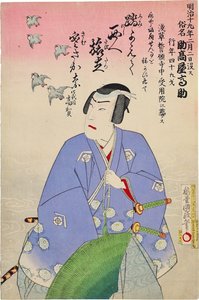
utagawa kunimasa
1773 - 1810 , Japan
プロフィール概要
- Artistic Movement Or Style: Utagawa School
- Artists Or Movements Influenced By This Artist: ['Sharaku']
- Artists Who Influenced This Artist: ['Utagawa Toyokuni']
- Date Of Birth: 1773
- Full Name: Utagawa Kunimasa
- Nationality: Japanese
- Notable Artworks:
- Cat Theatre
- Beauty in Snow
- Shintomiza Joruri
- Place Of Birth: Aizuwakamatsu, Japan

