

 プレビュー
プレビュー
 プリントを購入
 シェアする
シェアする シェアする
シェアする
 詳細を見る
詳細を見る

 ダウンロード
 似ている作品
 X線調査
X線調査 スライドショー
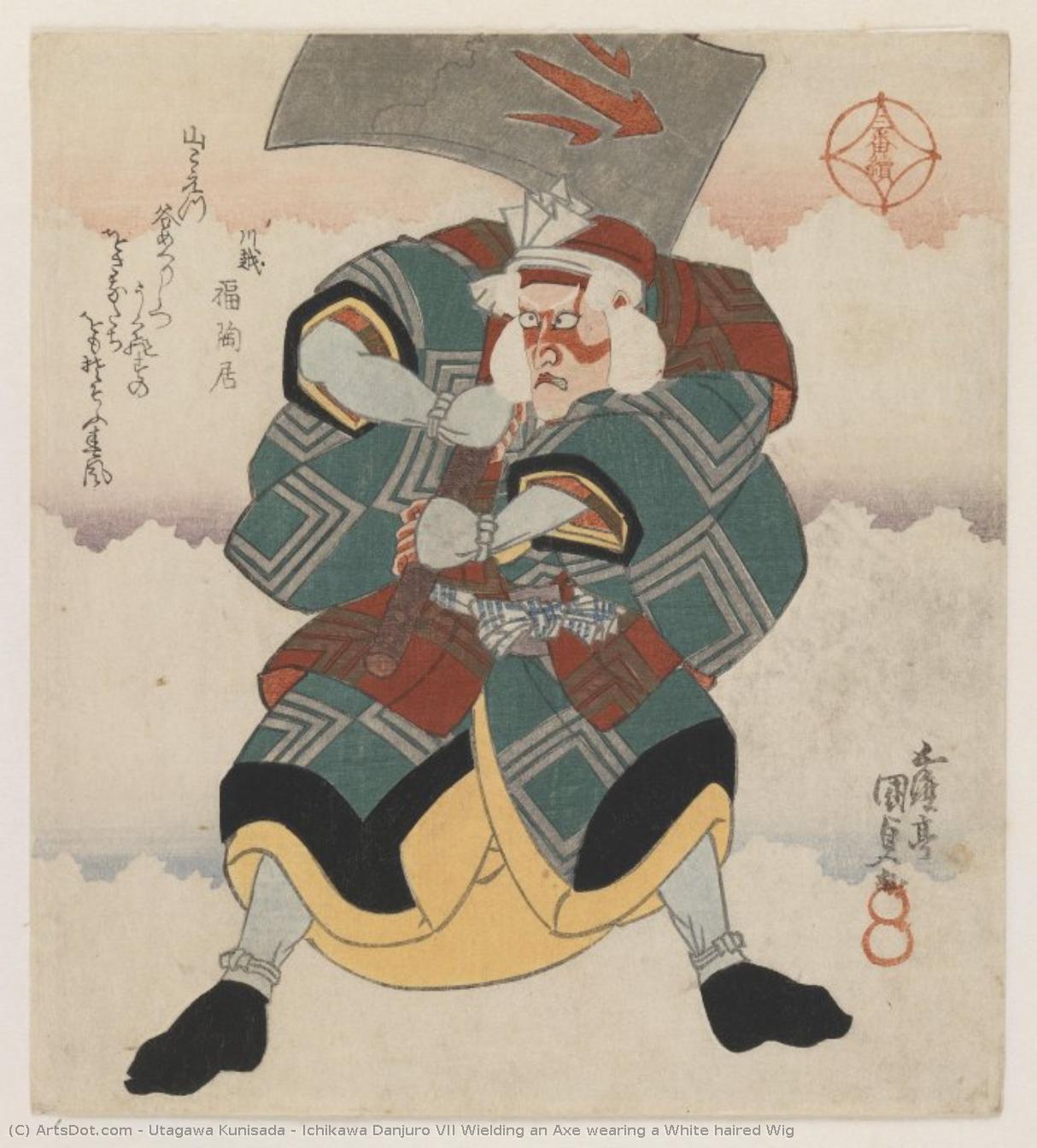
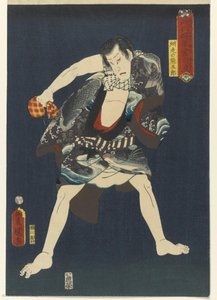
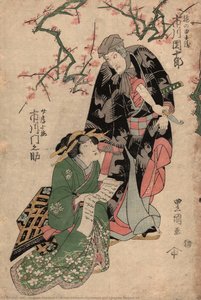
Ichikawa Danjuro VII Wielding an Axe wearing a White haired Wig
 Woodblock Print
- WallArt
- Japanese Ukiyo-e
 1825
1825 16.0 x 20.0 cm
 ブルックリン美術館
 詳細を見る
詳細を見る




P118B $10

P118H $10

P118W $10

P438Z $10

P508JH $12

P508YH $12

P805H $10

P805Z $10

P919BZ $10

P919G $10

P919XJ $10

P959ZH $10

P968JZ $12

W106C $8

W218G $10

W218JH $8

W218Y $10

W307PJ $10

W316G $10

W316PJ $8

W316Y $10

W398PJ $8

W4111J $10

W500HY $15

W500JH $15

W692G $12

W849H $8

W940BG $15

W953PJ $8




作品のオリジナル比率に合わせた、当店の規定サイズからお選びください。

特定のフレームやスペースに合わせて、ご希望のサイズをご入力いただけます。選択されたサイズが元の画像の比率と異なる場合、アートワークをトリミングするか、手描きで要素を追加して絵画を拡張いたします。デジタルモックアップ を制作し、制作開始前にご確認(承認)をいただきます。
画面上のプレビューは、実際のトリミングや拡張を正確に反映しているものではありません。最終的な構図は、モックアップによってのみ正確にご確認いただけます。
カスタムサイズもご利用いただけますが、元の比率を維持するためには、あらかじめ用意されたリストからサイズを選択することをお勧めいたします。
ご注文後、ArtsDot.com チームより詳細な指示をお送りするとともに、仕上がりイメージ(モックアップ)をご提供いたします。


 ガラスオプションは、110cm未満のサイズでのみご利用いただけます。

Ichikawa Danjuro VII Wielding an Axe wearing a White haired Wig
複製技法
複製画のサイズ
-


合計金額
$ 263
作品解説
Ichikawa Danjuro VII Wielding an Axe Wearing a White Haired Wig: A Masterpiece of Edo Ukiyo-e
Utagawa Kunisada (1786 – 1865), born Sumida Shōgorō IX in Honjo, Japan, stands as arguably the most celebrated ukiyo-e artist of the 19th century. His prolific output and unparalleled commercial success cemented his position as a titan amongst his contemporaries—Hiroshige, Hokusai, and Kuniyoshi—establishing him as the undisputed champion of color woodblock printing during the Edo period (1603–1867). While European collectors initially regarded these masters as inferior to classical ukiyo-e artists, a resurgence of appreciation in the mid-20th century and subsequent scholarly investigations have rightfully elevated Kunisada’s stature, recognizing him as one of the foremost figures in Japanese artistic history. Early Life and Artistic Training Kunisada's formative years were marked by familial stability stemming from his father’s modest ferry service business—a circumstance that afforded him a degree of financial security uncommonly present during this era. This background instilled in him a meticulous attention to detail and an understanding of economic realities, shaping his artistic sensibilities and informing his approach to crafting commercially viable prints. He honed his skills under the tutelage of Utagawa Toyokuni I, absorbing the foundational principles of ukiyo-e technique and establishing himself as a disciple destined for greatness. The Significance of Ichikawa Danjuro VII Wielding an Axe Wearing a White Haired Wig This striking depiction captures a pivotal moment in theatrical history—the portrayal of Ichikawa Danjuro VII, one of Japan’s most revered kabuki actors, wielding an axe with unwavering determination. Kunisada's masterful execution transcends mere representation; it embodies the spirit of samurai heroism and conveys profound emotion through nuanced composition and vibrant color palettes. The axe symbolizes strength, courage, and defiance against adversity—themes central to Edo-period morality and powerfully communicated by the artist. Technique and Style: A Symphony of Color and Line Kunisada’s signature style is characterized by its dynamic energy and meticulous attention to detail. Employing the traditional ukiyo-e method of color woodblock printing, he skillfully layered pigments onto finely grained paper, achieving breathtaking luminosity and textural richness. The bold outlines and expressive brushstrokes contribute to a sense of movement and drama—essential elements in conveying the theatrical performance depicted. His use of Prussian blue, particularly prominent in the wig’s hue, exemplifies the artistic innovation of his time and underscores Kunisada's mastery of color theory. Historical Context and Cultural Resonance Created in 1825 during the height of Edo prosperity, “Ichikawa Danjuro VII Wielding an Axe Wearing a White Haired Wig” reflects the broader cultural preoccupation with samurai ideals and theatrical spectacle. Kabuki performances held immense social significance, serving as platforms for disseminating moral lessons and celebrating heroic narratives. Kunisada’s artwork captures this atmosphere perfectly, resonating with viewers across generations who appreciate its artistic beauty and historical depth. It stands as a testament to the enduring legacy of Edo-period art—a period defined by both opulent patronage and profound intellectual engagement. Conclusion: An Icon of Artistic Excellence Utagawa Kunisada's “Ichikawa Danjuro VII Wielding an Axe Wearing a White Haired Wig” remains an unparalleled achievement in ukiyo-e artistry. Its masterful blend of technique, symbolism, and emotional impact secures its place as one of Japan’s most treasured cultural icons—a visual embodiment of courage, honor, and artistic brilliance that continues to inspire admiration today.関連作品
アーティストの略歴
歌川国貞:江戸の芸術的絶頂を築いた巨匠
日本の本所にて隅田庄五郎(九代目)として生を受けた歌川国貞(1786–1865)は、間違いなく19世紀において最も名高い浮世絵師の一人です。その圧倒的な制作量と比類なき商業的成功は、広重、北斎、国芳といった同時代の巨匠たちの中でも、彼を抜きん出た存在へと押し上げました。江戸時代(1603–1mt67)における多色摺木版画の絶対的な覇者として、その地位を不動のものとしたのです。かつて欧州のコレクターたちは、こうした絵師たちの作風を古典的な浮世絵師に劣るものと見なすこともありましたが、20世紀半ばに巻き起こった再評価の波と、その後の学術的な研究によって、国貞の地位は正当に引き上げられました。今日では、日本美術史における最も重要な人物の一人として、その名を刻んでいます。幼少期と芸術への研鑽
国貞の形成期を支えたのは、父が営んでいた控えめな渡し船業による家庭の安定でした。この環境は、当時の絵師としては珍しく、彼に一定の経済的なゆとりをもたらしました。アマチュアの詩人でもあった父は、国貞の中に文学への情熱と芸術的表現への渇望を植え付けました。その天賦の才を見抜いたのは、歌川派の重鎮であり、名高い歌舞伎役者絵の絵師でもあった初代歌川豊国でした。豊国は国貞を弟子として迎え入れ、演劇芸術の深淵と木版画の高度な技法を惜しみなく伝授しました。この師弟関係は、単なる技術の継承に留まらず、日本文化に深く根ざした相互の敬意と共鳴的な成長を象徴するものでした。豊国の姓から取られた「国貞」という名は、この受け継がれた伝統の証であり、後にこの分野の指導者として君臨することになる彼の輝かしい未来を予兆していたのです。芸術的才能の開花
国貞のデビュー作は1807年頃に現れましたが、その初期の作品群はすでに卓越した意匠を纏っていました。それは、彼の成長しつつある技術と、初代豊国の揺るぎない指導力の賜物でした。しかし、彼が真に脚光を浴びたのは1809年のことでした。歌川派の「看板スター」としての地位を確立し、本の挿絵における腕前においても初代豊国と肩を並べるまでになったのです。初期の作品には、鋭い観察眼と豊かな想像力が見事に融合しており、活気あふれる市場から静謐な風景に至るまで、江戸社会のダイナミズムを緻密な描写で捉えていました。同時に、彼は役者絵の探求を開始し、それが爆発的な人気を博したことで、このジャンルの先駆者としての地位を固めました。1825年まで続いた初代豊国との共同作業は、様式的な革新を促し、先見の明を持つ芸術家としての彼の名声を決定づけました。革新と様式の進化
1824年から1825年頃、国貞は花橋一丁とその後継者である花橋一渓の指導の下、自身の芸術的感性を深く変容させる旅へと踏み出しました。この時期、彼は一丁と一渓の雅号を組み合わせた「好蝶」という画号を採用しており、これは新しい芸術的アプローチを意図的に取り入れようとした試みの表れでした。その後、1844年以降、国貞は正式に初代豊国の名を継承しました(国貞から二代目豊国へ)。これは彼の芸術的遍歴の集大成を意味すると同時に、歌川の伝統との絆を再確認するものでした。義理の息子であり後継者でもあった豊茂との関係において、一時的な断絶が見られたことは謎に包まれていますが、それでもなお、国貞は1865年1月の逝去まで、江戸の芸術界の最前線に立ち続け、一つの時代の終焉を見届けました。遺産と再評価
数十年の間、国貞の作品は広重や国芳の再発見の影に隠れ、欧州のコレクターからは「退廃的」であるとして軽視されることもありました。しかし、1930年代、そして1970年代と、相次いで行われた学術的な再検証が、これらの絵師たちの作品、とりわけ国貞の作品に対する関心を再び呼び起こしました。これにより、彼は日本の芸術的巨星の一人として確固たる地位を再確立したのです。ヤン・ファン・ドースブルグによる国貞の芸術的発展に関する先駆的な概説や、セバスチャン・イザールによる徹底的な研究は、彼の天才性をさらに照らし出し、その芸術的ヴィジョンがいかに深く、複雑なものであったかを明らかにしました。今日、国貞は多色摺木版画という媒体を新たな高みへと引き上げた比類なき巨匠として称えられ、日本美術史を形作った極めて重要な人物として認識されています。彼の不朽の影響力は今もなお世界中の芸術家たちにインスピレーションを与え続け、歌川国貞という偉大な遺産が次世代へと受け継がれていくことを確信させています。
歌川国貞
1786 - 1865 , 日本
基本情報
- Artistic Movement Or Style: 浮世絵
- Artists Or Movements Influenced By This Artist: ['古典浮世絵']
- Artists Who Influenced This Artist: ['初代歌川豊国']
- Date Of Birth: 1786年
- Date Of Death: 1865年
- Full Name: 歌川国貞
- Nationality: 日本人
- Notable Artworks:
- 初代市川大紋の記念肖像画
- 東京文明名所:銀座煉瓦石
- 浪士による吉良邸襲撃(三枚続の左パネル)
- Place Of Birth: 日本、本所
関連記事
Ukiyo-e: Exploring Japan's Floating World & Enduring Artistic Legacy
Explore the captivating world of Ukiyo-e – Japan's iconic woodblock prints! Discover masters like Hokusai & Hiroshige, learn about Edo period culture, and find expert art collecting guidance at ArtsDot.
Floating World: The Captivating Art and Legacy of Japanese Ukiyo-e
Explore the profound beauty of Japanese Ukiyo-e. Discover the history, masters like Hokusai, and the enduring legacy of the 'Floating World' through an expert art-historical lens.
Utagawa Kuniyoshi: A Master of Japanese Ukiyo-e – Narrative Innovation & the Fusion of Tradition with Popular Culture
Explore the captivating world of Utagawa Kuniyoshi, a master of Japanese ukiyo-e woodblock prints. Discover his innovative warrior scenes, vibrant landscapes & lasting legacy in 19th-century art history.
Suzuki Harunobu: Pioneering Ukiyo-e & the Refinement of Edo Period Printmaking
Discover the revolutionary world of Suzuki Harunobu, a pioneer of ukiyo-e printmaking. Explore his exquisite nishiki-e techniques, diverse subjects & lasting impact on Japanese art history. Learn more at ArtsDot.

葛飾北斎:25の傑作が語る浮世絵の世界 - ArtsDot
葛飾北斎の25選:『神奈川沖浪裏』や『富嶽三十六景』など、浮世絵の世界を深く探求。木版画の技法と日本美術の美をArtsDotで。高品質なアートプリントで空間に感動を。コレクションはこちら。

