

 プレビュー
プレビュー
 シェアする
シェアする シェアする
シェアする
 詳細を見る
詳細を見る

 ダウンロード
 似ている作品
 X線調査
X線調査 スライドショー
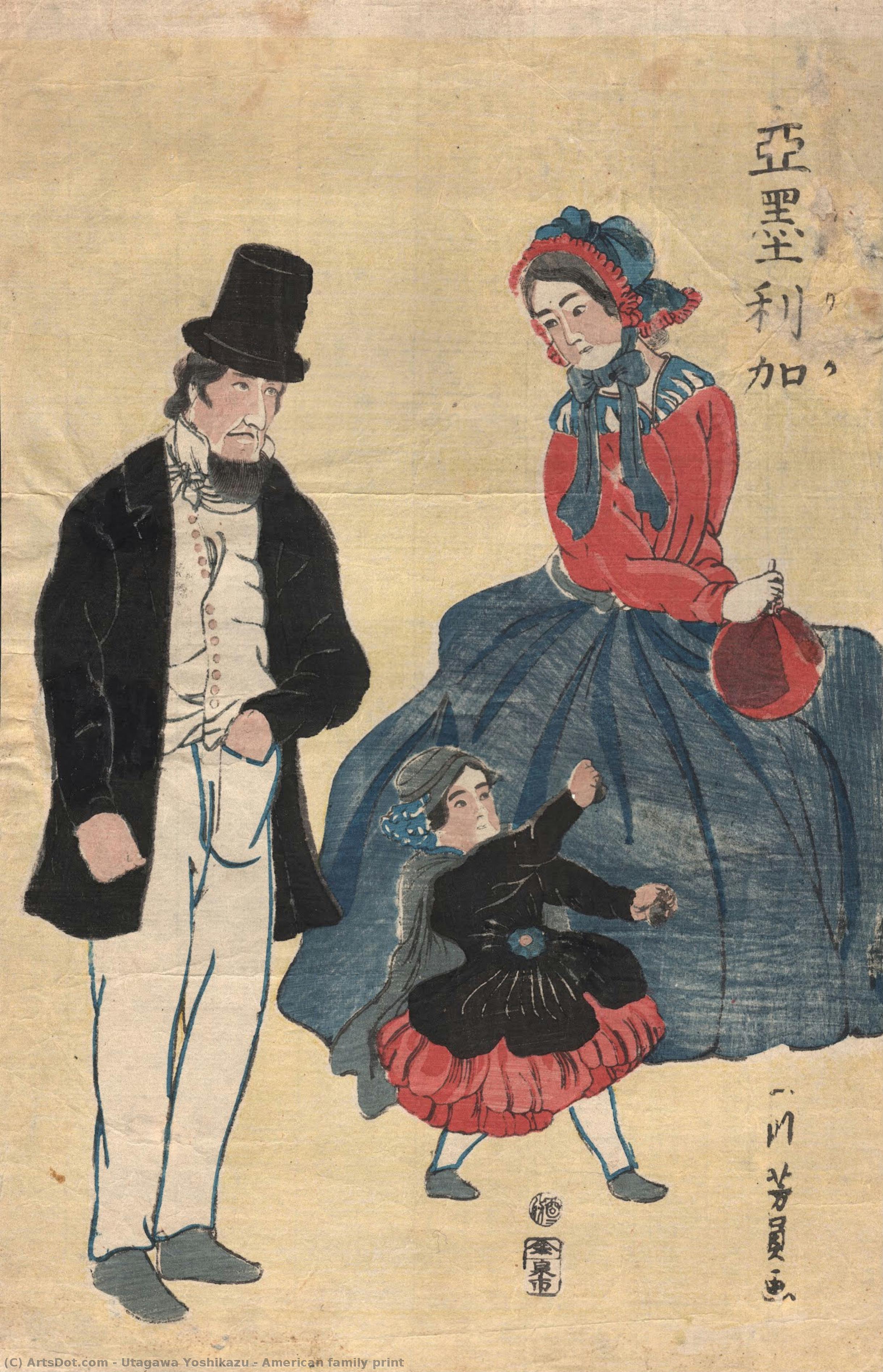
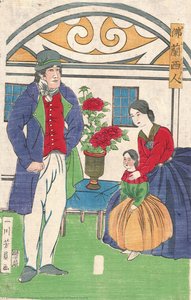
American family print
 Woodblock Print
- Ukiyo-e
 1861
1861- 19th Century
 36.0 x 26.0 cm
 Bujalance Collection
 詳細を見る
詳細を見る
ジークレー/アートプリント
迅速な制作と多彩な仕上げオプションを備えた、ミュージアムクオリティのジークレーまたはキャンバスプリント。 ( 手描きの絵画を購入 画像を購入)




P118B $10

P118H $10

P118W $10

P438Z $10

P508JH $12

P508YH $12

P805H $10

P805Z $10

P919BZ $10

P919G $10

P919XJ $10

P959ZH $10

P968JZ $12

W106C $8

W218G $10

W218JH $8

W218Y $10

W307PJ $10

W316G $10

W316PJ $8

W316Y $10

W398PJ $8

W4111J $10

W500HY $15

W500JH $15

W692G $12

W849H $8

W940BG $15

W953PJ $8




作品のオリジナル比率に合わせた、当店の規定サイズからお選びください。

特定のフレームやスペースに合わせて、ご自身でサイズを指定することも可能です。選択されたサイズが元の画像の比率と一致しない場合、作品をトリミングするか、鏡面反射または単色での塗りつぶしによって画像を拡張いたします。制作を開始する前に、ご確認用のデジタルモックアップをお送りいたします。
画面上のプレビューには、実際のトリミングや拡張は反映されませんのでご注意ください。最終的な構図を正確に確認できるのは、モックアップのみとなります。
カスタムサイズも承っておりますが、元の比率を維持するためには、あらかじめ用意されたリストからサイズを選択することをお勧めいたします。


 ガラスオプションは、110cm未満のサイズでのみご利用いただけます。

American family print
ジークレー/アートプリント
複製画のサイズ
-


合計金額
$ 62
作品詳細説明
A Window into a Changing World
In the mid-19th century, as the gates of Japan began to swing open to the outside world, a new genre of art emerged to capture the profound shock and fascination of a nation in transition. Utagawa Yoshikazu’s "American Family Print," created in 1861, stands as a breathtaking specimen of Yokohama-e, a specialized branch of ukiyo-e woodblock printing. This piece does not merely depict figures; it captures a historical heartbeat. Through the eyes of Yoshikazu, we witness the arrival of Westerners in the port of Yokohama, rendered with the delicate precision and vibrant curiosity that defined an era of unprecedented cultural exchange.
The composition centers on a European family, presented with a stylized elegance that bridges two worlds. A man stands in formal, structured attire, embodying the perceived gravity of Western customs, while beside him, a woman is draped in elaborate clothing and an intricate hairstyle that signals high social status. A young girl completes this intimate trio, her presence adding a touch of soft, human vulnerability to the scene. While the subject matter is decidedly Western, the artistic soul of the print remains deeply Japanese, utilizing the iconic bold outlines and flat, saturated color planes characteristic of the Utagawa school.
The Artistry of the Woodblock
To behold this print is to appreciate the meticulous craftsmanship of the Edo-period masters. The technique of woodblock printing requires an extraordinary level of planning, where every line must be carved into the wood with absolute certainty before ink meets paper. Yoshikazu employs a masterful use of flatness, eschewing traditional Western perspective in favor of a graphic clarity that emphasizes shape and silhouette. The lines are thick and decisive, creating sharp edges that make the figures pop against their background like characters from a beautifully illustrated legend.
The visual language is one of geometric harmony; eyes are rendered as simple, expressive circles, and faces follow soft ovals, lending the family an almost iconic quality. This lack of heavy shadowing or complex depth creates a luminous, even lighting that allows the viewer to focus on the textures of the clothing and the subtle gestures of the subjects. For collectors and interior designers, this aesthetic offers a sophisticated balance—it possesses the graphic strength of modern minimalism while retaining the rich, historical soul of classical Japanese art.
A Legacy for the Modern Collector
Beyond its technical brilliance, the "American Family Print" carries an emotional weight that resonates across centuries. It is a study in observation and wonder. There is a quiet tension in the print—the meeting of the familiar and the foreign, the old world and the new. The woman’s opulent dress and the man's rigid posture serve as symbols of a culture being studied through a lens of intense curiosity, making the artwork feel like a captured moment of ethnographic discovery.
For those looking to adorn a space with art that sparks conversation, this reproduction offers more than mere decoration. It serves as a sophisticated focal point that invites contemplation on themes of globalization, identity, and the beauty of cultural intersection. Whether placed in a contemporary gallery setting or a classic study, Yoshikazu’s work brings with it an air of intellectual depth and timeless elegance, making it an invaluable acquisition for any discerning collection.
関連作品
![Neko No Shibai 猫の芝居 [cat Theatre] — Utagawa Kunimasa, Ukiyo-e](/media/artworks/images-thumb/94/a5/94a54e4879ac44853d6307509f6732d0.jpg)
アーティストの略歴
Utagawa Yoshikazu: Witnessing a Changing Japan Through Woodblock Prints
Utagawa Yoshikazu, born in Tokyo during the late Edo period (approximately 1850-1870), stands as a pivotal figure in the vibrant world of Ukiyo-e art. While not as widely celebrated as some of his contemporaries like Hiroshige or Hokusai, Yoshikazu’s contribution is particularly significant for his extensive and insightful series documenting the arrival of Westerners and Western influences in Japan following the Treaty of Kanagawa with the United States in 1854. His work offers a unique window into a nation grappling with rapid modernization and cultural exchange – a period of profound transformation captured with remarkable detail and keen observation.
Yoshikazu’s artistic journey began under the tutelage of Kuniyoshi Utagawa, another prominent Ukiyo-e master known for his dynamic depictions of historical events and folklore. This formative influence undoubtedly shaped Yoshikazu's approach to composition, storytelling, and the skillful use of woodblock printing techniques. He frequently signed his works as Ichikawa Yoshikazu, a practice common among artists seeking to establish their brand and connect with patrons.
The Yokohama-e Series: A Chronicle of Western Encounters
Yoshikazu’s most enduring legacy lies in his “Yokohama-e” series. These prints, primarily produced between 1860 and 1870, focus almost exclusively on the port city of Yokohama – the primary gateway for foreign trade and immigration during this era. Unlike many Ukiyo-e artists who depicted idealized landscapes or celebrated heroic figures, Yoshikazu meticulously documented the everyday lives of Westerners in Japan: American families strolling through bustling streets, European merchants conducting business, missionaries engaged in their work, and the interactions between Japanese and foreign communities.
These weren’t romanticized portrayals; they were often unflinchingly realistic depictions of a society undergoing rapid change. Yoshikazu captured the unfamiliarity of Western clothing, architecture, and customs alongside the growing excitement and apprehension surrounding this influx of new influences. The prints offer invaluable social and historical insights, providing a visual record of a pivotal moment in Japanese history – the opening up to the West and its subsequent impact on Japanese society.
Technique and Style
As with most Ukiyo-e artists of his time, Yoshikazu employed the traditional collaborative process of woodblock printing. The artist would create the original design (the *nishiki-e*), which was then transferred to a block of cherry wood. Multiple blocks were created for each color in the print, and these blocks were inked and pressed onto Japanese paper to produce the final image. Yoshikazu’s prints are characterized by their meticulous detail, vibrant colors, and skillful use of perspective – particularly evident in his depictions of crowded cityscapes.
He demonstrated a particular mastery of capturing textures and materials, from the sheen of Western fabrics to the rough surfaces of Japanese buildings. His compositions often feature dynamic arrangements of figures, creating a sense of movement and immediacy. The influence of Kuniyoshi is noticeable in his use of dramatic lighting and bold outlines, though Yoshikazu developed a more restrained and observational style.
Notable Works and Historical Significance
Among Yoshikazu’s most celebrated works are prints like “American Family Print” (1861) and “Modern Ups and Downs Contests: Yokohama Merchants Referee (between) Entertainers and Non-workers,” which vividly portray the social dynamics of Yokohama during this period. These images offer glimpses into the burgeoning merchant class, the tensions between traditional Japanese values and Western influences, and the evolving urban landscape.
Utagawa Yoshikazu’s work is not merely aesthetically pleasing; it serves as a crucial historical document, providing invaluable insights into Japan's transition from a largely isolated nation to an increasingly interconnected world. His Yokohama-e series remains a testament to his artistic skill and his ability to capture the complexities of a transformative era – a period when Japan was irrevocably changed by its encounter with the West.
utagawa yoshikazu
Japan
基本情報
- Artistic Movement Or Style: Ukiyo-e, Yokohama-e
- Artists Who Influenced This Artist: ['Kuniyoshi Utagawa']
- Date Of Birth: Tokyo, Japan (c. 1850)
- Date Of Death: Living
- Full Name: Utagawa Yoshikazu
- Nationality: Japanese
- Notable Artworks:
- American Family Print
- French Family Print
- Modern Ups & Downs Contests
- Place Of Birth: Tokyo, Japan
関連記事

葛飾北斎:25の傑作が語る浮世絵の世界 - ArtsDot
葛飾北斎の25選:『神奈川沖浪裏』や『富嶽三十六景』など、浮世絵の世界を深く探求。木版画の技法と日本美術の美をArtsDotで。高品質なアートプリントで空間に感動を。コレクションはこちら。
The Enduring Legacy of Woodblock Printmaking: Technique, History & Artistic Expression
Explore the rich history of woodblock printmaking – from ancient techniques to Ukiyo-e masterpieces. Discover expert insights on collecting, preserving & appreciating this enduring art form.
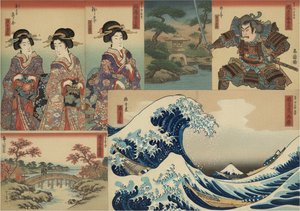
Ukiyo-e: Exploring Japan's Floating World & Enduring Artistic Legacy
Explore the captivating world of Ukiyo-e – Japan's iconic woodblock prints! Discover masters like Hokusai & Hiroshige, learn about Edo period culture, and find expert art collecting guidance at ArtsDot.
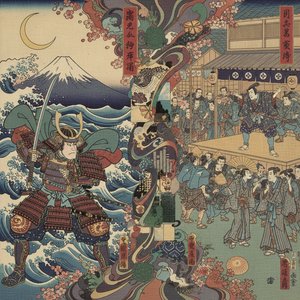
Utagawa Kuniyoshi: A Master of Japanese Ukiyo-e – Narrative Innovation & the Fusion of Tradition with Popular Culture
Explore the captivating world of Utagawa Kuniyoshi, a master of Japanese ukiyo-e woodblock prints. Discover his innovative warrior scenes, vibrant landscapes & lasting legacy in 19th-century art history.
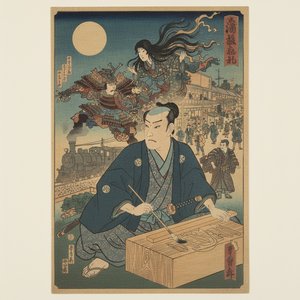
Tsukioka Yoshitoshi: A Master of Ukiyo-e's Final Flourish – Narrative, Innovation, and the Meiji Transition
Explore the life & art of Tsukioka Yoshitoshi, the last great master of ukiyo-e woodblock printing. Discover his dramatic warrior prints, innovative series like 'One Hundred Aspects of the Moon,' and legacy reflecting Japan's Meiji transition.

