

 プレビュー
プレビュー
 シェアする
シェアする シェアする
シェアする
 詳細を見る
詳細を見る

 ダウンロード
 似ている作品
 X線調査
X線調査 スライドショー
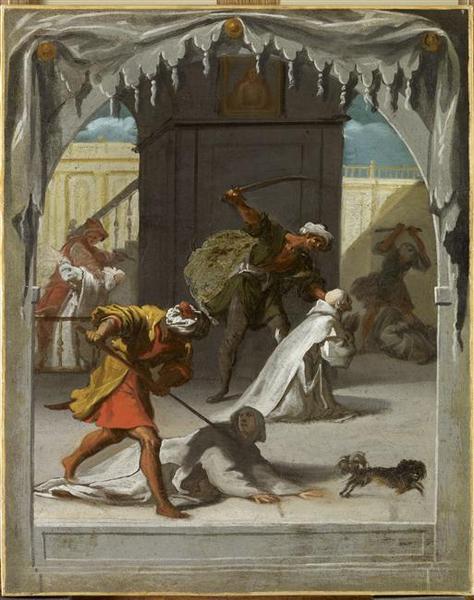
Martyre des chartreux d'Allemagne, jadis intitulé Martyre des chartreux à Bourg Fontaine


 詳細を見る
詳細を見る
ジークレー/アートプリント
迅速な制作と多彩な仕上げオプションを備えた、ミュージアムクオリティのジークレーまたはキャンバスプリント。 ( 手描きの絵画を購入 画像を購入)




P118B $10

P118H $10

P118W $10

P438Z $10

P508JH $12

P508YH $12

P805H $10

P805Z $10

P919BZ $10

P919G $10

P919XJ $10

P959ZH $10

P968JZ $12

W106C $8

W218G $10

W218JH $8

W218Y $10

W307PJ $10

W316G $10

W316PJ $8

W316Y $10

W398PJ $8

W4111J $10

W500HY $15

W500JH $15

W692G $12

W849H $8

W940BG $15

W953PJ $8




作品のオリジナル比率に合わせた、当店の規定サイズからお選びください。

特定のフレームやスペースに合わせて、ご自身でサイズを指定することも可能です。選択されたサイズが元の画像の比率と一致しない場合、作品をトリミングするか、鏡面反射または単色での塗りつぶしによって画像を拡張いたします。制作を開始する前に、ご確認用のデジタルモックアップをお送りいたします。
画面上のプレビューには、実際のトリミングや拡張は反映されませんのでご注意ください。最終的な構図を正確に確認できるのは、モックアップのみとなります。
カスタムサイズも承っておりますが、元の比率を維持するためには、あらかじめ用意されたリストからサイズを選択することをお勧めいたします。


 ガラスオプションは、110cm未満のサイズでのみご利用いただけます。

Martyre des chartreux d'Allemagne, jadis intitulé Martyre des chartreux à Bourg Fontaine
ジークレー/アートプリント
複製画のサイズ
-


合計金額
$ 62
作品詳細説明
The Agony Within Stone: Vicente Carducho’s “Martyre des Chartreux d'Allemagne”
Vicente Carducho’s "Martyre des Chartreux d'Allemagne, jadis intitulé Martyre des Chartreux à Bourg-Fontaine" is not merely a depiction of historical violence; it’s a profoundly moving tableau of suffering, faith tested, and the brutal realities of religious conflict. Painted in 1626-1632 during the height of the Spanish Baroque, this monumental work housed within the Louvre Museum offers a visceral experience that transcends its painted surface, inviting contemplation on themes of martyrdom, injustice, and the precarious nature of belief.
The scene unfolds within a dimly lit chamber, an architectural device immediately suggestive of confinement and despair. An arched doorway hints at another space, perhaps representing purgatory or the afterlife, while the muted palette—dominated by deep browns, ochres, and somber blues—reinforces this atmosphere of gloom. Carducho masterfully employs chiaroscuro, a technique perfected during the Baroque era, to sculpt dramatic contrasts between light and shadow. This isn’t simply about illumination; it's about highlighting the anguish etched on the faces of the monks and the violence perpetrated against them. The artist’s attention to detail is remarkable – from the meticulously rendered folds of their robes to the glint of steel in the attackers’ swords, every element contributes to a sense of immediacy and realism.
A Chronicle of Suffering: Historical Context and Narrative
The painting depicts a harrowing event rooted in 16th-century German history. The “Martyre des Chartreux” refers to the brutal persecution of Carthusian monks in the city of Rodemunda, near Cologne, in 1573. These monks, known for their piety and resistance to Protestantism, were subjected to a horrific massacre by local soldiers who had been paid to carry out the deed. Carducho’s painting serves as a visual memorial to this tragedy, preserving a crucial moment of religious intolerance and human cruelty.
The composition is carefully structured to amplify the drama. The central group of monks—kneeling in prayer, being attacked, or desperately defending themselves—forms a vortex of suffering. Note the stark contrast between their vulnerability and the aggression of the attackers. A dog lies prone on the floor, a symbol of helplessness and despair mirroring the plight of the monks. The scene is not celebratory; it’s deliberately unsettling, forcing the viewer to confront the uncomfortable realities of violence and faith.
Symbolism and Emotional Resonance
Beyond its historical narrative, “Martyre des Chartreux” is rich in symbolic meaning. The arches framing the scene can be interpreted as portals—representing both earthly suffering and spiritual transcendence. The light filtering through the window suggests a glimmer of hope amidst the darkness, but it’s a fragile light, barely penetrating the gloom. The monks themselves embody resilience and unwavering faith, even in the face of imminent death. Their postures – some pleading, others defiant – speak volumes about their inner struggles.
Carducho's use of color is particularly significant. The somber tones evoke a sense of mourning and lamentation, while the stark contrasts between light and shadow heighten the emotional intensity of the scene. The painting’s power lies not just in its depiction of violence but in its ability to convey the profound psychological impact of suffering on the human spirit.
A Legacy of Baroque Drama
“Martyre des Chartreux d'Allemagne” stands as a testament to Vicente Carducho’s skill and artistic vision. It exemplifies the dramatic intensity and emotional depth characteristic of Spanish Baroque painting, while simultaneously offering a poignant reflection on religious conflict and human suffering. Reproductions of this powerful work continue to resonate with audiences today, reminding us of the importance of remembering historical injustices and honoring the enduring spirit of those who faced persecution for their beliefs. Its legacy endures as a masterpiece of Baroque art, inviting viewers to contemplate the complexities of faith, violence, and the enduring human condition.
関連作品
アーティストの略歴
ビセンテ・カルドゥーチョ(1576-1638):スペイン・バロックを牽引した巨匠
ヴィンチェンツォ・カルドゥッチ、より一般的にはビセンテ・カルドゥーチョの名で知られるこの画家は、17世紀のスペイン美術の風景を決定づけた極めて重要なイタリア人画家でした。1576年にイタリアのフィレンツェに生を受け、1638年にスペインのマドリードでその生涯を閉じました。彼の歩んだ軌跡はイタリアとスペインの両国にまたがり、最終的に彼をスペイン・バロック運動における中心的な人物へと押し上げたのです。
黎明期と修練の時代
- ルーツ:カルドゥーチョは、芸術の息吹が満ち溢れるイタリア・フィレンツェの豊かな環境の中で産声を上げました。
- 家族の影響:彼の初期の修行は、同じく画家であった兄バルトロメオ・カルドゥッチによって授けられました。この血縁による結びつきが、彼の芸術的成長における決定的な礎となったのです。
- スペインへの移住:若き日のビセンテは兄の足跡を辿ってマドリードへと移り住みました。当初はバリャドリードで活動していましたが、やがてスペイン王フェリペ2世のもとで、エスコリアル修道院での制作依頼を受けるに至ります。
- 初期の依頼作品:彼は兄と共にフェリペ2世のための絵画プロジェクトに携わり、その後、フェリペ3世の治世下では、新たに再建されたパルド宮殿の装飾にも貢献しました。その初期の傑作として、アキレウスの物語を描いた作品が記憶に刻まれています。
芸術家としての開花と偉大なる業績
- 修道院のフレスコ画:彼のキャリアにおける劇的な転換点は、エル・パウラール修道院の修道士たちから受けた4年間に及ぶ装飾依頼でした。この壮大なプロジェクトにより、聖ブルノの生涯(27点)と殉教者たち(27点)を描いた、歴史的人物による54枚もの大作キャンバスが誕生したのです。
- 王室の庇護:カルドゥーチョはフェリペ4世から多大な支持を受け、プラド美術館に収蔵される今日の名作の数々を生み出しました。これらの作品には、劇的な構図と宗教的テーマに対する彼の卓越した技量が凝縮されています。
- 教育と後進への影響:長年にわたり、カルドゥーチョはマドリードで教師として活動し、次世代のスペイン人画家たちを育みました。その教え子には、ジョヴァンニ・リッチ、ペドロ・オブレゴン、ヴェラ、フランシスコ・コランテスといった、17世紀スペイン派を代表する重要人物たちが名を連ねています。
- 理論的著作:彼は1633年に出版された論文『絵画の卓越性について(Dialogues on Painting)』の著者でもあります。師匠と弟子による対話形式で綴られたこの書物は、当時のスペイン王国の敬虔な精神を反映すると同時に、彼の芸術哲学を深く探求するための貴重な窓となっています。
芸術様式と受けた影響
- バロックの特質:カルドゥーチョの様式は、バロック時代に深く根ざしています。劇的な光の演出、ダイナミックな構図、そして観る者の心を揺さぶる感情的な強烈さが、その特徴です。
- 古典的伝統:彼の著作からは、古典的な芸術理論や対話体という形式に対する、深い敬意と関わりが見て取れます。
- カラヴァッジョへの批判:特筆すべきは、彼がカラヴァッジョとその追随者たちに対して、非常に鋭い批判を展開したことです。彼は彼らが規律に欠け、十分な学習や準備なしに自然主義に頼りすぎていると非難しました。その手法は絵画の未来を損なうものだと危惧していたのです。また、その批判はミケランジェロの様式にも及び、自然を表面的な模倣に留めていると断じました。 ともにも、カラヴァッジョに対して批判的であった一方で、カルドゥーチョの作品には初期のイタリアの巨匠たちからの影響と、紛れもないスペイン独自の感性が共存しています。
歴史的な意義
ビセンテ・カルドゥーチョは、スペイン美術史において極めて重要な地位を占めています。彼はイタリアの技法と現地の伝統を融合させることで、独自の「スペイン・バロック様式」を確立する上で決定的な役割を果たしました。また、教育者としての活動を通じて、自身の芸術的原則を後世へと確実に継承させたのです。カラヴァッジョへの批判には保守的な側面が見え隠れするものの、宗教画への貢献やその理論的著作は、当時の芸術論争を知る上でかけがえのない洞察を与えてくれます。多様な影響を統合し、唯一無二のスペイン・バロック美学へと昇華させたことこそが、カルドゥーチョが遺した真のレガシーなのです。
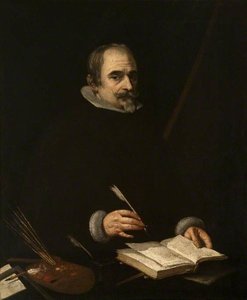
ビセンテ・カルドゥーチョ
1576 - 1638 , イタリア
基本情報
- Artistic Movement Or Style: スペイン・バロック
- Artists Or Movements Influenced By This Artist:
- ジョヴァンニ・リッチ
- ペドロ・オブレゴン
- Artists Who Influenced This Artist:
- ミケランジェロ
- カラヴァッジョ
- Date Of Birth: 1576年
- Date Of Death: 1638年
- Full Name: ビセンテ・カルドゥーチョ
- Nationality: イタリア/スペイン
- Notable Artworks:
- アキレウスの物語
- 聖ルチア
- 聖ブルノとの出会い
- Place Of Birth: イタリア、フィレンツェ
関連記事

The Dramatic Flourish: Exploring the Baroque Movement's Enduring Legacy in Art History
Explore the dramatic world of Baroque art! Discover iconic artists like Caravaggio & Rubens, defining techniques, and its lasting impact on art history. Expert insights for collectors & enthusiasts at ArtsDot.

バロックのドラマ:現代のインテリアに壮麗さと情感を取り込む
バロック様式の歴史、絵画、家具の魅力をご紹介。ArtsDotでは、高品質な油絵複製やカスタムポートレートをご提供し、現代のインテリアに壮麗さと情感を取り入れます。アートコンサルテーションも承ります。

The Visceral Stage: Exploring Dramatic Narratives & Emotional Intensity in Baroque Art
Explore the dramatic world of Baroque art! Discover iconic masters like Caravaggio & Rembrandt, their techniques, and the movement's lasting impact. Expert insights for collectors & enthusiasts at ArtsDot.

バロック美術を極めた至宝:時代を彩る10大名作の世界
バロック美術の華!カラヴァッジョ、ベルニーニら巨匠が創り上げた10大名作を徹底解剖。ドラマチックな色彩と豪華絢爛の世界観に触れ、至宝のアートプリントで空間を彩ろう。ArtsDot.comで美術館品質の複製と洗練されたインテリアを見つけましょう!

Theatricality & Triumph: Baroque Drama in Painting & Sculpture
Explore the dramatic world of Baroque art! Discover its history, defining characteristics, & lasting influence on painting & sculpture. Expert insights into Caravaggio, Zurbarán, and Bernini – plus high-quality reproductions at ArtsDot.

