

 プレビュー
プレビュー
 プリントを購入
 シェアする
シェアする シェアする
シェアする
 詳細を見る
詳細を見る

 ダウンロード
 似ている作品
 X線調査
X線調査 スライドショー
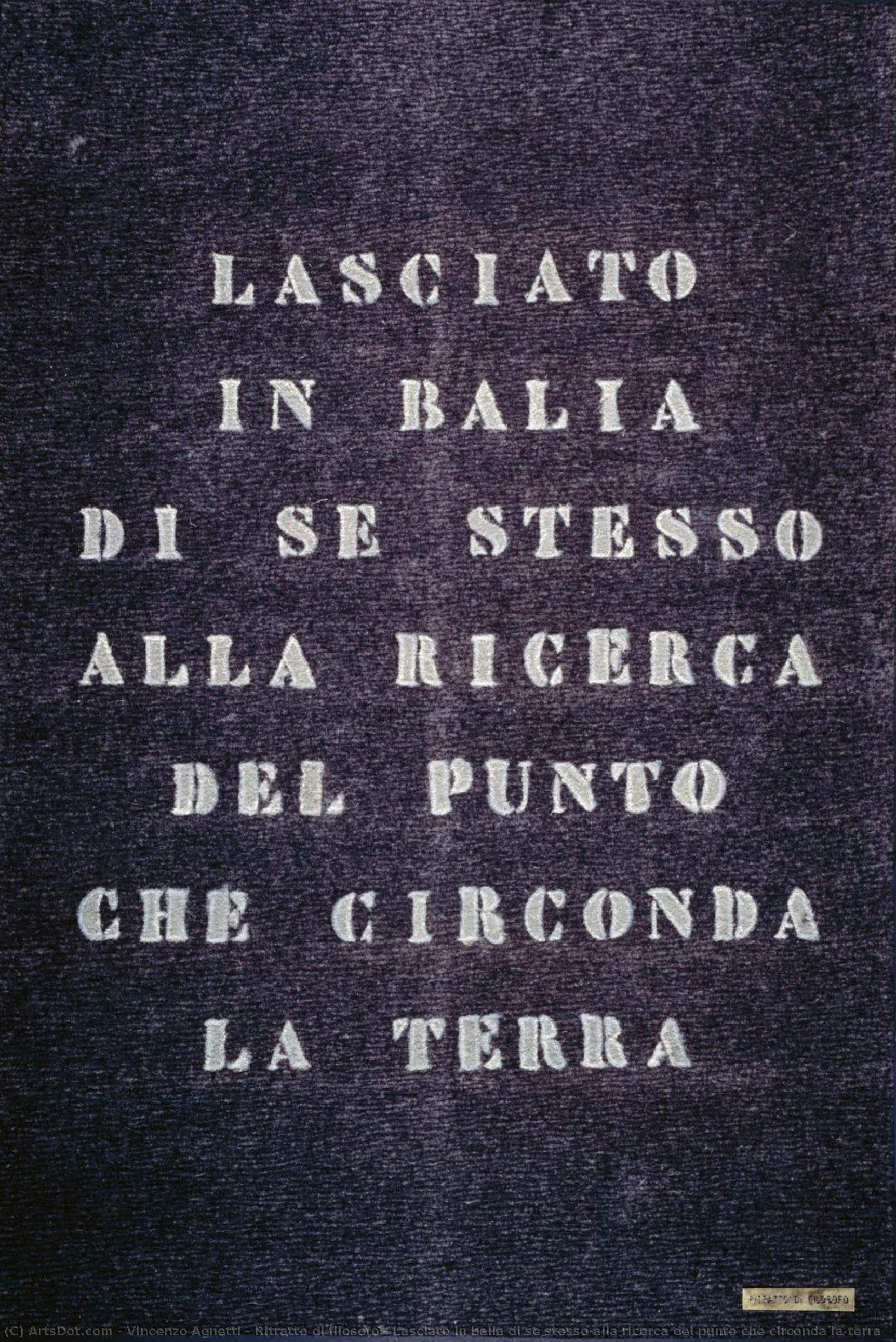
Ritratto di filosofo - Lasciato in balia di se stesso alla ricerca del punto che circonda la terra
 詳細を見る
詳細を見る




































作品のオリジナル比率に合わせた、当店の規定サイズからお選びください。

特定のフレームやスペースに合わせて、ご希望のサイズをご入力いただけます。選択されたサイズが元の画像の比率と異なる場合、アートワークをトリミングするか、手描きで要素を追加して絵画を拡張いたします。デジタルモックアップ を制作し、制作開始前にご確認(承認)をいただきます。
画面上のプレビューは、実際のトリミングや拡張を正確に反映しているものではありません。最終的な構図は、モックアップによってのみ正確にご確認いただけます。
カスタムサイズもご利用いただけますが、元の比率を維持するためには、あらかじめ用意されたリストからサイズを選択することをお勧めいたします。
ご注文後、ArtsDot.com チームより詳細な指示をお送りするとともに、仕上がりイメージ(モックアップ)をご提供いたします。


 ガラスオプションは、110cm未満のサイズでのみご利用いただけます。

Ritratto di filosofo - Lasciato in balia di se stesso alla ricerca del punto che circonda la terra
複製技法
複製画のサイズ
-


合計金額
$ 263
関連作品








アーティストの略歴
Early Life and Artistic Beginnings
Vincenzo Agnetti, born in Milan, Italy, in 1926, emerged from a post-war landscape grappling with reconstruction and a burgeoning desire to redefine artistic expression. His early life was steeped in the intellectual currents of a city rapidly modernizing yet deeply rooted in its historical past. While details surrounding his formal training remain somewhat elusive – a characteristic that would subtly mirror the conceptual nature of his later work – it’s clear he absorbed the prevailing atmosphere of experimentation and abstraction that permeated artistic circles in Milan during the 1950s. This period saw Italy shedding the vestiges of traditional academic styles, embracing new materials and challenging established notions of what constituted art. Agnetti's initial explorations were not immediately defined by a singular style; rather, they reflected a restless search for a visual language capable of articulating the complexities of the contemporary world. He wasn’t drawn to replicating reality but to questioning its very foundations, a tendency that would become central to his artistic identity.Association with Azimuth and Conceptual Shifts
The early 1960s proved pivotal for Agnetti as he became increasingly involved with the influential group Azimuth, alongside fellow artists Piero Manzoni and Enrico Castellani. This association was transformative, exposing him to radical ideas about art’s dematerialization and its potential to exist purely in the realm of thought and concept. Manzoni's provocative works – such as *Merda d'Artista* (Artist’s Dung) and his *Achromes* – directly challenged conventional definitions of artistic substance, while Castellani’s minimalist canvases explored the relationship between surface, form, and perception. Agnetti absorbed these influences but forged his own distinct path, turning towards language as a primary medium. He began to incorporate text into his works, not as descriptive elements but as autonomous entities capable of carrying meaning independent of visual representation. This marked a significant shift from traditional painting or sculpture toward conceptual art, where the idea behind the work superseded its physical manifestation.Language and Magnetism: A Unique Artistic Vocabulary
Agnetti’s mature work is characterized by his innovative use of language and, surprisingly, magnetism. He didn't simply *write* words on canvases; he deconstructed them, fragmented them, and reassembled them in ways that disrupted conventional syntax and meaning. Often, these textual elements were presented alongside magnetic fields, creating works where invisible forces interacted with the visible word. This exploration of magnetism wasn’t merely a formal device; it represented Agnetti's fascination with hidden energies, unseen structures, and the inherent instability of language itself. He believed that words, like magnetic forces, possessed an underlying power capable of influencing perception and challenging established systems of thought. His pieces often involved meticulously arranged letters or phrases on surfaces, subtly altered by the presence of magnets beneath, creating a dynamic interplay between order and chaos, visibility and invisibility. This unique combination of linguistic deconstruction and magnetic manipulation set him apart from his contemporaries.Major Achievements and Later Years
Throughout the 1960s and 70s, Agnetti exhibited extensively in Italy and internationally, gaining recognition for his conceptually rigorous and intellectually stimulating works. While he didn’t adhere to a single, easily definable style, his consistent exploration of language, perception, and hidden forces established him as a significant figure within the Italian art scene. He participated in numerous group exhibitions alongside prominent artists of the period and had several solo shows that showcased his evolving artistic vocabulary. His later work continued to refine these themes, delving deeper into the philosophical implications of communication and representation. He often questioned the authority of language itself, suggesting it was inherently flawed and incapable of fully capturing reality. Agnetti passed away in Milan in 1981, leaving behind a body of work that continues to challenge and provoke viewers today.Historical Significance and Legacy
Vincenzo Agnetti’s contribution to the development of conceptual art in Italy is undeniable. He wasn't simply following trends; he was actively shaping them, pushing the boundaries of artistic expression and questioning fundamental assumptions about the nature of art itself. His association with Azimuth placed him at the forefront of a generation that sought to dismantle traditional hierarchies and embrace new forms of creative inquiry.- His pioneering use of language as an autonomous medium paved the way for subsequent generations of artists exploring textual strategies.
- The integration of magnetism into his work remains a unique and compelling example of interdisciplinary experimentation.
- Agnetti’s conceptual rigor and intellectual depth continue to resonate with contemporary audiences interested in the philosophical implications of art, language, and perception.
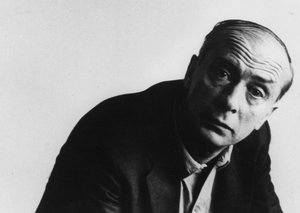
vincenzo agnetti
1926 - 1981 , Italy
基本情報
- Artistic Movement Or Style: Conceptual Art
- Artists Who Influenced This Artist:
- Piero Manzoni
- Enrico Castellani
- Date Of Birth: 1926
- Date Of Death: 1981
- Full Name: Vincenzo Agnetti
- Nationality: Italian
- Place Of Birth: Milan, Italy

