 プレビュー
プレビュー
 プリントを購入
 シェアする
シェアする シェアする
シェアする
 詳細を見る
詳細を見る

 ダウンロード
 似ている作品
 X線調査
X線調査 スライドショー
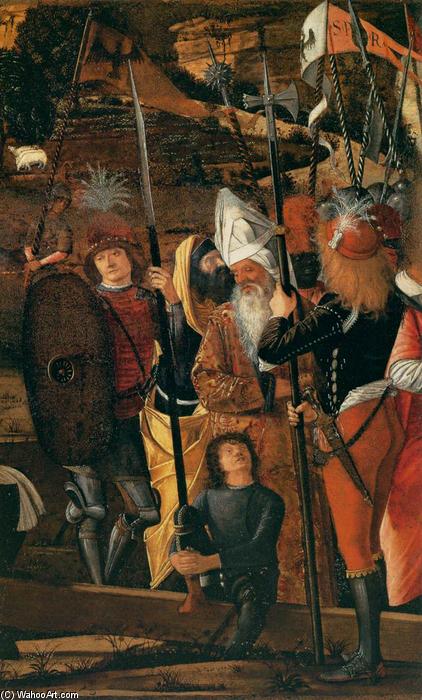
Group of Soldiers and Men in Oriental Costume
 Oil On Panel
- Early Renaissance
 1515
1515 68.0 x 42.0 cm
 ウフィツィ美術館
 詳細を見る
詳細を見る




P118B $10

P118H $10

P118W $10

P438Z $10

P508JH $12

P508YH $12

P805H $10

P805Z $10

P919BZ $10

P919G $10

P919XJ $10

P959ZH $10

P968JZ $12

W106C $8

W218G $10

W218JH $8

W218Y $10

W307PJ $10

W316G $10

W316PJ $8

W316Y $10

W398PJ $8

W4111J $10

W500HY $15

W500JH $15

W692G $12

W849H $8

W940BG $15

W953PJ $8




作品のオリジナル比率に合わせた、当店の規定サイズからお選びください。

特定のフレームやスペースに合わせて、ご希望のサイズをご入力いただけます。選択されたサイズが元の画像の比率と異なる場合、アートワークをトリミングするか、手描きで要素を追加して絵画を拡張いたします。デジタルモックアップ を制作し、制作開始前にご確認(承認)をいただきます。
画面上のプレビューは、実際のトリミングや拡張を正確に反映しているものではありません。最終的な構図は、モックアップによってのみ正確にご確認いただけます。
カスタムサイズもご利用いただけますが、元の比率を維持するためには、あらかじめ用意されたリストからサイズを選択することをお勧めいたします。
ご注文後、ArtsDot.com チームより詳細な指示をお送りするとともに、仕上がりイメージ(モックアップ)をご提供いたします。


 ガラスオプションは、110cm未満のサイズでのみご利用いただけます。

Group of Soldiers and Men in Oriental Costume
複製技法
複製画のサイズ
-


合計金額
$ 388
Group of Soldiers and Men in Oriental Costume
The artwork presents a captivating glimpse into the Venetian Renaissance, specifically circa 1515, through Vittore Carpaccio’s masterful depiction of “Group of Soldiers and Men in Oriental Costume.” This oil-on-panel painting transcends mere visual representation; it's an immersive narrative experience steeped in symbolism and informed by artistic influences prevalent during its time.- Overall Impression: The composition is dense with figures engaged in varied activities—marching, gesturing, observing—within a landscape subtly hinting at distant hills. Carpaccio’s style leans toward realism but incorporates stylized elements characteristic of the Venetian Renaissance, notably elaborate costumes and weaponry. Linear lines dominate, defining forms and outlining architectural details, while geometric shapes – shields, spears, helmets – contribute to structural integrity alongside organic forms in clothing and faces.
- Technique: Impasto techniques are skillfully employed, creating a textured surface that enhances volume and depth. The use of dramatic lighting casts strong shadows, emphasizing form and contributing to the painting’s solemn atmosphere. Perspective is flattened, aligning with artistic conventions of the era, though an attempt at spatial recession adds nuance.
- Color Palette: Warm tones—primarily reds, browns, and ochres—dominate the palette, fostering a sense of richness and conveying the seriousness of the depicted scene. These hues underscore the painting’s historical context and evoke emotions associated with pilgrimage or royal processions.
- Historical Context: Painted during Carpaccio's lifetime, this artwork reflects the artistic currents of Antonello da Messina and Early Netherlandish art—a fusion that distinguishes Carpaccio’s oeuvre from his contemporaries. The depiction of Roman soldiers alongside oriental figures speaks to burgeoning interest in exotic cultures during the Renaissance, mirroring broader intellectual explorations of the period.
- Symbolism: The attire and weaponry of the figures carry symbolic weight, suggesting a military or religious significance. Expressions convey seriousness and authority, hinting at apprehension—elements that invite contemplation on themes of duty, faith, and human vulnerability.
Detailed Analysis – Composition & Perspective
Carpaccio’s compositional choices prioritize hierarchy, placing the central figures prominently within the frame to command attention. The flattened perspective aligns with artistic traditions of earlier Renaissance painters, prioritizing clarity of form over illusionistic depth—a deliberate stylistic decision that reinforces the narrative intent. Careful consideration is given to spatial relationships, guiding the viewer's gaze and enhancing the dramatic impact of the scene.Material & Artistic Style
The painting utilizes oil on panel as its medium, demonstrating Carpaccio’s mastery of pigment blending and tonal gradation—techniques that contribute significantly to achieving a convincing illusion of light and shadow. The artist's meticulous attention to detail is evident in the rendering of architectural elements and facial expressions, reflecting the Venetian School’s commitment to realism while retaining stylistic conventions rooted in Northern European art traditions.The Legend of Saint Ursula Cycle
“Group of Soldiers and Men in Oriental Costume” stands as a fragment from Carpaccio's monumental “Legend of Saint Ursula,” a nine-painting cycle housed in the Gallerie dell’Accademia in Venice—a testament to his enduring legacy as one of the foremost narrative painters of his time. This masterpiece exemplifies Carpaccio’s ability to convey complex emotions and historical narratives through visual storytelling, cementing his place within the canon of Renaissance art.関連作品
アーティストの略歴
初期の生涯と修行
ヴィットーレ・カルパッチョは、1465年頃にヴェネツィアで生まれた著名なイタリアの画家です。彼は、ヴェネツィア派の名匠であるジェンティレ・ベリーニのもとで学びました。この徒弟制度が、カルパッチョの将来の成功の礎を築いたのです。芸術様式と影響
カルパッチョの様式は、その保守的な性質によって特徴づけられ、彼が生きた時代にイタリア・ルネサンス絵画を変貌させた人文主義的な潮流の影響を最小限に留めていました。彼の作品には、アントネロ・ダ・メシーナの様式と初期フランドル絵画の影響が見られます。この独自の様式の融合が、ヴェネツィア絵画に特有のアプローチを生み出したのです。代表作
- 9枚からなる連作『聖ウルズラの伝説』は、カルパッチョの最も有名な作品です。このシリーズは現在アカデミア美術館に所蔵されており、物語絵画における彼の熟練の技を見せています。
- 『聖ウルズラの栄光の祭壇画』(1491年)は、ジョヴァンニ・ベリーニの様式を彷彿とさせる光と色彩を捉えるカルパッチョの技術を示しています。
- 『リアルト橋の十字架の遺物の奇跡』(1494年)は、構図と物語性を調和させるカルパッチョの能力を際立たせています。
キャリアのハイライトと遺産
- カルパッチョの主要な作品群は1490年から1519年の間に制作され、彼をヴェネツィア・ルネサンス初期の巨匠の一人に位置づけています。
- 『セレニテスを洗礼する聖ゲオルギウス』に見られるように、彼のオリエンタリズム的な様式は、レバント地方への新たな魅了を反映しています。
- カルパッチョの作品は、同時代のジョヴァンニ・ベリーニやジョルジョネといった画家と比較すると、やや見過ごされがちです。
参考文献とさらなる読書
ヴィットーレ・カルパッチョとヴェネツィア派のさらなる詳細をArtsDotで発見してください。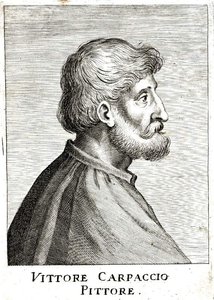
ヴィットーレ・カルパッチオ
1465 - 1526 , イタリア
基本情報
- Artistic Movement Or Style: 初期ヴェネツィア・ルネサンス
- Artists Or Movements Influenced By This Artist: ['初期ネーデルラント絵画']
- Artists Who Influenced This Artist:
- アントネロ・ダ・メッシーナ
- ジェンティレ・ベリーニ
- Date Of Birth: イタリア、ヴェネツィア(1465年頃)
- Date Of Death: 1526年
- Full Name: ヴィットーレ・カルパッチョ
- Nationality: イタリア人
- Notable Artworks:
- 聖ウルズラ伝説
- 聖ウルズラの栄光祭壇画
- リアルト橋の十字架の遺物の奇跡
- Place Of Birth: ヴェネツィア
関連記事
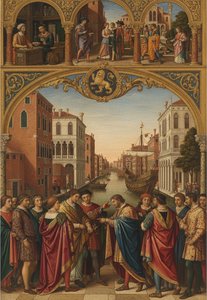
Vittore Carpaccio: Venetian Renaissance Narrative & the Poetics of Detail
Explore the captivating world of Vittore Carpaccio, a master storyteller of the Venetian Renaissance. Discover his intricate details, narrative cycles like 'The Legend of St. Ursula,' and unique artistic style.

The Enduring Legacy of Oil on Canvas: Technique, History & Aesthetic Impact
Explore the rich history & techniques of oil painting – from Renaissance masters to Impressionism. Discover pigments, layering methods, and why this timeless medium endures. Expert insights for artists & art enthusiasts.

Oil on Canvas: A Historical & Technical Exploration of a Timeless Artistic Medium
Explore the rich history & enduring techniques of oil painting on canvas. Discover the science behind its longevity, conservation practices, and contemporary relevance. Expert insights for art enthusiasts.

The Enduring Power of Painting: A Historical & Contemporary Exploration of Form and Emotion
Explore the rich history & enduring techniques of oil painting with ArtsDot. Discover masterpieces, learn about art collecting, and find authentic handmade reproductions crafted by skilled artists.
High Medieval Art: 10 Masterpieces That Shaped an Era | ArtsDot
Journey through High Medieval Art! Explore 10 iconic masterpieces – from Giotto's frescoes to stunning Gothic cathedrals. Discover the stories behind these timeless paintings, sculptures & illuminated manuscripts. Find museum-quality art reproductions at ArtsDot.com.