 プレビュー
プレビュー
 プリントを購入
 シェアする
シェアする シェアする
シェアする
 詳細を見る
詳細を見る

 ダウンロード
 似ている作品
 X線調査
X線調査 スライドショー
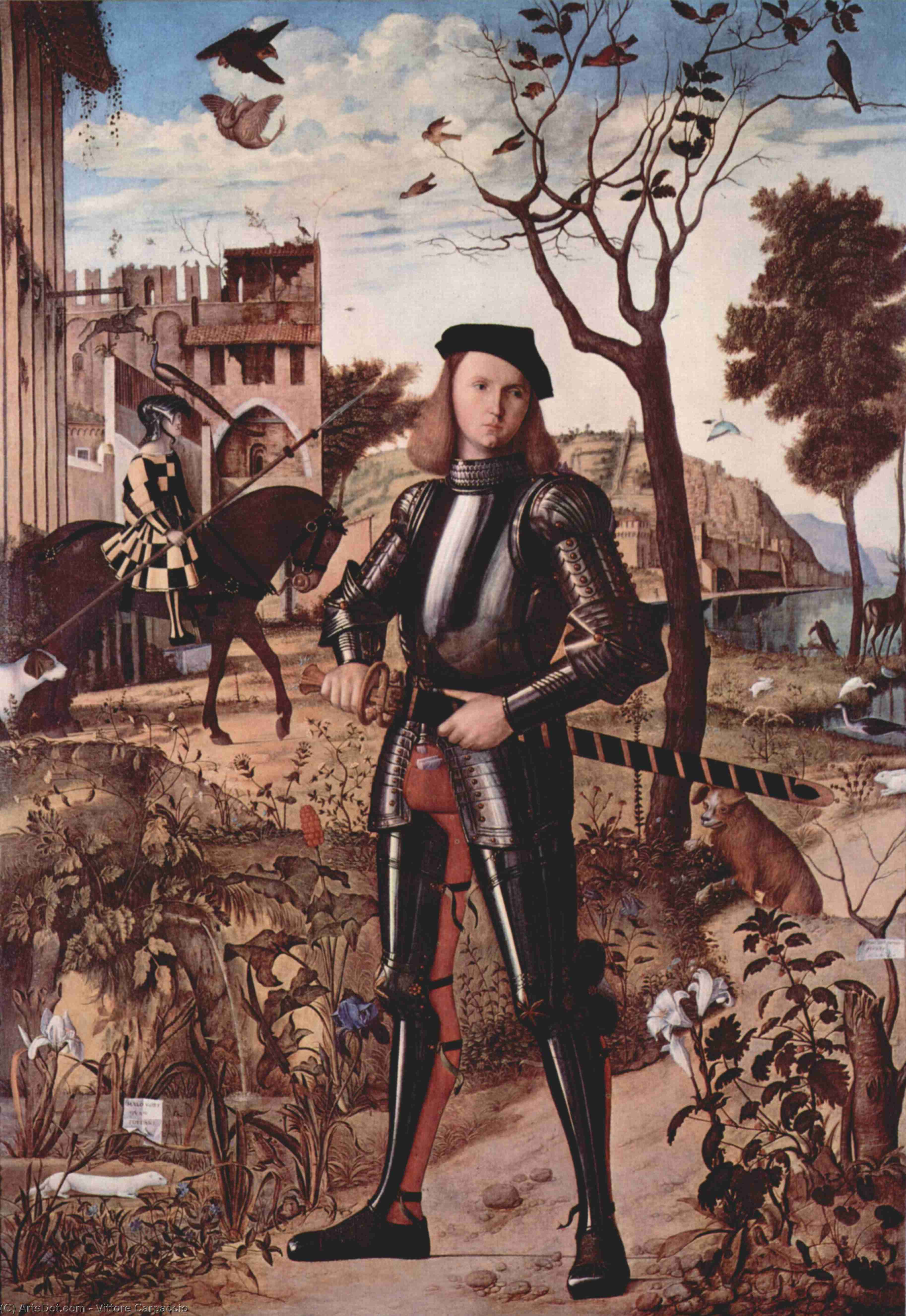
Portrait of a Knight
 Acrylic On Canvas
- WallArt
- Early Renaissance
 1510
1510 218.0 x 152.0 cm
 テイスセン・ボルネミスザ美術館
 詳細を見る
詳細を見る




P118B $10

P118H $10

P118W $10

P438Z $10

P508JH $12

P508YH $12

P805H $10

P805Z $10

P919BZ $10

P919G $10

P919XJ $10

P959ZH $10

P968JZ $12

W106C $8

W218G $10

W218JH $8

W218Y $10

W307PJ $10

W316G $10

W316PJ $8

W316Y $10

W398PJ $8

W4111J $10

W500HY $15

W500JH $15

W692G $12

W849H $8

W940BG $15

W953PJ $8




作品のオリジナル比率に合わせた、当店の規定サイズからお選びください。

特定のフレームやスペースに合わせて、ご希望のサイズをご入力いただけます。選択されたサイズが元の画像の比率と異なる場合、アートワークをトリミングするか、手描きで要素を追加して絵画を拡張いたします。デジタルモックアップ を制作し、制作開始前にご確認(承認)をいただきます。
画面上のプレビューは、実際のトリミングや拡張を正確に反映しているものではありません。最終的な構図は、モックアップによってのみ正確にご確認いただけます。
カスタムサイズもご利用いただけますが、元の比率を維持するためには、あらかじめ用意されたリストからサイズを選択することをお勧めいたします。
ご注文後、ArtsDot.com チームより詳細な指示をお送りするとともに、仕上がりイメージ(モックアップ)をご提供いたします。


 ガラスオプションは、110cm未満のサイズでのみご利用いただけます。

Portrait of a Knight
複製技法
複製画のサイズ
-


合計金額
$ 263
作品解説
A Silent Sentinel: Unveiling the Mysteries of Carpaccio’s “Young Knight”
Vittore Carpaccio's "Portrait of a Knight," painted around 1510, isn’t merely a depiction of armor and landscape; it’s a carefully constructed tableau brimming with symbolic weight and an enduring sense of quiet contemplation. This canvas, now residing within the hallowed halls of the Thyssen-Bornemisza Museum in Madrid, immediately draws the eye with its striking composition – a young knight, poised on a dirt road beneath a brooding sky, his gaze fixed towards an unseen horizon. Yet, it’s not simply a portrait; it's a layered narrative rendered in Carpaccio’s distinctive style, a blend of Northern European realism and Venetian artistic traditions that speaks volumes about the era and the man depicted.
Carpaccio, born in Venice around 1465, was a pivotal figure in the city’s vibrant art scene. He largely eschewed the flamboyant humanism sweeping through Italy at the time, instead favoring a more restrained approach, influenced heavily by Antonello da Messina and the early Netherlandish masters. This conservatism is evident here – the knight's face is rendered with meticulous detail, his armor gleaming under the diffused light, yet there’s an absence of dramatic gesture or emotional intensity often found in contemporary portraits. Instead, a profound stillness pervades the scene, inviting viewers to linger and decipher its hidden meanings.
Decoding the Symbols: A Landscape of Mortality
The painting's power lies not just in its technical skill but also in its rich tapestry of symbolism. The landscape itself is far from idyllic; a dark, foreboding forest presses close to the road, hinting at the dangers and uncertainties that lie ahead – a potent metaphor for life’s journey. A solitary heron, caught in the talons of a hawk, immediately suggests mortality and the inevitability of death, a theme frequently explored by Carpaccio. The presence of a short-tailed weasel nestled amongst the foliage further reinforces this idea, adding a touch of unsettling realism to the scene.
Adding another layer of intrigue is the inscription beside the weasel: “Malo mori quam foedari” – "Better to die than be defiled." This motto, associated with the Order of the Ermine, speaks to a knight’s unwavering honor and willingness to face death rather than compromise his integrity. The inclusion of this phrase elevates the portrait beyond a simple likeness, transforming it into a meditation on virtue, duty, and sacrifice.
A Knight Unidentified: The Enigmatic Subject
For centuries, the identity of the knight has remained one of art history’s most enduring mysteries. Initial attributions to Albrecht Dürer, fueled by a forged monogram, obscured Carpaccio's authorship for decades. Recent scholarship, however, increasingly points towards Francesco Maria I della Rovere, the Duke of Urbino, as the subject. The evidence rests on a confluence of factors: the knight’s age – aligning with the period when della Rovere was at the height of his power – and the symbolic resonance of certain elements within the landscape, particularly the presence of the Ermine Order.
The painting's composition—the solitary figure against a vast backdrop—suggests a man contemplating his legacy, perhaps even anticipating his own demise. It’s a poignant image, capturing not just a portrait but also a moment of quiet introspection within a world defined by conflict and ambition. The subtle details – the meticulously rendered armor, the watchful gaze, the ominous landscape – all contribute to this profound sense of melancholy and timelessness.
A Legacy in Color: Carpaccio’s Venetian Vision
Carpaccio's distinctive style is immediately recognizable through his masterful use of color. He employs a restrained palette—primarily muted browns, grays, and ochres—creating a somber yet captivating atmosphere. However, within this subdued range, he skillfully utilizes highlights to draw attention to key elements, such as the knight’s armor and the folds of his garments. This careful manipulation of light and shadow is characteristic of Carpaccio's approach, reflecting both his Venetian heritage and his admiration for the techniques of the Early Netherlandish masters.
関連作品
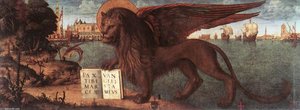
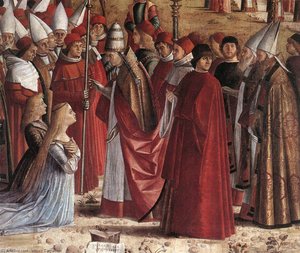
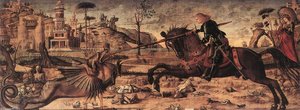
アーティストの略歴
初期の生涯と修行
ヴィットーレ・カルパッチョは、1465年頃にヴェネツィアで生まれた著名なイタリアの画家です。彼は、ヴェネツィア派の名匠であるジェンティレ・ベリーニのもとで学びました。この徒弟制度が、カルパッチョの将来の成功の礎を築いたのです。芸術様式と影響
カルパッチョの様式は、その保守的な性質によって特徴づけられ、彼が生きた時代にイタリア・ルネサンス絵画を変貌させた人文主義的な潮流の影響を最小限に留めていました。彼の作品には、アントネロ・ダ・メシーナの様式と初期フランドル絵画の影響が見られます。この独自の様式の融合が、ヴェネツィア絵画に特有のアプローチを生み出したのです。代表作
- 9枚からなる連作『聖ウルズラの伝説』は、カルパッチョの最も有名な作品です。このシリーズは現在アカデミア美術館に所蔵されており、物語絵画における彼の熟練の技を見せています。
- 『聖ウルズラの栄光の祭壇画』(1491年)は、ジョヴァンニ・ベリーニの様式を彷彿とさせる光と色彩を捉えるカルパッチョの技術を示しています。
- 『リアルト橋の十字架の遺物の奇跡』(1494年)は、構図と物語性を調和させるカルパッチョの能力を際立たせています。
キャリアのハイライトと遺産
- カルパッチョの主要な作品群は1490年から1519年の間に制作され、彼をヴェネツィア・ルネサンス初期の巨匠の一人に位置づけています。
- 『セレニテスを洗礼する聖ゲオルギウス』に見られるように、彼のオリエンタリズム的な様式は、レバント地方への新たな魅了を反映しています。
- カルパッチョの作品は、同時代のジョヴァンニ・ベリーニやジョルジョネといった画家と比較すると、やや見過ごされがちです。
参考文献とさらなる読書
ヴィットーレ・カルパッチョとヴェネツィア派のさらなる詳細をArtsDotで発見してください。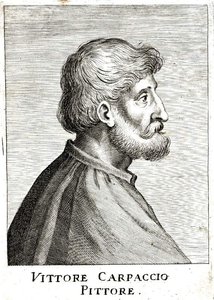
ヴィットーレ・カルパッチオ
1465 - 1526 , イタリア
基本情報
- Artistic Movement Or Style: 初期ヴェネツィア・ルネサンス
- Artists Or Movements Influenced By This Artist: ['初期ネーデルラント絵画']
- Artists Who Influenced This Artist:
- アントネロ・ダ・メッシーナ
- ジェンティレ・ベリーニ
- Date Of Birth: イタリア、ヴェネツィア(1465年頃)
- Date Of Death: 1526年
- Full Name: ヴィットーレ・カルパッチョ
- Nationality: イタリア人
- Notable Artworks:
- 聖ウルズラ伝説
- 聖ウルズラの栄光祭壇画
- リアルト橋の十字架の遺物の奇跡
- Place Of Birth: ヴェネツィア
関連記事
Vittore Carpaccio: Venetian Renaissance Narrative & the Poetics of Detail
Explore the captivating world of Vittore Carpaccio, a master storyteller of the Venetian Renaissance. Discover his intricate details, narrative cycles like 'The Legend of St. Ursula,' and unique artistic style.
Daniel Ridgway Knight: A Study in Victorian Genre Painting & Rural Idealism
Explore the captivating world of Daniel Ridgway Knight, a master of Victorian genre painting. Discover his serene rural scenes, realistic technique & lasting influence on American Impressionism. Learn about his life, art, and collectibility.
Dame Laura Knight: Reclaiming the Female Gaze in Modern British Art
Explore the life & work of Dame Laura Knight, a pioneering British artist who challenged conventions with her vibrant depictions of theatre, ballet, and wartime scenes. Discover her feminist legacy & artistic innovations.

Hablot Knight Browne: Phiz & the Victorian Social Canvas – A Critical Legacy
Explore the life & art of Hablot Knight Browne ('Phiz'), Dickens's iconic illustrator. Discover his masterful social commentary, technical innovations, and enduring legacy in Victorian illustration. A critical examination for history lovers.
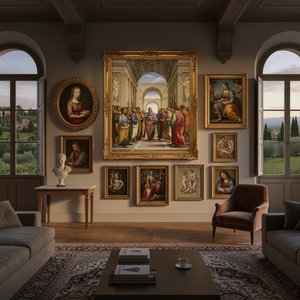
ラファエロ傑作25選:ルネサンス巨匠の物語と芸術の世界 | ArtsDot
ラファエロの傑作25選🎨 ルネサンス巨匠の物語と芸術の世界を紐解きます。美しい絵画複製や壁掛けアートで、お部屋に名画の彩りを。ArtsDot.comで、美術史に残る作品群をご覧ください✨