 プレビュー
プレビュー
 シェアする
シェアする シェアする
シェアする
 詳細を見る
詳細を見る

 ダウンロード
 似ている作品
 X線調査
X線調査 スライドショー
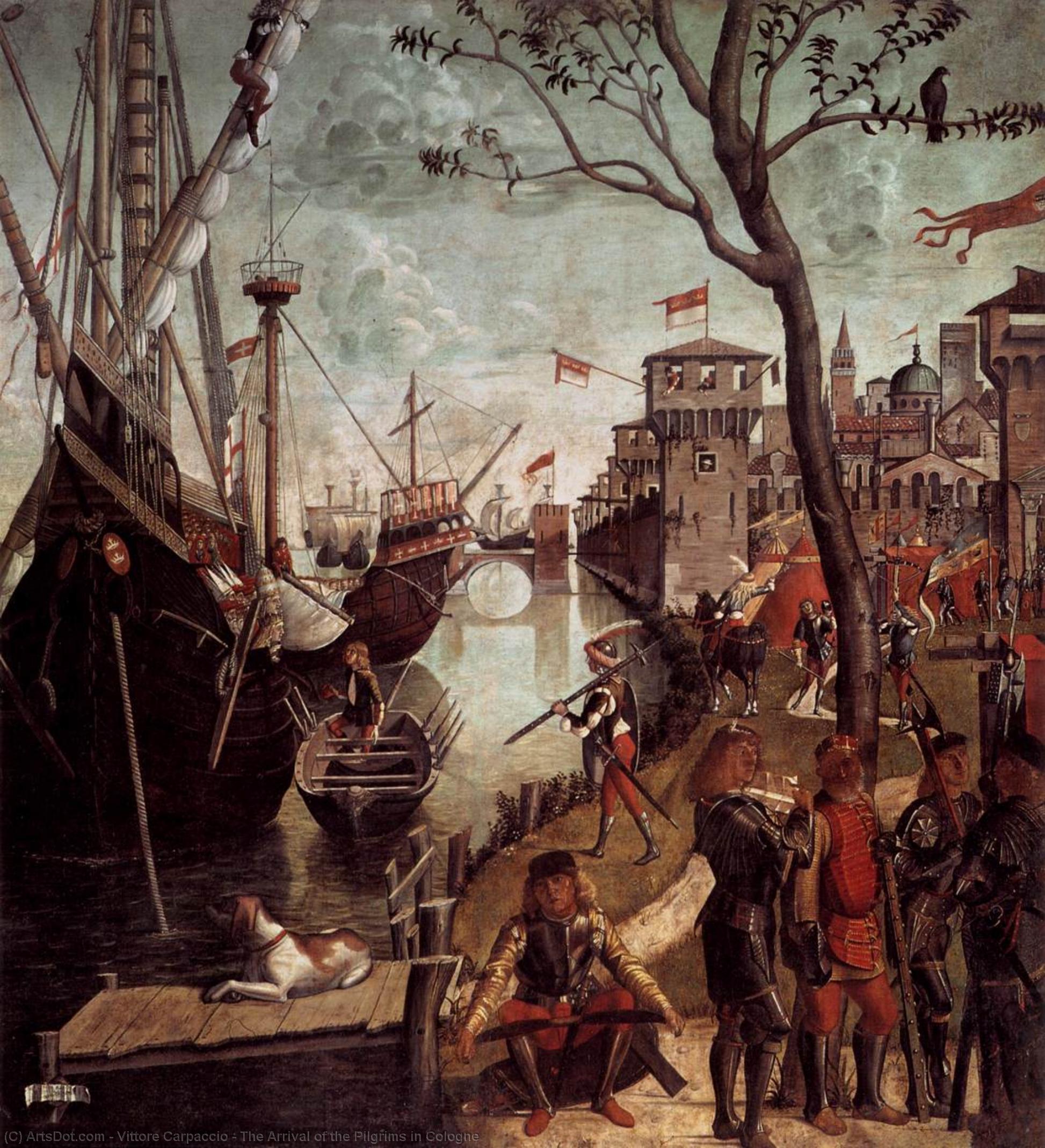
The Arrival of the Pilgrims in Cologne
 Acrylic On Canvas
- WallArt
- Venetian Renaissance
 1490
1490 280.0 x 255.0 cm
 Gallerie dell’Accademia
 詳細を見る
詳細を見る
ジークレー/アートプリント
迅速な制作と多彩な仕上げオプションを備えた、ミュージアムクオリティのジークレーまたはキャンバスプリント。 ( 手描きの絵画を購入 画像を購入)




P118B $10

P118H $10

P118W $10

P438Z $10

P508JH $12

P508YH $12

P805H $10

P805Z $10

P919BZ $10

P919G $10

P919XJ $10

P959ZH $10

P968JZ $12

W106C $8

W218G $10

W218JH $8

W218Y $10

W307PJ $10

W316G $10

W316PJ $8

W316Y $10

W398PJ $8

W4111J $10

W500HY $15

W500JH $15

W692G $12

W849H $8

W940BG $15

W953PJ $8




作品のオリジナル比率に合わせた、当店の規定サイズからお選びください。

特定のフレームやスペースに合わせて、ご自身でサイズを指定することも可能です。選択されたサイズが元の画像の比率と一致しない場合、作品をトリミングするか、鏡面反射または単色での塗りつぶしによって画像を拡張いたします。制作を開始する前に、ご確認用のデジタルモックアップをお送りいたします。
画面上のプレビューには、実際のトリミングや拡張は反映されませんのでご注意ください。最終的な構図を正確に確認できるのは、モックアップのみとなります。
カスタムサイズも承っておりますが、元の比率を維持するためには、あらかじめ用意されたリストからサイズを選択することをお勧めいたします。


 ガラスオプションは、110cm未満のサイズでのみご利用いただけます。

The Arrival of the Pilgrims in Cologne
ジークレー/アートプリント
複製画のサイズ
-


合計金額
$ 62
作品詳細説明
A Chronicle of Faith and Journey: Exploring Carpaccio’s “Arrival of the Pilgrims in Cologne”
Vittore Carpaccio's "The Arrival of the Pilgrims in Cologne," painted around 1490, isn’t merely a depiction of a historical event; it’s a meticulously crafted narrative brimming with symbolism and reflecting the complex spiritual landscape of late Renaissance Venice. This monumental work, now housed within the Gallerie dell’Accademia, transports us to a pivotal moment – the arrival of pilgrims in Cologne, seeking the relics of Saint Ursula. More than just a scene of travel, it's a carefully orchestrated tableau of faith, diplomacy, and impending tragedy, rendered with Carpaccio’s signature blend of meticulous detail and dramatic storytelling.
The painting immediately captivates with its vibrant palette and dynamic composition. Carpaccio eschews the idealized beauty favored by some of his contemporaries, opting instead for a grounded realism that emphasizes texture, light, and shadow. The scene unfolds within an open pavilion, bathed in the diffused glow of a misty morning – a detail evocative of Venice itself, subtly grounding the fantastical elements within a recognizable setting. The figures are not presented as heroic saints but as ordinary people engaged in extraordinary circumstances, their faces etched with a mixture of anticipation, solemnity, and perhaps even apprehension. The use of perspective is masterful, drawing the eye through the crowded scene towards the central action: the exchange between the Breton envoys and the representatives of Cologne.
The Layers of Narrative: Symbolism and Historical Context
Carpaccio’s work draws heavily from Jacobus de Voragine's *Golden Legend*, a collection of hagiographies that profoundly influenced Venetian art. The story of Saint Ursula, a virgin princess who died alongside her eleven thousand companions in the 5th century, was particularly popular during this period. The painting isn’t simply recounting the arrival; it’s illustrating the complex political and religious negotiations surrounding the pilgrimage – a marriage alliance between Brittany and the pagan kingdom of Cologne. The envoys, clad in richly colored robes, represent the diplomatic mission, while the figures on the left depict the Breton court, highlighting the importance of this union for both kingdoms.
Beyond the immediate narrative, the painting is rich with symbolic details. The presence of the didascalos – a figure resembling the Renaissance humanist Ermolao Barbaro – suggests the role of interpretation and explanation within the context of religious storytelling. The ships in the distance, the city walls of Cologne, and even the arrangement of figures all contribute to a layered visual language that invites contemplation. The scene’s setting itself—a blend of Venetian architecture and imagined landscapes—reflects Venice's position as a crossroads of cultures and commerce during the Renaissance.
Carpaccio’s Technique: A Masterclass in Detail and Drama
What distinguishes Carpaccio’s work is his extraordinary attention to detail. Every garment, every facial expression, every architectural element is rendered with painstaking precision. He employs a technique known as *disegno*, prioritizing the preparatory drawing before applying paint, resulting in remarkably accurate depictions of form and space. The figures are not merely sketched; they are sculpted with an almost photographic realism. This meticulous approach contrasts sharply with the looser brushwork often found in contemporary Venetian painting, highlighting Carpaccio’s unique artistic vision.
Furthermore, Carpaccio masterfully manipulates light and shadow to create a sense of drama and depth. The diffused morning light casts long shadows across the pavilion, emphasizing the figures' forms and creating a palpable atmosphere of anticipation. The use of color is equally deliberate, with rich reds and blues dominating the scene, drawing attention to key elements and adding visual interest. This combination of meticulous detail and dramatic lighting elevates “The Arrival of the Pilgrims in Cologne” beyond a simple historical depiction—it becomes a powerful meditation on faith, diplomacy, and the human condition.
A Legacy of Narrative: Reproductions and Artistic Inspiration
Today, "The Arrival of the Pilgrims in Cologne" stands as a testament to Carpaccio’s artistic genius. Reproductions offer an accessible way to experience this monumental work, allowing viewers to appreciate its intricate details and profound symbolism. Whether adorning a grand salon or a smaller study, a high-quality reproduction can evoke the same sense of wonder and contemplation that captivated audiences in 15th-century Venice. Carpaccio’s legacy continues to inspire artists and designers alike, reminding us of the power of narrative painting to transport us across time and space.
関連作品

アーティストの略歴
初期の生涯と修行
ヴィットーレ・カルパッチョは、1465年頃にヴェネツィアで生まれた著名なイタリアの画家です。彼は、ヴェネツィア派の名匠であるジェンティレ・ベリーニのもとで学びました。この徒弟制度が、カルパッチョの将来の成功の礎を築いたのです。芸術様式と影響
カルパッチョの様式は、その保守的な性質によって特徴づけられ、彼が生きた時代にイタリア・ルネサンス絵画を変貌させた人文主義的な潮流の影響を最小限に留めていました。彼の作品には、アントネロ・ダ・メシーナの様式と初期フランドル絵画の影響が見られます。この独自の様式の融合が、ヴェネツィア絵画に特有のアプローチを生み出したのです。代表作
- 9枚からなる連作『聖ウルズラの伝説』は、カルパッチョの最も有名な作品です。このシリーズは現在アカデミア美術館に所蔵されており、物語絵画における彼の熟練の技を見せています。
- 『聖ウルズラの栄光の祭壇画』(1491年)は、ジョヴァンニ・ベリーニの様式を彷彿とさせる光と色彩を捉えるカルパッチョの技術を示しています。
- 『リアルト橋の十字架の遺物の奇跡』(1494年)は、構図と物語性を調和させるカルパッチョの能力を際立たせています。
キャリアのハイライトと遺産
- カルパッチョの主要な作品群は1490年から1519年の間に制作され、彼をヴェネツィア・ルネサンス初期の巨匠の一人に位置づけています。
- 『セレニテスを洗礼する聖ゲオルギウス』に見られるように、彼のオリエンタリズム的な様式は、レバント地方への新たな魅了を反映しています。
- カルパッチョの作品は、同時代のジョヴァンニ・ベリーニやジョルジョネといった画家と比較すると、やや見過ごされがちです。
参考文献とさらなる読書
ヴィットーレ・カルパッチョとヴェネツィア派のさらなる詳細をArtsDotで発見してください。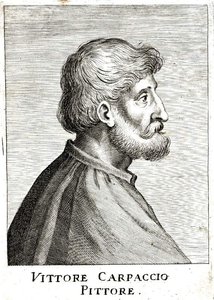
ヴィットーレ・カルパッチオ
1465 - 1526 , イタリア
基本情報
- Artistic Movement Or Style: 初期ヴェネツィア・ルネサンス
- Artists Or Movements Influenced By This Artist: ['初期ネーデルラント絵画']
- Artists Who Influenced This Artist:
- アントネロ・ダ・メッシーナ
- ジェンティレ・ベリーニ
- Date Of Birth: イタリア、ヴェネツィア(1465年頃)
- Date Of Death: 1526年
- Full Name: ヴィットーレ・カルパッチョ
- Nationality: イタリア人
- Notable Artworks:
- 聖ウルズラ伝説
- 聖ウルズラの栄光祭壇画
- リアルト橋の十字架の遺物の奇跡
- Place Of Birth: ヴェネツィア
関連記事
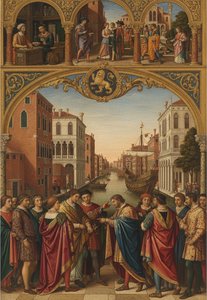
Vittore Carpaccio: Venetian Renaissance Narrative & the Poetics of Detail
Explore the captivating world of Vittore Carpaccio, a master storyteller of the Venetian Renaissance. Discover his intricate details, narrative cycles like 'The Legend of St. Ursula,' and unique artistic style.
High Medieval Art: 10 Masterpieces That Shaped an Era | ArtsDot
Journey through High Medieval Art! Explore 10 iconic masterpieces – from Giotto's frescoes to stunning Gothic cathedrals. Discover the stories behind these timeless paintings, sculptures & illuminated manuscripts. Find museum-quality art reproductions at ArtsDot.com.
Late Medieval Masterpieces: 10 Artworks That Defined an Era | ArtsDot
Journey through 10 defining Late Medieval masterpieces – from Giotto's frescoes to Jan van Eyck’s realism. Explore the stories, techniques & vibrant colors of Gothic art. Find museum-quality reproductions and elevate your home decor with ArtsDot.com! Discover all masterpieces on ArtsDot.com
Early Medieval Art: 10 Masterpieces That Shaped a New World | ArtsDot
Journey through 10 stunning Early Medieval masterpieces – from the Book of Kells to Carolingian mosaics. Explore art history, symbolism & find museum-quality reproductions for your home at ArtsDot.com. Discover all masterpieces online!
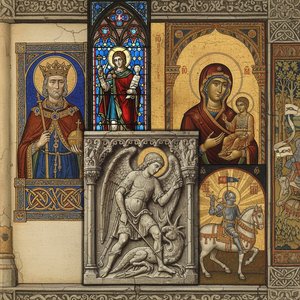
Illuminating Faith & Power: A Journey Through Medieval Art (c. 500 – c. 1500)
Explore the rich history of Medieval Art (c. 500 – c. 1500) with ArtsDot. Discover Byzantine mosaics, Gothic cathedrals & Renaissance masterpieces. Expert insights & museum-quality reproductions.