

 プレビュー
プレビュー
 プリントを購入
 シェアする
シェアする シェアする
シェアする
 詳細を見る
詳細を見る

 ダウンロード
 似ている作品
 X線調査
X線調査 スライドショー
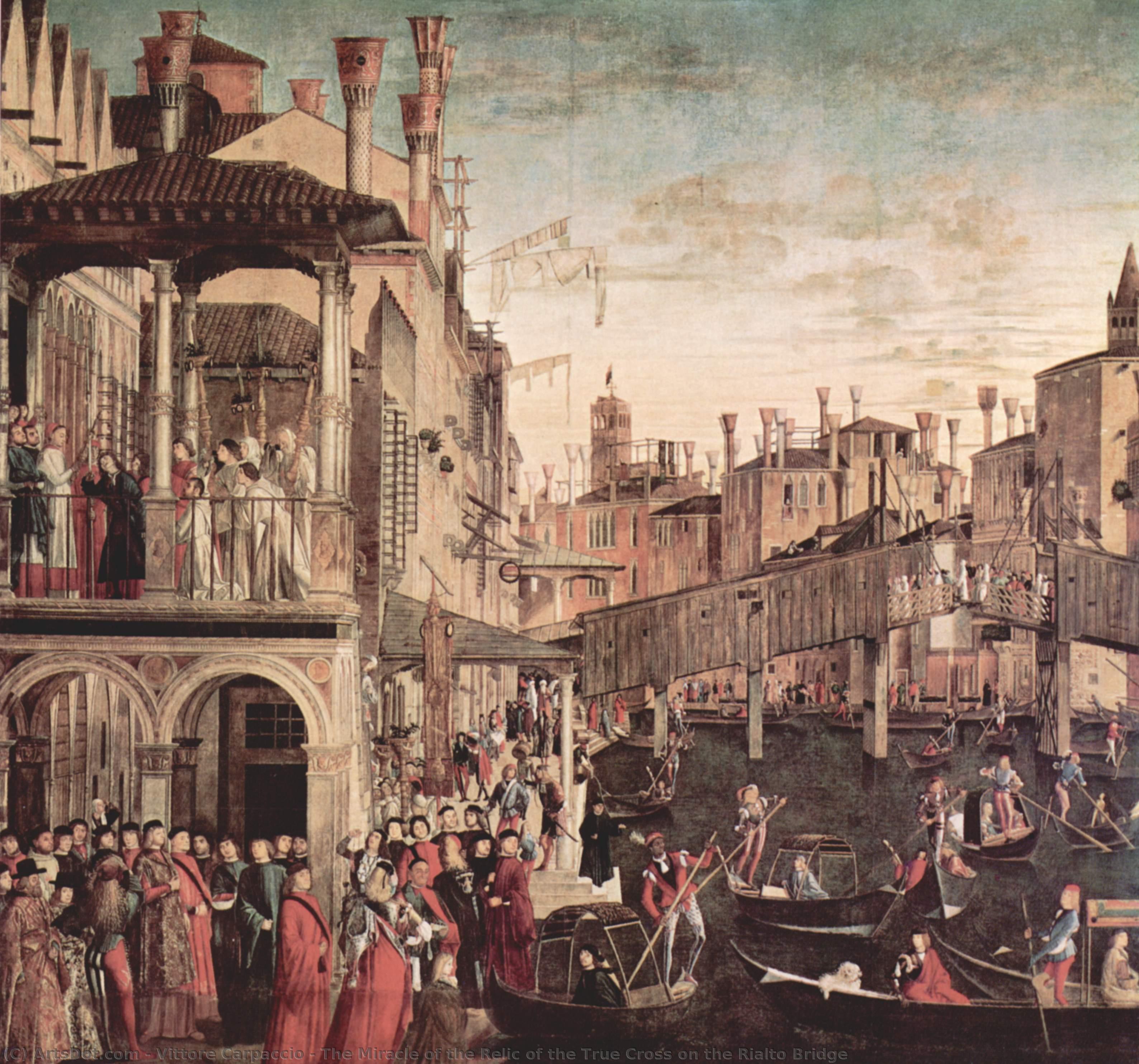
The Miracle of the Relic of the True Cross on the Rialto Bridge
 Acrylic On Canvas
- WallArt
- High Renaissance
 1494
1494 365.0 x 389.0 cm
 Gallerie dell’Accademia
 詳細を見る
詳細を見る
オンラインプレビューをはるかに凌ぐ、高解像度で鮮明なデジタル画像をご購入いただけます。
各ファイルは、社内の専門家が高度なツールと熟練した手作業によるレタッチを用いて、細心の注意を払って準備されています。すべての画像において、卓越した鮮明度、正確な色彩再現性、そして繊細なディテールを保証いたします。
最終ファイルは、プロフェッショナルな編集・印刷環境ですぐにご利用いただけるよう最適化された状態で、72時間以内にメールにてお届けいたします。これは、一流のデザインスタジオ、出版社、ギャラリーから信頼されているものと同等の品質です。
デジタル画像のご注文に付随する特典
高品質なデジタル画像配信を、確かな品質で。
ArtsDot.com を選ぶことは、単に画像を手に入れることではありません。それは、プロの手によって精密に仕上げられ、満足保証が付いた高品質なデジタルアートワークを受け取ることを意味します。ご注文いただいた際に自動的に付随する内容は、以下の通りです:

メールですぐにお届け
ご注文から72時間以内に、高解像度のデジタル画像ファイルがメールでお手元に届きます。すぐにそのままご利用いただけます。

AI技術で最適化されたデジタルファイル
お客様の作品は、高度なAIツールと専門家による手作業の編集を組み合わせてプロフェッショナルに最適化されており、細部のディテール、鮮明さ、そして正確な色再現性を最大限に引き出しています。

一生涯無料の再送サービス
ファイルを誤って削除したり、紛失してしまったりしましたか?ご安心ください。いつでも無料で再送いたします。

輸入手数料は一切かかりません
関税や手数料、配送料を気にすることなく、お気に入りのアートワークをすぐにお楽しみいただけます。デジタルダウンロードは常に免税です。

色彩再現の保証
プロ仕様のツールとカラーマネジメント技術を用いることで、デジタル画像が元の色を最大限に忠実に再現することを保証いたします。

60日間満足保証
ご購入いただいたデジタル画像にご満足いただけない場合は、60日以内であれば、修正または100%の返金(理由を問う必要はありません)をさせていただきます。

100% 返金保証
ご満足いただけない場合は、デジタルファイルを受け取ってから60日以内であれば、理由を問わず全額返金いたします。

まとめ買い割引
3枚購入で10%OFF - 5枚購入で15%OFF - 10枚以上購入で20%OFF。クリエイティブなプロジェクト、ギャラリー、エージェンシーに最適です。
The Miracle of the True Cross at Rialto’s Heart
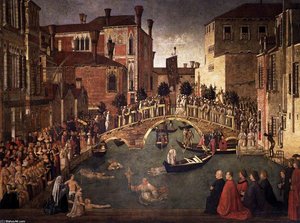
Vittore Carpaccio's “Miracle of the Relic of the True Cross at the Ponte di Rialto,” painted in 1496, isn’t merely a depiction of a Venetian street scene; it’s a vibrant snapshot of a city pulsating with faith, commerce, and the everyday drama of life. The painting, now residing within the Gallerie dell'Accademia in Venice, immediately draws the eye into a bustling marketplace, dominated by the iconic Rialto Bridge – a symbol not just of Venetian engineering but also of its position as a crucial crossroads between East and West. Yet, amidst the lively activity—the merchants hawking their wares, the elegantly dressed patricians strolling along the canal, and the boisterous gondoliers navigating the waterways—a smaller, more intimate scene unfolds in the lower left corner: the miraculous healing of a possessed man through the touch of a splinter from the True Cross. This juxtaposition is key to understanding Carpaccio’s masterful storytelling – he seamlessly blends the sacred and secular, inviting us to contemplate the intersection of divine intervention and human experience within the fabric of daily life.
Carpaccio's style, deeply rooted in the early Renaissance, reveals a fascinating blend of influences. He was apprenticed to Gentile Bellini, a master known for his dramatic narratives and rich color palettes, but he also absorbed elements from the more restrained and precise techniques of Antonello da Messina, a pioneer of oil painting in Venice. This combination results in an image that is both emotionally charged and meticulously rendered. The figures are not idealized; they possess a palpable sense of realism, reflecting Carpaccio’s keen observation of Venetian society. His use of perspective, though not entirely groundbreaking for the time, creates a convincing illusion of depth, drawing us into the heart of the scene. The color scheme is dominated by warm reds and golds – colors associated with piety and wealth – contrasted against the cool blues and greens of the canal and surrounding buildings, further emphasizing the contrast between the earthly and the divine.
A Window into Renaissance Venice
To truly appreciate “Miracle of the True Cross,” it’s essential to understand the context in which it was created. Venice in 1496 was a city at the height of its power and prosperity, a global trading hub connecting Europe with Asia, Africa, and the Middle East. The Rialto Bridge itself was the center of this bustling commerce, a symbol of Venetian ingenuity and economic dominance. The presence of diverse populations – merchants from across Europe, Arab traders, African slaves, and even travelers from distant lands – created a remarkably cosmopolitan atmosphere. Carpaccio’s painting captures this vibrant diversity with remarkable detail, depicting individuals from various social classes and ethnicities interacting within the same scene. The inclusion of Black gondoliers, for example, highlights Venice's complex relationship with slavery—a dark undercurrent beneath the city’s glittering façade.
The miracle itself – the healing of a possessed man through the touch of a splinter from the True Cross – was a deeply significant event in Venetian religious life. The relic was venerated throughout the city, and its purported power to cure illness and exorcise demons fueled countless miracles and pilgrimages. Carpaccio’s painting isn't simply illustrating a biblical story; it’s reflecting the fervent piety of the Venetian people and their belief in the tangible presence of God in their daily lives. The scene is imbued with a sense of urgency and drama, as the possessed man writhes on the ground while the patriarch bestows the miraculous splinter. The expressions on the faces of the onlookers – ranging from awe to skepticism – reveal the diverse range of beliefs and attitudes within Venetian society.
Symbolism and Emotional Resonance
Beyond its historical context, “Miracle of the True Cross” is rich in symbolism. The True Cross itself represents sacrifice, redemption, and the triumph over death—central themes in Christian theology. The splinter, a small fragment of this sacred relic, embodies divine power and healing. The setting – the bustling Rialto Bridge – symbolizes the intersection of faith and commerce, highlighting the idea that God’s grace can be found even within the most earthly of circumstances. The painting's composition—with its dynamic movement and carefully arranged figures—creates a sense of visual excitement and invites the viewer to become an active participant in the scene.
The emotional impact of “Miracle of the True Cross” is profound. It’s not a sentimental or overly dramatic depiction of faith; rather, it captures the raw intensity of human experience – suffering, hope, and the possibility of redemption. The painting evokes a sense of wonder and mystery, prompting us to contemplate the nature of miracles and their place in our own lives. It's a testament to Carpaccio’s skill as a storyteller—his ability to capture not just the visual details of a scene but also its emotional essence. Reproductions of this masterpiece continue to resonate with viewers today, offering a glimpse into the vibrant and complex world of Renaissance Venice.
関連作品
作家の略歴
初期の生涯と修行
ヴィットーレ・カルパッチョは、1465年頃にヴェネツィアで生まれた著名なイタリアの画家です。彼は、ヴェネツィア派の名匠であるジェンティレ・ベリーニのもとで学びました。この徒弟制度が、カルパッチョの将来の成功の礎を築いたのです。芸術様式と影響
カルパッチョの様式は、その保守的な性質によって特徴づけられ、彼が生きた時代にイタリア・ルネサンス絵画を変貌させた人文主義的な潮流の影響を最小限に留めていました。彼の作品には、アントネロ・ダ・メシーナの様式と初期フランドル絵画の影響が見られます。この独自の様式の融合が、ヴェネツィア絵画に特有のアプローチを生み出したのです。代表作
- 9枚からなる連作『聖ウルズラの伝説』は、カルパッチョの最も有名な作品です。このシリーズは現在アカデミア美術館に所蔵されており、物語絵画における彼の熟練の技を見せています。
- 『聖ウルズラの栄光の祭壇画』(1491年)は、ジョヴァンニ・ベリーニの様式を彷彿とさせる光と色彩を捉えるカルパッチョの技術を示しています。
- 『リアルト橋の十字架の遺物の奇跡』(1494年)は、構図と物語性を調和させるカルパッチョの能力を際立たせています。
キャリアのハイライトと遺産
- カルパッチョの主要な作品群は1490年から1519年の間に制作され、彼をヴェネツィア・ルネサンス初期の巨匠の一人に位置づけています。
- 『セレニテスを洗礼する聖ゲオルギウス』に見られるように、彼のオリエンタリズム的な様式は、レバント地方への新たな魅了を反映しています。
- カルパッチョの作品は、同時代のジョヴァンニ・ベリーニやジョルジョネといった画家と比較すると、やや見過ごされがちです。
参考文献とさらなる読書
ヴィットーレ・カルパッチョとヴェネツィア派のさらなる詳細をArtsDotで発見してください。
ヴィットーレ・カルパッチオ
1465 - 1526 , イタリア
プロフィール概要
- Artistic Movement Or Style: 初期ヴェネツィア・ルネサンス
- Artists Or Movements Influenced By This Artist: ['初期ネーデルラント絵画']
- Artists Who Influenced This Artist:
- アントネロ・ダ・メッシーナ
- ジェンティレ・ベリーニ
- Date Of Birth: イタリア、ヴェネツィア(1465年頃)
- Date Of Death: 1526年
- Full Name: ヴィットーレ・カルパッチョ
- Nationality: イタリア人
- Notable Artworks:
- 聖ウルズラ伝説
- 聖ウルズラの栄光祭壇画
- リアルト橋の十字架の遺物の奇跡
- Place Of Birth: ヴェネツィア

