

 プレビュー
プレビュー
 プリントを購入
 シェアする
シェアする シェアする
シェアする
 詳細を見る
詳細を見る

 ダウンロード
 似ている作品
 X線調査
X線調査 スライドショー
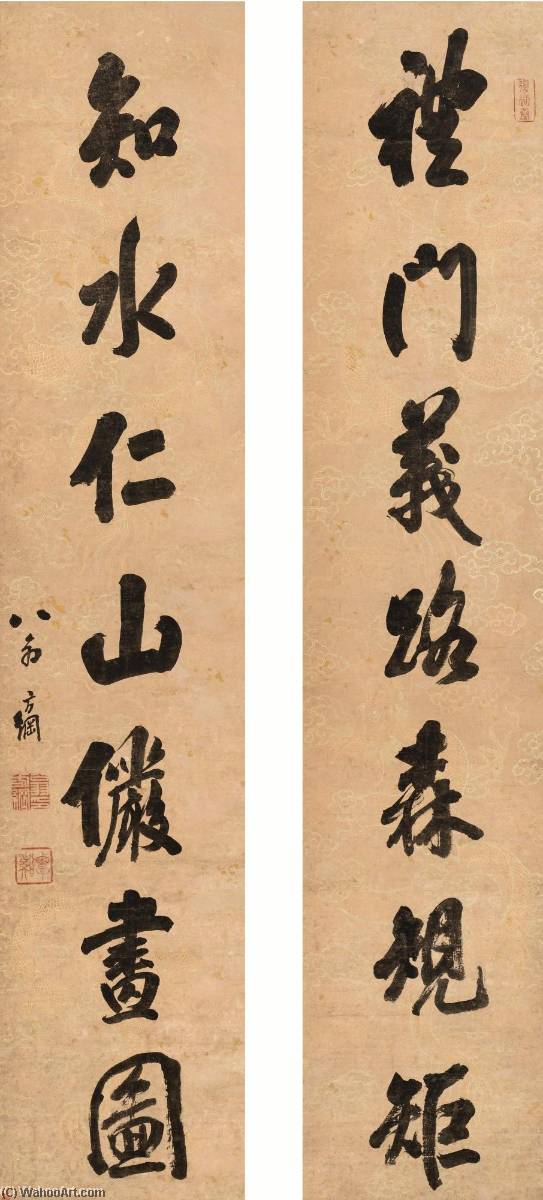
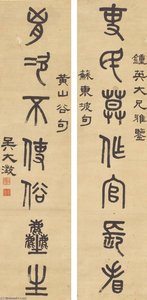
Calligraphy Couplet in Xingshu
 Chinese Calligraphy
 167.0 x 37.0 cm
 詳細を見る
詳細を見る
オンラインプレビューをはるかに凌ぐ、高解像度で鮮明なデジタル画像をご購入いただけます。
各ファイルは、社内の専門家が高度なツールと熟練した手作業によるレタッチを用いて、細心の注意を払って準備されています。すべての画像において、卓越した鮮明度、正確な色彩再現性、そして繊細なディテールを保証いたします。
最終ファイルは、プロフェッショナルな編集・印刷環境ですぐにご利用いただけるよう最適化された状態で、72時間以内にメールにてお届けいたします。これは、一流のデザインスタジオ、出版社、ギャラリーから信頼されているものと同等の品質です。
デジタル画像のご注文に付随する特典
高品質なデジタル画像配信を、確かな品質で。
ArtsDot.com を選ぶことは、単に画像を手に入れることではありません。それは、プロの手によって精密に仕上げられ、満足保証が付いた高品質なデジタルアートワークを受け取ることを意味します。ご注文いただいた際に自動的に付随する内容は、以下の通りです:

メールですぐにお届け
ご注文から72時間以内に、高解像度のデジタル画像ファイルがメールでお手元に届きます。すぐにそのままご利用いただけます。

AI技術で最適化されたデジタルファイル
お客様の作品は、高度なAIツールと専門家による手作業の編集を組み合わせてプロフェッショナルに最適化されており、細部のディテール、鮮明さ、そして正確な色再現性を最大限に引き出しています。

一生涯無料の再送サービス
ファイルを誤って削除したり、紛失してしまったりしましたか?ご安心ください。いつでも無料で再送いたします。

輸入手数料は一切かかりません
関税や手数料、配送料を気にすることなく、お気に入りのアートワークをすぐにお楽しみいただけます。デジタルダウンロードは常に免税です。

色彩再現の保証
プロ仕様のツールとカラーマネジメント技術を用いることで、デジタル画像が元の色を最大限に忠実に再現することを保証いたします。

60日間満足保証
ご購入いただいたデジタル画像にご満足いただけない場合は、60日以内であれば、修正または100%の返金(理由を問う必要はありません)をさせていただきます。

100% 返金保証
ご満足いただけない場合は、デジタルファイルを受け取ってから60日以内であれば、理由を問わず全額返金いたします。

まとめ買い割引
3枚購入で10%OFF - 5枚購入で15%OFF - 10枚以上購入で20%OFF。クリエイティブなプロジェクト、ギャラリー、エージェンシーに最適です。
関連作品
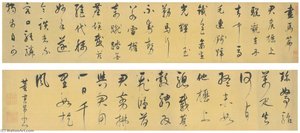
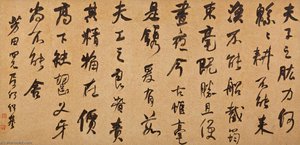
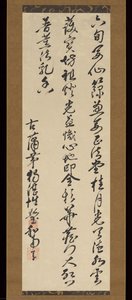

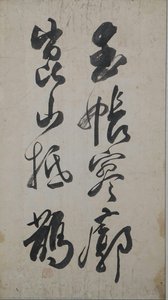
作家の略歴
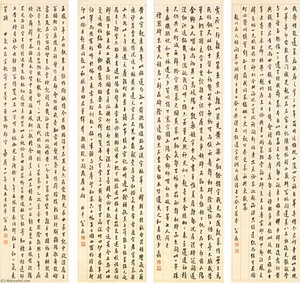
Weng Fanggang: A Cultivated Legacy in Calligraphy and Thought
Born in Beijing’s Daxing District in 1733, Weng Fanggang (翁方綱) emerged as a pivotal figure during the late Qing Dynasty – a time of profound intellectual ferment and artistic refinement. More than simply a calligrapher, he was a philosopher, literary critic, and collector deeply invested in shaping the aesthetic landscape of his era. His life’s work reveals a complex interplay between formal tradition and innovative thought, culminating in a unique approach to calligraphy and a significant contribution to the burgeoning “School of Musculature” (Jili Pai). His story is inextricably linked to the influence of Su Shi – a poet whose legacy he meticulously cultivated, transforming his admiration into a vibrant cultural phenomenon.
Early Life and Courtly Recognition
Weng’s early life was marked by diligent study and a keen awareness of literary trends. He secured the prestigious Jinshi degree in 1752, an accomplishment that opened doors to service within the Qing court. Initially employed as a junior compiler, he steadily ascended through the ranks, eventually becoming a member of the Grand Secretariat – a position reflecting his considerable intellect and administrative abilities. However, Weng’s true passion lay not in bureaucratic affairs but in the pursuit of artistic excellence, particularly in calligraphy and poetry. His translation of Tao Yuanming's “Peach Blossom Spring” (桃花源) into Manchu for the Qianlong Emperor was a watershed moment, securing his royal patronage and establishing him as a respected scholar within the imperial court.
The Philosophy of Musculature: Challenging Convention
Weng Fanggang’s most enduring legacy rests on his development of the “School of Musculature” (Jili Pai), a critical approach to poetry rooted in the concept of ‘muscles’ – referring not to physical strength, but to the rigorous intellectual discipline required to understand and appreciate classical Chinese literature. He vehemently opposed the prevailing trend of “Han Studies,” which prioritized textual analysis over the deeper philosophical underpinnings of Confucianism. Weng argued that true scholarship demanded a holistic understanding of universal principles, embodied in the teachings of Zhu Xi – emphasizing contemplation and the pursuit of ‘righteousness’ (yili) as the foundation for all knowledge. His critique of Dai Zhen's approach, which he deemed overly focused on superficial details, highlighted his commitment to a more profound engagement with literary tradition.
The Cult of Su Shi: A Personal and Collective Endeavor
Perhaps the most fascinating aspect of Weng Fanggang’s career was his deliberate cultivation of the legacy of Su Shi (蘇軾). Recognizing Su Shi's profound influence on Chinese poetry, Weng initiated an annual birthday celebration in his honor – a ritual that quickly gained momentum and became deeply ingrained within Qing cultural life. This wasn’t merely a sentimental homage; it represented a strategic effort to preserve and promote Su Shi’s artistic ideals. Weng amassed a substantial collection of Su Shi's works, including the highly prized Songyang Manuscript (宋陽帖), acquired for an extraordinary sum of 60 Jin – a testament to his dedication. He even established a room in his personal library dedicated solely to Su Shi’s poetry, further solidifying his commitment to this particular literary figure. This “cult” wasn't confined to Weng himself; it involved collaborations with Chosŏn scholars from Korea, creating a vibrant transnational community united by their shared admiration for Su Shi.
Calligraphy and Lasting Influence
Beyond his philosophical pursuits, Weng Fanggang was a highly accomplished calligrapher. He meticulously studied the techniques of ancient masters like Ouyang Xun and Yu Shinan, specializing in Lishu script – a bold, angular style that conveyed both power and elegance. His calligraphy is characterized by its precision, balance, and profound understanding of brushwork. Weng’s work continues to be admired for its technical mastery and its embodiment of the aesthetic principles he espoused in his literary criticism. Weng Fanggang died in 1818, leaving behind a complex and influential legacy – one that bridges the realms of philosophy, literature, and art, shaping the intellectual and artistic landscape of late Qing China.
weng fanggang
1733 - 1818
プロフィール概要
- Artistic Movement Or Style: Xingshu & Kaishu calligraphy
- Artists Or Movements Influenced By This Artist:
- Wang Yangming
- Li Bai
- Su Shi
- Artists Who Influenced This Artist:
- Ouyang Xun
- Yu Shinan
- Date Of Birth: 1733
- Date Of Death: 1818
- Full Name: Weng Fanggang
- Nationality: Chinese
- Notable Artworks:
- Peach Blossom Spring
- Su Shi Studio Essay
- Place Of Birth: Beijing, China

