 プレビュー
プレビュー
 プリントを購入
 シェアする
シェアする シェアする
シェアする
 詳細を見る
詳細を見る

 ダウンロード
 似ている作品
 X線調査
X線調査 スライドショー
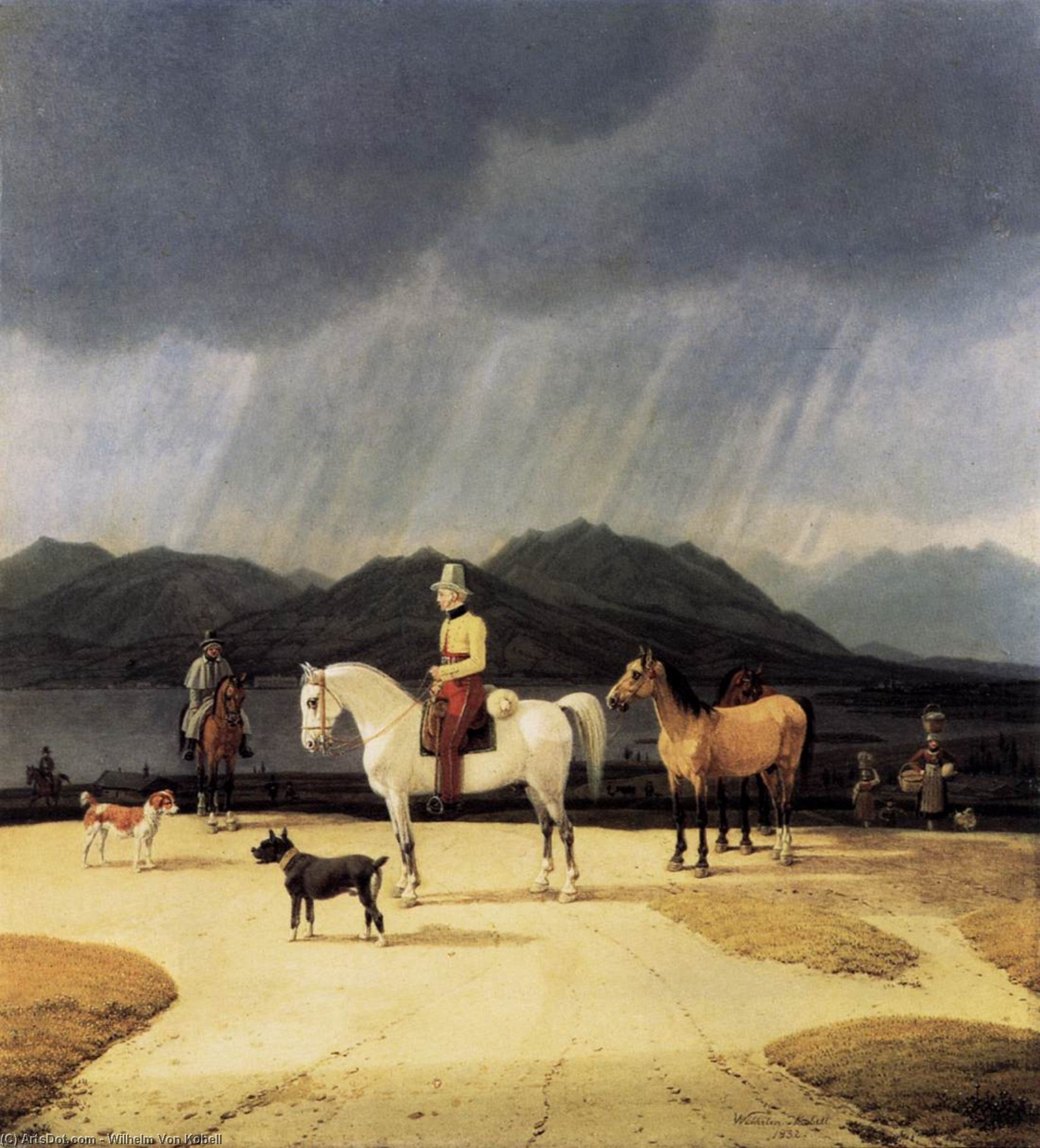
Riders at the Tegernsee
 Oil On Canvas
- WallArt
- German Romanticism
 1832
1832- 19th Century
 28.0 x 26.0 cm
 ナショナル・ギャラリー
 詳細を見る
詳細を見る




P118B $10

P118H $10

P118W $10

P438Z $10

P508JH $12

P508YH $12

P805H $10

P805Z $10

P919BZ $10

P919G $10

P919XJ $10

P959ZH $10

P968JZ $12

W106C $8

W218G $10

W218JH $8

W218Y $10

W307PJ $10

W316G $10

W316PJ $8

W316Y $10

W398PJ $8

W4111J $10

W500HY $15

W500JH $15

W692G $12

W849H $8

W940BG $15

W953PJ $8




作品のオリジナル比率に合わせた、当店の規定サイズからお選びください。

特定のフレームやスペースに合わせて、ご希望のサイズをご入力いただけます。選択されたサイズが元の画像の比率と異なる場合、アートワークをトリミングするか、手描きで要素を追加して絵画を拡張いたします。デジタルモックアップ を制作し、制作開始前にご確認(承認)をいただきます。
画面上のプレビューは、実際のトリミングや拡張を正確に反映しているものではありません。最終的な構図は、モックアップによってのみ正確にご確認いただけます。
カスタムサイズもご利用いただけますが、元の比率を維持するためには、あらかじめ用意されたリストからサイズを選択することをお勧めいたします。
ご注文後、ArtsDot.com チームより詳細な指示をお送りするとともに、仕上がりイメージ(モックアップ)をご提供いたします。


 ガラスオプションは、110cm未満のサイズでのみご利用いただけます。

Riders at the Tegernsee
複製技法
複製画のサイズ
-


合計金額
$ 263
Riders at the Tegernsee: A Moment of Tranquility Amidst Nature's Embrace
Wilhelm von Kobell’s "Riders at the Tegernsee," painted in 1832, is more than just a depiction of horses and riders; it's a window into a specific moment in time, capturing the essence of early 19th-century Bavarian life and the profound connection between humanity and nature. The painting resides within the collection of the Alte Nationalgalerie in Berlin, a testament to its significance as a work of German Romanticism. Measuring a modest 28 x 26 cm, it possesses an intimacy that draws the viewer into the scene, despite the presence of multiple figures. Kobell, born in Mannheim in 1766 and passing away in 1853, was known for his ability to blend Dutch influences with German sensibilities, a characteristic clearly visible in this piece. His training under Franz Anton von Leydendorf and Egid Verhelst honed his skills in engraving, which undoubtedly informed his meticulous approach to painting, evident in the detailed rendering of textures – from the gleam of wet coats to the muscular forms of the horses.A Romantic Vision of Bavarian Life
The scene unfolds along the shores of Lake Tegernsee, a picturesque location nestled within the Bavarian Alps. Rain falls gently, creating a shimmering effect on the water and lending an atmospheric quality to the entire composition. Three horses are prominently featured, each carrying a rider. A man in a striking red jacket leads the way, his posture suggesting both authority and enjoyment of the ride. Other riders follow, their expressions hinting at shared camaraderie and a quiet appreciation for the surrounding landscape. Notably, a dog accompanies the group, adding a touch of domesticity to the scene, while a lone figure with a backpack walks alongside, perhaps a traveler enjoying the beauty of the region. The painting isn't about dramatic action; it’s about capturing a fleeting moment – a leisurely ride through a rain-kissed landscape, embodying the Romantic ideal of finding solace and inspiration in nature. Kobell masterfully uses light and shadow to create depth and atmosphere, with the muted tones reflecting the overcast weather while still allowing for subtle highlights on the horses' coats and the riders’ clothing.Technique and Artistic Influences
Kobell’s technique demonstrates a keen understanding of color and composition. The palette is dominated by earthy tones – browns, greens, and grays – punctuated by the vibrant red of the jacket, which serves as a focal point. His brushwork is precise yet fluid, allowing for both detailed rendering and a sense of movement. The influence of Dutch masters like Wouverman and Ruysdael is apparent in his attention to detail in depicting horses and landscapes respectively. Kobell’s earlier work included studies after these artists, demonstrating his dedication to mastering their techniques. The painting's composition is carefully balanced, with the riders arranged diagonally across the canvas, leading the viewer's eye through the scene. This creates a sense of dynamism while maintaining a feeling of tranquility. The subtle blurring of details in the background further emphasizes the foreground figures and enhances the overall depth of the image.Symbolism and Emotional Resonance
Beyond its surface depiction, "Riders at the Tegernsee" carries symbolic weight. The rain itself can be interpreted as representing cleansing or renewal, suggesting a sense of hope and resilience amidst life's challenges. The horses, symbols of strength and freedom, embody the spirit of adventure and exploration. The riders, united in their journey, represent human connection and shared experiences. The painting evokes a feeling of peacefulness and nostalgia, transporting viewers to a simpler time when nature held a more central role in daily life. It’s an invitation to pause, reflect, and appreciate the beauty that surrounds us, even on a rainy day. The overall emotional impact is one of quiet contemplation – a gentle reminder of the enduring power of nature to inspire and uplift the human spirit.関連作品


アーティストの略歴
ジャン=マルク・ナティエ:宮廷の優雅さを描いた画家
ジャン=マルク・ナティエという名は、ロココの同時代人たちほど馴染み深いものではないかもしれませんが、フランス美術史において極めて重要な人物です。1685年にパリで生まれた彼は、ローマのアカデミーという壮大な舞台を運命づけられたわけではありませんでしたが、その緻密な観察眼と貴族生活のエッセンスを見事に捉える類まれなる能力によって、ナティエはルイ15世の宮廷を代表する画家となったのです。彼の遺産は、劇的な歴史場面や雄大な風景画にあるのではありません。むしろ、優雅さ、神話、そして繊細な社会批評が織りなす、精巧に描き込まれた肖像画の中に宿っています。彼の作品は、18世紀フランスの世界への唯一無二の窓を提供し、単なるエリート層の外見だけでなく、宮廷的な優美さが丹念に構築された雰囲気までもを私たちに垣間見せてくれるのです。 ナティエの芸術的な道のりは、尊敬される肖像画家であった父マルク・ナティエの指導のもとで始まり、その後は著名な歴史画家ジャン・ジュヴネによって磨かれました。当初彼は権威あるローマ王立アカデミーへの入学を目指しましたが、結局その道は閉ざされ、皮肉にも彼をより経済的に成功する道――宮廷での肖像画制作へと導いたのです。この転機は彼の人生を変えました。野心的な歴史物語を描く代わりに、ナティエは若い女性たちの理想化された肖像画の制作に焦点を当てました。それらはしばしば古典的な神話の舞台を背景としています。これらは単なる似顔絵ではありませんでした。象徴性に満ち、当時の優美な美的理想を反映させた、計算され尽くした幻想作品だったのです。彼のモデルとなった「流行の女性たち」あるいは「人工的な淑女たち」は、個人としてではなく、美徳、美しさ、そして優雅さの化身として提示され、しばしばヴィーナスやミネルヴァ、ディアナといった女神たちと結びつけられていました。- ロココ様式: ナティエの作品は典型的なロココを体現しており、繊細なパステル調の色使い、流れるような線、そして装飾性や軽妙さへの強調が特徴です。
- 神話的寓意: 彼は肖像画と神話的なテーマを見事に融合させ、社会的な地位、道徳的な価値観、そして当時の流行を伝える視覚言語を創造しました。
- 技術的な熟練度: ナティエの技術力は疑う余地がありません。質感、光、動きを驚くほどの正確さで捉える彼の能力は、肖像画の魅力を大きく高めました。
人工性の芸術:象徴主義と社会批評
ナティエの肖像画は、単なる美しさの描写を遥かに超えています。それらは象徴性に満ちた複雑な芸術作品なのです。彼が選んだ神話的な舞台設定は恣意的なものではなく、特定の美徳や理想を伝えるために慎重に選ばれたものです。例えば、ヴィーナスは愛と豊穣を象徴し、ミネルヴァは知恵と戦略的思考を象徴していました。これらは貴族の女性たちにとって非常に価値のある資質でした。衣装、宝石、装飾品といった小道具の選択もまた、これらの象徴的な意味合いを一層強めていました。ナティエの細部へのこだわりは視覚的な領域を超えており、彼は宮廷での振る舞いを律する社会的な慣習を鋭く自覚し、それを巧みに絵画に取り込んでいたのです。モデルたちのポーズ、身振り、表情は、貴族階級の若い女性たちに期待される作法や態度を反映していました。移ろう趣味:衰退と遺産
当初の成功にもかかわらず、ナティエの人気は晩年とともに薄れていきました。ロココ様式の過剰な装飾性は、趣味がより抑制された古典的な美学へと移行するにつれ、時代遅れとなっていったのです。一部の批評家たちは、彼のモデルの美しさを際立たせるために「化粧」を用いていると非難しましたが、この批判は宮廷生活の人工性に対する広範な懐疑心を反映していました。それにもかかわらず、フランス肖像画におけるナティエの影響力は依然として甚大でした。彼の緻密な技法、優美な構図、そして貴族的な優雅さのエッセンスを捉える能力は、後の世代の芸術家たちにとって模範となりました。彼の作品は今日に至るまで、その絶妙な美しさ、繊細な象徴性、そして18世紀フランスの世界への窓としての永続的な魅力によって称賛され続けているのです。カタリナ・バッカー:並行する芸術の声
ナティエの名声が宮廷肖像画に根ざしていた一方で、この時代におけるオランダ美術のもう一人の重要な人物がカタリナ・バッカー(1689年~1766年)でした。形式的な訓練を受け、パリの確立された芸術界で活動したナティエとは異なり、バッカーは自力で才能を開花させました。彼女は趣味として絵画を始め、家族が所有する膨大な美術コレクションや、尊敬される美術収集家であり画家であった父ヴィレム・バッカーの影響を受けていたのです。バッカーの作品群は主に花の静物画から成り立っており、花々、果実、昆虫が繊細かつ緻密に描かれています。彼女の作品は、色彩、質感、形態に対する目覚ましい感受性を示し、その鋭い観察眼と芸術的才能を証明しています。主題や文脈という点ではナティエとは異なっていましたが、両アーティストとも美しさを捉え、それぞれの社会の価値観を反映させるという献身性を共有していました。バッカーの遺産は、18世紀に評価を得た数少ない女性芸術家の一人として、オランダ美術史に貢献した点にあるのです。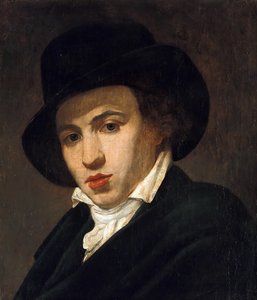
ヴィルヘルム・フォン・コベル
1766 - 1853 , ドイツ
基本情報
- Artistic Movement Or Style: ロココ
- Artists Or Movements Influenced By This Artist: ['ルイ15世の宮廷']
- Artists Who Influenced This Artist:
- ジャン・ジュヴネ
- ピョートル大帝
- Date Of Birth: 1685年3月17日
- Date Of Death: 1766年11月7日
- Full Name: ジャン=マルク・ナティエ
- Nationality: フランス人
- Notable Artworks:
- フィネウスの石化
- ミネルヴァとしてのランベスク嬢
- Place Of Birth: パリ、フランス
関連記事
Eugen von Blaas: Capturing Alpine Life & Sentiment in 19th-Century Austrian Painting
Discover the captivating world of Eugen von Blaas! Explore his exquisite 19th-century paintings capturing Venetian life & Alpine beauty. Learn about his Academic Classicism style and find museum-quality reproductions at ArtsDot.
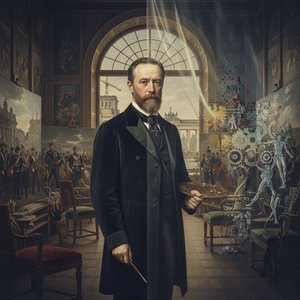
Anton von Werner: Imperial Painter, Historical Witness & Shifting German Identity
Explore the life & work of Anton von Werner, Imperial Germany's leading painter. Discover his dramatic depictions of war, unification, and court life – a fascinating insight into 19th-century German history & art.
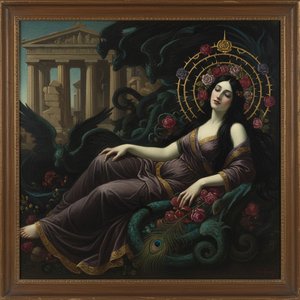
Franz von Stuck: Symbolism, Decadence & the Pursuit of Ideal Beauty
Explore the captivating world of Franz von Stuck, a leading Symbolist painter. Discover his mythological masterpieces, decadent themes, & investment potential. Expert analysis for discerning collectors.
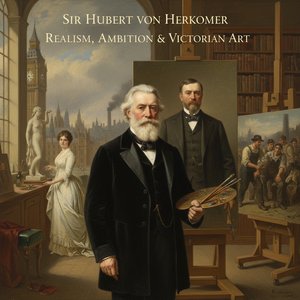
Sir Hubert von Herkomer: A Life Painted with Realism, Ambition & Victorian Art
Explore the life & art of Sir Hubert von Herkomer, a pivotal Victorian realist painter. Discover his powerful portraits, social commentary & pioneering film work. Learn about his legacy and find high-quality reproductions at ArtsDot.
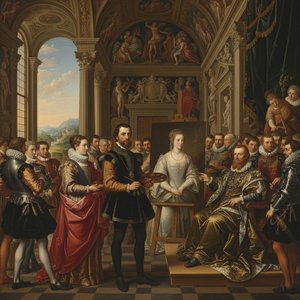
Hans von Aachen: Mannerism's Courtly Visionary & Imperial Portraiture
Explore the captivating world of Hans von Aachen, a leading Mannerist painter renowned for his exquisite imperial portraits & mythological scenes. Discover his legacy and influence on 16th-century European art.