

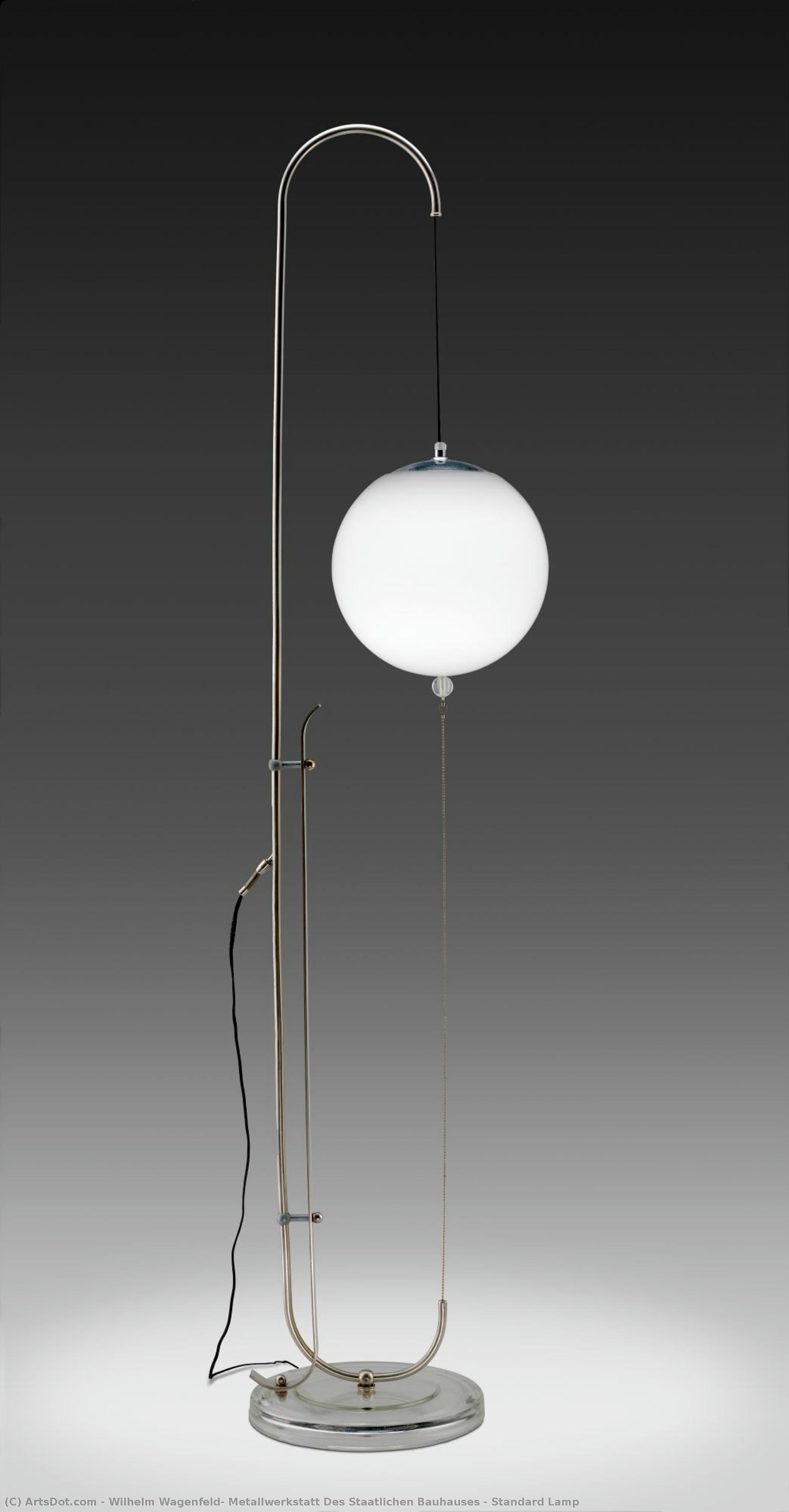
 プレビュー
プレビュー
 シェアする
シェアする シェアする
シェアする
 詳細を見る
詳細を見る

 ダウンロード
 似ている作品
 X線調査
X線調査 スライドショー
 統計情報
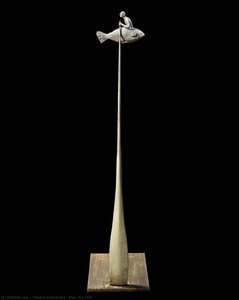
統計情報Standard Lamp


 詳細を見る
詳細を見る
オンラインプレビューをはるかに凌ぐ、高解像度で鮮明なデジタル画像をご購入いただけます。
各ファイルは、社内の専門家が高度なツールと熟練した手作業によるレタッチを用いて、細心の注意を払って準備されています。すべての画像において、卓越した鮮明度、正確な色彩再現性、そして繊細なディテールを保証いたします。
最終ファイルは、プロフェッショナルな編集・印刷環境ですぐにご利用いただけるよう最適化された状態で、72時間以内にメールにてお届けいたします。これは、一流のデザインスタジオ、出版社、ギャラリーから信頼されているものと同等の品質です。
デジタルアート
個人での鑑賞、印刷、クリエイティブなプロジェクト用に、高解像度ファイルをダウンロードできます。 ( プリント版に切り替え 手描きの絵画を購入)
デジタル画像のご注文に付随する特典
高品質なデジタル画像配信を、確かな品質で。
ArtsDot.com を選ぶことは、単に画像を手に入れることではありません。それは、プロの手によって精密に仕上げられ、満足保証が付いた高品質なデジタルアートワークを受け取ることを意味します。ご注文いただいた際に自動的に付随する内容は、以下の通りです:

メールですぐにお届け
ご注文から72時間以内に、高解像度のデジタル画像ファイルがメールでお手元に届きます。すぐにそのままご利用いただけます。

AI技術で最適化されたデジタルファイル
お客様の作品は、高度なAIツールと専門家による手作業の編集を組み合わせてプロフェッショナルに最適化されており、細部のディテール、鮮明さ、そして正確な色再現性を最大限に引き出しています。

一生涯無料の再送サービス
ファイルを誤って削除したり、紛失してしまったりしましたか?ご安心ください。いつでも無料で再送いたします。

輸入手数料は一切かかりません
関税や手数料、配送料を気にすることなく、お気に入りのアートワークをすぐにお楽しみいただけます。デジタルダウンロードは常に免税です。

色彩再現の保証
プロ仕様のツールとカラーマネジメント技術を用いることで、デジタル画像が元の色を最大限に忠実に再現することを保証いたします。

100日間満足保証
ご購入いただいたデジタル画像にご満足いただけない場合は、100日以内であれば、理由を問わず修正または100%の返金対応をさせていただきます。

100% 返金保証
ご満足いただけない場合は、デジタルファイルを受け取ってから100日以内であれば、理由を問わず全額返金いたします。

まとめ買い割引
3枚購入で10%OFF - 5枚購入で15%OFF - 10枚以上購入で20%OFF。クリエイティブなプロジェクト、ギャラリー、エージェンシーに最適です。
関連作品






作家の略歴
The Architect of Minimalist Elegance
Wilhelm Wagenfeld (1900-1990) stands as a cornerstone figure in German industrial design, celebrated for his unwavering commitment to functionality and timeless beauty—principles deeply rooted in the Bauhaus ethos. Born in Bremen, Germany, Wagenfeld’s formative years instilled within him a profound appreciation for craftsmanship and precision, shaping his artistic vision throughout his prolific career. His early training encompassed silversmithing and drawing, disciplines that honed his understanding of material properties and design aesthetics—skills he would later translate into groundbreaking innovations that continue to resonate in the modern home.
His intellectual journey began at the Bremen Kunstgewerbeschule, where he absorbed the radical teachings of prominent Bauhaus luminaries such as Walter Gropius, Marcel Breuer, and László Moholy-Nagy. These mentors championed a revolutionary approach to design: one that prioritized geometric forms, rational construction, and the deliberate elimination of superfluous ornamentation. This period of intense study provided the philosophical foundation for his belief that an object's true value lies in its utility and the seamless marriage of art and industry.
The Bauhaus Legacy and the Mastery of Light
Wagenfeld’s enrollment at the Bauhaus in Weimar between 1923 and 1925 proved pivotal, cementing his allegiance to modernist ideals. Under the direct guidance of László Moholy-Nagy in the metal workshop, he explored experimental techniques for manipulating light and material. It was during this era of intense creativity that he conceived the iconic WG 24 lamp in 1926 (often referred to as the Bauhaus Lamp). This masterpiece, characterized by its clear geometric form and the sophisticated use of glass and metal, embodies the very essence of functional aesthetics. The lamp remains a true classic, still faithfully produced today as a testament to his ability to create objects that transcend fleeting trends.
His role at the Metallwerkstatt des Staatlichen Bauhauses solidified his reputation as both a master craftsman and a visionary designer. Within this workshop, he spearheaded the production of numerous groundbreaking objects, ranging from intricate glassware to essential tableware. His work was never merely about decoration; it was about the profound relationship between individuals and the objects that surround them. As Wagenfeld himself famously suggested, while form is a vital component, the true soul of an object is found in its use—the way it integrates into the rhythm of daily life and contributes to the development of culture.
A Prolific Career and Enduring Influence
Following the closure of the Bauhaus in Weimar, Wagenfeld’s career transitioned into a period of significant industrial impact. Moving through various roles, including serving as an assistant in the metal workshop at the State Academy for Handicrafts and Architecture, he eventually emerged as a highly successful freelance designer and consultant. He collaborated with some of the most prestigious names in German industry, such as Jenaer Glaswerk Schott & Gen., Rosenthal, Braun GmbH, and WMF. Through these partnerships, his designs for glassware, tea sets, and dinnerware reached a global audience, bringing high-quality modernist design to the masses.
The historical significance of Wagenfeld’s work is reflected in the numerous accolades he received, including the Grand Prix at the Milan Trienale in 1957 and the Bundespreis Gute Form. His legacy is preserved not only in the collections of prestigious institutions like the Museum of Modern Art in New York and the V&A in London but also in the very fabric of contemporary living. His ability to achieve widespread recognition through functional excellence ensured that his name would remain synonymous with the pinnacle of 20th-century industrial design.
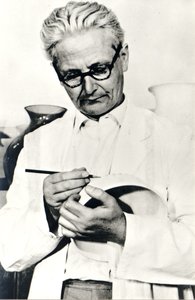
wilhelm wagenfeld; metallwerkstatt des staatlichen bauhauses
1900 - 1990 , Germany
プロフィール概要
- Artistic Movement Or Style: Bauhaus
- Artists Who Influenced This Artist:
- Christian Dell
- László Moholy-Nagy
- Date Of Birth: April 15, 1900
- Full Name: Wilhelm Wagenfeld
- Nationality: German
- Notable Artworks:
- Diana hanging lights
- Kubus
- K
- Place Of Birth: Bremen, Germany