

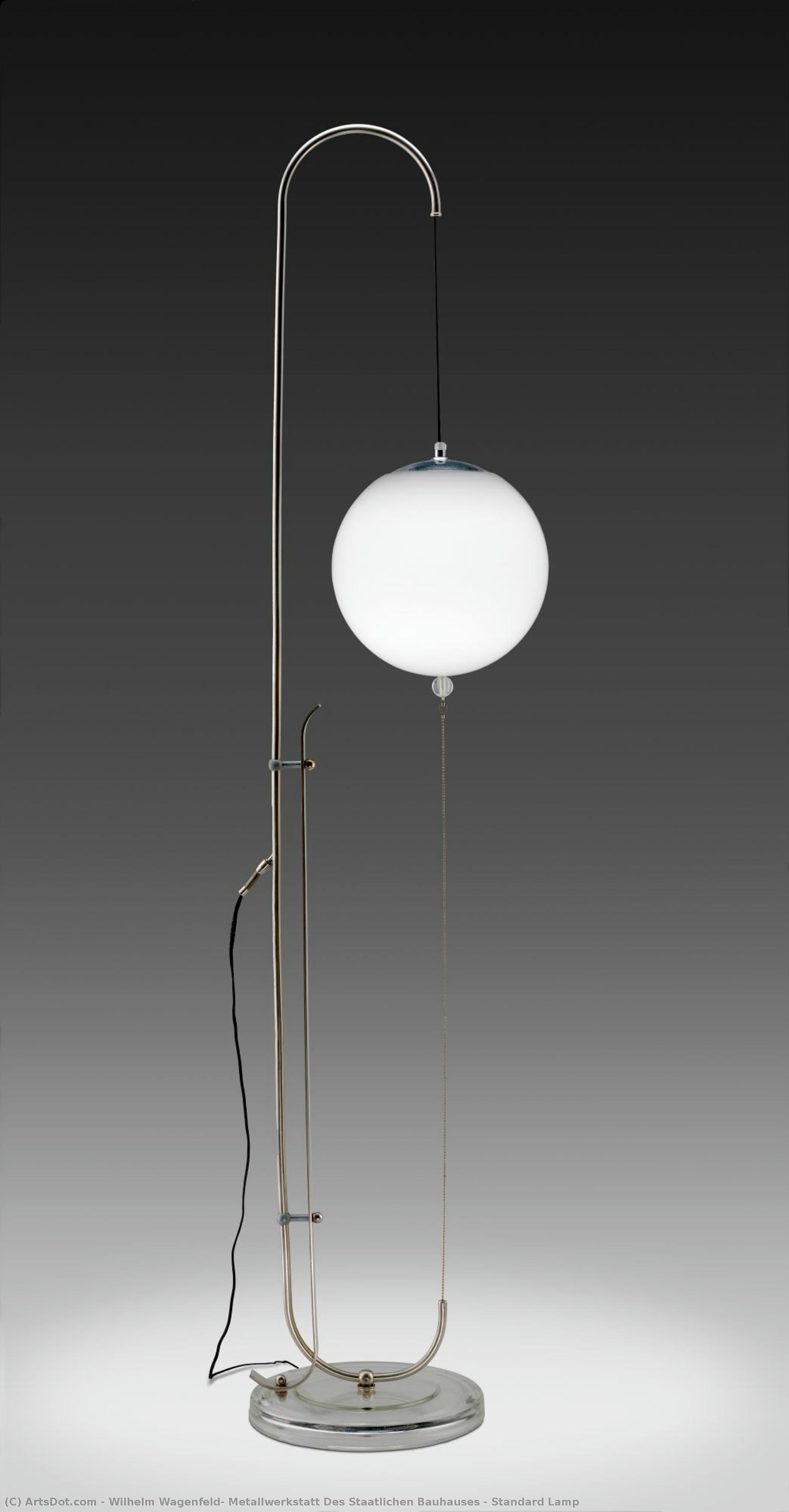
 プレビュー
プレビュー
 シェアする
シェアする シェアする
シェアする
 詳細を見る
詳細を見る

 ダウンロード
 似ている作品
 X線調査
X線調査 スライドショー
 統計情報
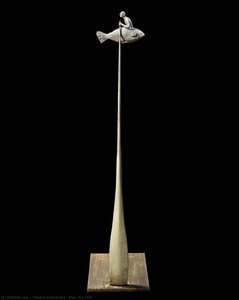
統計情報Standard Lamp


 詳細を見る
詳細を見る
ジークレー/アートプリント
迅速な制作と多彩な仕上げオプションを備えた、ミュージアムクオリティのジークレーまたはキャンバスプリント。 ( 手描きの絵画を購入 デジタル画像販売へ切り替え)




































作品のオリジナル比率に合わせた、当店の規定サイズからお選びください。

特定のフレームやスペースに合わせて、ご自身でサイズを指定することも可能です。選択されたサイズが元の画像の比率と一致しない場合、作品をトリミングするか、鏡面反射または単色での塗りつぶしによって画像を拡張いたします。制作を開始する前に、ご確認用のデジタルモックアップをお送りいたします。
画面上のプレビューには、実際のトリミングや拡張は反映されませんのでご注意ください。最終的な構図を正確に確認できるのは、モックアップのみとなります。
カスタムサイズも承っておりますが、元の比率を維持するためには、あらかじめ用意されたリストからサイズを選択することをお勧めいたします。


 ガラスオプションは、110cm未満のサイズでのみご利用いただけます。

Standard Lamp
ジークレー/アートプリント
複製画のサイズ
-


合計金額
$ 62
関連作品






アーティストの略歴
The Architect of Minimalist Elegance
Wilhelm Wagenfeld (1900-1990) stands as a cornerstone figure in German industrial design, celebrated for his unwavering commitment to functionality and timeless beauty—principles deeply rooted in the Bauhaus ethos. Born in Bremen, Germany, Wagenfeld’s formative years instilled within him a profound appreciation for craftsmanship and precision, shaping his artistic vision throughout his prolific career. His early training encompassed silversmithing and drawing, disciplines that honed his understanding of material properties and design aesthetics—skills he would later translate into groundbreaking innovations that continue to resonate in the modern home.
His intellectual journey began at the Bremen Kunstgewerbeschule, where he absorbed the radical teachings of prominent Bauhaus luminaries such as Walter Gropius, Marcel Breuer, and László Moholy-Nagy. These mentors championed a revolutionary approach to design: one that prioritized geometric forms, rational construction, and the deliberate elimination of superfluous ornamentation. This period of intense study provided the philosophical foundation for his belief that an object's true value lies in its utility and the seamless marriage of art and industry.
The Bauhaus Legacy and the Mastery of Light
Wagenfeld’s enrollment at the Bauhaus in Weimar between 1923 and 1925 proved pivotal, cementing his allegiance to modernist ideals. Under the direct guidance of László Moholy-Nagy in the metal workshop, he explored experimental techniques for manipulating light and material. It was during this era of intense creativity that he conceived the iconic WG 24 lamp in 1926 (often referred to as the Bauhaus Lamp). This masterpiece, characterized by its clear geometric form and the sophisticated use of glass and metal, embodies the very essence of functional aesthetics. The lamp remains a true classic, still faithfully produced today as a testament to his ability to create objects that transcend fleeting trends.
His role at the Metallwerkstatt des Staatlichen Bauhauses solidified his reputation as both a master craftsman and a visionary designer. Within this workshop, he spearheaded the production of numerous groundbreaking objects, ranging from intricate glassware to essential tableware. His work was never merely about decoration; it was about the profound relationship between individuals and the objects that surround them. As Wagenfeld himself famously suggested, while form is a vital component, the true soul of an object is found in its use—the way it integrates into the rhythm of daily life and contributes to the development of culture.
A Prolific Career and Enduring Influence
Following the closure of the Bauhaus in Weimar, Wagenfeld’s career transitioned into a period of significant industrial impact. Moving through various roles, including serving as an assistant in the metal workshop at the State Academy for Handicrafts and Architecture, he eventually emerged as a highly successful freelance designer and consultant. He collaborated with some of the most prestigious names in German industry, such as Jenaer Glaswerk Schott & Gen., Rosenthal, Braun GmbH, and WMF. Through these partnerships, his designs for glassware, tea sets, and dinnerware reached a global audience, bringing high-quality modernist design to the masses.
The historical significance of Wagenfeld’s work is reflected in the numerous accolades he received, including the Grand Prix at the Milan Trienale in 1957 and the Bundespreis Gute Form. His legacy is preserved not only in the collections of prestigious institutions like the Museum of Modern Art in New York and the V&A in London but also in the very fabric of contemporary living. His ability to achieve widespread recognition through functional excellence ensured that his name would remain synonymous with the pinnacle of 20th-century industrial design.
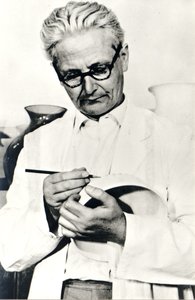
wilhelm wagenfeld; metallwerkstatt des staatlichen bauhauses
1900 - 1990 , Germany
基本情報
- Artistic Movement Or Style: Bauhaus
- Artists Who Influenced This Artist:
- Christian Dell
- László Moholy-Nagy
- Date Of Birth: April 15, 1900
- Full Name: Wilhelm Wagenfeld
- Nationality: German
- Notable Artworks:
- Diana hanging lights
- Kubus
- K
- Place Of Birth: Bremen, Germany