 プレビュー
プレビュー
 プリントを購入
 シェアする
シェアする シェアする
シェアする
 詳細を見る
詳細を見る

 ダウンロード
 似ている作品
 X線調査
X線調査 スライドショー
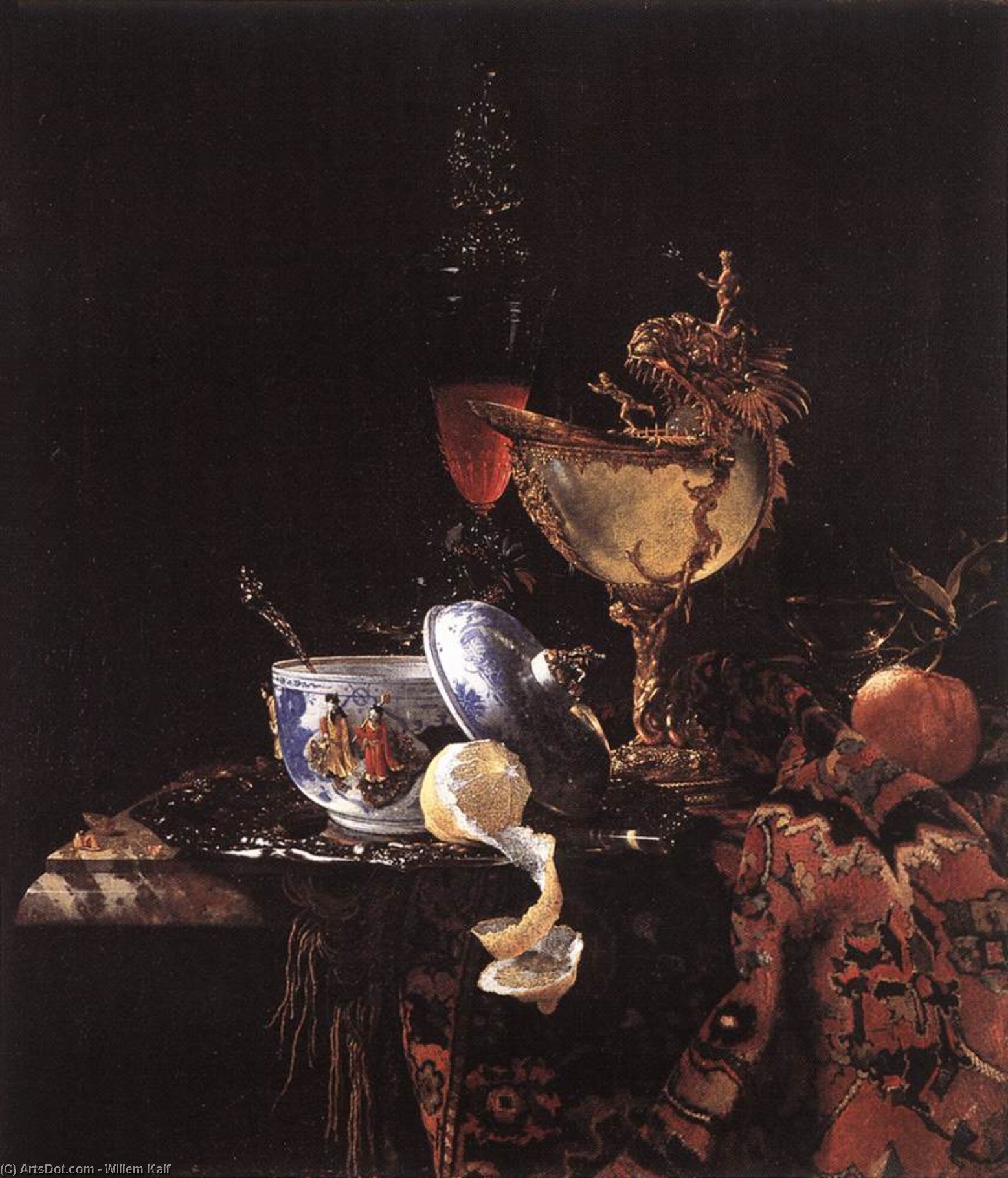
Still-Life with a Nautilus Cup
 Oil On Canvas
- WallArt
- Baroque
 1662
1662 79.0 x 67.0 cm
 テイスセン・ボルネミスザ美術館
 詳細を見る
詳細を見る




P118B $10

P118H $10

P118W $10

P438Z $10

P508JH $12

P508YH $12

P805H $10

P805Z $10

P919BZ $10

P919G $10

P919XJ $10

P959ZH $10

P968JZ $12

W106C $8

W218G $10

W218JH $8

W218Y $10

W307PJ $10

W316G $10

W316PJ $8

W316Y $10

W398PJ $8

W4111J $10

W500HY $15

W500JH $15

W692G $12

W849H $8

W940BG $15

W953PJ $8




作品のオリジナル比率に合わせた、当店の規定サイズからお選びください。

特定のフレームやスペースに合わせて、ご希望のサイズをご入力いただけます。選択されたサイズが元の画像の比率と異なる場合、アートワークをトリミングするか、手描きで要素を追加して絵画を拡張いたします。デジタルモックアップ を制作し、制作開始前にご確認(承認)をいただきます。
画面上のプレビューは、実際のトリミングや拡張を正確に反映しているものではありません。最終的な構図は、モックアップによってのみ正確にご確認いただけます。
カスタムサイズもご利用いただけますが、元の比率を維持するためには、あらかじめ用意されたリストからサイズを選択することをお勧めいたします。
ご注文後、ArtsDot.com チームより詳細な指示をお送りするとともに、仕上がりイメージ(モックアップ)をご提供いたします。


 ガラスオプションは、110cm未満のサイズでのみご利用いただけます。

Still-Life with a Nautilus Cup
複製技法
複製画のサイズ
-


合計金額
$ 263
作品解説
A Glimpse into Dutch Opulence: The Still-Life Masterpiece of Willem Kalf
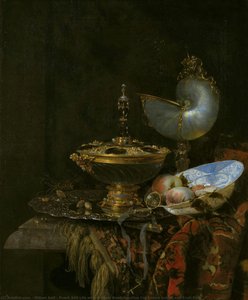
Willem Kalf’s “Still-Life with a Nautilus Cup” (1662) isn't merely a painting; it’s a meticulously crafted window into the heart of 17th-century Dutch society – a world saturated with wealth, ambition, and a profound appreciation for the finer things in life. More than just a collection of objects arranged on a table, this work embodies the pronkstilleven tradition that defined Kalf's career and secured his place as one of the most celebrated still-life painters of the Dutch Golden Age. The canvas immediately draws the viewer into a scene brimming with luxurious detail – a testament to the burgeoning mercantile power of the Netherlands and the conspicuous consumption of its elite.
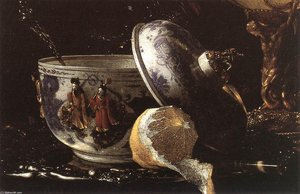
The composition itself is a carefully orchestrated display of opulence. A dark, almost velvety background serves as a dramatic stage for the vibrant foreground, intensifying the impact of each object. Dominating the scene is an extravagant silver goblet overflowing with glistening grapes, immediately establishing a sense of abundance and indulgence. Beside it rests a porcelain bowl containing a figure – often interpreted as a soldier, though some scholars suggest a more ambiguous representation – alongside oranges and other delicacies. A peeled citrus fruit adds a touch of earthy realism to the otherwise meticulously rendered scene, while a richly patterned textile draped across the lower right corner hints at the wealth and status of its owner. The inclusion of a nautilus cup, a symbol of exoticism and rarity, further elevates the painting’s sense of grandeur.
The Painter's Technique: A Symphony of Light and Shadow
Kalf’s mastery lies not just in his subject matter but also in his exceptional technical skill. He employed a sophisticated technique known as chiaroscuro – the dramatic interplay of light and shadow – to create an astonishing sense of depth and three-dimensionality. Notice how the strong directional lighting highlights the textures of each object, from the smooth sheen of the silver goblet to the delicate folds of the textile. Layered glazes build up color gradually, creating a remarkable richness and luminosity that seems to capture the very essence of light itself. The meticulous attention to detail is breathtaking; you can almost feel the cool smoothness of the porcelain and the yielding texture of the fruit.
The painting’s perspective is relatively shallow, focusing our attention on the immediate foreground. This deliberate choice draws us into the scene, inviting us to examine each object closely and contemplate its significance. The use of lines – precise and carefully rendered – defines the shapes of each element with remarkable accuracy, contributing to the overall sense of realism. The artist’s skill in capturing reflections and highlights is particularly noteworthy, adding a subtle shimmer to the surfaces of the objects and creating an illusion of movement within the composition.
Symbolism and Context: A Reflection of Dutch Society
Beyond its aesthetic beauty, “Still-Life with a Nautilus Cup” offers a fascinating glimpse into the social and cultural context of 17th-century Holland. The lavish display of wealth reflects the prosperity brought about by the Dutch East India Company’s trade routes – a period of unprecedented economic growth and influence. The inclusion of exotic objects like the nautilus cup symbolizes the Netherlands' role as a center for global commerce, connecting it to distant lands and cultures.
Vanitas themes, prevalent in still lifes of this era, subtly permeate the painting. The decaying citrus fruit, for example, serves as a reminder of mortality and the fleeting nature of earthly pleasures. The soldier within the bowl could represent authority or even the inevitability of conflict – elements that underscore the transient nature of worldly possessions. However, Kalf’s approach is less overtly didactic than some of his contemporaries; he presents these symbols with an elegant restraint, inviting viewers to contemplate their meaning without resorting to moralizing pronouncements.
Bringing Kalf's Vision Home: Reproductions and Artistic Legacy
Today, “Still-Life with a Nautilus Cup” stands as a testament to Willem Kalf’s extraordinary talent and his enduring legacy. High-quality reproductions capture the painting’s luminous colors, intricate details, and dramatic chiaroscuro with remarkable fidelity. Whether you're an art enthusiast, a collector seeking a statement piece, or simply someone drawn to the beauty of Dutch Golden Age artistry, a reproduction of this masterpiece offers a captivating way to bring Kalf’s vision into your home.
関連作品
アーティストの略歴
豊穣に浸された生涯:ウィレム・カルフの世界
オランダ黄金時代の豪華絢爛な静物画の代名詞とも言える名前、ウィレム・カルフは、1619年にロッテルダムの裕福な家庭に生まれました。父ヤン・ヤンスゾルフ・カルフは市当局の要職に就いており、若きウィレムは、安定した環境の中で育つと同時に、後に彼の芸術に多大な影響を与えることになる、勃興する商取引の世界を間近に目にすることとなりました。カルフの初期の修行に関する詳細は謎に包まれている部分もありますが、1630年代にはパリで芸術的な研鑽を積んでいたことが知られています。サン・ジェルマン・デ・プレで活動していたフランドル人画家の活気あるコミュニティに身を投じたこの経験は、彼を当初、小規模な素朴な室内画や静物画へと向かわせました。しかし、その控えめな始まりこそが、今日彼を称賛させる壮大な「プロンス・スティルレーフェン(豪華な静物画)」へと開花する種となったのです。1638年までに両親を亡くしたことが、彼をオランプリへ帰還させる契機となり、成熟した芸術的黄金時代の幕開けとなりました。謙虚な始まりから、至高の展示へ
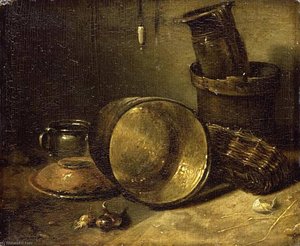
パリ時代の初期作品には、自らの足場を固めようとする若き芸術家の姿が映し出されています。これらの絵画は、野菜やバケツ、鍋といったありふれた台所用品など、簡素な配置を描くことが多く、人物さえも明確に描かれるのではなく、薄暗い背景の中に暗示される程度でした。この様式は、17世紀初頭のフランドルで主流であった、デヴィッド・テナリエース(子)などの画家の伝統を反映したものでした。しかし、カルフの野心はやがてこうした控えめな構図に収まりきらなくなります。オランダへ帰国した後、彼は自身の代名詞となるスタイル、「プロンス・スティルレーフェン」、すなわち「誇示的な静物画」へと驚くべき進化を遂げました。それは単なる物の描写ではありませんでした。銀器、繊細な磁器、異国の果実、そして煌めくガラス器といった贅沢品を並べ立て、富と洗練を緻密に構築した、まさに視覚的なディスプレイだったのです。錯覚の芸術と象徴的な響き
カルフのプロンス・スティルレーフェンを真に際立たせていたのは、光と質感に対する比類なき習熟でした。彼は、銀の反射、ガラスの透光性、そして果実のベルベットのような表面を、息を呑むほどのリアリズムで描き出す並外れた能力を備えていました。彼の構図は決して無造好な配置ではなく、光と影の相互作用を捉え、奥行きとドラマを生み出すために緻密に計画されたオーケストレーションでした。絵画の基本構造、すなわち物の配置自体は比較的一貫していましたが、それぞれの作品は、多様な質感の変化や微細な光の効果を捉えるカルフの卓越した技術の証でした。しかし、単なる技術的な輝きの向こう側には、繊細な象徴的次元が潜んでいました。彼が描いた豪華な品々は、単に美しいだけではありません。それらは、移ろいゆくもの、富、そして現世的な快楽の儚さといったテーマを暗示しており、当時のオランダ絵画に浸透していた「ヴァニタス(空虚)」の伝統を静かに物語っていたのです。遺産と影響力
ウィレム・カルフの影響は、彼自身の多作な作品群にとどまりませんでした。彼の半モノクローム的な静物画は、フランス美術、特に光と影の洗練された使い方を称賛したル・ナン兄弟の周辺に顕著な影響を与えました。個々の作品が同時代の他の画家ほど広く知られていない場合もありますが、このジャンルに対するカルフの貢献は否定しようがありません。彼はプロンス・スティルレーフェンの定義を確立し、前例のない経済的繁栄と、富と洗練を誇示しようとする新興商人階級に象徴される17世紀オランダ社会の精神を捉えました。今日、彼の作品はロッテルダムのボイマンス・ヴァン・ベーニンゲン美術館、ワシントンD.C.のナショナル・ギャラリー、ゲッティ美術館など、世界中の権威ある美術館のコレクションを彩り続けています。オランダ静物画の巨匠としての彼の遺産は、今もなお人々に畏敬と称賛を与え続けているのです。細部への細心の注意と、光の卓越した使い方は、芸術的至高性の象徴として刻まれています。さらなる探求
- Wikipedia: https://en.wikipedia.org/wiki/Willem_Kalf
- ナショナル・ギャラリー・オブ・アート: https://www.nga.gov/artists/1430-willem-kalf
- ゲッティ美術館: https://www.getty.edu/art/collection/person/103JR3
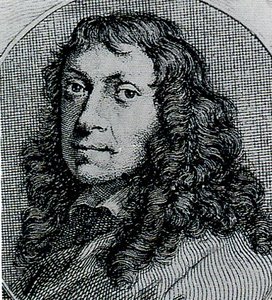
ヴィレム・カルフ
1619 - 1693 , オランダ
基本情報
- Artistic Movement Or Style: オランダ黄金時代、静物画
- Artists Or Movements Influenced By This Artist:
- フランス美術
- ル・ナン兄弟
- Artists Who Influenced This Artist:
- シモン・リュティシュイス
- ピーテル・クラースス
- ヴィレム・クラースゾーン・ヘダ
- Date Of Birth: 1619年
- Date Of Death: 1693年
- Full Name: ヴィレム・カルフ
- Nationality: オランダ
- Notable Artworks:
- ナウティルス杯のある静物画
- 古い井戸
- 銀のピッチャーと磁器のボウル
- Place Of Birth: オランダ、ロッテルダム
関連記事

黄金世紀の巨匠たち:バロック絵画が彩る10選|ArtsDot
オランダ黄金時代の10大傑作を紐解く!レンブラント、フェルメール…バロック絵画の魅力と時代背景を深く探求。ArtsDotで、至高のアートコレクションと空間演出のヒントを見つけよう。高品質なアートプリントで、お部屋を華やかに。
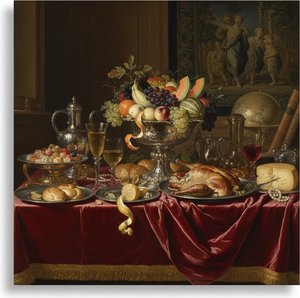
Abraham Hendricksz van Beyeren: Pioneering Dutch Still Life & the Banquet Tradition
Explore the captivating world of Dutch Golden Age still life with Abraham van Beyeren. Discover his innovative techniques, symbolic banquet scenes & lasting influence on art history. Learn about collecting these masterpieces.

Golden Age Reflections: Dutch Baroque Painting & Cultural Innovation
Explore the Dutch Golden Age of painting! Discover key artists like Vermeer & ter Borch, their innovative techniques, and the rich cultural context behind these Baroque masterpieces. Learn about collecting & appreciating this iconic art period.

Illuminating Innovation: Exploring the Dutch Golden Age of Painting
Explore the Dutch Golden Age of painting with ArtsDot. Discover Rembrandt, Vermeer & other Masters. Learn about key characteristics, iconic artworks, and lasting influence. Expert insights for collectors & enthusiasts.

Illuminating Realism: Exploring the Dutch Golden Age of Painting (1600-1700)
Explore the Dutch Golden Age of painting (1600-1700) with ArtsDot. Discover Rembrandt, Vermeer & other masters. Learn about techniques, history & find museum-quality reproductions.