 プレビュー
プレビュー
 プリントを購入
 シェアする
シェアする シェアする
シェアする
 詳細を見る
詳細を見る

 ダウンロード
 似ている作品
 X線調査
X線調査 スライドショー
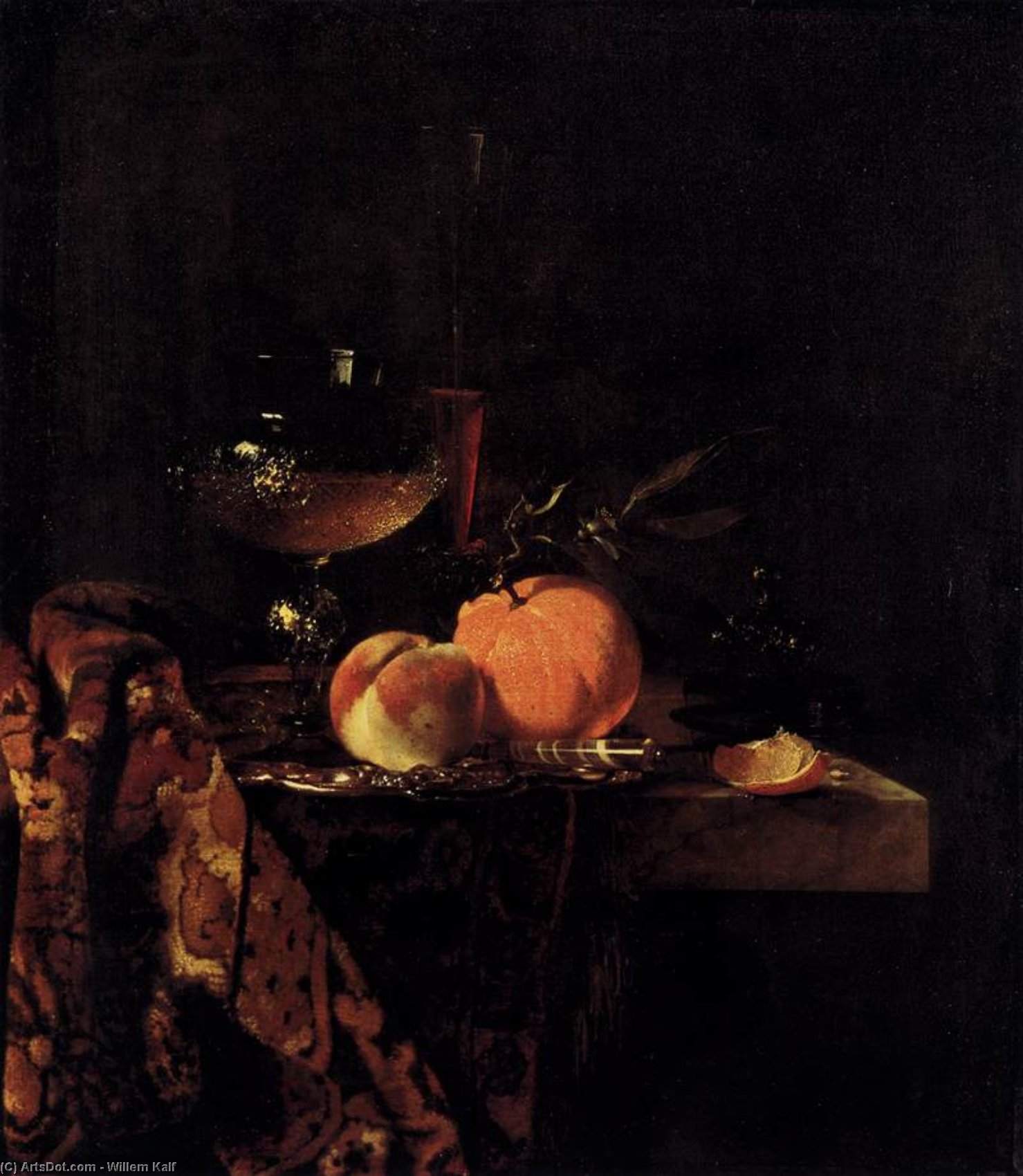
Still-Life with Glass Goblet and Fruit
 Oil On Canvas
- WallArt
- Dutch Baroque
 1655
1655- Early Modern
 65.0 x 56.0 cm
 国立博物館群
 詳細を見る
詳細を見る




P118B $10

P118H $10

P118W $10

P438Z $10

P508JH $12

P508YH $12

P805H $10

P805Z $10

P919BZ $10

P919G $10

P919XJ $10

P959ZH $10

P968JZ $12

W106C $8

W218G $10

W218JH $8

W218Y $10

W307PJ $10

W316G $10

W316PJ $8

W316Y $10

W398PJ $8

W4111J $10

W500HY $15

W500JH $15

W692G $12

W849H $8

W940BG $15

W953PJ $8




作品のオリジナル比率に合わせた、当店の規定サイズからお選びください。

特定のフレームやスペースに合わせて、ご希望のサイズをご入力いただけます。選択されたサイズが元の画像の比率と異なる場合、アートワークをトリミングするか、手描きで要素を追加して絵画を拡張いたします。デジタルモックアップ を制作し、制作開始前にご確認(承認)をいただきます。
画面上のプレビューは、実際のトリミングや拡張を正確に反映しているものではありません。最終的な構図は、モックアップによってのみ正確にご確認いただけます。
カスタムサイズもご利用いただけますが、元の比率を維持するためには、あらかじめ用意されたリストからサイズを選択することをお勧めいたします。
ご注文後、ArtsDot.com チームより詳細な指示をお送りするとともに、仕上がりイメージ(モックアップ)をご提供いたします。


 ガラスオプションは、110cm未満のサイズでのみご利用いただけます。

Still-Life with Glass Goblet and Fruit
複製技法
複製画のサイズ
-


合計金額
$ 263
作品解説
Still Life with Glass Goblet and Fruit – A Window Into Dutch Golden Age Elegance
The artwork presents a meticulously crafted depiction of fruit—primarily apples and oranges—arranged upon a draped table alongside a gleaming glass goblet, embodying the quintessential aesthetic principles of Dutch Baroque painting during its zenith. More than just an arrangement of objects, it’s a carefully orchestrated tableau designed to capture not only visual beauty but also subtle nuances of mood and intellectual contemplation – hallmarks of the era's artistic sensibilities. The subdued palette dominated by warm hues—burnt oranges, golden yellows, peach tones, and earthy browns—contrasts dramatically against the dark background, creating an illusionistic depth that draws the viewer’s gaze inwards.- Composition: Employing a triangular compositional strategy, the arrangement prioritizes stability and balance. The fruit forms the base of this triangle, while the wine glass ascends towards its apex, punctuated by diagonal lines introduced by the draped fabric—a deliberate device to inject dynamism into what might otherwise appear static. Objects are clustered thoughtfully but retain individual definition, ensuring that each element contributes meaningfully to the overall visual experience.
- Color Palette: The artist’s masterful manipulation of color is paramount. Warm tones dominate, reflecting not only the natural luminescence of the fruit and glass but also conveying a sense of opulent comfort—a characteristic aspiration of wealthy Dutch households during this period. Subtle tonal variations heighten realism and enrich the visual texture.
- Technique: Executed in oil paint on canvas, Kalf’s technique demonstrates an unwavering commitment to naturalism. Thin glazes are layered meticulously to achieve luminous effects and subtle color transitions—a hallmark of Baroque painting that elevates the artwork beyond mere representation. Brushstrokes are predominantly smooth and blended, resulting in a polished finish indicative of considerable artistic skill.
関連作品


アーティストの略歴
豊穣に浸された生涯:ウィレム・カルフの世界
オランダ黄金時代の豪華絢爛な静物画の代名詞とも言える名前、ウィレム・カルフは、1619年にロッテルダムの裕福な家庭に生まれました。父ヤン・ヤンスゾルフ・カルフは市当局の要職に就いており、若きウィレムは、安定した環境の中で育つと同時に、後に彼の芸術に多大な影響を与えることになる、勃興する商取引の世界を間近に目にすることとなりました。カルフの初期の修行に関する詳細は謎に包まれている部分もありますが、1630年代にはパリで芸術的な研鑽を積んでいたことが知られています。サン・ジェルマン・デ・プレで活動していたフランドル人画家の活気あるコミュニティに身を投じたこの経験は、彼を当初、小規模な素朴な室内画や静物画へと向かわせました。しかし、その控えめな始まりこそが、今日彼を称賛させる壮大な「プロンス・スティルレーフェン(豪華な静物画)」へと開花する種となったのです。1638年までに両親を亡くしたことが、彼をオランプリへ帰還させる契機となり、成熟した芸術的黄金時代の幕開けとなりました。謙虚な始まりから、至高の展示へ
パリ時代の初期作品には、自らの足場を固めようとする若き芸術家の姿が映し出されています。これらの絵画は、野菜やバケツ、鍋といったありふれた台所用品など、簡素な配置を描くことが多く、人物さえも明確に描かれるのではなく、薄暗い背景の中に暗示される程度でした。この様式は、17世紀初頭のフランドルで主流であった、デヴィッド・テナリエース(子)などの画家の伝統を反映したものでした。しかし、カルフの野心はやがてこうした控えめな構図に収まりきらなくなります。オランダへ帰国した後、彼は自身の代名詞となるスタイル、「プロンス・スティルレーフェン」、すなわち「誇示的な静物画」へと驚くべき進化を遂げました。それは単なる物の描写ではありませんでした。銀器、繊細な磁器、異国の果実、そして煌めくガラス器といった贅沢品を並べ立て、富と洗練を緻密に構築した、まさに視覚的なディスプレイだったのです。錯覚の芸術と象徴的な響き
カルフのプロンス・スティルレーフェンを真に際立たせていたのは、光と質感に対する比類なき習熟でした。彼は、銀の反射、ガラスの透光性、そして果実のベルベットのような表面を、息を呑むほどのリアリズムで描き出す並外れた能力を備えていました。彼の構図は決して無造好な配置ではなく、光と影の相互作用を捉え、奥行きとドラマを生み出すために緻密に計画されたオーケストレーションでした。絵画の基本構造、すなわち物の配置自体は比較的一貫していましたが、それぞれの作品は、多様な質感の変化や微細な光の効果を捉えるカルフの卓越した技術の証でした。しかし、単なる技術的な輝きの向こう側には、繊細な象徴的次元が潜んでいました。彼が描いた豪華な品々は、単に美しいだけではありません。それらは、移ろいゆくもの、富、そして現世的な快楽の儚さといったテーマを暗示しており、当時のオランダ絵画に浸透していた「ヴァニタス(空虚)」の伝統を静かに物語っていたのです。遺産と影響力
ウィレム・カルフの影響は、彼自身の多作な作品群にとどまりませんでした。彼の半モノクローム的な静物画は、フランス美術、特に光と影の洗練された使い方を称賛したル・ナン兄弟の周辺に顕著な影響を与えました。個々の作品が同時代の他の画家ほど広く知られていない場合もありますが、このジャンルに対するカルフの貢献は否定しようがありません。彼はプロンス・スティルレーフェンの定義を確立し、前例のない経済的繁栄と、富と洗練を誇示しようとする新興商人階級に象徴される17世紀オランダ社会の精神を捉えました。今日、彼の作品はロッテルダムのボイマンス・ヴァン・ベーニンゲン美術館、ワシントンD.C.のナショナル・ギャラリー、ゲッティ美術館など、世界中の権威ある美術館のコレクションを彩り続けています。オランダ静物画の巨匠としての彼の遺産は、今もなお人々に畏敬と称賛を与え続けているのです。細部への細心の注意と、光の卓越した使い方は、芸術的至高性の象徴として刻まれています。さらなる探求
- Wikipedia: https://en.wikipedia.org/wiki/Willem_Kalf
- ナショナル・ギャラリー・オブ・アート: https://www.nga.gov/artists/1430-willem-kalf
- ゲッティ美術館: https://www.getty.edu/art/collection/person/103JR3
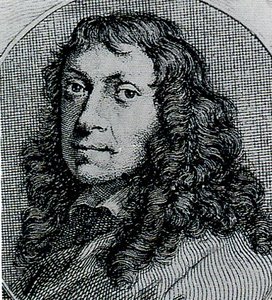
ヴィレム・カルフ
1619 - 1693 , オランダ
基本情報
- Artistic Movement Or Style: オランダ黄金時代、静物画
- Artists Or Movements Influenced By This Artist:
- フランス美術
- ル・ナン兄弟
- Artists Who Influenced This Artist:
- シモン・リュティシュイス
- ピーテル・クラースス
- ヴィレム・クラースゾーン・ヘダ
- Date Of Birth: 1619年
- Date Of Death: 1693年
- Full Name: ヴィレム・カルフ
- Nationality: オランダ
- Notable Artworks:
- ナウティルス杯のある静物画
- 古い井戸
- 銀のピッチャーと磁器のボウル
- Place Of Birth: オランダ、ロッテルダム
関連記事

Golden Age Reflections: Dutch Baroque Painting & Cultural Innovation
Explore the Dutch Golden Age of painting! Discover key artists like Vermeer & ter Borch, their innovative techniques, and the rich cultural context behind these Baroque masterpieces. Learn about collecting & appreciating this iconic art period.

Dutch Baroque Masters: 10 Paintings That Shaped an Era | ArtsDot
Journey through the Golden Age with our guide to the Top 10 Dutch Baroque masterpieces! Explore iconic paintings by Rembrandt, Vermeer & Frans Hals. Find museum-quality art reproductions and elevate your home decor at ArtsDot.com.

黄金世紀の巨匠たち:バロック絵画が彩る10選|ArtsDot
オランダ黄金時代の10大傑作を紐解く!レンブラント、フェルメール…バロック絵画の魅力と時代背景を深く探求。ArtsDotで、至高のアートコレクションと空間演出のヒントを見つけよう。高品質なアートプリントで、お部屋を華やかに。
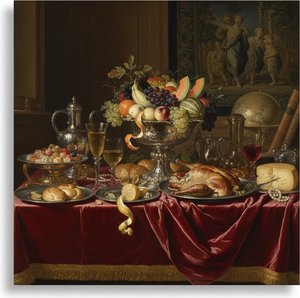
Abraham Hendricksz van Beyeren: Pioneering Dutch Still Life & the Banquet Tradition
Explore the captivating world of Dutch Golden Age still life with Abraham van Beyeren. Discover his innovative techniques, symbolic banquet scenes & lasting influence on art history. Learn about collecting these masterpieces.

Illuminating Innovation: Exploring the Dutch Golden Age of Painting
Explore the Dutch Golden Age of painting with ArtsDot. Discover Rembrandt, Vermeer & other Masters. Learn about key characteristics, iconic artworks, and lasting influence. Expert insights for collectors & enthusiasts.