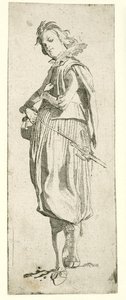
A Fleeting Glimpse into Golden Age Merriment: The World of Willem Pieterszoon Buytewech
Willem Pieterszoon Buytewech, a name perhaps less instantly recognizable than some of his Dutch Golden Age contemporaries, nevertheless occupies a vital and charming niche in the history of 17th-century painting. Born in Rotterdam in 1592, his life was tragically brief – he passed away around 1624 at just thirty-two or thirty-three years old – yet within those few decades, he managed to establish himself as a distinctive voice specializing in scenes of lively social gatherings, earning him the affectionate nickname “gheestige Willem” (jolly or spirited William). His paintings offer us intimate glimpses into the burgeoning prosperity and convivial spirit of the Dutch Republic during its golden age.
Formative Years and Artistic Awakening
Buytewech’s early life was rooted in the trades of his father, Pieter Jacobsz, who worked as both a cobbler and candlemaker. However, young Willem's path led him toward artistry. Around 1612, he journeyed to Haarlem, a thriving center for artistic innovation, where he became an apprentice and joined the esteemed Guild of St. Luke. This period proved pivotal in his development. He found himself amongst notable artists like Hercules Segers and Esaias van de Velde, but it was the influence of Frans Hals that would profoundly shape his style. Buytewech meticulously studied Hals’s work, absorbing his loose brushwork, dynamic compositions, and ability to capture the vitality of human expression. This admiration is evident in numerous surviving drawings where he practices replicating Hals' techniques, laying the foundation for his own unique artistic voice. After marrying Aeltje van Amerongen, a woman from a patrician family, in 1613, Buytewech returned to his native Rotterdam, establishing both a home and an artistic base.
The Art of “Merry Companies” and Genre Painting
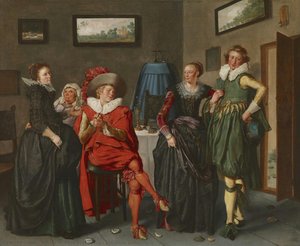
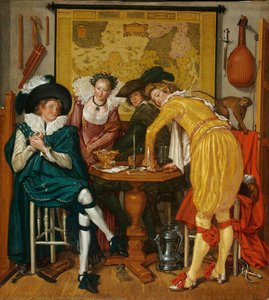
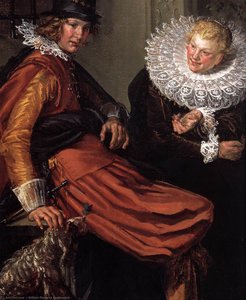
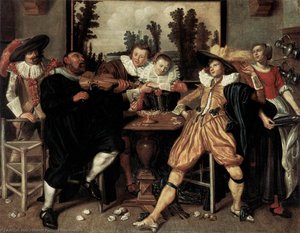
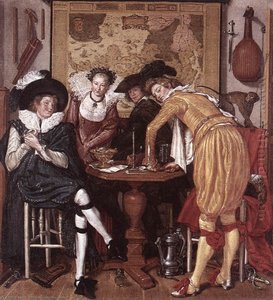
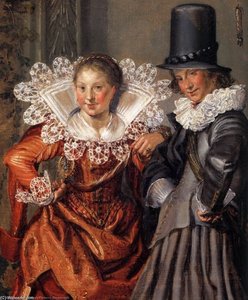
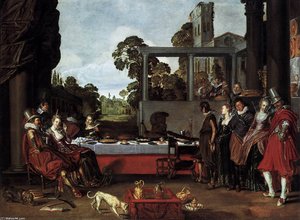
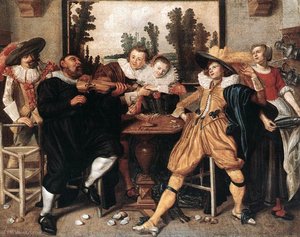
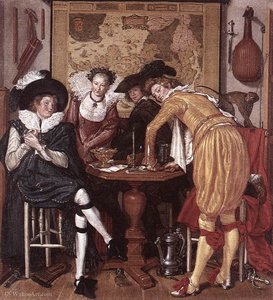
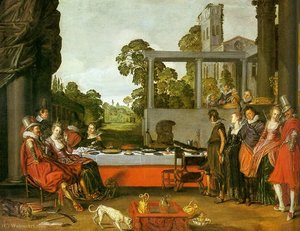
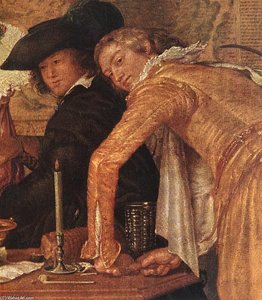
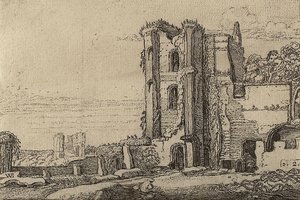
Buytewech quickly carved out a reputation as a specialist in what became known as "merry company" scenes – depictions of affluent individuals enjoying themselves in lively social settings. These weren’t simply portraits; they were snapshots of everyday life, brimming with detail and capturing the energy of Dutch society. While proficient in etching and landscape drawing, only eight paintings are definitively attributed to him today, all falling within this genre category. The Jovial Company (1622) stands as a prime example, showcasing a lavish gathering rendered with rich detail and dramatic lighting. Dignified Couples Courting offers a more intimate scene, capturing the playful interaction between elegantly dressed figures. These paintings aren’t merely decorative; they offer valuable insights into 17th-century Dutch customs, fashion, and social interactions. He blended elements of early Baroque style with a distinctly Dutch sensibility, prioritizing realistic portrayals over idealized forms.
Legacy and Artistic Connections
Despite his short life, Buytewech’s influence extended beyond his own limited oeuvre. He took on pupils, including Hendrik Martenszoon Sorgh, who would go on to become a successful painter in his own right, ensuring the continuation of some of Buytewech's artistic principles. There is also speculation that Herman van Swanevelt may have benefited from his tutelage. His son, Willem Willemsz Buytewech, followed in his father’s footsteps, further cementing the family’s artistic legacy. Buytewech helped to popularize the “merry company” genre, paving the way for future artists to explore similar themes and contributing significantly to the rich tapestry of Dutch Golden Age painting. While not as widely celebrated as some of his contemporaries like Hals or Rembrandt, Willem Pieterszoon Buytewech remains a significant figure, appreciated for his lively compositions, skillful execution, and ability to capture the spirit of an era. His work serves as a vibrant window into the world of 17th-century Holland, reminding us of the joy, prosperity, and social customs that defined this remarkable period in history.