 Preview
 Send
Send Share
Share
 Details

 Download
 Similars
 X-Ray
X-Ray Diaporama
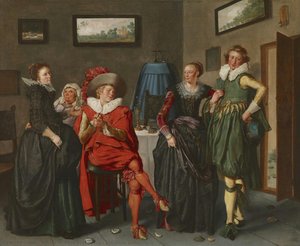
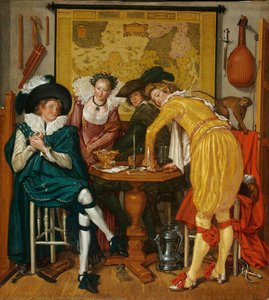
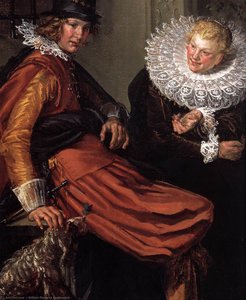
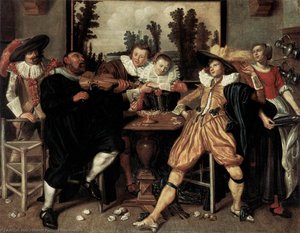
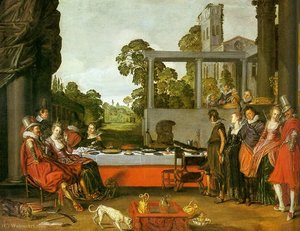
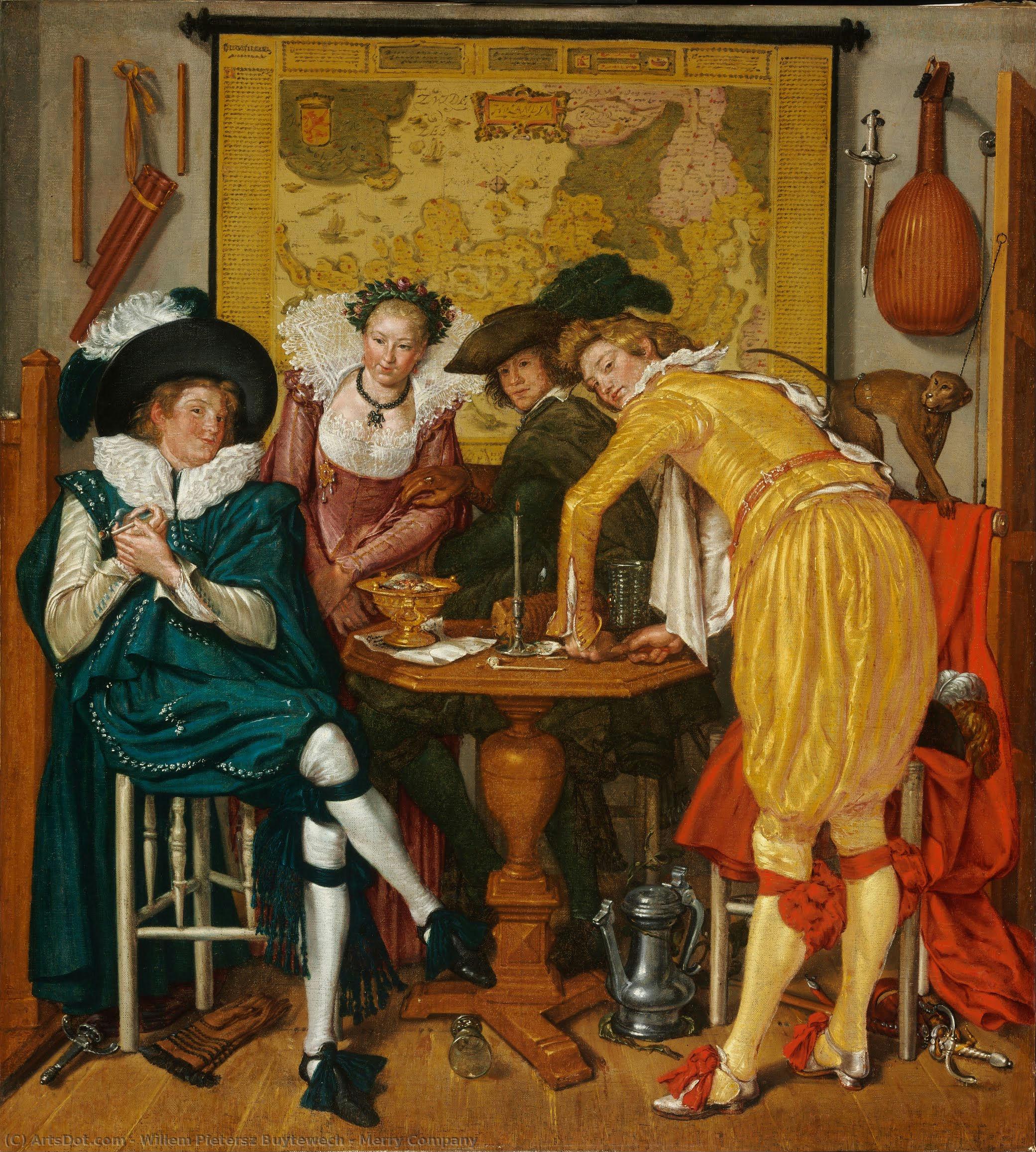
Merry Company
 Acrylic On Canvas
- WallArt
 1622
1622 72.0 x 65.0 cm
 Museum of Fine Arts
 Read More
Hand Made Oil Reproduction
Hand-painted oil on canvas in your size and frame, made to order by our artists. ( Buy Print Buy Image)




P118B $10

P118H $10

P118W $10

P438Z $10

P508JH $12

P508YH $12

P805H $10

P805Z $10

P919BZ $10

P919G $10

P919XJ $10

P959ZH $10

P968JZ $12

W106C $8

W218G $10

W218JH $8

W218Y $10

W307PJ $10

W316G $10

W316PJ $8

W316Y $10

W398PJ $8

W4111J $10

W500HY $15

W500JH $15

W692G $12

W849H $8

W940BG $15

W953PJ $8




Pick from our preset sizes that match the artwork's original proportions.

You may enter your own dimensions to fit a specific frame or space. If your selected size does not match the original image's proportions, we will either crop the artwork or extend the painting with additional hand-painted elements. A digital mockup will be sent for your approval before production begins.
Please note that the on-screen preview does not reflect the actual cropping or extension. Only the mockup will accurately show the final composition.
While custom sizes are available, we recommend selecting a dimension from the predefined list to preserve the original proportions.
After order, ArtsDot.com team will email client for instructions and provide a mockup preview
Worldwide Delivery () in 3/4 weeks instead of standard 5 weeks. (17 August). No compromise on quality.

Free Worldwide Express Shipping

High-Quality Linen Canvas

Full Shipping Insurance

Customs Tax Refund Guarantee

True Color Matching Guarantee

60-Day Return Policy (Defects Only)

100% Money-Back Guarantee

Bulk Discount Offer
 Glass option is only available in size under 110 CM

Merry Company
Reproduction Medium
Reproduction Size
-


Total Price
$ 263
Artwork Description
The Genesis of a Festive Scene
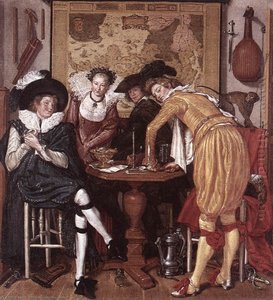
Willem Pieterszoon Buytewech’s “Merry Company” isn't merely a painting; it’s a portal to 17th-century Dutch life, a vibrant snapshot of convivial excess and burgeoning prosperity. Born in Rotterdam in 1592, Buytewech’s tragically short life – he passed away around 1624 at the age of thirty-three – nonetheless left an indelible mark on the world of Dutch genre painting. He carved out a unique niche for himself by specializing in scenes of lively social gatherings, earning him the affectionate moniker “Gheestige Willem” (Jolly William) – a testament to his ability to capture the spirit of merriment with remarkable skill and charm.
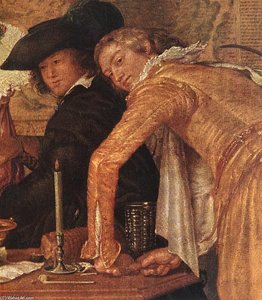
The painting itself, completed around 1620-1622, depicts a scene unfolding within what appears to be a tavern or bustling public house. It’s a tableau brimming with life: a collection of men and women engaged in conversation, drinking, playing music, and generally reveling in the pleasures of company. The composition is remarkably dynamic, drawing the viewer into the heart of this boisterous scene. Notice how Buytewech masterfully uses light and shadow to create depth and movement, imbuing each figure with a distinct personality.
A Window into Dutch Society
“Merry Company” offers a fascinating glimpse into the social fabric of the Dutch Republic during its Golden Age. This period witnessed an unprecedented rise in wealth and trade, transforming Amsterdam into one of Europe’s most cosmopolitan centers. Buytewech's paintings reflect this newfound prosperity, showcasing lavish attire, abundant food and drink, and a general atmosphere of indulgence. The scene isn’t simply about drunken revelry; it subtly hints at the social hierarchies and expectations of the time. The men are dressed in fashionable clothing, suggesting their status and wealth, while the women, though enjoying themselves, occupy a more subordinate position within the group.
Interestingly, Buytewech’s work aligns with a broader artistic trend known as “merry company,” a subgenre of Dutch genre painting that flourished during this period. These paintings often depicted scenes of drinking, music-making, and social interaction – frequently featuring both men and women – offering a romanticized vision of the pleasures of everyday life.
Symbolism and Artistic Technique
Beyond its depiction of lively social interaction, “Merry Company” is rich in symbolic detail. The presence of a map on the wall behind the figures is particularly noteworthy. Buytewech was one of the first Dutch artists to incorporate maps into interior scenes, suggesting a connection between worldly pleasures and geographical exploration – a common theme in Dutch art during this era. The arrangement of objects on the table—cups, bowls, wine glasses—further reinforces the sense of abundance and indulgence.
Technically, Buytewech’s style is characterized by its vibrant colors, dynamic composition, and skillful use of light and shadow. He employed a loose, painterly technique that captures the immediacy and energy of the scene. His brushstrokes are visible, adding to the sense of movement and spontaneity. The painting's overall effect is one of joyous exuberance – Buytewech has successfully captured the essence of a golden age celebration.
A Legacy of Merriment
“Merry Company” remains a beloved example of Dutch Golden Age genre painting, admired for its lively depiction of social life and its skillful execution. It’s a testament to Buytewech's ability to capture the spirit of his time – a period of unprecedented prosperity and cultural flourishing. Today, this captivating artwork resides in the Museum of Fine Arts in Budapest, offering viewers a rare opportunity to step back in time and experience the merriment of 17th-century Holland.
Related Artworks
Artist Biography
A Fleeting Glimpse into Golden Age Merriment: The World of Willem Pieterszoon Buytewech
Willem Pieterszoon Buytewech, a name perhaps less instantly recognizable than some of his Dutch Golden Age contemporaries, nevertheless occupies a vital and charming niche in the history of 17th-century painting. Born in Rotterdam in 1592, his life was tragically brief – he passed away around 1624 at just thirty-two or thirty-three years old – yet within those few decades, he managed to establish himself as a distinctive voice specializing in scenes of lively social gatherings, earning him the affectionate nickname “gheestige Willem” (jolly or spirited William). His paintings offer us intimate glimpses into the burgeoning prosperity and convivial spirit of the Dutch Republic during its golden age.Formative Years and Artistic Awakening
Buytewech’s early life was rooted in the trades of his father, Pieter Jacobsz, who worked as both a cobbler and candlemaker. However, young Willem's path led him toward artistry. Around 1612, he journeyed to Haarlem, a thriving center for artistic innovation, where he became an apprentice and joined the esteemed Guild of St. Luke. This period proved pivotal in his development. He found himself amongst notable artists like Hercules Segers and Esaias van de Velde, but it was the influence of Frans Hals that would profoundly shape his style. Buytewech meticulously studied Hals’s work, absorbing his loose brushwork, dynamic compositions, and ability to capture the vitality of human expression. This admiration is evident in numerous surviving drawings where he practices replicating Hals' techniques, laying the foundation for his own unique artistic voice. After marrying Aeltje van Amerongen, a woman from a patrician family, in 1613, Buytewech returned to his native Rotterdam, establishing both a home and an artistic base.The Art of “Merry Companies” and Genre Painting
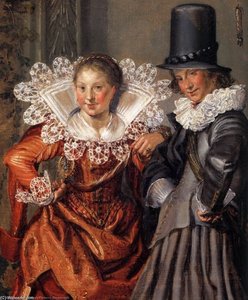
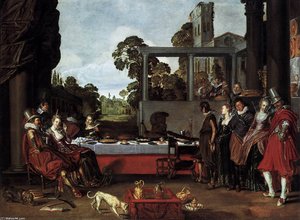
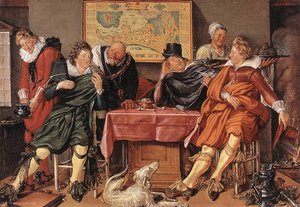
Buytewech quickly carved out a reputation as a specialist in what became known as "merry company" scenes – depictions of affluent individuals enjoying themselves in lively social settings. These weren’t simply portraits; they were snapshots of everyday life, brimming with detail and capturing the energy of Dutch society. While proficient in etching and landscape drawing, only eight paintings are definitively attributed to him today, all falling within this genre category. The Jovial Company (1622) stands as a prime example, showcasing a lavish gathering rendered with rich detail and dramatic lighting. Dignified Couples Courting offers a more intimate scene, capturing the playful interaction between elegantly dressed figures. These paintings aren’t merely decorative; they offer valuable insights into 17th-century Dutch customs, fashion, and social interactions. He blended elements of early Baroque style with a distinctly Dutch sensibility, prioritizing realistic portrayals over idealized forms.Legacy and Artistic Connections
Despite his short life, Buytewech’s influence extended beyond his own limited oeuvre. He took on pupils, including Hendrik Martenszoon Sorgh, who would go on to become a successful painter in his own right, ensuring the continuation of some of Buytewech's artistic principles. There is also speculation that Herman van Swanevelt may have benefited from his tutelage. His son, Willem Willemsz Buytewech, followed in his father’s footsteps, further cementing the family’s artistic legacy. Buytewech helped to popularize the “merry company” genre, paving the way for future artists to explore similar themes and contributing significantly to the rich tapestry of Dutch Golden Age painting. While not as widely celebrated as some of his contemporaries like Hals or Rembrandt, Willem Pieterszoon Buytewech remains a significant figure, appreciated for his lively compositions, skillful execution, and ability to capture the spirit of an era. His work serves as a vibrant window into the world of 17th-century Holland, reminding us of the joy, prosperity, and social customs that defined this remarkable period in history.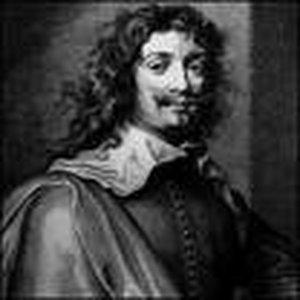
willem pietersz buytewech
1592 - 1624 , Netherlands
Quick Facts
- Artistic Movement Or Style: Baroque, Genre Painting
- Artists Or Movements Influenced By This Artist: ['Hendrik Sorgh']
- Artists Who Influenced This Artist: ['Frans Hals']
- Date Of Birth: 1592
- Date Of Death: 1624
- Full Name: Willem Pieterszoon Buytewech
- Nationality: Dutch
- Notable Artworks:
- The Jovial Company
- Dignified Couples Courting
- Banquet in the Open Air
- Place Of Birth: Rotterdam, Netherlands
Related Articles

Dutch Masters: 10 Golden Age Paintings That Still Inspire |
Journey into the Dutch Golden Age! Explore 10 iconic paintings by Rembrandt, Vermeer & Hals. Discover the stories behind these Baroque masterpieces and find museum-quality art reproductions to elevate your home decor on .

Golden Age Reflections: Dutch Baroque Painting & Cultural Innovation
Explore the Dutch Golden Age of painting! Discover key artists like Vermeer & ter Borch, their innovative techniques, and the rich cultural context behind these Baroque masterpieces. Learn about collecting & appreciating this iconic art period.

Illuminating Innovation: Exploring the Dutch Golden Age of Painting
Explore the Dutch Golden Age of painting with ArtsDot. Discover Rembrandt, Vermeer & other Masters. Learn about key characteristics, iconic artworks, and lasting influence. Expert insights for collectors & enthusiasts.
Illuminating Realism: Exploring the Dutch Golden Age of Painting (1600-1700)
Explore the Dutch Golden Age of painting (1600-1700) with ArtsDot. Discover Rembrandt, Vermeer & other masters. Learn about techniques, history & find museum-quality reproductions.
Willem van de Velde the Elder: Master of Maritime Painting & Chronicler of the Dutch Golden Age
Discover the captivating maritime paintings of Willem van de Velde the Elder, a master chronicler of the Dutch Golden Age. Explore his unparalleled realism and lasting influence on naval art history.