The Rise of a Republic: Historical Context & Artistic Flourishing
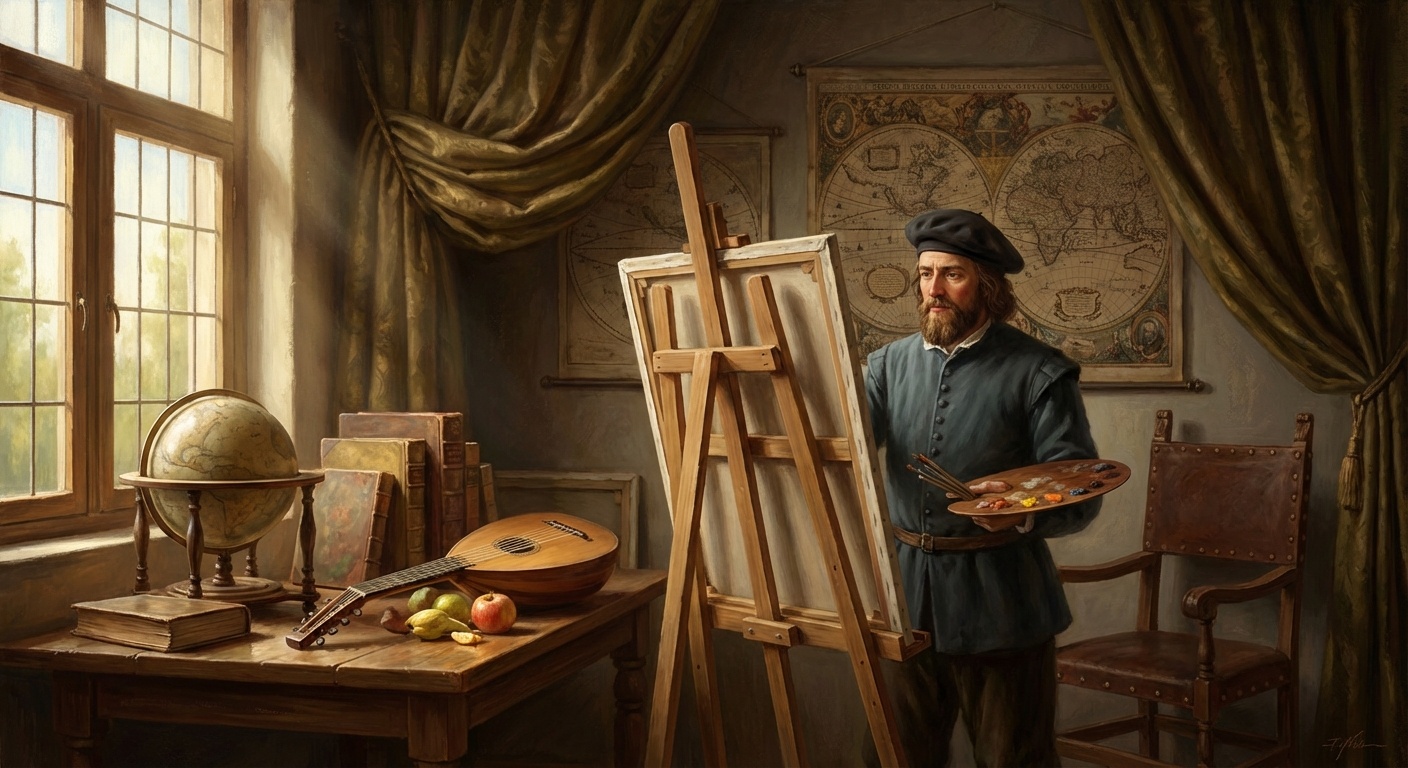
The 17th century Netherlands, a period often lauded as the Dutch Golden Age, wasn’t merely defined by economic prosperity and colonial expansion; it was an era of unprecedented artistic blossoming. Emerging from eighty years of struggle for independence from Spain, the newly formed Dutch Republic fostered a climate remarkably conducive to creative expression. Unlike many European nations governed by centralized patronage systems, the Netherlands embraced a burgeoning merchant class eager to commission works reflecting their newfound wealth and status – and importantly, their pragmatic worldview. This shift in patronage fundamentally altered the subject matter and style of painting. Religious art, while not entirely absent, took a backseat to scenes of daily life, portraits celebrating individual achievement, and landscapes capturing the beauty of the Dutch countryside. The spirit of innovation wasn’t confined to canvas; it permeated every facet of society, from scientific inquiry to shipbuilding, creating an environment where artists were encouraged to experiment and push boundaries.
The relative freedom afforded to artists allowed for a diversification of styles previously unseen. While Italian Renaissance traditions held sway elsewhere, Dutch painters developed a uniquely realistic approach, prioritizing meticulous detail, accurate observation, and the masterful use of light – a technique known as chiaroscuro that would become synonymous with the era. This wasn’t simply about technical skill; it was about conveying a sense of authenticity, reflecting the values of a society grounded in commerce and practicality. The rise of art markets, particularly in cities like Amsterdam, further fueled this growth, allowing artists to connect directly with buyers and cultivate individual reputations.
Genre Painting: Capturing Everyday Life with Unprecedented Detail
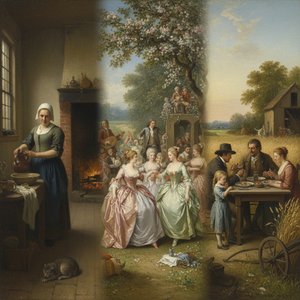 Scenes of Daily Life: A Comprehensive Exploration of Genre Painting Through History
Explore the rich history of genre painting! Discover Dutch Masters & European artists who captured everyday life with stunning realism. Learn about symbolism, techniques & lasting influence.
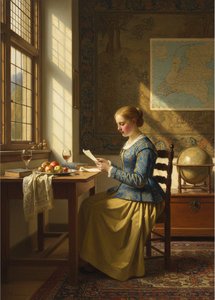
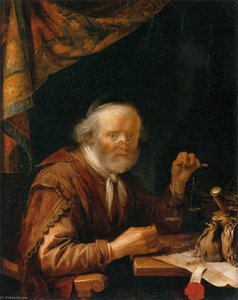
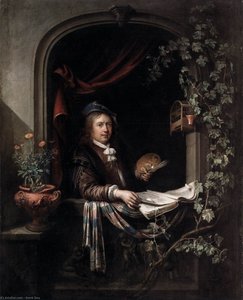
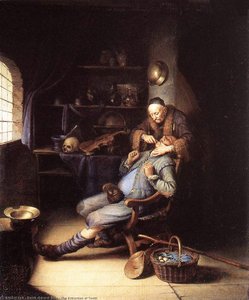
Perhaps the most defining characteristic of Dutch Golden Age painting is its profound focus on genre scenes – depictions of ordinary people engaged in everyday activities. This wasn’t a celebration of aristocratic life or mythological grandeur; it was an intimate portrayal of domesticity, work, and leisure. Artists like Johannes Vermeer elevated these seemingly mundane subjects to the level of high art, imbuing them with quiet dignity and psychological depth. Consider his iconic “The Milkmaid,” not merely a representation of a kitchen servant but a study in light, texture, and the subtle beauty of routine. Gerrit Dou, another master of genre painting, specialized in *intimate* interiors, often depicting scenes of modest means with an almost photographic realism. His works are characterized by their exquisite detail and masterful use of light to create a sense of warmth and tranquility.
The appeal of these paintings lay not only in their technical brilliance but also in their subtle symbolism. Objects within the scene weren’t merely decorative; they often carried hidden meanings, reflecting moral lessons or social commentary. A half-peeled lemon might symbolize transience, while a discarded shoe could represent domestic discord. This layer of allegory added another dimension to these works, rewarding careful observation and inviting viewers to contemplate deeper themes beneath the surface realism. The Dutch penchant for order and cleanliness is also reflected in these scenes, showcasing well-maintained homes and meticulously arranged objects – a visual representation of societal values.
Rembrandt van Rijn: Master of Light, Shadow, and Psychological Depth
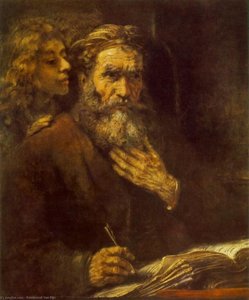 Evangelist Matthew and the Angel
Explore Rembrandt’s ‘Evangelist Matthew & Angel’! A dramatic Baroque masterpiece showcasing chiaroscuro, biblical narrative, and the artist's genius. Discover this iconic work.
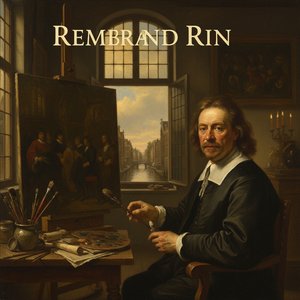
Rembrandt Harmenszoon van Rijn, arguably the most celebrated artist of the Dutch Golden Age, transcends simple categorization. While proficient in portraiture and historical painting, it was his unparalleled mastery of light and shadow – chiaroscuro taken to its zenith – that truly set him apart. His self-portraits, spanning decades of his life, offer a remarkably honest and unflinching exploration of aging, vulnerability, and the human condition. “Joseph Racontant Ses Songes,” for example, demonstrates not only Rembrandt’s technical skill but also his ability to convey complex emotions through subtle facial expressions and dramatic lighting.
Rembrandt wasn't merely interested in *representing* reality; he sought to capture the inner life of his subjects. His portraits are renowned for their psychological depth, revealing a profound understanding of human character. He achieved this through innovative techniques like impasto – applying thick layers of paint to create texture and highlight – and a masterful use of glazing to build up rich, luminous colors. Even in his biblical scenes, such as “Evangelist Matthew & Angel,” Rembrandt imbued the figures with a sense of humanity and emotional resonance rarely seen in earlier religious art. His later works, often characterized by looser brushwork and darker palettes, reflect a growing introspection and spiritual depth.
Beyond Rembrandt: Key Figures and Diverse Styles of the Era
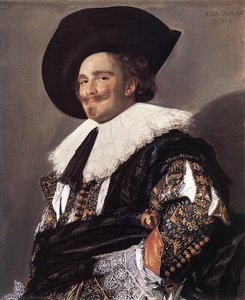
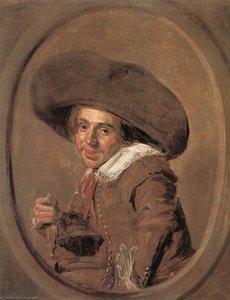
While Rembrandt undoubtedly stands as a towering figure, the Dutch Golden Age was populated by a constellation of talented artists each contributing to the era’s unique aesthetic. Johannes Vermeer, with his meticulous attention to detail and serene compositions, captured the quiet beauty of domestic life. Frans Hals, known for his lively portraits and dynamic brushwork, brought an unparalleled energy to his depictions of burghers and soldiers. Jan Steen specialized in chaotic genre scenes filled with playful narratives and subtle social commentary.
The diversity of styles within the Dutch Golden Age is striking. While some artists embraced a highly realistic approach, others experimented with more expressive techniques. Landscape painting flourished, with artists like Jacob van Ruisdael capturing the vastness and atmospheric beauty of the Dutch countryside. Still life painters, such as Willem Kalf, elevated humble objects – flowers, fruit, and tableware – to the level of artistic expression, often imbuing them with symbolic meaning. This breadth of talent and stylistic innovation is a testament to the freedom and creativity that characterized the era.
Techniques and Materials: The Secrets Behind Dutch Realism
The remarkable realism achieved by Dutch Golden Age painters wasn’t simply a matter of innate talent; it was the result of meticulous technique and careful selection of materials. Artists typically began with a carefully prepared canvas, often primed with multiple layers of ground to create a smooth surface. They employed oil paints, renowned for their slow drying time which allowed for blending and layering. The use of glazes – thin, transparent layers of paint – was crucial for building up rich colors and creating luminous effects.
Chiaroscuro, the dramatic contrast between light and shadow, was a defining characteristic of Dutch painting. Artists carefully controlled the direction and intensity of light to create depth, highlight specific features, and evoke emotional responses. The use of perspective, both linear and atmospheric, further enhanced the sense of realism. Dutch painters also demonstrated an exceptional understanding of anatomy and color theory, allowing them to accurately represent human figures and objects with remarkable precision. Their dedication to observation and experimentation resulted in a level of detail rarely seen before or since.
Legacy & Influence: How the Dutch Golden Age Shaped Art History
The impact of the Dutch Golden Age on subsequent art history is profound. The era’s emphasis on realism, genre painting, and individual expression paved the way for new artistic movements in the 18th and 19th centuries. Artists like Gustave Courbet and Jean-François Millet drew inspiration from the Dutch Masters' depictions of everyday life, while Impressionists embraced their use of light and color. The Dutch Golden Age also established a lasting tradition of art collecting and connoisseurship, with museums around the world showcasing the masterpieces of Rembrandt, Vermeer, and their contemporaries.
Today, paintings from this period continue to captivate audiences with their beauty, detail, and emotional resonance. At ArtsDot.com, we are proud to offer museum-quality reproductions of these iconic works, allowing you to bring the splendor of the Dutch Golden Age into your own home. Whether you’re a seasoned art collector or simply appreciate beautiful paintings, exploring the legacy of this remarkable era is sure to be a rewarding experience.