The Rise of Genre Painting: From Religious Narrative to Everyday Life
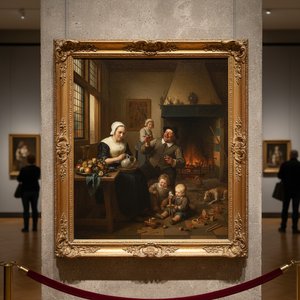
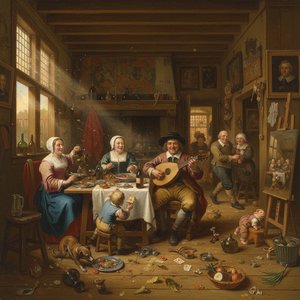
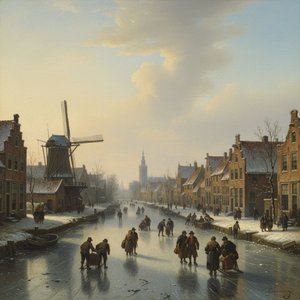
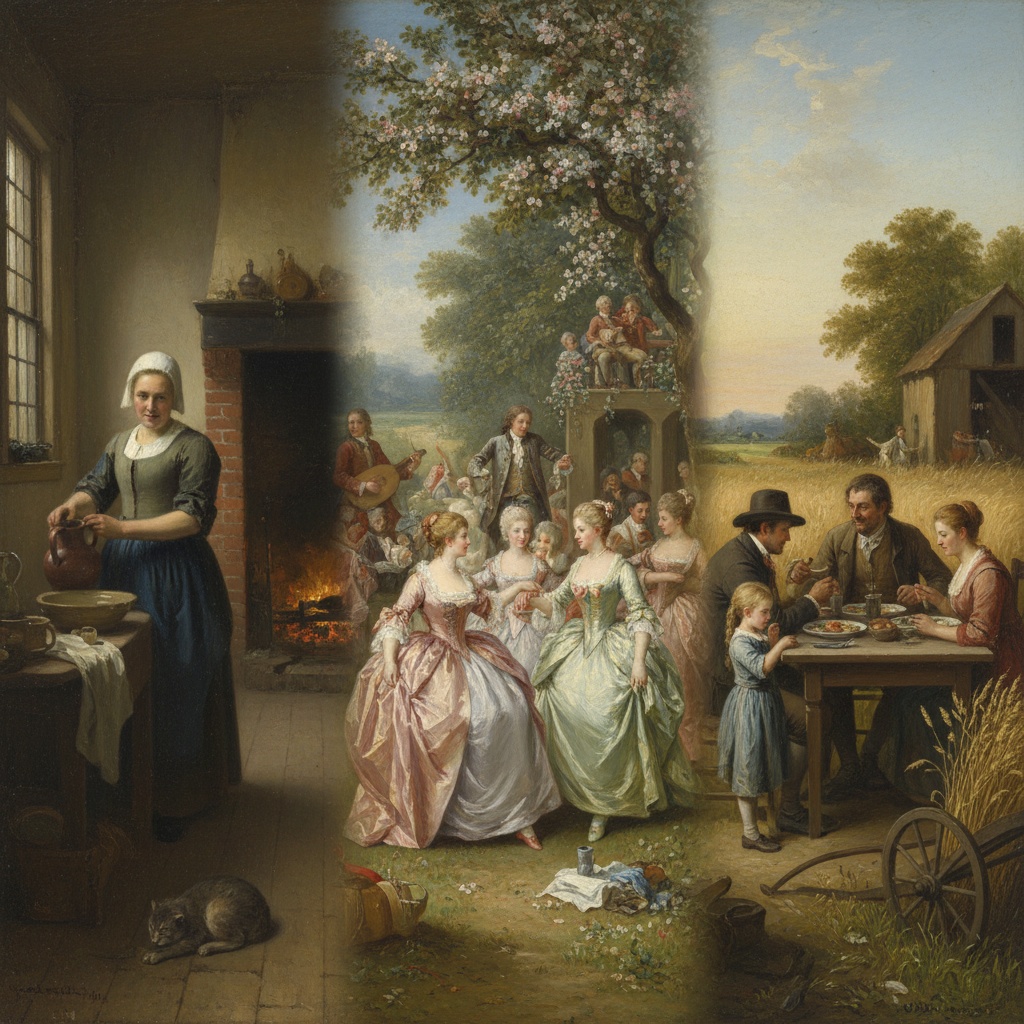
Genre painting (or petit genre) is the painting of genre art, which depicts aspects of everyday life by portraying ordinary people engaged in common activities. One common definition of a genre scene is that it shows figures to whom no identity can b...
For centuries, art was largely the domain of the sacred and the powerful – biblical scenes, mythological epics, portraits of nobility. But a subtle shift began in the 16th century, a quiet revolution that turned the gaze of artists towards the commonplace. This wasn’t an abrupt departure; rather, it was a gradual widening of focus, initially manifesting as details within larger religious compositions—a meticulously rendered kitchen scene glimpsed through a window, or the realistic depiction of peasant clothing in a Nativity. These were not merely background elements, but nascent explorations of the world around them. Early Flemish painters like Jan Sanders van Hemessen began to depict scenes of everyday life with increasing detail and independence, foreshadowing the full flowering of genre painting that would come.
This early interest wasn’t purely aesthetic. Often, these seemingly innocuous depictions carried moral undertones – a bustling market scene could be a commentary on greed or excess, while an intimate domestic interior might subtly promote virtues like piety and industry. The “Mannerist inversion” paintings of Joachim Beuckelaer and Pieter Aertsen exemplify this trend; they presented lavish displays of food and goods, but often with hidden religious symbolism woven into the composition, reminding viewers of earthly transience even amidst abundance. This period laid the groundwork for a more direct engagement with the realities of daily life, paving the way for the Dutch Golden Age.
Dutch Masters of Daily Existence: A Golden Age Perspective
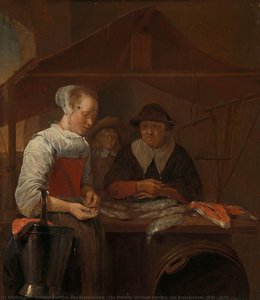 The fishwife, Quiringh Gerritsz. van Brekelenkam, 1650 - 1670
Discover 'The Fishwife' by Quiringh Gerritsz. van Brekelenkam – a stunning 1670 Dutch Golden Age oil painting. Explore realism, masterful detail & daily life scenes.
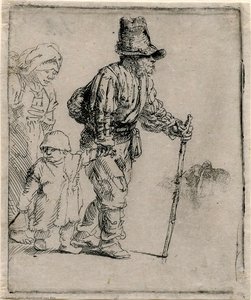
The 17th century Netherlands witnessed an unprecedented flourishing of genre painting, fueled by economic prosperity and a burgeoning middle class eager to adorn their homes with depictions of their own world. Unlike aristocratic patrons who demanded grand historical narratives, these new collectors sought scenes they could relate to – the warmth of a tavern, the industry of a farrier’s shop, the quiet dignity of a fishwife. Artists responded with remarkable sensitivity and skill.
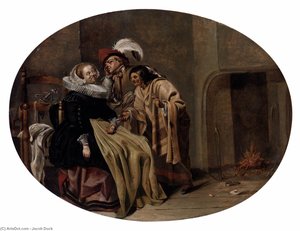
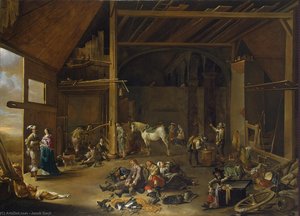
Figures like Jacob Duck captured the lively atmosphere of taverns in works such as “Interior with Soldiers & Women,” showcasing detailed figures and masterful use of chiaroscuro to create a sense of immediacy. Barend Gael’s “A Farrier’s Shop” exemplifies Dutch realism, meticulously rendering the tools, textures, and even the dust motes dancing in the light. Quiringh Gerritsz. van Brekelenkam's "The Fishwife" is a stunning example of this dedication to detail, portraying not just a profession but a person with quiet strength and dignity. Adriaen van Ostade became renowned for his scenes of peasant life, depicting taverns and rural settings with both humor and empathy.
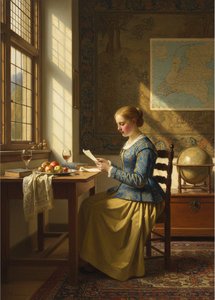
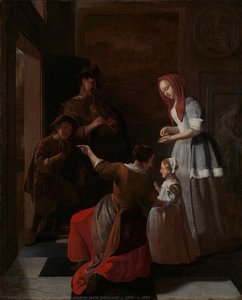
However, the Dutch masters weren’t simply documenting reality; they were interpreting it. Artists like Gabriel Metsu, influenced by Rembrandt and Vermeer, infused their genre scenes with subtle symbolism and psychological depth, exploring themes of love, courtship, and social status. Hendrick van der Burgh, known for his “hvb” monogram, created intimate depictions of simple domestic moments, capturing the quiet beauty of everyday life in Delft.
Beyond Holland: Genre Painting Across Europe – France, Italy & Beyond
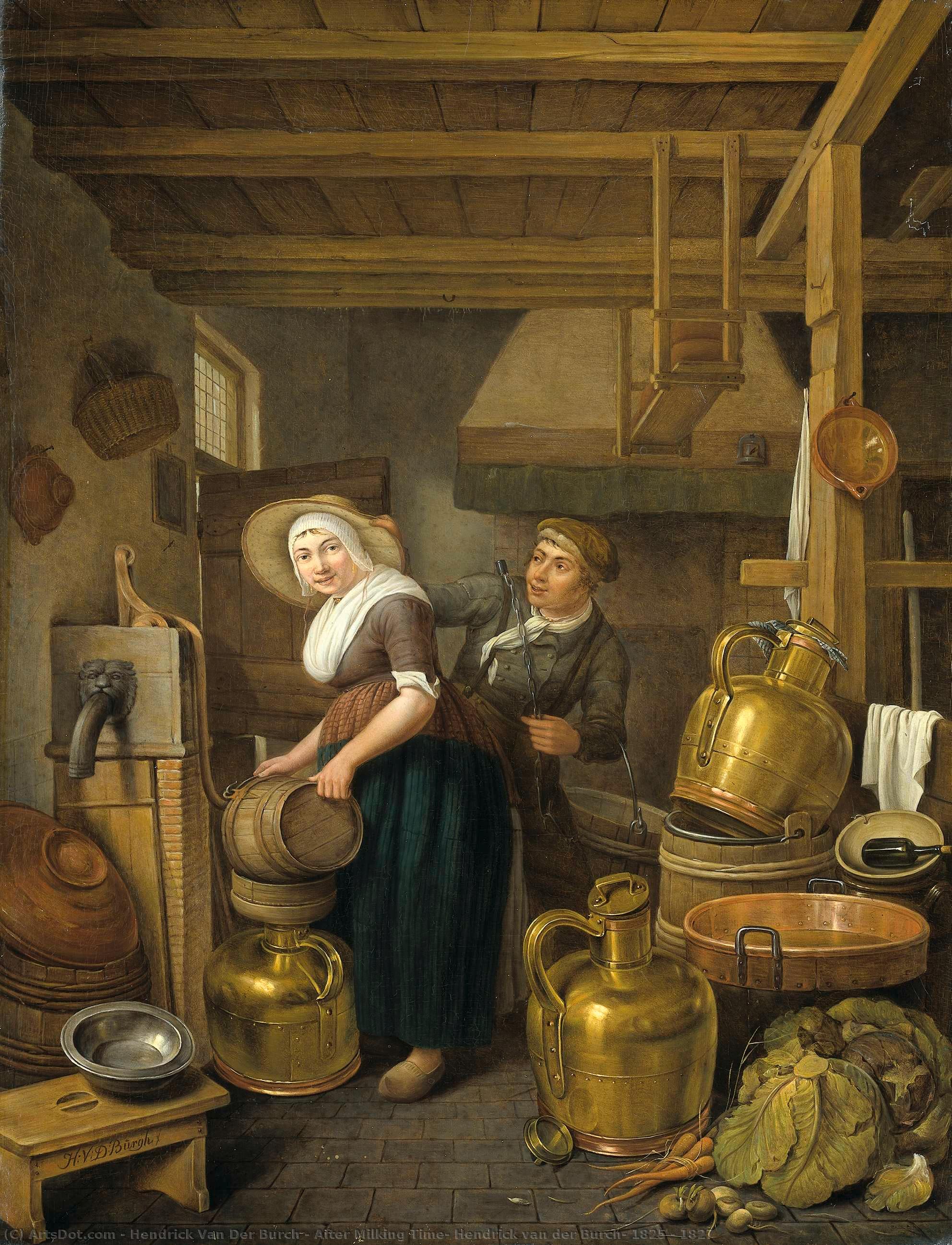 hendrick van der burch
Discover Hendrick van der Burgh’s intimate Dutch Golden Age genre paintings – simple scenes of daily life by this Delft master, known for his ‘hvb’ monogram.
While the Dutch Golden Age represents the pinnacle of genre painting, the movement wasn’t confined to the Netherlands. Throughout Europe, artists were increasingly drawn to depicting scenes from daily life, albeit with varying degrees of emphasis and stylistic approaches. In France, painters like Jean-Baptiste-Siméon Chardin, though later in the 18th century, brought a similar level of meticulous observation and quiet dignity to still lifes and domestic interiors.
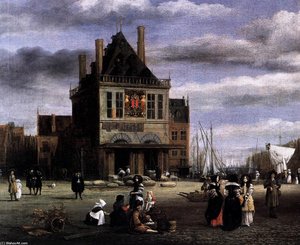
Italy also saw a growing interest in genre scenes, often incorporating elements of *vedute* (cityscapes) and *casine* (scenes of everyday life). While perhaps not reaching the same level of widespread popularity as in Holland, these Italian examples demonstrate a broader European fascination with capturing the realities of contemporary existence. The influence of Dutch genre painting extended even further afield, inspiring artists across Northern Europe to embrace realism and focus on the lives of ordinary people.
Symbolism and Social Commentary in Genre Scenes
To view genre paintings as mere depictions of everyday life is to miss a crucial dimension of their meaning. Beneath the surface of seemingly innocuous scenes often lay layers of symbolism and social commentary. Artists frequently employed objects, gestures, and settings to convey moral messages or subtle critiques of contemporary society.
For example, a cluttered table might symbolize excess and indulgence, while a simple meal could represent piety and frugality. The presence of certain animals – like dogs, often associated with fidelity – could hint at themes of loyalty or betrayal. Even the clothing worn by figures could convey social status or moral character. Artists weren’t simply recording what they saw; they were using their art to engage in a dialogue about the values and anxieties of their time.
Techniques and Characteristics of Genre Painting: Realism, Composition & Light
The defining characteristic of genre painting is its commitment to realism – a desire to depict the world as it appeared, with meticulous attention to detail. This required artists to master techniques of observation, perspective, and light. Dutch masters were particularly adept at capturing the subtle nuances of texture, color, and form.
Chiaroscuro, the dramatic use of light and shadow, was employed to create a sense of depth and atmosphere, drawing the viewer’s eye to key elements within the composition. Composition played a crucial role in guiding the viewer’s gaze and conveying narrative meaning. Artists carefully arranged figures and objects to create balanced and harmonious scenes. The use of oil paints allowed for rich colors and subtle gradations of tone, further enhancing the realism of their work.
The Enduring Legacy of Genre Painting: Influence on Modern Art
Though its peak may have been in the 17th century, the legacy of genre painting continues to resonate today. Its emphasis on realism, social commentary, and psychological depth paved the way for later movements such as Realism and Impressionism. Artists like Gustave Courbet and Édouard Manet drew inspiration from Dutch masters, embracing a similar commitment to depicting contemporary life with honesty and unflinching detail.
The influence of genre painting can also be seen in the work of 19th-century artists such as Jean-François Millet, whose scenes of peasant life captured the dignity and hardship of rural existence. Even today, artists continue to explore themes of everyday life, demonstrating the enduring power of this seemingly simple yet profoundly meaningful art form.
At ArtsDot.com, we celebrate the rich tradition of genre painting, offering high-quality reproductions of masterpieces from Dutch Masters and beyond. Explore our collection today and discover the beauty and depth of everyday life captured on canvas.