

 プレビュー
プレビュー
 プリントを購入
 シェアする
シェアする シェアする
シェアする
 詳細を見る
詳細を見る

 ダウンロード
 似ている作品
 X線調査
X線調査 スライドショー
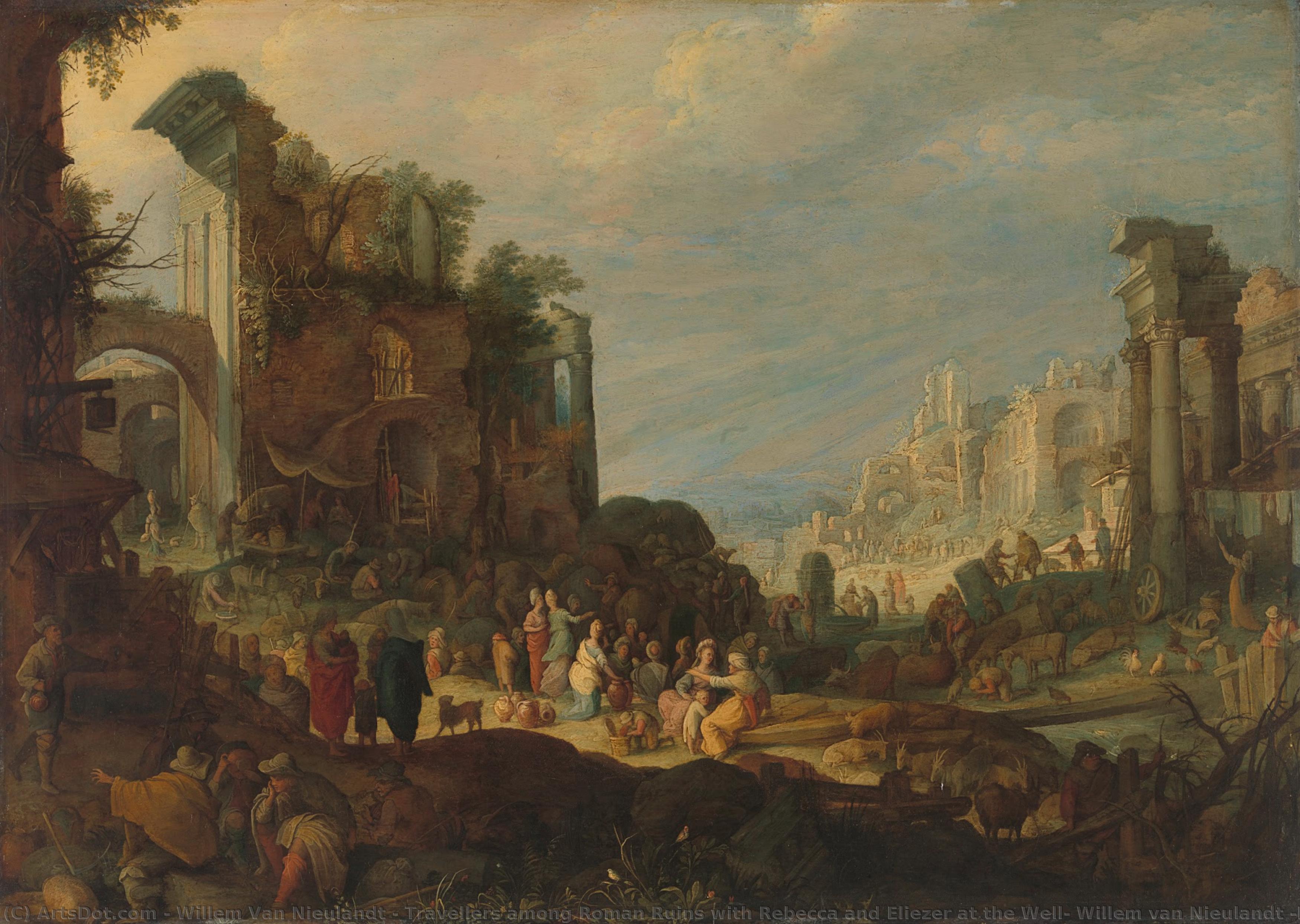
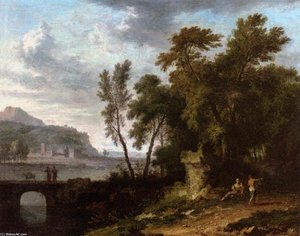
Travellers among Roman Ruins with Rebecca and Eliezer at the Well, Willem van Nieulandt (II) (attributed to), c. 1602 - c. 1605


 詳細を見る
詳細を見る
オンラインプレビューをはるかに凌ぐ、高解像度で鮮明なデジタル画像をご購入いただけます。
各ファイルは、社内の専門家が高度なツールと熟練した手作業によるレタッチを用いて、細心の注意を払って準備されています。すべての画像において、卓越した鮮明度、正確な色彩再現性、そして繊細なディテールを保証いたします。
最終ファイルは、プロフェッショナルな編集・印刷環境ですぐにご利用いただけるよう最適化された状態で、72時間以内にメールにてお届けいたします。これは、一流のデザインスタジオ、出版社、ギャラリーから信頼されているものと同等の品質です。
デジタル画像のご注文に付随する特典
高品質なデジタル画像配信を、確かな品質で。
ArtsDot.com を選ぶことは、単に画像を手に入れることではありません。それは、プロの手によって精密に仕上げられ、満足保証が付いた高品質なデジタルアートワークを受け取ることを意味します。ご注文いただいた際に自動的に付随する内容は、以下の通りです:

メールですぐにお届け
ご注文から72時間以内に、高解像度のデジタル画像ファイルがメールでお手元に届きます。すぐにそのままご利用いただけます。

AI技術で最適化されたデジタルファイル
お客様の作品は、高度なAIツールと専門家による手作業の編集を組み合わせてプロフェッショナルに最適化されており、細部のディテール、鮮明さ、そして正確な色再現性を最大限に引き出しています。

一生涯無料の再送サービス
ファイルを誤って削除したり、紛失してしまったりしましたか?ご安心ください。いつでも無料で再送いたします。

輸入手数料は一切かかりません
関税や手数料、配送料を気にすることなく、お気に入りのアートワークをすぐにお楽しみいただけます。デジタルダウンロードは常に免税です。

色彩再現の保証
プロ仕様のツールとカラーマネジメント技術を用いることで、デジタル画像が元の色を最大限に忠実に再現することを保証いたします。

60日間満足保証
ご購入いただいたデジタル画像にご満足いただけない場合は、60日以内であれば、修正または100%の返金(理由を問う必要はありません)をさせていただきます。

100% 返金保証
ご満足いただけない場合は、デジタルファイルを受け取ってから60日以内であれば、理由を問わず全額返金いたします。

まとめ買い割引
3枚購入で10%OFF - 5枚購入で15%OFF - 10枚以上購入で20%OFF。クリエイティブなプロジェクト、ギャラリー、エージェンシーに最適です。
関連作品
作家の略歴
The Architect of Illusion: The Multifaceted Legacy of Willem van Nieulandt
Willem van Nieulandt, a name that resonates with the intellectual vigor of the Dutch Golden Age, was far more than a mere practitioner of the brush. Born around 1584 in the vibrant artistic hub of Antwerp, he emerged as a true Renaissance man—a poet, playwright, engraver, and painter whose work bridged the gap between visual splendor and literary depth. His life was a tapestry woven from the threads of various European cultures, shaped by the religious upheavals of his era and a profound, lifelong obsession with the grandeur of classical antiquity. To study Van Nieulandt is to witness a mind attempting to reconstruct the lost glory of Rome through the delicate medium of light, shadow, and ink.
The foundations of his artistry were laid in an environment steeped in tradition. As the son of the painter Adrien van Nieulandt the elder, Willem was immersed in the language of art from infancy. However, the shifting political tides of the late 16th century—specifically the siege of Antwerp and the ensuing religious tensions between Catholics and Protestants—forced his family to relocate to Amsterdam. It was here that his formal training began, under the guidance of Roelant Savery. This early period instilled in him a meticulous attention to detail and a mastery of the stylistic currents flowing through the Dutch Republic. Yet, the true metamorphosis of his soul occurred when he embarked on a transformative pilgrimage to Rome in 1607. Seeking the mentorship of the renowned Paulus Bril, Van Nieulandt did not merely learn new techniques; he absorbed the very essence of the Italianate spirit.
Ruins and Reverie: The Symbiosis of Landscape and Lore
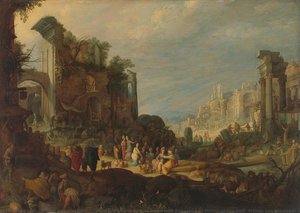
In the sun-drenched landscapes of Italy, Van Nieulandt found his true calling. He became a master of the capriccio—a style of painting that blends real architectural fragments with imaginative compositions to create a dreamlike, idealized reality. His works often feature the skeletal remains of Roman temples, crumbling forums, and weathered monuments, not as mere subjects of decay, but as vessels for profound emotional truths. Through his eyes, a broken column was not just stone; it was a poignant symbol of the passage of time and the inevitable decline of even the mightiest empires. This fascination with the classical past allowed him to infuse his landscapes with a sense of melancholy and contemplation that resonated deeply with the humanist ideals of his age.
What truly distinguishes Van Nieulatesque compositions is the way he enlivened these silent ruins with human drama. His canvases frequently serve as stages for biblical narratives, mythological encounters, or contemporary figures lost in thought amidst the debris of history. One might find a scene from Genesis, such as Rebecca offering water to Eliezer, set against the backdrop of the Roman Forum. By placing timeless human stories within the context of ancient architectural decay, he created a powerful dialogue between the eternal and the ephemeral. His ability to weave intricate narratives into his landscapes transformed his paintings from simple vistas into complex, multi-layered meditations on faith, memory, and the human condition.
A Lasting Impression on the Golden Age
Beyond the canvas, Van Nieulandt’s influence extended into the very fabric of Northern European literature and printmaking. As a celebrated poet and playwright in the Habsburg Netherlands, he possessed a unique ability to articulate the intellectual zeitgeist of the early 17th century. His engravings further expanded his reach, allowing his precise, detailed visions of Roman grandeur to circulate widely throughout Europe. This versatility ensured that his artistic voice was heard not only by those who admired fine painting but also by the scholars and literati who shaped the cultural landscape of his time.
The historical significance of Willem van Nieulandt lies in his role as a bridge between eras. He carried the torch of classical humanism into the burgeoning era of the Dutch Golden Age, blending the nostalgic reverence for antiquity with the emerging realism of Northern European art. Though he passed away around 1635, his legacy remains etched in the architectural fragments and poetic verses he left behind. He remains a vital figure for any student of art history, representing a rare moment in time when the poet's pen and the painter's brush worked in perfect, haunting harmony to capture the fleeting beauty of a world in transition.
willem van nieulandt
1584 - 1635
プロフィール概要
- Artistic Movement Or Style: Italianate Ruins
- Artists Or Movements Influenced By This Artist: ['Renaissance Painting']
- Artists Who Influenced This Artist: ['Roelant Savery']
- Date Of Death: 1635
- Full Name: Willem van Nieulandt
- Nationality: Dutch
- Notable Artworks: ['The Ruins of Pompeii']
- Place Of Birth: Antwerp

