

 プレビュー
プレビュー
 シェアする
シェアする シェアする
シェアする
 詳細を見る
詳細を見る

 ダウンロード
 似ている作品
 X線調査
X線調査 スライドショー
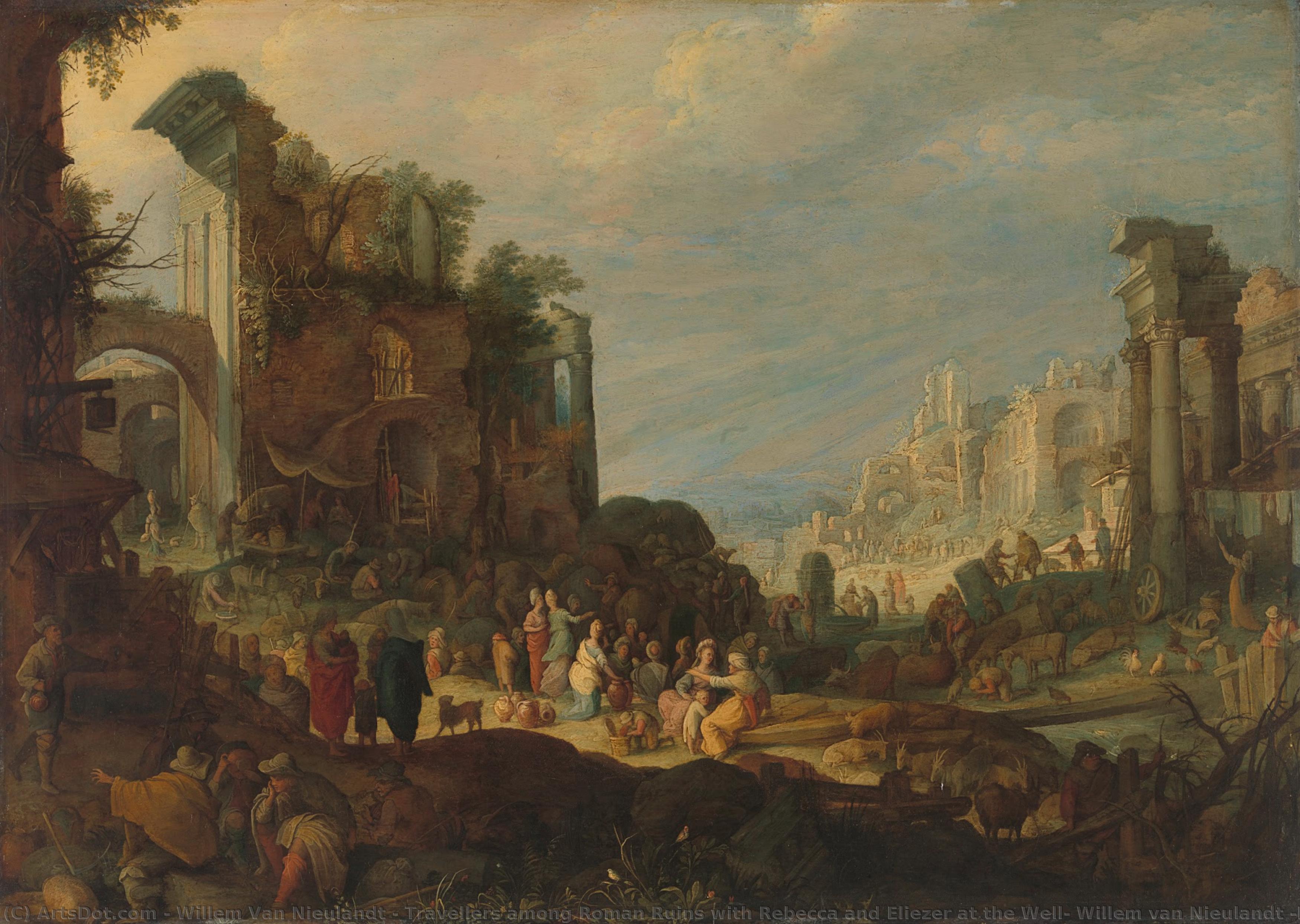
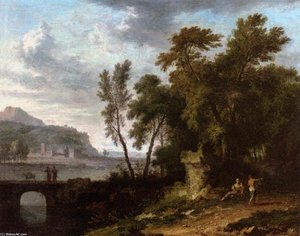
Travellers among Roman Ruins with Rebecca and Eliezer at the Well, Willem van Nieulandt (II) (attributed to), c. 1602 - c. 1605


 詳細を見る
詳細を見る
ジークレー/アートプリント
迅速な制作と多彩な仕上げオプションを備えた、ミュージアムクオリティのジークレーまたはキャンバスプリント。 ( 手描きの絵画を購入 画像を購入)




































作品のオリジナル比率に合わせた、当店の規定サイズからお選びください。

特定のフレームやスペースに合わせて、ご自身でサイズを指定することも可能です。選択されたサイズが元の画像の比率と一致しない場合、作品をトリミングするか、鏡面反射または単色での塗りつぶしによって画像を拡張いたします。制作を開始する前に、ご確認用のデジタルモックアップをお送りいたします。
画面上のプレビューには、実際のトリミングや拡張は反映されませんのでご注意ください。最終的な構図を正確に確認できるのは、モックアップのみとなります。
カスタムサイズも承っておりますが、元の比率を維持するためには、あらかじめ用意されたリストからサイズを選択することをお勧めいたします。


 ガラスオプションは、110cm未満のサイズでのみご利用いただけます。

Travellers among Roman Ruins with Rebecca and Eliezer at the Well, Willem van Nieulandt (II) (attributed to), c. 1602 - c. 1605
ジークレー/アートプリント
複製画のサイズ
-


合計金額
$ 62
関連作品
アーティストの略歴
The Architect of Illusion: The Multifaceted Legacy of Willem van Nieulandt
Willem van Nieulandt, a name that resonates with the intellectual vigor of the Dutch Golden Age, was far more than a mere practitioner of the brush. Born around 1584 in the vibrant artistic hub of Antwerp, he emerged as a true Renaissance man—a poet, playwright, engraver, and painter whose work bridged the gap between visual splendor and literary depth. His life was a tapestry woven from the threads of various European cultures, shaped by the religious upheavals of his era and a profound, lifelong obsession with the grandeur of classical antiquity. To study Van Nieulandt is to witness a mind attempting to reconstruct the lost glory of Rome through the delicate medium of light, shadow, and ink.
The foundations of his artistry were laid in an environment steeped in tradition. As the son of the painter Adrien van Nieulandt the elder, Willem was immersed in the language of art from infancy. However, the shifting political tides of the late 16th century—specifically the siege of Antwerp and the ensuing religious tensions between Catholics and Protestants—forced his family to relocate to Amsterdam. It was here that his formal training began, under the guidance of Roelant Savery. This early period instilled in him a meticulous attention to detail and a mastery of the stylistic currents flowing through the Dutch Republic. Yet, the true metamorphosis of his soul occurred when he embarked on a transformative pilgrimage to Rome in 1607. Seeking the mentorship of the renowned Paulus Bril, Van Nieulandt did not merely learn new techniques; he absorbed the very essence of the Italianate spirit.
Ruins and Reverie: The Symbiosis of Landscape and Lore
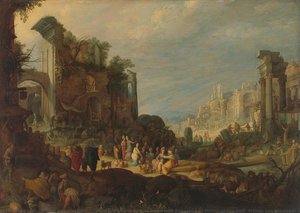
In the sun-drenched landscapes of Italy, Van Nieulandt found his true calling. He became a master of the capriccio—a style of painting that blends real architectural fragments with imaginative compositions to create a dreamlike, idealized reality. His works often feature the skeletal remains of Roman temples, crumbling forums, and weathered monuments, not as mere subjects of decay, but as vessels for profound emotional truths. Through his eyes, a broken column was not just stone; it was a poignant symbol of the passage of time and the inevitable decline of even the mightiest empires. This fascination with the classical past allowed him to infuse his landscapes with a sense of melancholy and contemplation that resonated deeply with the humanist ideals of his age.
What truly distinguishes Van Nieulatesque compositions is the way he enlivened these silent ruins with human drama. His canvases frequently serve as stages for biblical narratives, mythological encounters, or contemporary figures lost in thought amidst the debris of history. One might find a scene from Genesis, such as Rebecca offering water to Eliezer, set against the backdrop of the Roman Forum. By placing timeless human stories within the context of ancient architectural decay, he created a powerful dialogue between the eternal and the ephemeral. His ability to weave intricate narratives into his landscapes transformed his paintings from simple vistas into complex, multi-layered meditations on faith, memory, and the human condition.
A Lasting Impression on the Golden Age
Beyond the canvas, Van Nieulandt’s influence extended into the very fabric of Northern European literature and printmaking. As a celebrated poet and playwright in the Habsburg Netherlands, he possessed a unique ability to articulate the intellectual zeitgeist of the early 17th century. His engravings further expanded his reach, allowing his precise, detailed visions of Roman grandeur to circulate widely throughout Europe. This versatility ensured that his artistic voice was heard not only by those who admired fine painting but also by the scholars and literati who shaped the cultural landscape of his time.
The historical significance of Willem van Nieulandt lies in his role as a bridge between eras. He carried the torch of classical humanism into the burgeoning era of the Dutch Golden Age, blending the nostalgic reverence for antiquity with the emerging realism of Northern European art. Though he passed away around 1635, his legacy remains etched in the architectural fragments and poetic verses he left behind. He remains a vital figure for any student of art history, representing a rare moment in time when the poet's pen and the painter's brush worked in perfect, haunting harmony to capture the fleeting beauty of a world in transition.
willem van nieulandt
1584 - 1635
基本情報
- Artistic Movement Or Style: Italianate Ruins
- Artists Or Movements Influenced By This Artist: ['Renaissance Painting']
- Artists Who Influenced This Artist: ['Roelant Savery']
- Date Of Death: 1635
- Full Name: Willem van Nieulandt
- Nationality: Dutch
- Notable Artworks: ['The Ruins of Pompeii']
- Place Of Birth: Antwerp
関連記事

レンブラント傑作25選:光と影の巨匠、魂を揺さぶる名画の世界 | ArtsDot
レンブラントの傑作25選。光と影の魔術師が描いた魂を揺さぶる名画の世界へ。美術史に残る自画像、夜警、宗教画…ArtsDotで高品質なアートプリントやインテリアアートをお楽しみください。コレクションはこちら→
Sir Anthony van Dyck: Courtly Portraiture & the Shaping of Baroque Identity
Explore the life & legacy of Sir Anthony van Dyck, the leading court painter of his era. Discover his innovative portraiture, Baroque masterpieces, and investment potential for discerning collectors. Learn more at ArtsDot.

バロック美術を極めた至宝:時代を彩る10大名作の世界
バロック美術の華!カラヴァッジョ、ベルニーニら巨匠が創り上げた10大名作を徹底解剖。ドラマチックな色彩と豪華絢爛の世界観に触れ、至宝のアートプリントで空間を彩ろう。ArtsDot.comで美術館品質の複製と洗練されたインテリアを見つけましょう!

Dutch Baroque Masters: 10 Paintings That Shaped an Era | ArtsDot
Journey through the Golden Age with our guide to the Top 10 Dutch Baroque masterpieces! Explore iconic paintings by Rembrandt, Vermeer & Frans Hals. Find museum-quality art reproductions and elevate your home decor at ArtsDot.com.

The Dramatic Flourish: Exploring the Baroque Movement's Enduring Legacy in Art History
Explore the dramatic world of Baroque art! Discover iconic artists like Caravaggio & Rubens, defining techniques, and its lasting impact on art history. Expert insights for collectors & enthusiasts at ArtsDot.

