

 プレビュー
プレビュー
 シェアする
シェアする シェアする
シェアする
 詳細を見る
詳細を見る

 ダウンロード
 似ている作品
 X線調査
X線調査 スライドショー
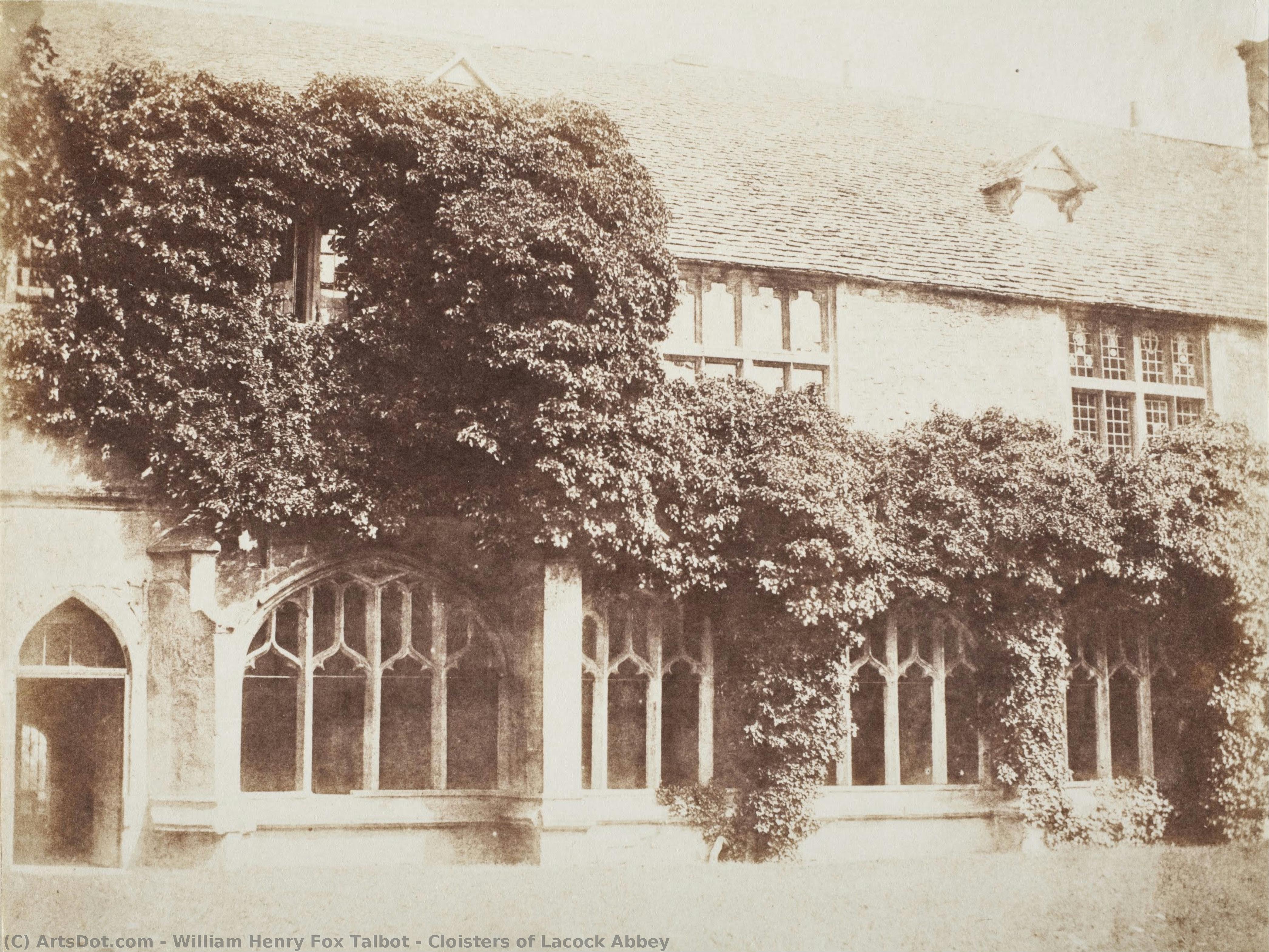
Cloisters of Lacock Abbey
 Acrylic On Canvas
- WallArt
- Photography/Early Photography
 1844
1844 16.0 x 21.0 cm
 ロサンゼルス・カウンティ・ミュージアム・オブ・アート
 詳細を見る
詳細を見る
ジークレー/アートプリント
迅速な制作と多彩な仕上げオプションを備えた、ミュージアムクオリティのジークレーまたはキャンバスプリント。 ( 手描きの絵画を購入 画像を購入)




P118B $10

P118H $10

P118W $10

P438Z $10

P508JH $12

P508YH $12

P805H $10

P805Z $10

P919BZ $10

P919G $10

P919XJ $10

P959ZH $10

P968JZ $12

W106C $8

W218G $10

W218JH $8

W218Y $10

W307PJ $10

W316G $10

W316PJ $8

W316Y $10

W398PJ $8

W4111J $10

W500HY $15

W500JH $15

W692G $12

W849H $8

W940BG $15

W953PJ $8




作品のオリジナル比率に合わせた、当店の規定サイズからお選びください。

特定のフレームやスペースに合わせて、ご自身でサイズを指定することも可能です。選択されたサイズが元の画像の比率と一致しない場合、作品をトリミングするか、鏡面反射または単色での塗りつぶしによって画像を拡張いたします。制作を開始する前に、ご確認用のデジタルモックアップをお送りいたします。
画面上のプレビューには、実際のトリミングや拡張は反映されませんのでご注意ください。最終的な構図を正確に確認できるのは、モックアップのみとなります。
カスタムサイズも承っておりますが、元の比率を維持するためには、あらかじめ用意されたリストからサイズを選択することをお勧めいたします。


 ガラスオプションは、110cm未満のサイズでのみご利用いただけます。

Cloisters of Lacock Abbey
ジークレー/アートプリント
複製画のサイズ
-


合計金額
$ 62
The Silent Echoes of Lacock: William Henry Fox Talbot’s Masterpiece
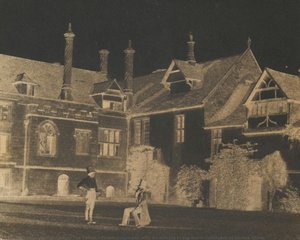
The Cloisters of Lacock Abbey, captured in 1844 by the visionary photographer William Henry Fox Talbot, are more than just a depiction of stone and shadow; they represent a pivotal moment in the history of image-making. This black and white photograph isn't merely a record of a building; it’s a testament to Talbot’s pioneering spirit, his meticulous observation, and his profound understanding of light and form. The scene unfolds with an almost palpable stillness – a quiet dignity that speaks volumes about the enduring architecture and the passage of centuries. The image draws us into a world where time seems to slow, inviting contemplation on the abbey's storied past and Talbot’s remarkable ability to freeze it in a single frame.
- Composition: The photograph is anchored by the imposing arched doorway, its intricate details – the weathered stone, the delicate tracery – immediately drawing the eye. The vertical lines of the arches contrast beautifully with the horizontal expanse of the cloister walls, creating a sense of depth and stability.
- Light & Shadow: Talbot’s masterful manipulation of light is evident in the subtle gradations of tone. The deep shadows accentuate the textures of the stone, while the highlights reveal the delicate patterns of the carvings above. This interplay of light and shadow imbues the scene with a dramatic quality, transforming a simple architectural view into a captivating study of form.
- Atmosphere: There’s an undeniable sense of melancholy in this image, a quiet sadness that seems to permeate the very stones of the abbey. This isn't simply due to the monochrome palette; it’s a reflection of the abbey’s long and complex history – its rise and fall, its periods of prosperity and decline.
A Pioneer in Photography: William Henry Fox Talbot
To truly appreciate this photograph, one must understand the context in which it was created. William Henry Fox Talbot (1800-1877) wasn’t just a photographer; he was an inventor, a scientist, and a true innovator. His relentless pursuit of photographic perfection led him to develop the calotype process – a groundbreaking technique that allowed for the creation of multiple prints from a single negative. This invention fundamentally altered the landscape of art and communication, paving the way for modern photography as we know it. Born in Dorset, Talbot’s early life was marked by intellectual curiosity and a fascination with optics. He spent years experimenting with light and shadow, driven by an unwavering desire to capture the fleeting beauty of the natural world.
Key Facts about Talbot:- Invented the calotype process (1841).
- Published “The Pencil of Nature” (1844-1846), showcasing his early photographic images.
- A pioneer in photomechanical reproduction, contributing to the development of photogravure.
Lacock Abbey: A Tapestry of History
Lacock Abbey itself is a remarkable testament to England’s rich and layered history. Originally founded as a nunnery in the 13th century by Ela, Countess of Salisbury, it has served numerous purposes throughout its existence – from a religious retreat to a country house, and finally, a carefully preserved historic village. The abbey's architecture reflects this diverse past, blending elements of Romanesque, Gothic, and Tudor styles. The cloister itself, with its graceful arches and serene atmosphere, evokes a sense of timelessness. It’s a place where echoes of the past linger in the air, whispering tales of monks, nuns, lords, and ladies.
Historical Significance:- Founded as an Augustinian nunnery in 1232.
- Converted into a country house by Sir William Sharington in the 16th century.
- Became a National Trust property in 1944, ensuring its preservation for future generations.
Symbolism and Emotional Resonance
Beyond its historical and technical significance, Talbot’s photograph possesses a profound emotional resonance. The muted tones and the subtle details invite us to contemplate the passage of time, the fragility of beauty, and the enduring power of memory. The cloister's arches, like silent sentinels, stand as witnesses to centuries of history. There is an inherent melancholy in this image, a quiet acknowledgement of loss and change. Yet, it’s not a despairing vision; rather, it’s a celebration of resilience – the ability of stone and spirit to endure through time. This photograph invites us to step back from the present moment and connect with the past, fostering a sense of wonder and appreciation for the beauty that surrounds us.
関連作品

アーティストの略歴
写真というイメージの先駆者:ウィリアム・ヘンリー・フォックス・タルボットの生涯と遺産
1800年2月11日、イングランドのドーセットにあるメルベリー・ハウスに生を受けたウィリアム・ヘンリー・フォックス・タルボットは、誕生しつつあった写真の世界において極めて重要な人物としてその名を刻みました。彼の歩みは、単なる芸術的な探求に捧げられたものではありませんでした。むしろ、それは科学的な探究心、言語への好奇心、そして自然界の移ろいゆく美を捉えたいという本能的な欲求が、見事に融合した旅路だったのです。ウィリアム・ダベンポート・タルボットとレディ・エリザベス・フォックス・ストレンジワイズのひとり子として、彼はロッティングディーン、ハロー校、そしてケンブリッジ大学トリニティ・カレンッジで恵まれた教育を受けました。そこで数学の第12位の成績(wrangler)を収めたことは、彼の極めて鋭い分析的思考の証といえるでしょう。この科学的な厳密さという基盤が、後の画期的な業績において決定的な役割を果たすことになります。当初は植物学や化学、さらには議会活動といった他の分野に惹かれていた彼でしたが、既存の描画補助具の限界に対する、ある種「偶然とも言えるもどかしさ」が、彼をイメージ制作に革命をもたらす道へと導いたのです。フォトジェニック・ドローイングからカロタイプへ:複製技術における革命
タルボットの初期の実験は、芸術を生み出したいという欲望からではなく、むしろ視覚的な記録をより正確に行う方法を見つけ出したいという動機に突き動かされたものでした。カメラ・ルシダのような道具を用いた、手間がかかり、しばしば不正確なトレース作業に不満を感じた彼は、感光性の印象を紙に直接定着させる可能性を探り始めました。この探求が、1839年に発表された最初の画期的な成果、「フォトジェニック・ドローイング(光学的描画)」プロセスへと結実します。これは書用紙に塩化銀を塗布し、日光にさらすことでネガ画像を作り出す手法でした。植物の標本や建築の詳細を写したこれらの初期の画像は、未発達で細部には欠けていたものの、記念碑的な第一歩となりました。しかし、彼の歴史的な地位を真に不動のものとしたのは、その後の1841年における「カロタイプ」プロセスの発明でした。従来の技法とは異なり、カロタイプはヨウ化銀と現像液を用いることで半透明のネガを作り出し、そこから複数のポジプリントを制作することを可能にしました。これは現代の写真複製技術の基礎を築いた極めて重要な革新でした。この「複製」という能力こそが、唯一無二で精緻ながらも複製不可能な画像を生み出すルイ・ダゲールの「ダゲレオタイプ」と、タルボットの仕事を決定的に分かつものとなったのです。カロタイプは単なる完璧な複製を目指したものではなく、独特の美学、すなわち多くの人々を魅了した柔らかさと空気感のある奥行きを備えていました。遺産と影響:現代写真への道筋を切り拓く
ウィリアム・ヘンリー・フォックス・タルボットの貢献は、カロタイプ・プロセスや『自然の鉛筆』に留まりませんでした。彼はまた、フォトグラビアの前身となる「フォトグリフィック・エングレービング」プロセスを通じて、写真を用いた機械的な複製技術の先駆者となりました。これは図版入りの資料を大量生産することを可能にした技術です。彼の活動は当初、カロタイプ・プロセスの特許取得という決断ゆえに、その普及が制限され、イギリス国内での広範な採用が遅れるという困難にも直面しました。しかし、彼の思想はやがて根を下ろし、後世の何世代もの写真家や芸術家に影響を与えていくことになります。写真が支配的な芸術形式として完全に開花する瞬間を彼自身が目にすることはありませんでしたが、彼の基礎的な業績は、その発展に不可欠な構成要素を提供しました。今日、タルボットの写真らはドイツのエッセンにあるフォルクヴァング美術館をはじめ、世界中の権威あるコレクションに収蔵されており、彼の先見的な精神と不朽の遺産を伝える力強い証として存在しています。彼は単なる発明家としてだけでなく、私たちのイメージとの関わり方を根本的に変え、私たちが周囲の世界を認識し記録する方法を永遠に変えてしまった、真の先駆者として君臨しているのです。彼の仕事は今もなお、芸術家と科学者の双方にインスピレーションを与え続け、一人の人間が歴史の流れに与え得る深遠な影響力を示しています。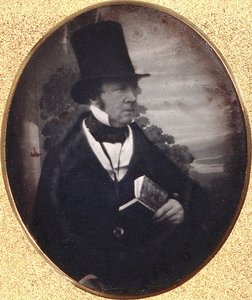
ウィリアム・ヘンリー・フォックス・タルボット
1800 - 1877 , イギリス
基本情報
- Artistic Movement Or Style: 初期写真
- Artists Or Movements Influenced By This Artist: ['現代写真']
- Date Of Birth: 1800年2月11日
- Date Of Death: 1877年
- Full Name: ウィリアム・ヘンリー・フォックス・タルボット
- Nationality: イギリス
- Notable Artworks:
- 植物のフォトジェニック・ドローイング
- 2つの植物標本
- 自然の鉛筆
- Place Of Birth: イギリス、メルベリー
関連記事

Monochrome Visions: Exploring the Aesthetic & Historical Significance of Black & White Photography
Explore the rich history & artistic power of black and white photography. From early techniques to iconic masters like Ansel Adams, discover why monochrome continues to captivate art lovers today. Expert insights for collectors.

White on Canvas: 10 Masterpieces & Timeless Elegance for Your Home Decor
Explore 10 iconic white paintings by Monet, Whistler & Rothko! Discover the stories behind these serene masterpieces and their impact on art history. Find museum-quality reproductions for your home decor at .

Beyond the Lens: Photography's Enduring Influence on Modern & Contemporary Art
Explore photography's pivotal role in shaping modern & contemporary art. Discover key movements, influential artists like Stieglitz, and expert collecting advice from ArtsDot.

Dark Masterpieces: 10 Iconic Paintings Dominated by Black Tones |
Explore 10 iconic paintings dominated by black tones, from Rembrandt’s chiaroscuro to Goya's dark expressions. Discover the stories behind these masterpieces & find museum-quality art reproductions for your home at .

Pictorialism: A Search for Artistic Photography's Soul – Aesthetics, Techniques & Legacy
Explore the captivating world of Pictorialism – a pivotal movement that transformed photography into fine art. Discover key artists like Stieglitz & Käsebier, techniques, and collecting tips from experts.

