

 プレビュー
プレビュー
 プリントを購入
 シェアする
シェアする シェアする
シェアする
 詳細を見る
詳細を見る

 ダウンロード
 似ている作品
 X線調査
X線調査 スライドショー
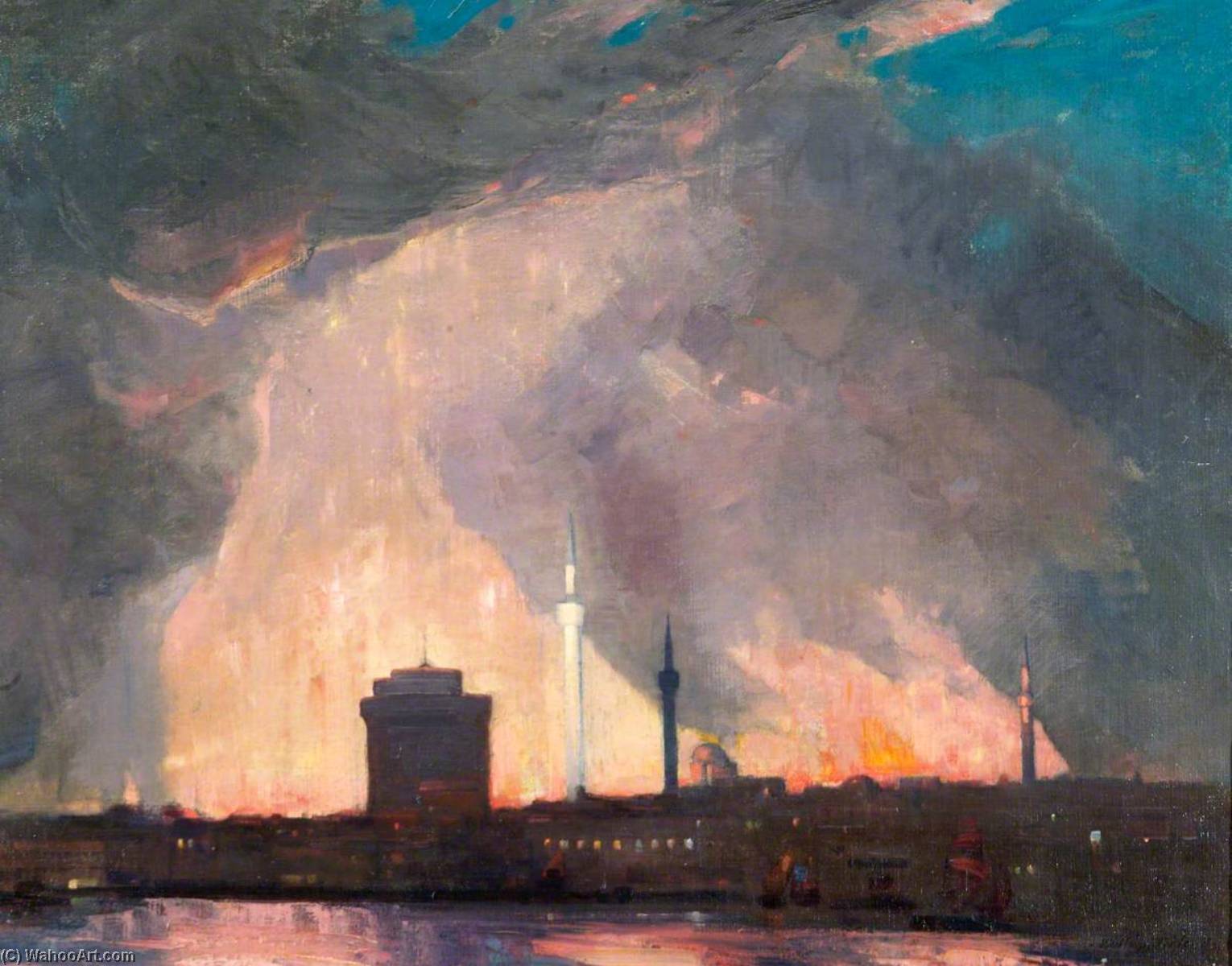
The Great Fire, Salonica The Famous White Tower in the Foreground
 1918
1918 61.0 x 76.0 cm
 詳細を見る
詳細を見る
オンラインプレビューをはるかに凌ぐ、高解像度で鮮明なデジタル画像をご購入いただけます。
各ファイルは、社内の専門家が高度なツールと熟練した手作業によるレタッチを用いて、細心の注意を払って準備されています。すべての画像において、卓越した鮮明度、正確な色彩再現性、そして繊細なディテールを保証いたします。
最終ファイルは、プロフェッショナルな編集・印刷環境ですぐにご利用いただけるよう最適化された状態で、72時間以内にメールにてお届けいたします。これは、一流のデザインスタジオ、出版社、ギャラリーから信頼されているものと同等の品質です。
デジタル画像のご注文に付随する特典
高品質なデジタル画像配信を、確かな品質で。
ArtsDot.com を選ぶことは、単に画像を手に入れることではありません。それは、プロの手によって精密に仕上げられ、満足保証が付いた高品質なデジタルアートワークを受け取ることを意味します。ご注文いただいた際に自動的に付随する内容は、以下の通りです:

メールですぐにお届け
ご注文から72時間以内に、高解像度のデジタル画像ファイルがメールでお手元に届きます。すぐにそのままご利用いただけます。

AI技術で最適化されたデジタルファイル
お客様の作品は、高度なAIツールと専門家による手作業の編集を組み合わせてプロフェッショナルに最適化されており、細部のディテール、鮮明さ、そして正確な色再現性を最大限に引き出しています。

一生涯無料の再送サービス
ファイルを誤って削除したり、紛失してしまったりしましたか?ご安心ください。いつでも無料で再送いたします。

輸入手数料は一切かかりません
関税や手数料、配送料を気にすることなく、お気に入りのアートワークをすぐにお楽しみいただけます。デジタルダウンロードは常に免税です。

色彩再現の保証
プロ仕様のツールとカラーマネジメント技術を用いることで、デジタル画像が元の色を最大限に忠実に再現することを保証いたします。

60日間満足保証
ご購入いただいたデジタル画像にご満足いただけない場合は、60日以内であれば、修正または100%の返金(理由を問う必要はありません)をさせていただきます。

100% 返金保証
ご満足いただけない場合は、デジタルファイルを受け取ってから60日以内であれば、理由を問わず全額返金いたします。

まとめ買い割引
3枚購入で10%OFF - 5枚購入で15%OFF - 10枚以上購入で20%OFF。クリエイティブなプロジェクト、ギャラリー、エージェンシーに最適です。
関連作品










作家の略歴
The Visionary Engraver: The Life and Legacy of William Luson Thomas
In the heart of Victorian London, a period defined by rapid industrial expansion and profound social upheaval, the power of the image began to reshape the collective consciousness of the British Empire. At the forefront of this visual revolution stood William Luson Thomas, a man whose life was a seamless tapestry of artistic mastery and tireless advocacy for social justice. Born in 1830 into a family where art was woven into the very fabric of daily existence—his father being a respected portrait painter—Thomas was destined to bridge the gap between the delicate precision of fine art and the urgent, mass-communicative power of the press.
His artistic journey began not in the grand galleries of London, but through the rigorous, tactile discipline of wood engraving. Under the mentorship of the esteemed William James Linton at Linton & Sons Printworks, Thomas mastered the intricate language of lines and shadows. This apprenticeship was more than a technical education; it was an immersion into a philosophy of naturalism and observation. He learned to treat the wooden block as a canvas capable of capturing the atmospheric nuances of a misty morning or the somber weight of a crowded street, developing a style that favored emotional resonance alongside meticulous detail.
A Revolution in Ink and Paper
As the nineteenth century progressed, Thomas recognized a transformative potential in the burgeoning illustrated press. He understood that while text could inform, it was the image that could move the soul and stir the conscience of the public. Having worked for established giants like the Illustrated London News, he became increasingly driven by a desire to elevate the status of the artist within the journalistic machine. He sought to move away from treating engravers as mere factory hands, envisioning instead a medium where artistic merit and truth-telling were inextricably linked.
This vision culminated in one of his most enduring achievements: the founding of The Graphic in December 1869. Alongside his brother Lewis Samuel Thomas and the talented Godefroy Durand, he launched a publication that would challenge the era's dominant narratives. The Graphic was not merely a newspaper; it was a curated window into the realities of Victorian life. Through his work, Thomas championed the idea that illustrations could serve as powerful instruments for political influence and social reform, bringing the plight of the impoverished and the beauty of the rural landscape to the breakfast tables of the masses.
The Intersection of Art and Social Reform
Thomas’s oeuvre is characterized by a profound duality: the ability to capture breathtaking natural beauty and the courage to document the harshness of urban struggle. His landscapes, such as the evocative Suffolk Landscape (from Pinmill), showcase a poetic sensitivity to light and terrain, reflecting the influence of his training in naturalism. Yet, his heart was equally tethered to the social movements of his time. A friend of Charles Dickens, Thomas shared a deep conviction that art should be a catalyst for change, particularly in addressing the systemic evils of poverty and crime.
His commitment to this cause led him to further expand his journalistic empire, eventually launching The Daily Graphic in 1889. Through these platforms, he sought to inspire a citizenry that would campaign against social injustice. His legacy is thus twofold: he was both a master of the wood-engraving technique and a pioneer of modern photojournalistic spirit. Even today, the works of William Luson Thomas stand as vital historical documents, reminding us of a time when the scratch of an engraver's tool could spark the flames of progress and illuminate the darkest corners of society.
william luson thomas
1830 - 1900
プロフィール概要
- Artistic Movement Or Style: Victorian Art
- Artists Or Movements Influenced By This Artist:
- John Wilson Carmichael
- Samuel Luke Fildes
- Artists Who Influenced This Artist: ['William James Linton']
- Date Of Birth: December 4, 1830
- Date Of Death: 1900
- Full Name: William Luson Thomas
- Nationality: British
- Notable Artworks:
- Suffolk Landscape (from Pinmill)
- April Weather
- Southwoods, Arundel Park
- Place Of Birth: London, England

