 プレビュー
プレビュー
 シェアする
シェアする シェアする
シェアする
 詳細を見る
詳細を見る

 ダウンロード
 似ている作品
 X線調査
X線調査 スライドショー
 統計情報
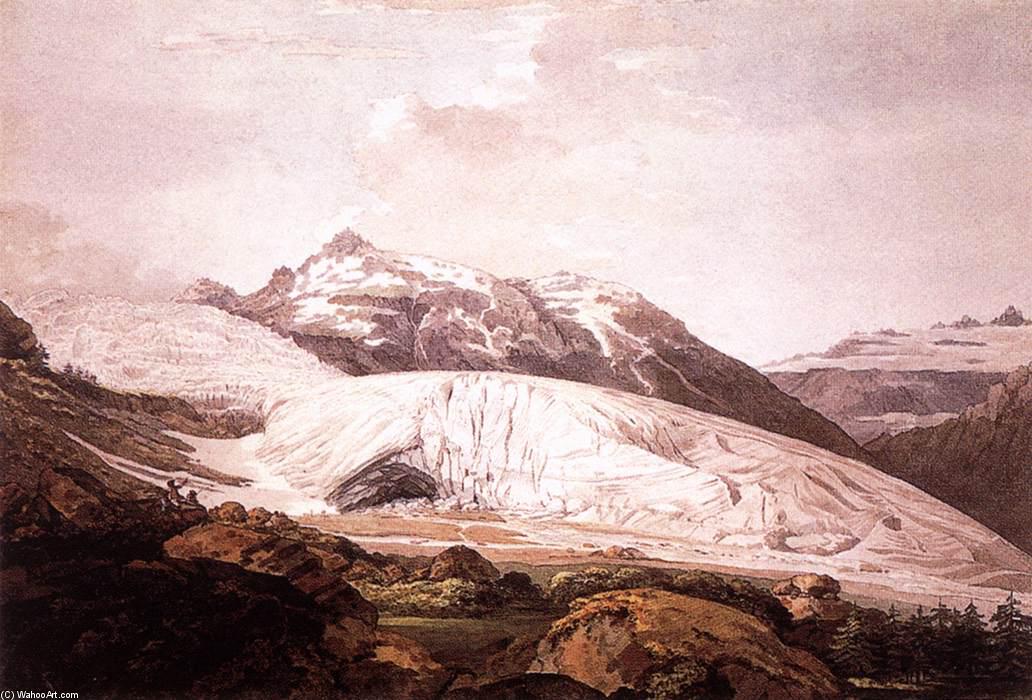
統計情報ローヌ氷河とローヌの源
 キャンバスにアクリル絵具
- ウォールアート
- Neoclassical Landscape
 1770
1770 330.0 x 484.0 cm
 大英博物館
大英博物館
 詳細を見る
詳細を見る
ジークレー/アートプリント
迅速な制作と多彩な仕上げオプションを備えた、ミュージアムクオリティのジークレーまたはキャンバスプリント。 ( 手描きの絵画を購入 デジタル画像販売へ切り替え)




P118B $10

P118H $10

P118W $10

P438Z $10

P508JH $12

P508YH $12

P805H $10

P805Z $10

P919BZ $10

P919G $10

P919XJ $10

P959ZH $10

P968JZ $12

W106C $8

W218G $10

W218JH $8

W218Y $10

W307PJ $10

W316G $10

W316PJ $8

W316Y $10

W398PJ $8

W4111J $10

W500HY $15

W500JH $15

W692G $12

W849H $8

W940BG $15

W953PJ $8




作品のオリジナル比率に合わせた、当店の規定サイズからお選びください。

特定のフレームやスペースに合わせて、ご自身でサイズを指定することも可能です。選択されたサイズが元の画像の比率と一致しない場合、作品をトリミングするか、鏡面反射または単色での塗りつぶしによって画像を拡張いたします。制作を開始する前に、ご確認用のデジタルモックアップをお送りいたします。
画面上のプレビューには、実際のトリミングや拡張は反映されませんのでご注意ください。最終的な構図を正確に確認できるのは、モックアップのみとなります。
カスタムサイズも承っておりますが、元の比率を維持するためには、あらかじめ用意されたリストからサイズを選択することをお勧めいたします。


 ガラスオプションは、110cm未満のサイズでのみご利用いただけます。

ローヌ氷河とローヌの源
ジークレー/アートプリント
複製画のサイズ
-


合計金額
$ 62
ウィリアム・パースの「ロワール氷河とロワールの源」について
ロワール氷河とロワールの源は、イギリスのヴィトロープ美術館に収蔵されている英国画家ウィリアム・パースによる1770年の水彩画です。この作品は、フランスアルプスにおける風景画の一環であり、当時の芸術家たちが自然を観察し記録しようとする姿勢を象徴しています。パースは、イギリスの美術教育を受け、特にヒューリー・ハワード・リッチモンド公爵のギャラリーで指導を受けたことで、古典的な表現技法を習得しました。この経験が彼の作品に反映され、ロワール氷河の雄大な姿と繊細な色彩表現を実現しています。作品の詳細と技術
パースは、1764年にリチャード・チャンドラーとニコラス・レヴェットと共にギリシャへの旅行に出発しました。この旅は、イギリスにおける美術界が熱狂的に関心を持っていた時代に、古典芸術の知識を深めるための重要な機会でした。彼は特にヒューリー・ハワード・リッチモンド公爵のギャラリーで指導を受け、古典的な形態を模倣する技術を習得しました。この技術は彼の水彩画において顕著であり、氷河の表面や周囲の風景を驚くほど正確に表現しています。パースは、特に氷河の白い雪と青い氷のコントラストを効果的に描き出し、その動きを捉えるための線と陰影を使用しました。この技法は、当時の水彩画における標準的なものであり、作品に独特の雰囲気を与えています。歴史的背景と象徴性
ロワール氷河はフランスアルプスで最も大きな氷河の一つであり、その形状と大きさは多くの人々を魅了してきました。パースが描いたこの氷河は、単なる風景画ではなく、当時の自然哲学や宗教観に影響を与えたものでした。氷河は、神聖な場所として認識され、人間の活動によって破壊されることのないように保護する必要がありました。パースの作品は、この時代の思想と芸術的な価値観を反映しており、ロワール氷河の美しさと神秘性を表現しています。氷河は、変化する自然の中で人間の存在を問いかける象徴であり、その壮大な姿は見る人に感動を与えます。感情的な印象とインテリアデザインへの応用
パースの水彩画「ロワール氷河とロワールの源」は、その繊細な色彩と正確な描写によって、多くの人々を魅了しています。この作品は、特に現代のインテリアデザインにおいて人気があり、アルプスの風景をイメージする空間に最適です。パースの作品は、自然の美しさを表現するだけでなく、見る人に静けさと安らぎをもたらす効果があります。その洗練された技術と美しい色彩は、どのような部屋にも調和し、特別な雰囲気を作り出すことができます。この傑作は、芸術愛好家やコレクターにとって永遠の魅力であり続けるでしょう。関連作品

アーティストの略歴
Early Life and Artistic Training
William Pars (1742 – 1782) emerged from the bustling intellectual landscape of London, born into a family steeped in craftsmanship—his father was a metal engraver—a profession that instilled in him an appreciation for precision and detail. Recognizing his innate talent for drawing, Pars pursued formal artistic education at Shipley’s Drawing School and St Martin's Lane Academy, institutions renowned for fostering the burgeoning neoclassical aesthetic. Crucially, he benefited from instruction under Henry Howard Richmond, Duke of Richmond’s Gallery, gaining invaluable experience in observing and replicating classical forms—a formative influence that would permeate his subsequent oeuvre.Greek Antiquities: Pioneering Exploration
Pars's artistic journey took a decisive turn with the invitation to accompany Richard Chandler and Nicholas Revett on an expedition to Greece commissioned by the Dilettanti Society in 1764. This ambitious undertaking wasn’t merely a sightseeing trip; it represented a concerted effort to revive classical scholarship and disseminate knowledge of Greek culture amongst British intellectuals. Pars meticulously documented the ruins of Athens and Corinth, producing breathtaking watercolor drawings that captured the grandeur of ancient monuments and temples with remarkable accuracy. These drawings formed the cornerstone of ‘Ionian Antiquities,’ a four-volume publication that became a seminal work in the field of archaeology and cemented Pars’s reputation as a visionary explorer and artist.Royal Academy Membership and Artistic Development
Pars's dedication to artistic excellence culminated in his election as an Associate Member of the Royal Academy in 1770, marking a significant milestone in his career. From this vantage point, he continued to contribute prolifically to the Academy’s exhibitions until 1776, primarily focusing on portraiture—a genre that allowed him to hone his skills in capturing psychological nuance and conveying emotion through subtle tonal variations. His artistic style evolved throughout these years, reflecting the prevailing trends of the Enlightenment while maintaining a distinctive sensitivity to light and color. Notably, he studied alongside fellow artists like John Warwick Smith and Francis Towne at Rome’s Accademia di Belle Arti, absorbing influences from the Baroque tradition and experimenting with innovative techniques.Notable Works and Legacy
Pars's artistic output encompassed a diverse range of subjects—landscapes, portraits, and genre scenes—each executed with meticulous detail and imbued with atmospheric subtlety. Among his most celebrated paintings are ‘The Rhône Glacier,’ a dramatic depiction of the Swiss Alps showcasing Pars’s masterful command of watercolor pigments; ‘A Roman Monument at Igel,’ reflecting his fascination with classical ruins; and ‘The Source of the Rhône,’ capturing the serene beauty of the Rhone Valley. His drawings were reproduced extensively for scholarly publications, notably ‘Ionian Antiquities,’ ensuring that his contribution to Greek archaeology would endure for generations. Furthermore, William Woollett engraved several Swiss landscapes from Pars’s collection, preserving these visual records as invaluable artifacts of eighteenth-century art and scientific inquiry. Pars's legacy resides not only in his artistic achievements but also in his role as a catalyst for intellectual curiosity and cultural revival—a testament to the transformative power of art and scholarship intertwined.
William Pars
1742 - 1782 , United Kingdom
基本情報
- Artistic Movement Or Style: Watercolor Painting
- Artists Or Movements Influenced By This Artist: ['Royal Academy']
- Artists Who Influenced This Artist: ["Shipley's Drawing School"]
- Date Of Birth: February 28, 1742
- Date Of Death: 1782
- Full Name: William Pars
- Nationality: English
- Notable Artworks: ['The Rhône Glacier and the Source of the Rhône']
- Place Of Birth: London, United Kingdom
関連記事

Ephemeral Visions: Exploring the History & Emotional Resonance of Watercolor Painting
Explore the captivating history of watercolor painting, from ancient techniques to modern masters like Kandinsky & Blake. Discover essential artists, collecting tips & the emotional power of this luminous medium. Expert insights for art enthusiasts.

Ephemeral Visions: Exploring the Artistic Legacy & Contemporary Practice of Watercolor Painting
Explore the captivating world of watercolor painting! Discover its rich history, essential techniques, influential artists & collecting tips. A comprehensive guide for art enthusiasts from ArtsDot.
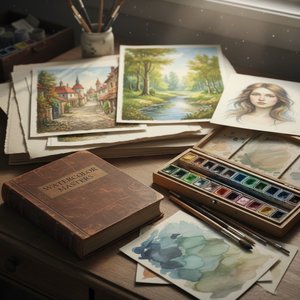
水彩の永続的な魅力:歴史、技法、そして現代の実践
水彩画の歴史、技法、現代の実践を深く探求。巨匠たちの名画から初心者向けテクニックまで解説。ArtsDot.comでは高品質な複製画やカスタムポートレートをご提供します。アートコンサルテーションも受付中。

Ephemeral Visions: Exploring the Artistic Legacy & Nuances of Watercolor Painting
Explore the captivating world of watercolor painting! Discover its rich history, essential techniques, influential artists & collecting tips from art experts. A comprehensive guide for enthusiasts.

Watercolor Wonders: 10 Masterpieces That Redefined Art History | ArtsDot
Journey through 10 legendary watercolor masterpieces by Sargent, Turner & Homer! Explore iconic landscapes, portraits & floral art that redefined history. Find museum-quality reproductions and curated decor ideas at ArtsDot.com.