

 プレビュー
プレビュー
 プリントを購入
 シェアする
シェアする シェアする
シェアする
 詳細を見る
詳細を見る

 ダウンロード
 似ている作品
 X線調査
X線調査 スライドショー
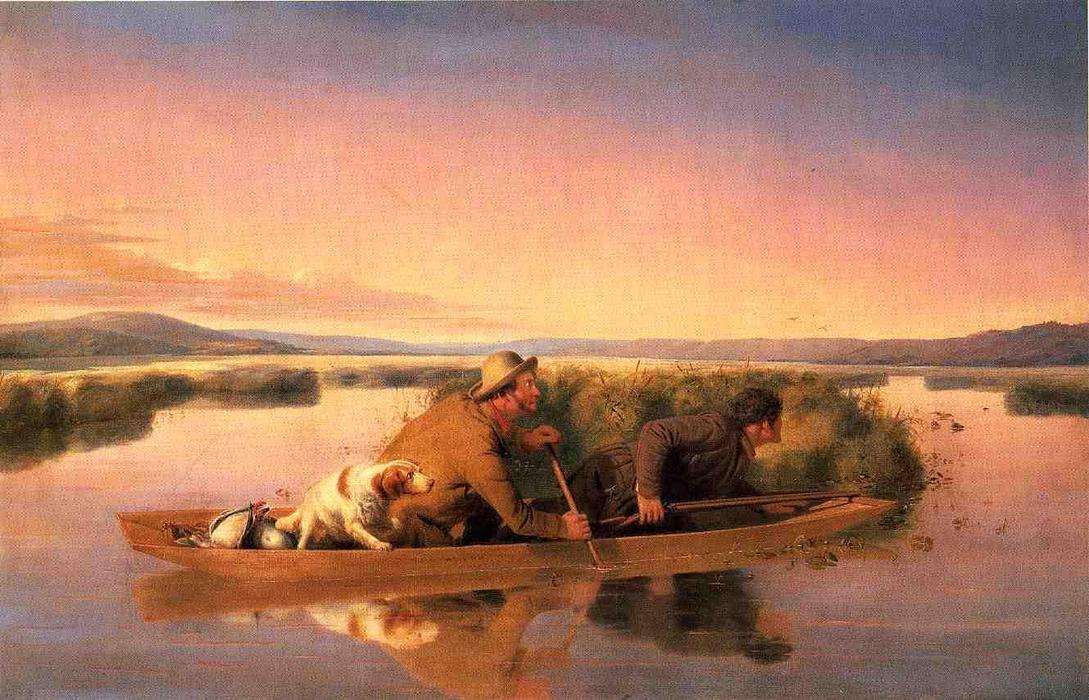
Duck Hunters on the Hoboken Marshes


 詳細を見る
詳細を見る




P118B $10

P118H $10

P118W $10

P438Z $10

P508JH $12

P508YH $12

P805H $10

P805Z $10

P919BZ $10

P919G $10

P919XJ $10

P959ZH $10

P968JZ $12

W106C $8

W218G $10

W218JH $8

W218Y $10

W307PJ $10

W316G $10

W316PJ $8

W316Y $10

W398PJ $8

W4111J $10

W500HY $15

W500JH $15

W692G $12

W849H $8

W940BG $15

W953PJ $8




作品のオリジナル比率に合わせた、当店の規定サイズからお選びください。

特定のフレームやスペースに合わせて、ご希望のサイズをご入力いただけます。選択されたサイズが元の画像の比率と異なる場合、アートワークをトリミングするか、手描きで要素を追加して絵画を拡張いたします。デジタルモックアップ を制作し、制作開始前にご確認(承認)をいただきます。
画面上のプレビューは、実際のトリミングや拡張を正確に反映しているものではありません。最終的な構図は、モックアップによってのみ正確にご確認いただけます。
カスタムサイズもご利用いただけますが、元の比率を維持するためには、あらかじめ用意されたリストからサイズを選択することをお勧めいたします。
ご注文後、ArtsDot.com チームより詳細な指示をお送りするとともに、仕上がりイメージ(モックアップ)をご提供いたします。


 ガラスオプションは、110cm未満のサイズでのみご利用いただけます。

Duck Hunters on the Hoboken Marshes
複製技法
複製画のサイズ
-


合計金額
$ 263
作品解説
A Moment Frozen in Twilight: William Tylee Ranney’s “Duck Hunters on the Hoboken Marshes”
William Tylee Ranney's "Duck Hunters on the Hoboken Marshes" isn’t merely a depiction of a late-afternoon hunt; it’s a carefully constructed tableau brimming with quiet observation and a profound connection to the American landscape. Painted in 1849, this oil-on-canvas masterpiece transports us to a serene corner of New Jersey, where the last vestiges of daylight bleed across a vast expanse of water and distant hills. The scene unfolds with an almost palpable stillness – a sense of suspended time that invites contemplation on the rhythms of rural life and the enduring allure of nature.
Ranney’s genius lies in his ability to capture not just the visual elements but also the emotional atmosphere of the moment. The muted palette, dominated by dusky blues, greens, and browns, immediately establishes a mood of tranquility and introspection. The diffused light, characteristic of Luminism – a style emphasizing atmospheric effects and subtle gradations of color – softens every detail, lending an ethereal quality to the scene. Notice how the golden hues of the setting sun bathe the water’s surface in a warm glow, reflecting the colors of the sky and creating a sense of luminous depth.
The Romantic Luminist: A Synthesis of Styles
To fully appreciate “Duck Hunters,” it's crucial to understand Ranney’s place within the broader artistic landscape of his time. He was a pivotal figure in the development of American genre painting, bridging the gap between the grand narratives of historical scenes and the intimate portrayals of everyday life. His style is often described as Romantic Luminism – a synthesis of elements from both Romanticism and Luminism. The Romantic influence is evident in the emphasis on emotion, the dramatic lighting, and the focus on the beauty of nature. However, Ranney’s meticulous attention to detail, his realistic rendering of textures (particularly the rough bark of the shoreline trees and the weathered wood of the boat), and his grounding in observation firmly anchor him within the Luminist tradition, which prioritized capturing the subtle effects of light and atmosphere.
Ranney's background as a tinsmith likely contributed to this meticulousness. The precision required for crafting intricate metalwork undoubtedly honed his observational skills and attention to detail – qualities that translated seamlessly into his painting practice. His early life in North Carolina, marked by exposure to the frontier spirit of the American West, further informed his artistic vision, shaping his depictions of rural landscapes and the lives of those who inhabited them.
Symbolism and Narrative: A Quiet Story Unfolds
Beyond its aesthetic beauty, “Duck Hunters” is rich in symbolic meaning. The two men and their dog, crouched behind the marsh grass, are engaged in a timeless pursuit – the hunt for waterfowl. The boat itself represents travel, exploration, and a connection to the natural world. The distant hills, shrouded in mist, evoke a sense of vastness and mystery, while the setting sun symbolizes the end of the day and perhaps a reflective mood. Even the posture of the hunters—lowered, focused—suggests a quiet reverence for the landscape and its inhabitants.
The painting’s historical context is also significant. Painted in 1849, during a period of rapid westward expansion and increasing urbanization, “Duck Hunters” offers a poignant glimpse into a disappearing way of life – a time when rural communities were deeply intertwined with the rhythms of nature. It's a reminder of the enduring appeal of the wilderness and the importance of preserving its beauty.
A Legacy in Reproduction: Bringing Ranney’s Vision to Life
Today, William Tylee Ranney’s “Duck Hunters on the Hoboken Marshes” is celebrated as an iconic work of American art. Reproductions offer a wonderful opportunity to bring this evocative scene into your home or office, allowing you to experience its beauty and tranquility firsthand. When selecting a reproduction, consider the quality of the print – look for archival inks and high-resolution images that faithfully capture Ranney’s masterful use of light and color. Whether displayed as a statement piece in a living room or a calming addition to an entryway, this painting continues to resonate with viewers today, reminding us of the enduring power of art to transport us to another time and place.
関連作品
関連記事
William Trost Richards: Luminism, Spirituality & the American Landscape Tradition
Explore the captivating landscapes of William Trost Richards, a master of Luminism associated with both the Hudson River School & American Pre-Raphaelite movements. Discover his spiritual connection to nature and lasting influence on American art.

Evocations of Place: A Historical Journey Through Landscape Art
Explore the rich history of landscape art with ArtsDot. Discover renowned artists, movements like Impressionism & Romanticism, and expert guidance for collecting timeless pieces. Find your perfect serene escape today!
Grant Wood & American Regionalism: Identity, Myth & the Rural Landscape
Explore the world of Grant Wood & American Regionalism with ArtsDot. Discover the symbolism behind 'American Gothic', recurring themes, and the movement's lasting impact on art history. High-quality reproductions available.
Frederick William Jackson: Capturing the American West Through Luminist Vision & Narrative Detail
Explore the captivating works of Frederick William Jackson, a pioneer of Western realism & Luminist painting. Discover his atmospheric landscapes, depictions of Native American life, and lasting legacy. Learn more at ArtsDot.
William Bradford: Navigating Faith, Landscape & Artistic Innovation in Early American Painting
Explore the captivating world of William Bradford, American Romanticist painter renowned for his dramatic Arctic seascapes & ship portraits. Discover his artistic evolution, influences, and lasting legacy with ArtsDot.

