

 プレビュー
プレビュー
 プリントを購入
 シェアする
シェアする シェアする
シェアする
 詳細を見る
詳細を見る

 ダウンロード
 似ている作品
 X線調査
X線調査 スライドショー
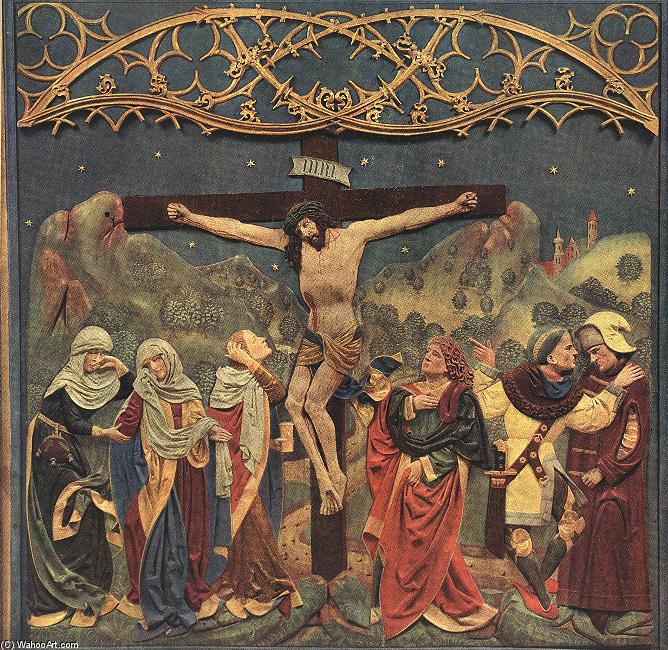
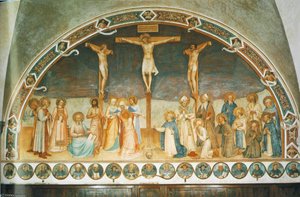
High Altar of St Mary (Crucifixion)


 詳細を見る
詳細を見る
オンラインプレビューをはるかに凌ぐ、高解像度で鮮明なデジタル画像をご購入いただけます。
各ファイルは、社内の専門家が高度なツールと熟練した手作業によるレタッチを用いて、細心の注意を払って準備されています。すべての画像において、卓越した鮮明度、正確な色彩再現性、そして繊細なディテールを保証いたします。
最終ファイルは、プロフェッショナルな編集・印刷環境ですぐにご利用いただけるよう最適化された状態で、72時間以内にメールにてお届けいたします。これは、一流のデザインスタジオ、出版社、ギャラリーから信頼されているものと同等の品質です。
デジタル画像のご注文に付随する特典
高品質なデジタル画像配信を、確かな品質で。
ArtsDot.com を選ぶことは、単に画像を手に入れることではありません。それは、プロの手によって精密に仕上げられ、満足保証が付いた高品質なデジタルアートワークを受け取ることを意味します。ご注文いただいた際に自動的に付随する内容は、以下の通りです:

メールですぐにお届け
ご注文から72時間以内に、高解像度のデジタル画像ファイルがメールでお手元に届きます。すぐにそのままご利用いただけます。

AI技術で最適化されたデジタルファイル
お客様の作品は、高度なAIツールと専門家による手作業の編集を組み合わせてプロフェッショナルに最適化されており、細部のディテール、鮮明さ、そして正確な色再現性を最大限に引き出しています。

一生涯無料の再送サービス
ファイルを誤って削除したり、紛失してしまったりしましたか?ご安心ください。いつでも無料で再送いたします。

輸入手数料は一切かかりません
関税や手数料、配送料を気にすることなく、お気に入りのアートワークをすぐにお楽しみいただけます。デジタルダウンロードは常に免税です。

色彩再現の保証
プロ仕様のツールとカラーマネジメント技術を用いることで、デジタル画像が元の色を最大限に忠実に再現することを保証いたします。

60日間満足保証
ご購入いただいたデジタル画像にご満足いただけない場合は、60日以内であれば、修正または100%の返金(理由を問う必要はありません)をさせていただきます。

100% 返金保証
ご満足いただけない場合は、デジタルファイルを受け取ってから60日以内であれば、理由を問わず全額返金いたします。

まとめ買い割引
3枚購入で10%OFF - 5枚購入で15%OFF - 10枚以上購入で20%OFF。クリエイティブなプロジェクト、ギャラリー、エージェンシーに最適です。
作品の詳細
A Masterpiece Forged in Wood and Faith
The High Altar of St Mary (Crucifixion), crafted by the renowned German sculptor Wit Stwosz between 1477 and 1489, stands as a monumental achievement of late Gothic art. More than simply a religious depiction, it’s a profound exploration of human emotion rendered in intricately carved wood – a testament to the artist's skill and the era’s fervent devotion. Located within the magnificent St Mary’s Basilica in Kraków, Poland, this altarpiece immediately commands attention with its sheer scale and dramatic intensity, drawing viewers into a world of sorrow, faith, and ultimately, hope.
Stwosz, working during a period of transition between the late Gothic and early Renaissance styles, masterfully blended the emotional depth characteristic of the former with emerging elements of realism. His workshop employed a diverse range of woods – sturdy oak for the structural framework, lighter larch for the background panels, and supple linden for the figures themselves – each chosen to contribute to the overall effect. The meticulous detail evident in every panel, from the folds of drapery to the expressions on the faces of the apostles, speaks volumes about Stwosz’s dedication and technical prowess.
The Drama of the Crucifixion
At the heart of the altarpiece lies a powerfully evocative depiction of the crucifixion. Jesus Christ is presented not as a passive victim, but as a figure of immense suffering, his body contorted in agony, arms outstretched in a gesture of profound surrender. The surrounding figures – Mary, John the Evangelist, and the other apostles – are rendered with an almost palpable sense of grief and despair. Stwosz’s genius lies in his ability to convey not just the physical pain of Christ's sacrifice, but also the emotional weight of it for those who witness it.
The composition is carefully orchestrated to heighten the drama. The figures are arranged on a stage-like plane, creating a sense of immediacy and drawing the viewer into the scene. The use of light and shadow further emphasizes the emotional intensity, highlighting Christ’s suffering while casting an aura of solemnity over the entire tableau. Notably, Stwosz departed from traditional depictions by portraying the figures as individuals, each with distinct expressions and gestures, rather than stylized representations. This humanization of the biblical narrative was a bold move for its time.
Symbolism Woven into Wood
Beyond the central scene of the crucifixion, the altarpiece is rich in symbolic detail. The “Tree of Jesse,” a depiction of Christ’s ancestral lineage, dominates the predella – the lower panel beneath the main altar. This imagery served as a reminder of God's promise and the fulfillment of prophecy through Jesus Christ. The twelve panels on the outer wings depict key events from the lives of Mary and Jesus, reinforcing their roles as central figures in Christian faith. The use of color is also significant; gold, representing divine light and eternity, is prominently featured, particularly in the depiction of the ascension into heaven.
The choice of materials themselves carries symbolic weight. The use of different types of wood – hard oak for strength, lighter larch for background, and supple linden for figures – reflects a deliberate attempt to convey both physical and spiritual qualities. Furthermore, the meticulous carving of drapery, with its billowing folds and intricate details, suggests not only the physicality of clothing but also the flow of divine grace.
A Legacy of Emotion and Art
The High Altar of St Mary is more than just a religious artwork; it’s a profound expression of human emotion and artistic skill. Its enduring power lies in its ability to evoke empathy, contemplation, and a sense of awe. Recovered after being shipped to Germany during World War II, the altarpiece's restoration represents not only a triumph of conservation but also a celebration of Polish cultural heritage. Today, it continues to inspire visitors with its beauty, drama, and profound spiritual message – a timeless masterpiece that embodies the spirit of the late Gothic era.
関連作品
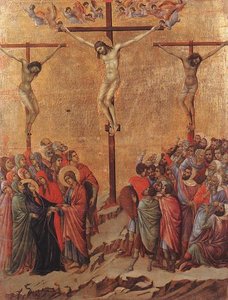
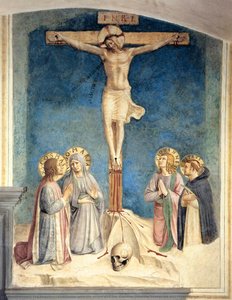
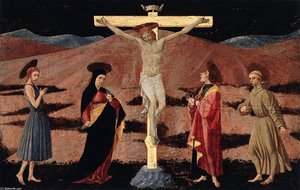

作家の略歴
ヴィト・ストヴォシュが描く感情のドラマ
ヴィト・ストヴォシュ、あるいはフォイト・シュトースの作品を前にするとき、私たちは木の中に封じ込められた、人間らしい感情の深遠なうねりに遭遇することになります。後期ゴシックから北方のルネサンスへと移り変わる激動の時代を生きたこのドイツの巨匠は、単に人物を彫り出したのではありません。彼はそこに「命」を吹き込んだのです。その芸術性は、当時の劇的な熱狂に深く根ざしており、木彫りの作品には、触れられそうなほど鮮烈なパトス(哀愁)が宿っています。若き日の修行の詳細については歴史の霧の中に隠されていますが、彼が形成期においてドイツの工房伝統の厳格な規律を吸収し、堅い材木を精神的な物語を伝える器へと変貌させる技術を習得していたことは疑いようもありません。
素材と動きの極致
ストヴォシュの技術的な輝きは、木という素材を操る比類なき能力にありました。彼の代名詞とも言える功績は、衣襞(ドレーパリー)の表現にあります。布がどのように垂れ、波打ち、そして形にまとわりつくか――その描写は単なる覆いとしての役割を超え、彫刻の中で繰り広げられるドラマの能動的な登場人物として扱われています。この卓越した彫刻様式は、美術史家たちに「後期ゴシック・バロック」という言葉を想起させるほどであり、それまでの様式の硬直した構造に、ダイナミックで、どこか落ち着きのないエネルギーを注入したことが高く評価されています。彼の彫り出す人物たちは、まるで動きの途中で時が止まったかのようであり、その衣は目に見えない神聖な風に煽られているかのように舞っています。この動きと感情の強烈さへのこだわりこそが、様式の変遷期を繋いだ極めて重要な人物としての彼を象徴しているのです。
図像学と不朽の遺産
彼の持つ影響力は当時の芸術潮流の隅々にまで浸透していましたが、ポーランド、クラクフの聖マリア聖堂に安置されているあの記念碑的な祭壇画に触れずにストヴォシュを語ることは不可能でしょう。この作品は彼の天才性を物語る圧倒的な証左であり、彼のキャリアを定義づけた物語の複雑さと感情の深さを余すところなく示しています。この傑作のみならず、『聖アンナ、聖母、幼子イエス』といった現存する作品群もまた、聖なる図像学に対する彼の深い理解を今に伝えています。宗教的な主題にこれほどまでに強烈な人間的感情を吹き込む彼の手腕があったからこそ、その遺産はドイツの工房という枠組みを遥かに超え、時代を超えて響き続けているのです。
時代を繋ぐ架け橋
ヴィト・ストヴォシュの重要性は、いくら強調してもしすぎることはありません。彼は、巨大な文化的激変期を航海した芸術家でした。後期ゴシック様式の特徴である精神的な強烈さと細密な自然主義を取り入れつつ、そこに芽生えつつあったルネサンス的人文主義の感覚を融合させ、同時にドイツ特有の感情的な熱情を失うこともありませんでした。憧憬、悲哀、そして神聖な歓喜といった「内なる生命」を、木という触知可能な媒体を通じて捉えようとした彼の献身は、その先見的なビジョンによって、現代の鑑賞者の心をも揺さぶり、挑み続ける巨匠としての地位を不動のものにしたのです。
ヴィト・ストヴォシュ
1447 - 1533 , ドイツ
プロフィール概要
- Artistic Movement Or Style: 後期ゴシックおよび北方のルネサンス
- Artists Or Movements Influenced By This Artist: ['後世の彫刻家']
- Artists Who Influenced This Artist: ['後期ゴシックの芸術家']
- Date Of Birth: 1450年以前
- Date Of Death: 1533年9月20日
- Full Name: ヴィット・ストヴォシュ (Veit Stoß)
- Nationality: ドイツ
- Notable Artworks:
- 聖アンナ、聖母子像
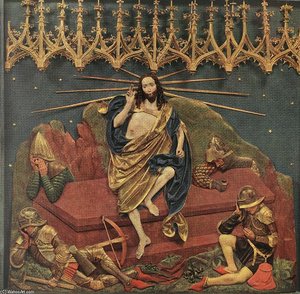
- 聖マリア大聖堂の主祭壇(復活)
- 聖マリア大聖堂の主祭elung(磔刑)
- Place Of Birth: ドイツ、ホルバッハ

