

 プレビュー
プレビュー
 シェアする
シェアする シェアする
シェアする
 詳細を見る
詳細を見る

 ダウンロード
 似ている作品
 X線調査
X線調査 スライドショー
 統計情報
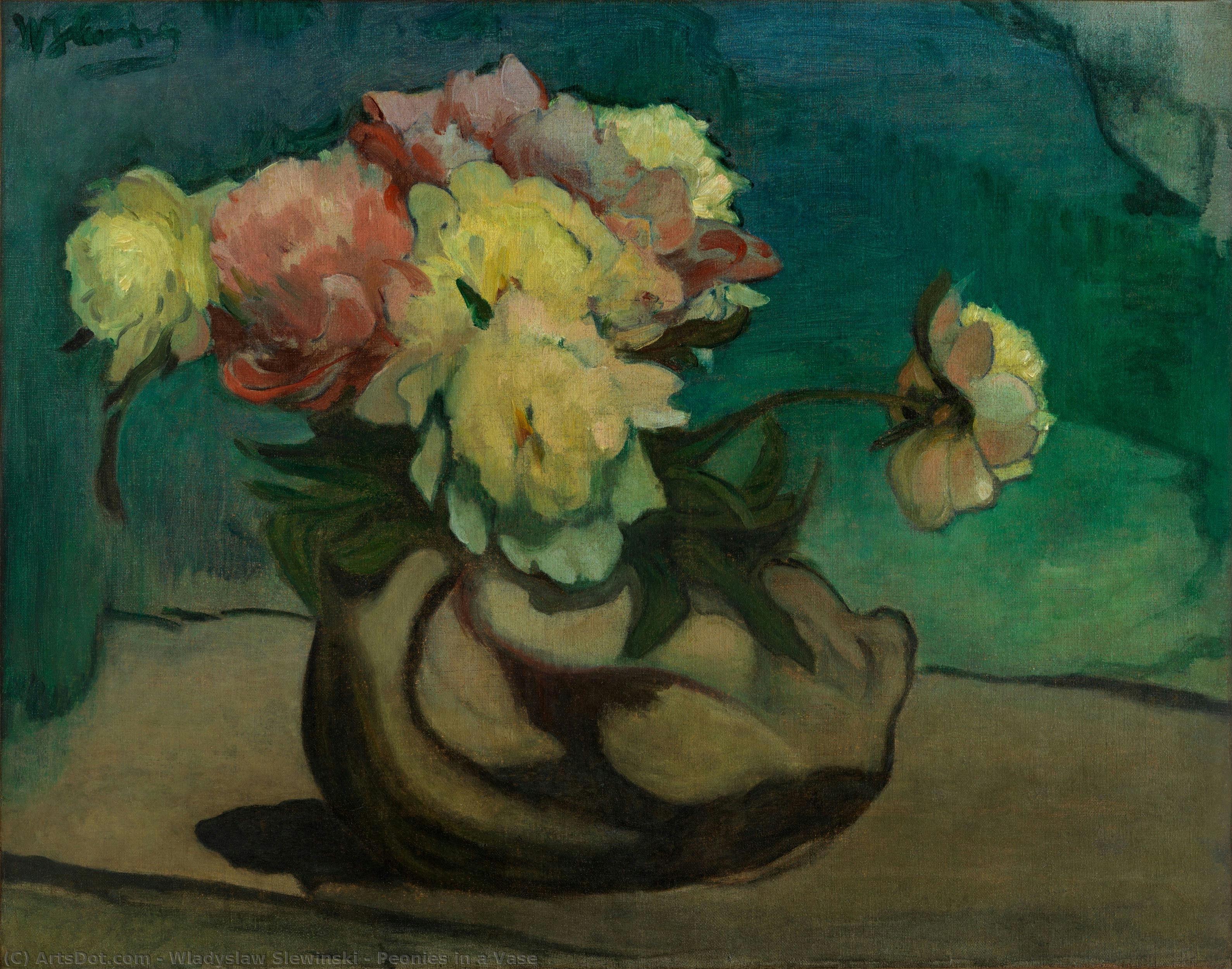
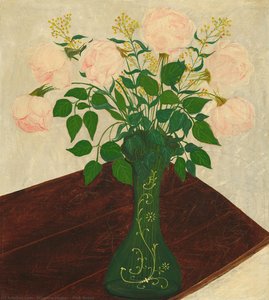
統計情報Peonies in a Vase
 Oil
Oil- WallArt
- Synthetism
 1889
1889- 19th Century
 40.0 x 60.0 cm
 Musée de Pont-Aven
 詳細を見る
詳細を見る
オンラインプレビューをはるかに凌ぐ、高解像度で鮮明なデジタル画像をご購入いただけます。
各ファイルは、社内の専門家が高度なツールと熟練した手作業によるレタッチを用いて、細心の注意を払って準備されています。すべての画像において、卓越した鮮明度、正確な色彩再現性、そして繊細なディテールを保証いたします。
最終ファイルは、プロフェッショナルな編集・印刷環境ですぐにご利用いただけるよう最適化された状態で、72時間以内にメールにてお届けいたします。これは、一流のデザインスタジオ、出版社、ギャラリーから信頼されているものと同等の品質です。
デジタルアート
個人での鑑賞、印刷、クリエイティブなプロジェクト用に、高解像度ファイルをダウンロードできます。 ( プリント版に切り替え 手描きの絵画を購入)
デジタル画像のご注文に付随する特典
高品質なデジタル画像配信を、確かな品質で。
ArtsDot.com を選ぶことは、単に画像を手に入れることではありません。それは、プロの手によって精密に仕上げられ、満足保証が付いた高品質なデジタルアートワークを受け取ることを意味します。ご注文いただいた際に自動的に付随する内容は、以下の通りです:

メールですぐにお届け
ご注文から72時間以内に、高解像度のデジタル画像ファイルがメールでお手元に届きます。すぐにそのままご利用いただけます。

AI技術で最適化されたデジタルファイル
お客様の作品は、高度なAIツールと専門家による手作業の編集を組み合わせてプロフェッショナルに最適化されており、細部のディテール、鮮明さ、そして正確な色再現性を最大限に引き出しています。

一生涯無料の再送サービス
ファイルを誤って削除したり、紛失してしまったりしましたか?ご安心ください。いつでも無料で再送いたします。

輸入手数料は一切かかりません
関税や手数料、配送料を気にすることなく、お気に入りのアートワークをすぐにお楽しみいただけます。デジタルダウンロードは常に免税です。

色彩再現の保証
プロ仕様のツールとカラーマネジメント技術を用いることで、デジタル画像が元の色を最大限に忠実に再現することを保証いたします。

100日間満足保証
ご購入いただいたデジタル画像にご満足いただけない場合は、100日以内であれば、理由を問わず修正または100%の返金対応をさせていただきます。

100% 返金保証
ご満足いただけない場合は、デジタルファイルを受け取ってから100日以内であれば、理由を問わず全額返金いたします。

まとめ買い割引
3枚購入で10%OFF - 5枚購入で15%OFF - 10枚以上購入で20%OFF。クリエイティブなプロジェクト、ギャラリー、エージェンシーに最適です。
作家の略歴
A Soul in Bloom: The Poetic Legacy of Władysław Ślewiński
In the grand tapestry of European art, few threads possess the delicate, luminous quality of Władysław Ślewiński. A central figure of the Young Poland movement, Ślewiński did not merely paint objects; he captured the very breath of nature, imbuing the ephemeral beauty of flowers and fruit with a profound, spiritual weight. Born in 1856 in Nowy Białynin to a landowning family, his early life was marked by both privilege and profound loss. The death of his mother during childbirth cast a long shadow over his beginnings, yet it was this very sensitivity to the fragility of existence that would later define his brushwork. Guided by the keen eye of his cousin, the renowned painter Józef Chełmoński, Ślewiński began his formal training under Wojciech Gerson, laying the academic foundation upon which he would later build a revolutionary, modern aesthetic.
The trajectory of Ślewiński’s life took a dramatic turn following financial ruin and the pressures of political upheaval in Poland. Fleeing to Paris in 1888, he transitioned from a displaced landowner to a dedicated seeker of light and form. It was in the vibrant, intellectual crucible of France that his artistic identity truly crystallized. Studying at the prestigious Académie Julian and Académie Colarossi, he moved beyond traditional realism toward something far more evocative. Most significantly, his encounter with Paul Gauguin became the defining moment of his career. Immersed in the School of Pont-Aven, Ślewi ński embraced the principles of Synthetism, learning to simplify forms into bold, flat areas of color and to use contours that anchored his compositions with a rhythmic, almost musical grace.
The Language of Symbolism and Still Life
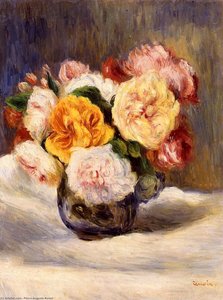
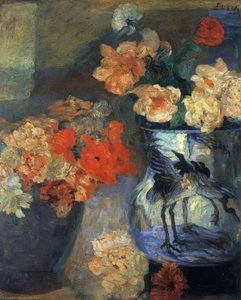
While many of his contemporaries sought the grand narratives of history painting, Ślewiński found the infinite within the intimate. His mastery of the still life genre allowed him to explore a unique visual language where every petal and every piece of fruit served as a vessel for meaning. To gaze upon his Peonies in a Vase or his depictions of apples is to enter a meditative space. He utilized a palette that was both luminous and controlled, blending the Impressionistic fascination with light with a Post-Impressionist commitment to symbolic depth. In his hands, the peony became more than a botanical specimen; it stood as an emblem of purity and nobility, while the simple presence of fruit suggested themes of fertility, abundance, and the cyclical nature of life.
His technique was a masterful balance of opposites:
- Precision and Fluidity: He maintained an unwavering commitment to academic accuracy in his botanical details while simultaneously employing the soft, expressive color patches characteristic of the Pont-Aven school.
- Subjective Color: Moving away from purely descriptive tones, he used color to evoke emotion, creating atmospheres that felt both physically real and spiritually heightened.
- Structural Harmony: Through the use of deliberate outlines and carefully arranged compositions, he achieved a sense of permanence and stillness that invites long periods of contemplation.
A Lasting Impression on Polish and Global Art
The historical significance of Władysław Ślewiński lies in his ability to bridge the gap between the academic traditions of the 19th century and the burgeoning modernism of the 20th. As a leading light of the Young Poland movement, he helped revitalize Polish culture during a period of intense national struggle, providing an art that was both deeply rooted in local identity and conversant with the avant-garde movements of Paris. His brief return to Poland between 1905 and 1910, where he served as a professor and opened his own school, allowed him to pass this sophisticated, international vision down to a new generation of Polish artists.
Though he passed away in Paris in 1918, leaving behind a body of work that remains as fresh and vibrant as the blooms he so loved, Ślewiński’s influence persists. He remains a master of the quiet moment, an artist who proved that the most profound truths are often found in the simplest of subjects. His legacy is one of resilience, beauty, and a deep, humanist connection to the natural world—a reminder that even in the face of tragedy, art can bloom with eternal grace.
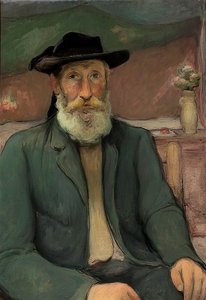
wladyslaw slewinski
1856 - 1918 , Poland
プロフィール概要
- Artistic Movement Or Style: Academic Art Style
- Artists Who Influenced This Artist: ['Paul Gauguin']
- Date Of Birth: June 1856
- Full Name: Władysław Ślewiński
- Nationality: Polish
- Notable Artworks:
- Peonies in a Vase
- Still-Life with Apples and Candlestick
- Portrait of Marie Schewtzoff
- Place Of Birth: Białynikau, Poland