

 プレビュー
プレビュー
 シェアする
シェアする シェアする
シェアする
 詳細を見る
詳細を見る

 ダウンロード
 似ている作品
 X線調査
X線調査 スライドショー
 統計情報
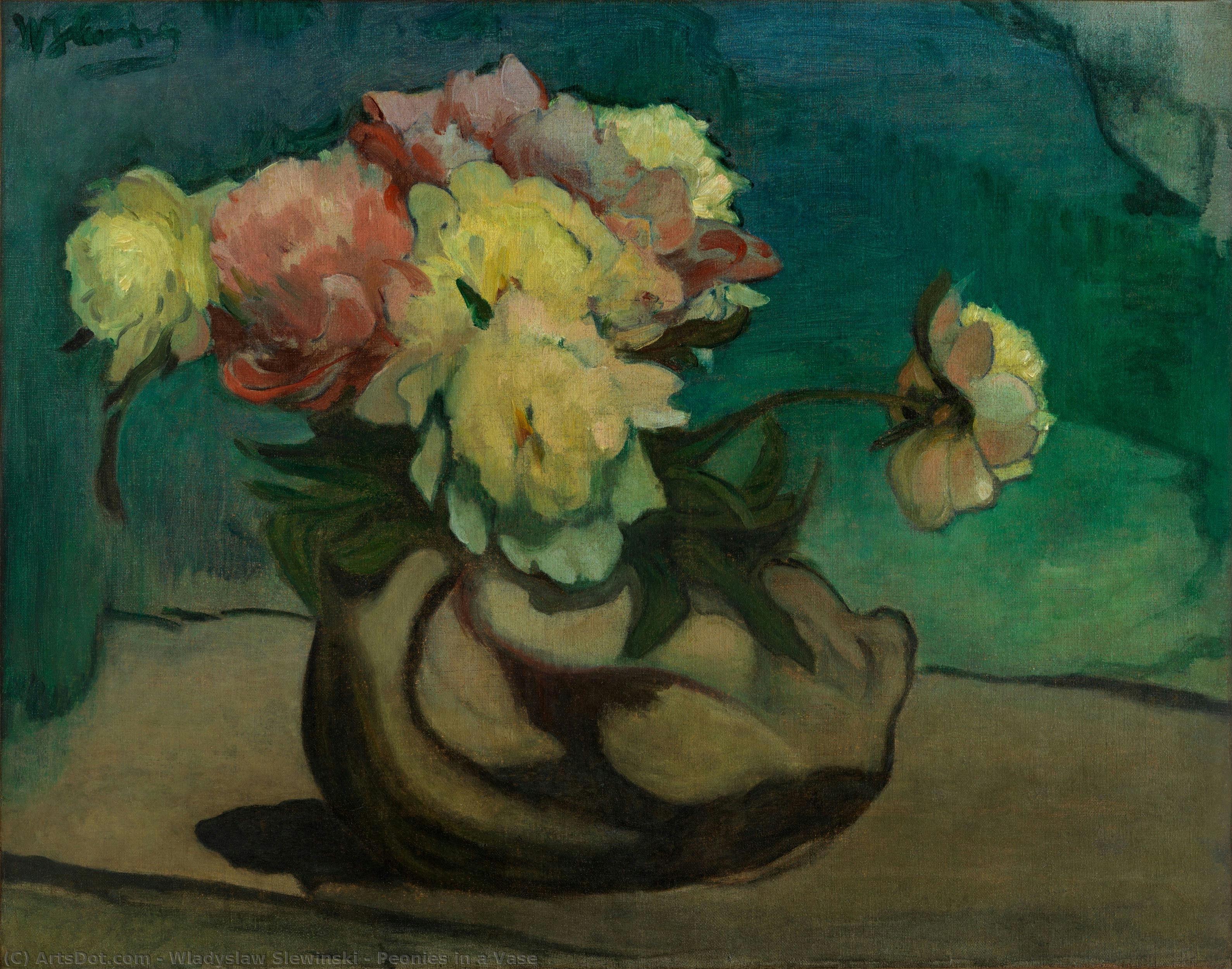
統計情報Peonies in a Vase
 Oil
Oil- WallArt
- Synthetism
 1889
1889- 19th Century
 40.0 x 60.0 cm
 Musée de Pont-Aven
 詳細を見る
詳細を見る
ジークレー/アートプリント
迅速な制作と多彩な仕上げオプションを備えた、ミュージアムクオリティのジークレーまたはキャンバスプリント。 ( 手描きの絵画を購入 デジタル画像販売へ切り替え)




P118B $10

P118H $10

P118W $10

P438Z $10

P508JH $12

P508YH $12

P805H $10

P805Z $10

P919BZ $10

P919G $10

P919XJ $10

P959ZH $10

P968JZ $12

W106C $8

W218G $10

W218JH $8

W218Y $10

W307PJ $10

W316G $10

W316PJ $8

W316Y $10

W398PJ $8

W4111J $10

W500HY $15

W500JH $15

W692G $12

W849H $8

W940BG $15

W953PJ $8




作品のオリジナル比率に合わせた、当店の規定サイズからお選びください。

特定のフレームやスペースに合わせて、ご自身でサイズを指定することも可能です。選択されたサイズが元の画像の比率と一致しない場合、作品をトリミングするか、鏡面反射または単色での塗りつぶしによって画像を拡張いたします。制作を開始する前に、ご確認用のデジタルモックアップをお送りいたします。
画面上のプレビューには、実際のトリミングや拡張は反映されませんのでご注意ください。最終的な構図を正確に確認できるのは、モックアップのみとなります。
カスタムサイズも承っておりますが、元の比率を維持するためには、あらかじめ用意されたリストからサイズを選択することをお勧めいたします。


 ガラスオプションは、110cm未満のサイズでのみご利用いただけます。

Peonies in a Vase
ジークレー/アートプリント
複製画のサイズ
-


合計金額
$ 62
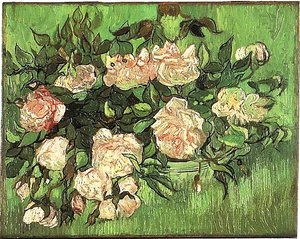
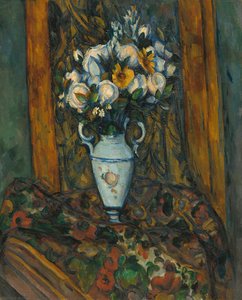
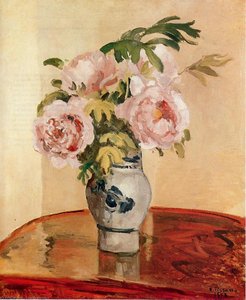
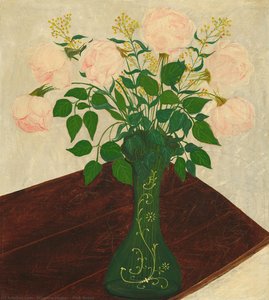
アーティストの略歴
A Soul in Bloom: The Poetic Legacy of Władysław Ślewiński
In the grand tapestry of European art, few threads possess the delicate, luminous quality of Władysław Ślewiński. A central figure of the Young Poland movement, Ślewiński did not merely paint objects; he captured the very breath of nature, imbuing the ephemeral beauty of flowers and fruit with a profound, spiritual weight. Born in 1856 in Nowy Białynin to a landowning family, his early life was marked by both privilege and profound loss. The death of his mother during childbirth cast a long shadow over his beginnings, yet it was this very sensitivity to the fragility of existence that would later define his brushwork. Guided by the keen eye of his cousin, the renowned painter Józef Chełmoński, Ślewiński began his formal training under Wojciech Gerson, laying the academic foundation upon which he would later build a revolutionary, modern aesthetic.
The trajectory of Ślewiński’s life took a dramatic turn following financial ruin and the pressures of political upheaval in Poland. Fleeing to Paris in 1888, he transitioned from a displaced landowner to a dedicated seeker of light and form. It was in the vibrant, intellectual crucible of France that his artistic identity truly crystallized. Studying at the prestigious Académie Julian and Académie Colarossi, he moved beyond traditional realism toward something far more evocative. Most significantly, his encounter with Paul Gauguin became the defining moment of his career. Immersed in the School of Pont-Aven, Ślewi ński embraced the principles of Synthetism, learning to simplify forms into bold, flat areas of color and to use contours that anchored his compositions with a rhythmic, almost musical grace.
The Language of Symbolism and Still Life
While many of his contemporaries sought the grand narratives of history painting, Ślewiński found the infinite within the intimate. His mastery of the still life genre allowed him to explore a unique visual language where every petal and every piece of fruit served as a vessel for meaning. To gaze upon his Peonies in a Vase or his depictions of apples is to enter a meditative space. He utilized a palette that was both luminous and controlled, blending the Impressionistic fascination with light with a Post-Impressionist commitment to symbolic depth. In his hands, the peony became more than a botanical specimen; it stood as an emblem of purity and nobility, while the simple presence of fruit suggested themes of fertility, abundance, and the cyclical nature of life.
His technique was a masterful balance of opposites:
- Precision and Fluidity: He maintained an unwavering commitment to academic accuracy in his botanical details while simultaneously employing the soft, expressive color patches characteristic of the Pont-Aven school.
- Subjective Color: Moving away from purely descriptive tones, he used color to evoke emotion, creating atmospheres that felt both physically real and spiritually heightened.
- Structural Harmony: Through the use of deliberate outlines and carefully arranged compositions, he achieved a sense of permanence and stillness that invites long periods of contemplation.
A Lasting Impression on Polish and Global Art
The historical significance of Władysław Ślewiński lies in his ability to bridge the gap between the academic traditions of the 19th century and the burgeoning modernism of the 20th. As a leading light of the Young Poland movement, he helped revitalize Polish culture during a period of intense national struggle, providing an art that was both deeply rooted in local identity and conversant with the avant-garde movements of Paris. His brief return to Poland between 1905 and 1910, where he served as a professor and opened his own school, allowed him to pass this sophisticated, international vision down to a new generation of Polish artists.
Though he passed away in Paris in 1918, leaving behind a body of work that remains as fresh and vibrant as the blooms he so loved, Ślewiński’s influence persists. He remains a master of the quiet moment, an artist who proved that the most profound truths are often found in the simplest of subjects. His legacy is one of resilience, beauty, and a deep, humanist connection to the natural world—a reminder that even in the face of tragedy, art can bloom with eternal grace.
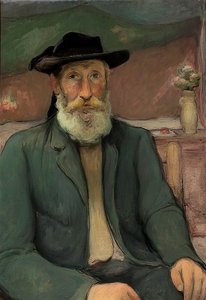
wladyslaw slewinski
1856 - 1918 , Poland
基本情報
- Artistic Movement Or Style: Academic Art Style
- Artists Who Influenced This Artist: ['Paul Gauguin']
- Date Of Birth: June 1856
- Full Name: Władysław Ślewiński
- Nationality: Polish
- Notable Artworks:
- Peonies in a Vase
- Still-Life with Apples and Candlestick
- Portrait of Marie Schewtzoff
- Place Of Birth: Białynikau, Poland
関連記事
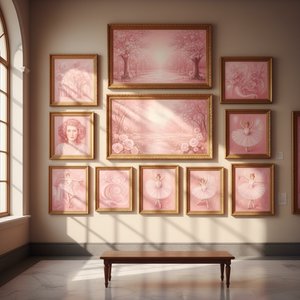
Blush & Brilliance: 10 Iconic Paintings Dominated by Light Pink Tones |
Explore 10 iconic paintings bathed in captivating light pink tones! From Monet's Impressionism to Renoir’s romance, discover the stories behind these blush-hued masterpieces. Find museum-quality art reproductions & decor inspiration at .
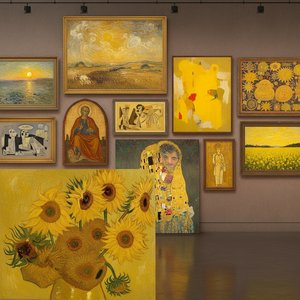
Golden Hues: 10 Masterpieces Dominated by Chrome Yellow | ArtsDot
Immerse yourself in golden light! Explore 10 famous paintings dominated by 'Chrome Yellow', from Van Gogh’s Sunflowers to Monet's Haystacks. Discover the stories behind these iconic Impressionist & Post-Impressionist masterpieces and find museum-quality art reproductions at ArtsDot.com.
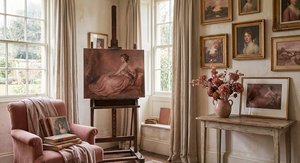
Dusty Rose Hues: 10 Master Paintings & Timeless Decor Inspiration
Explore 10 famous paintings bathed in captivating dusty rose tones! From Monet to Bouguereau, discover romantic Impressionism & Renaissance masterpieces. Find museum-quality art reproductions and elevate your home decor with ArtsDot.com. Explore the full collection online.
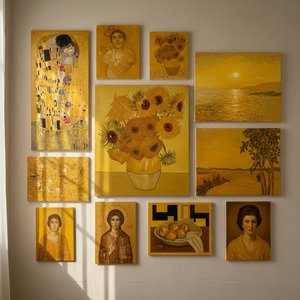
Golden Hues: Top 10 Paintings Dominated by Yellow Ochre |
Explore 10 iconic paintings bathed in golden yellow ochre! From Van Gogh's sunflowers to Monet’s haystacks, discover the stories behind these masterpieces. Find museum-quality art reproductions & elevate your home decor on .
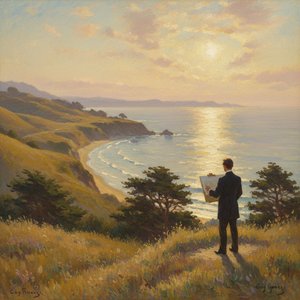
Guy Rose: Luminism, Impressionism & the Californian Aesthetic – A Comprehensive Exploration of Life and Legacy
Explore the life & art of Guy Rose, a leading American Impressionist painter. Discover his luminous California landscapes, Giverny scenes, and enduring legacy. A comprehensive guide for collectors & enthusiasts.