

 プレビュー
プレビュー
 プリントを購入
 シェアする
シェアする シェアする
シェアする
 詳細を見る
詳細を見る

 ダウンロード
 似ている作品
 X線調査
X線調査 スライドショー
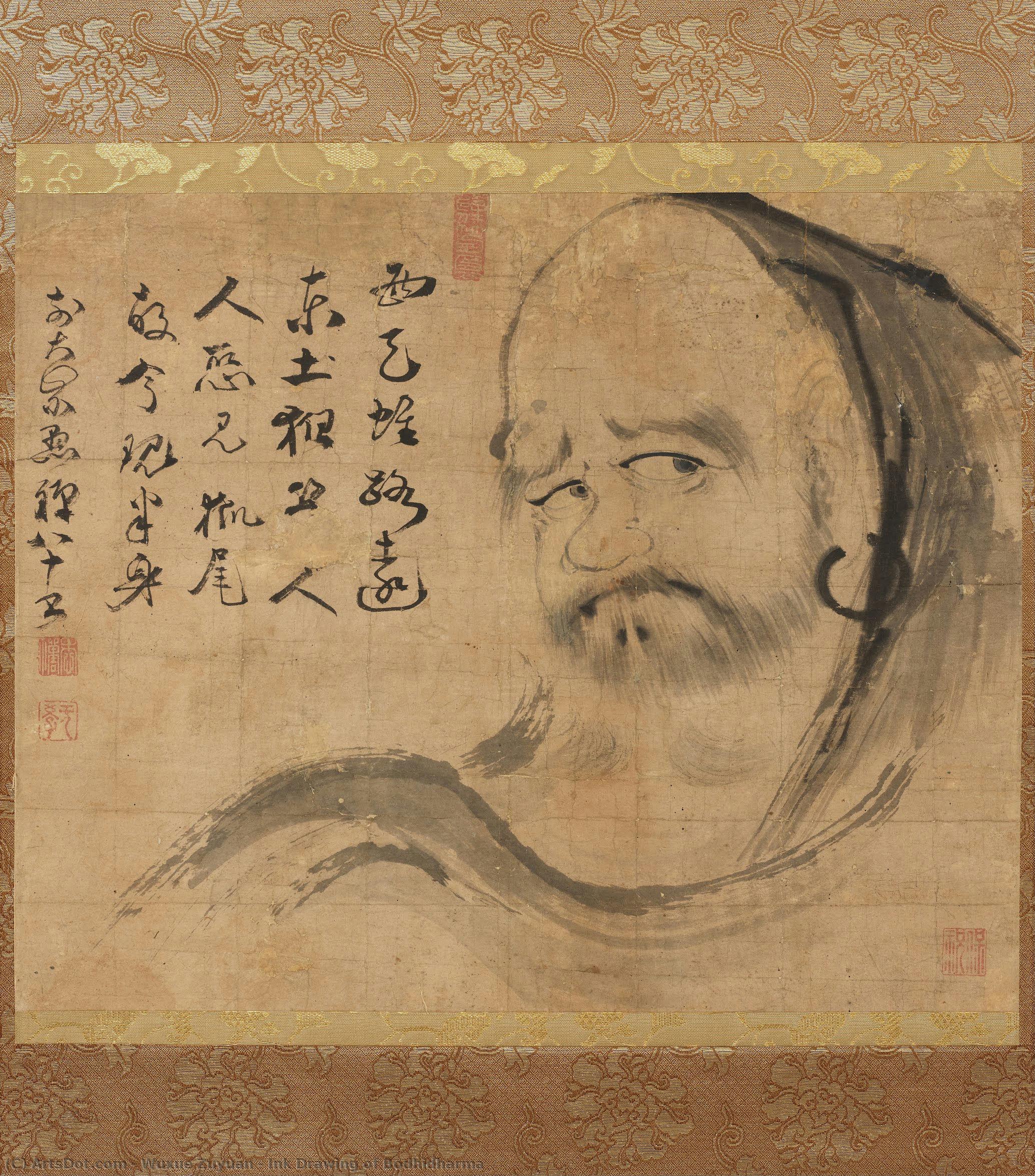
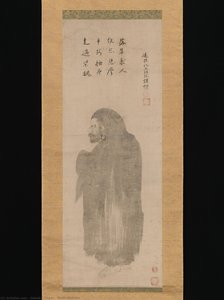
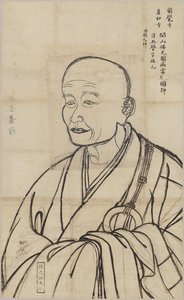
Ink Drawing of Bodhidharma


 詳細を見る
詳細を見る
オンラインプレビューをはるかに凌ぐ、高解像度で鮮明なデジタル画像をご購入いただけます。
各ファイルは、社内の専門家が高度なツールと熟練した手作業によるレタッチを用いて、細心の注意を払って準備されています。すべての画像において、卓越した鮮明度、正確な色彩再現性、そして繊細なディテールを保証いたします。
最終ファイルは、プロフェッショナルな編集・印刷環境ですぐにご利用いただけるよう最適化された状態で、72時間以内にメールにてお届けいたします。これは、一流のデザインスタジオ、出版社、ギャラリーから信頼されているものと同等の品質です。
デジタル画像のご注文に付随する特典
高品質なデジタル画像配信を、確かな品質で。
ArtsDot.com を選ぶことは、単に画像を手に入れることではありません。それは、プロの手によって精密に仕上げられ、満足保証が付いた高品質なデジタルアートワークを受け取ることを意味します。ご注文いただいた際に自動的に付随する内容は、以下の通りです:

メールですぐにお届け
ご注文から72時間以内に、高解像度のデジタル画像ファイルがメールでお手元に届きます。すぐにそのままご利用いただけます。

AI技術で最適化されたデジタルファイル
お客様の作品は、高度なAIツールと専門家による手作業の編集を組み合わせてプロフェッショナルに最適化されており、細部のディテール、鮮明さ、そして正確な色再現性を最大限に引き出しています。

一生涯無料の再送サービス
ファイルを誤って削除したり、紛失してしまったりしましたか?ご安心ください。いつでも無料で再送いたします。

輸入手数料は一切かかりません
関税や手数料、配送料を気にすることなく、お気に入りのアートワークをすぐにお楽しみいただけます。デジタルダウンロードは常に免税です。

色彩再現の保証
プロ仕様のツールとカラーマネジメント技術を用いることで、デジタル画像が元の色を最大限に忠実に再現することを保証いたします。

60日間満足保証
ご購入いただいたデジタル画像にご満足いただけない場合は、60日以内であれば、修正または100%の返金(理由を問う必要はありません)をさせていただきます。

100% 返金保証
ご満足いただけない場合は、デジタルファイルを受け取ってから60日以内であれば、理由を問わず全額返金いたします。

まとめ買い割引
3枚購入で10%OFF - 5枚購入で15%OFF - 10枚以上購入で20%OFF。クリエイティブなプロジェクト、ギャラリー、エージェンシーに最適です。
作品の詳細
The Silent Presence of Zen: An Encounter with Bodhidharma
In the quietude of an ink-brushed landscape, there exists a moment where time seems to suspend itself, captured forever in the strokes of wuxue zuyuan. The Ink Drawing of Bodhidramha is not merely a portrait; it is a window into the profound stillness of the Zen Buddhist tradition. As we gaze upon the face of the legendary founder of Chan Buddhism, we are drawn into a meditative dialogue with a figure who embodies the very essence of spiritual awakening. The subject, characterized by his rugged beard and a gaze that drifts toward an unseen horizon, invites the viewer to step away from the chaos of the modern world and enter a space of deep contemplation.
The artistry of this 1817 masterpiece relies on the masterful economy of line and the evocative power of monochrome. Through the delicate application of ink, the artist breathes life into the textures of the subject's features, creating a sense of weight and wisdom that transcends the paper itself. The background, adorned with subtle Chinese characters, serves as more than mere decoration; it provides a rhythmic, calligraphic context that anchors the figure within a rich lineage of scholarly and spiritual tradition. This interplay between the physical form and the written word creates a layered narrative, suggesting that the truths of Bodhidharma are both lived through experience and recorded through sacred script.
A Legacy of Spirit and Ink
To understand this work is to understand the soul of the artist, wuxue zuyuan. Living during the 13th century, wuxue zuyuan was a pivotal figure whose life as a Zen monk deeply informed his aesthetic sensibilities. His technique reflects the Taoist and Buddhist influences that permeated the era, where the "emptiness" of the paper is just as vital as the ink applied to it. This piece stands as a testament to a period when art was an extension of spiritual practice—a way to manifest the intangible essence of enlightenment through the tangible medium of brush and soot.
For the discerning collector or interior designer, this reproduction offers more than just visual beauty; it offers an atmosphere. The monochromatic palette and the historical gravity of the subject make it a sophisticated centerpiece for spaces dedicated to tranquility, such as a study, a library, or a minimalist sanctuary. It possesses a unique ability to ground a room, providing a focal point that encourages slow looking and quiet reflection. Owning such a piece is an invitation to surround oneself with the enduring legacy of Zen wisdom, bringing a sense of historical depth and emotional serenity into the contemporary home.
関連作品


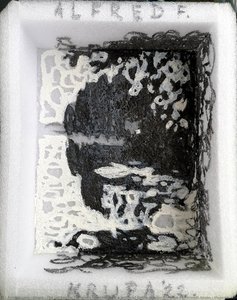
作家の略歴
Berthe Morisot: A Delicate Dance of Light and Impression
Born in Bourges, France, in 1841, Berthe Morisot’s life was one of quiet determination within the constraints of a rapidly changing artistic landscape. Her father, Edmé Tiburce Morisot, a respected prefect and amateur architect, instilled in her an appreciation for beauty and observation – foundational elements that would profoundly shape her approach to painting. Despite societal expectations that largely confined women to domestic roles, Berthe’s family encouraged her artistic pursuits, providing access to art education and fostering a supportive environment for her burgeoning talent. This early encouragement proved crucial as she navigated the challenges of being a female artist in a male-dominated world.
Morisot's formal training began at the École des Beaux-Arts in Paris, though she found the traditional curriculum restrictive. She primarily studied under Joseph Guichard and Achille-Francois Oudinot, absorbing the techniques of academic painting while simultaneously seeking to develop her own distinct voice. It was through these early studies that she encountered the burgeoning Impressionist movement – a group of artists challenging established conventions and prioritizing capturing fleeting moments of light and atmosphere. Her initial exhibitions at the Salon de Paris, beginning in 1864, marked her tentative entry into the art world, though her works were often relegated to secondary positions.
A pivotal moment arrived in 1874 with the first Impressionist exhibition, organized by Monet. Morisot’s decision to participate alongside artists like Renoir, Degas, and Pissarro signaled a decisive break from academic tradition. She became part of a small but influential circle of women painters – alongside Mary Cassatt and Julie Manet – who shared a commitment to portraying modern life with a focus on intimate scenes and subjective experiences. Unlike some of her male colleagues, Morisot rarely tackled grand historical or mythological subjects; instead, she excelled at capturing the everyday moments of domesticity: children playing, family gatherings, women engaged in quiet pursuits—scenes brimming with tenderness and subtle emotion.
Morisot’s technique was characterized by a delicate brushwork, a luminous palette, and an acute sensitivity to light. She favored small-scale canvases, often painting en plein air (outdoors) to directly observe the effects of natural light on her subjects. Her compositions are typically asymmetrical and open, creating a sense of movement and spontaneity. She employed broken color—applying thin layers of paint that blend optically when viewed from a distance—to achieve a shimmering effect reminiscent of sunlight filtering through foliage or reflected in water. Influences can be traced to the Barbizon School’s emphasis on landscape painting and the Japanese prints that were gaining popularity among Impressionist artists, both of which contributed to her interest in capturing fleeting moments and atmospheric effects.
Despite facing persistent challenges as a female artist—including limited recognition and financial struggles—Morisot remained dedicated to her craft. She continued to exhibit at the Impressionist exhibitions until 1886, producing over 300 paintings throughout her career. Her work gradually gained wider appreciation during her lifetime, though it wasn’t until after her death in 1895 that she was fully recognized as one of the most significant figures of the Impressionist movement. Today, Morisot's paintings are celebrated for their exquisite beauty, emotional depth, and insightful portrayal of modern life—testaments to a woman who bravely pursued her artistic vision against considerable odds.
Key Works & Recurring Themes
- The Cradle (1872): A quintessential example of Morisot’s skill in capturing the intimacy of domestic life, this painting depicts a mother gently rocking her sleeping child. The soft light and delicate brushwork evoke a sense of serenity and tenderness.
- Reading a Letter (1876): This intimate portrait captures a moment of quiet contemplation as a young woman is absorbed in reading a letter, highlighting Morisot’s ability to convey subtle emotions through gesture and expression.
- Summer's Day (1879): A vibrant depiction of children playing in a garden, showcasing Morisot’s masterful use of color and light to capture the joy and spontaneity of childhood.
- At the Piano (1876): Another intimate scene featuring a young woman at a piano, demonstrating Morisot's talent for portraying domestic interiors with remarkable sensitivity.
The Influence of Family and Friendship
Morisot’s artistic development was profoundly shaped by her close relationships. Her marriage to Eugène Manet, the brother of Édouard Manet, provided a supportive and intellectually stimulating environment. Eugène encouraged her artistic pursuits and served as a fellow Impressionist, sharing her passion for capturing modern life. The Manets' salon became a hub for artistic exchange, bringing Morisot into contact with other prominent artists like Monet, Renoir, and Degas.
Her friendship with Mary Cassatt was particularly significant. The two women shared a common interest in depicting female subjects and often engaged in mutual critique and support. They frequently painted each other’s portraits and exchanged ideas about their artistic approaches. The influence of these relationships is evident in Morisot's work, which reflects the shared values and aesthetic sensibilities of her circle of friends.
Legacy & Historical Significance
Despite facing significant obstacles as a female artist in a male-dominated field, Berthe Morisot’s legacy endures. Her paintings are now recognized for their exquisite beauty, emotional depth, and insightful portrayal of modern life. She is considered one of the most important figures of the Impressionist movement, alongside her male counterparts. Morisot's work challenges traditional notions of femininity in art, demonstrating that women could be equally skilled and innovative artists. Her dedication to capturing intimate moments and subjective experiences paved the way for future generations of female painters.
Today, Morisot’s paintings are exhibited in major museums around the world, including the Musée d'Orsay in Paris and the Metropolitan Museum of Art in New York. Her work continues to inspire artists and viewers alike, reminding us of the power of art to capture beauty, emotion, and the complexities of human experience.
無学祖院
1226 - 1286
プロフィール概要
- Artistic Movement Or Style: 印象派
- Artists Or Movements Influenced By This Artist:
- メアリー・カサット
- ポスト印象派
- Artists Who Influenced This Artist:
- エドガー・ドガ
- エドゥアール・マネ
- Date Of Birth: 1841年1月14日
- Date Of Death: 1895年3月2日
- Full Name: ベルト・モリゾ
- Nationality: フランス
- Notable Artworks:
- 草上の昼食
- 鳩を持つ子供
- 歌 (マルグリット・アンリエット)
- Place Of Birth: フランス、ブルージュ

