

 プレビュー
プレビュー
 プリントを購入
 シェアする
シェアする シェアする
シェアする
 詳細を見る
詳細を見る

 ダウンロード
 似ている作品
 X線調査
X線調査 スライドショー
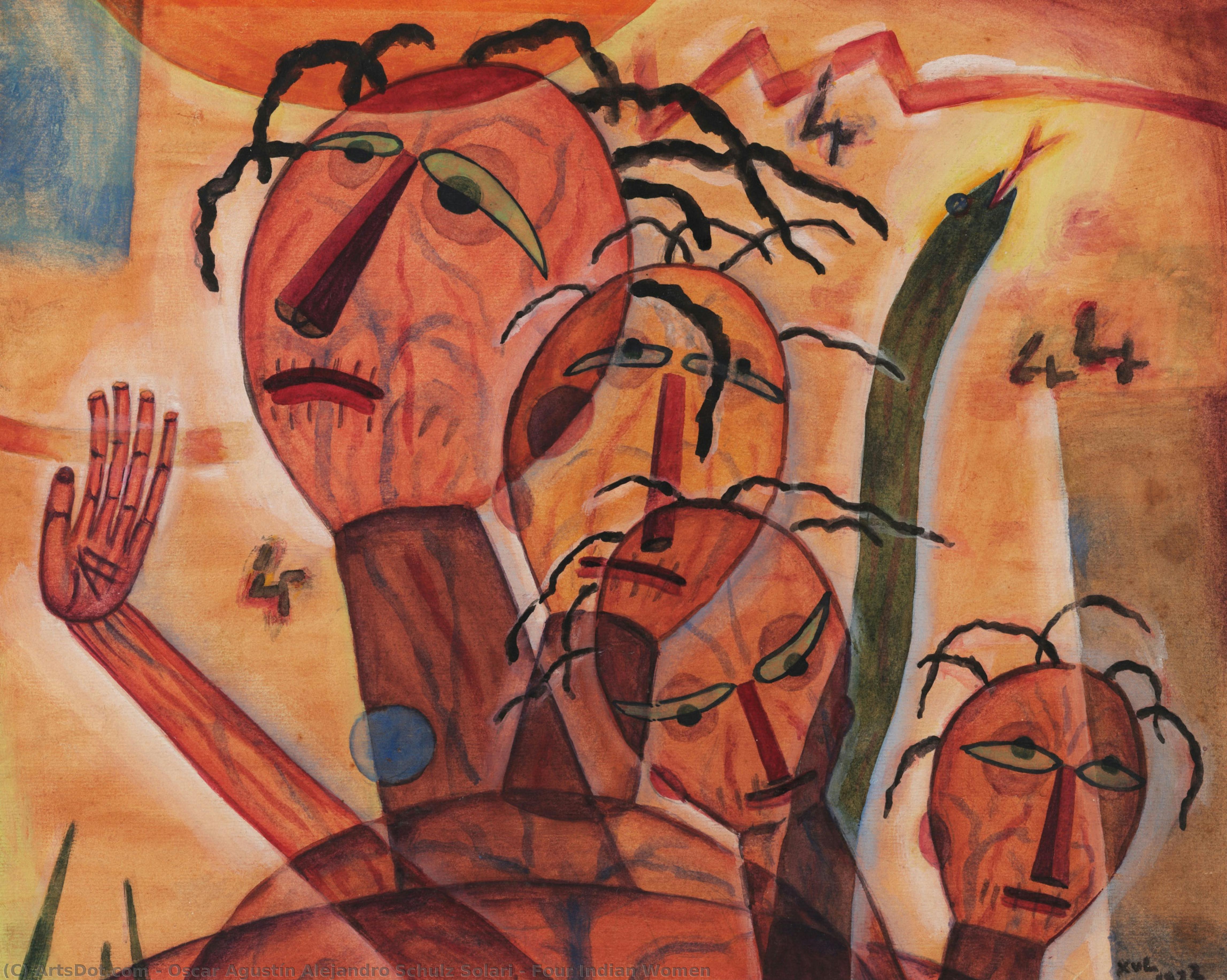
Four Indian Women


 詳細を見る
詳細を見る
オンラインプレビューをはるかに凌ぐ、高解像度で鮮明なデジタル画像をご購入いただけます。
各ファイルは、社内の専門家が高度なツールと熟練した手作業によるレタッチを用いて、細心の注意を払って準備されています。すべての画像において、卓越した鮮明度、正確な色彩再現性、そして繊細なディテールを保証いたします。
最終ファイルは、プロフェッショナルな編集・印刷環境ですぐにご利用いただけるよう最適化された状態で、72時間以内にメールにてお届けいたします。これは、一流のデザインスタジオ、出版社、ギャラリーから信頼されているものと同等の品質です。
デジタル画像のご注文に付随する特典
高品質なデジタル画像配信を、確かな品質で。
ArtsDot.com を選ぶことは、単に画像を手に入れることではありません。それは、プロの手によって精密に仕上げられ、満足保証が付いた高品質なデジタルアートワークを受け取ることを意味します。ご注文いただいた際に自動的に付随する内容は、以下の通りです:

メールですぐにお届け
ご注文から72時間以内に、高解像度のデジタル画像ファイルがメールでお手元に届きます。すぐにそのままご利用いただけます。

AI技術で最適化されたデジタルファイル
お客様の作品は、高度なAIツールと専門家による手作業の編集を組み合わせてプロフェッショナルに最適化されており、細部のディテール、鮮明さ、そして正確な色再現性を最大限に引き出しています。

一生涯無料の再送サービス
ファイルを誤って削除したり、紛失してしまったりしましたか?ご安心ください。いつでも無料で再送いたします。

輸入手数料は一切かかりません
関税や手数料、配送料を気にすることなく、お気に入りのアートワークをすぐにお楽しみいただけます。デジタルダウンロードは常に免税です。

色彩再現の保証
プロ仕様のツールとカラーマネジメント技術を用いることで、デジタル画像が元の色を最大限に忠実に再現することを保証いたします。

100日間満足保証
ご購入いただいたデジタル画像にご満足いただけない場合は、100日以内であれば、理由を問わず修正または100%の返金対応をさせていただきます。

100% 返金保証
ご満足いただけない場合は、デジタルファイルを受け取ってから100日以内であれば、理由を問わず全額返金いたします。

まとめ買い割引
3枚購入で10%OFF - 5枚購入で15%OFF - 10枚以上購入で20%OFF。クリエイティブなプロジェクト、ギャラリー、エージェンシーに最適です。
A Visionary Tapestry of Spirit and Form
In the ethereal realm of Xul Solar, the boundaries between the physical world and the spiritual plane dissolve into a delicate dance of watercolor and mysticism. His 1923 masterpiece, Four Indian Women, serves as a profound window into the mind of an artist who was as much a philosopher and linguist as he was a painter. This evocative work captures a moment of cosmic convergence, where the faces of four women emerge from a dreamlike void, each gazing toward a different horizon of existence. The painting is not merely a portrait but a visual transcription of an esoteric vision, blending the organic curves of human features with the geometric precision of a higher, unseen order.
The technique employed by Solar in this piece showcases his mastery over the fluid nature of watercolor. Through translucent layers and subtle gradations of color, he creates a sense of depth that feels both weightless and ancient. The faces, though possessing strange and otherworldly qualities, are anchored by delicate details—the rhythmic placement of necklaces that drape across necks like sacred talismans. These adornments serve as focal points within the composition, drawing the eye through a labyrinth of gazes. The way the light seems to emanate from within the paper itself reflects Solar's lifelong pursuit of universal knowledge, making each brushstroke feel like a coded message from the subconscious.
Symbolism and the Language of the Soul
To behold Four Indian Women is to engage with the complex symbolism that defined the Argentine avant-garde. Xul Solar was deeply immersed in the study of the I Ching, the Kabbalah, and various mystical traditions, and these influences permeate every inch of this composition. The four women can be interpreted as archetypes of different spiritual states or perhaps as representations of the cardinal directions, each looking toward a specific facet of the universe's truth. The interplay of geometric shapes and organic forms suggests a world in constant flux, where the structure of the cosmos is inextricably linked to the essence of life.
For the discerning collector or interior designer, this artwork offers more than mere decoration; it provides a profound intellectual and emotional anchor for any space. The painting’s ability to evoke curiosity and contemplation makes it an ideal centerpiece for a library, a study, or a contemporary living area where conversation and reflection are encouraged. A high-quality reproduction of this piece allows the subtle textures and the hauntingly beautiful expressions of these figures to breathe within a modern setting, bringing a touch of the surreal and the sacred into the domestic sphere.
Ultimately, Four Indian Women stands as a testament to the power of the imagination to transcend cultural and temporal boundaries. It is an invitation to look beyond the surface, to find beauty in the enigmatic, and to reconnect with the spiritual dimensions of our shared human experience. Whether viewed as a relic of the Martín Fierro era or as a timeless piece of abstract mysticism, Solar's work continues to captivate the soul, offering a sanctuary of color and thought for all who encounter it.
関連作品

作家の略歴
A Luminary of the Avant-Garde: The Enigmatic World of Xul Solar
Oscar Agustín Alejandro Schulz Solari, known to the world as Xul Solar, was a figure who defied easy categorization. Born in San Fernando, Argentina, in 1887, his life and art were a vibrant tapestry woven with threads of cosmopolitan upbringing, esoteric exploration, and an unwavering dedication to artistic innovation. His parents—a Baltic German father and an Italian mother—instilled in him a sensibility open to diverse cultural currents, a foundation that would profoundly shape his artistic journey. Though initially educated as both a musician and architect, it was during extensive travels through Europe – London, Paris, Turin, Genoa, Milan – that Schulz Solari discovered his true calling: painting. He began with watercolor, later embracing tempera and occasionally oils, each medium serving as a vehicle for increasingly complex visions. The adoption of the name “Xul Solar” itself is deeply revealing; derived from the Latin "lux" (light) and "solar," it embodies the artist’s fascination with illumination, energy, and the universal forces that underpin existence. It wasn't merely a pseudonym but an invocation of his artistic philosophy.Influences and Artistic Development
Xul Solar’s early work reflected the prevailing European avant-garde movements, yet he quickly transcended imitation to forge a uniquely personal style. His encounter with British occultist Aleister Crowley in 1924, though brief, left an indelible mark, sparking an interest in mysticism and symbolism that would permeate his art. Upon returning to Buenos Aires, Xul Solar became a central figure in the “Florida Group” (also known as the "Martín Fierro group"), a hub of intellectual and artistic ferment. Here, he forged close friendships with literary giants Jorge Luis Borges and Leopoldo Marechal, relationships that fostered a cross-pollination of ideas and profoundly influenced his creative output. This association wasn’t merely social; it was an exchange of philosophical inquiries, linguistic experimentation, and shared explorations of the subconscious. His paintings began to incorporate invented alphabets, geometric abstractions infused with occult symbolism, and dreamlike landscapes populated by enigmatic figures. He didn't simply depict reality; he constructed alternate realities governed by his own internal logic.A Universe of Symbols and Languages
The core of Xul Solar’s artistic practice lay in the creation of a personal mythology—a universe brimming with invented languages, symbolic systems, and fantastical creatures. He developed two complete artificial languages: “Neocriollo,” a poetic blend of Portuguese and Spanish intended for spoken communication, and “Panlengua,” an ambitious attempt at a universal language linking mathematics, music, astrology, and the visual arts. These linguistic endeavors weren’t merely intellectual exercises; they were integral to his artistic vision, informing the intricate patterns and coded messages embedded within his paintings. He believed that language held the key to unlocking deeper truths about the universe, and he sought to create a system of communication that transcended cultural boundaries. This fascination extended to other areas: he designed musical instruments based on esoteric principles and even invented a complex board game called “Panajedrez,” governed by rules derived from his semiotic experiments.Legacy and Lasting Impact
Despite achieving recognition during his lifetime, with a significant exposition at the Musée National d'Art Moderne in Paris in 1962, Xul Solar remained somewhat of an enigmatic figure until after his death in Tigre, Argentina, in 1963. Emilio Pettoruti’s biography published five years later helped to solidify his place within the canon of Argentine art and beyond. Today, Xul Solar is celebrated as a pivotal figure of the Latin American avant-garde—an artist whose work anticipated many of the concerns that would come to define Surrealism and other 20th-century movements. His paintings, with their vibrant colors, intricate symbolism, and otherworldly atmosphere, continue to captivate audiences worldwide. Naná Watzin, Leader of Snakes, and Four Indian Women are just a few examples of his masterpieces that showcase his unique artistic vision. Xul Solar’s legacy extends beyond the realm of painting; he was a visionary thinker, an inventor, and a cultural innovator who dared to imagine alternative realities and challenge conventional modes of thought. His work remains a testament to the power of art to transcend boundaries, explore the mysteries of existence, and illuminate the hidden dimensions of the human experience.
Xul Solar
1887 - 1963 , Argentina
プロフィール概要
- Artistic Movement Or Style: Avant-garde, Surrealism
- Artists Or Movements Influenced By This Artist:
- Jorge Luis Borges
- Leopoldo Marechal
- Artists Who Influenced This Artist:
- Emilio Pettoruti
- Arturo Martini
- Date Of Birth: December 14, 1887
- Date Of Death: April 9, 1963
- Full Name: Oscar Agustin Schulz Solari
- Nationality: Argentine
- Notable Artworks:
- Naná Watzin
- Leader of Snakes
- Four Indian Women
- Colonial House
- Holy Dance
- Place Of Birth: San Fernando, Argentina