

 プレビュー
プレビュー
 プリントを購入
 シェアする
シェアする シェアする
シェアする
 詳細を見る
詳細を見る

 ダウンロード
 似ている作品
 X線調査
X線調査 スライドショー
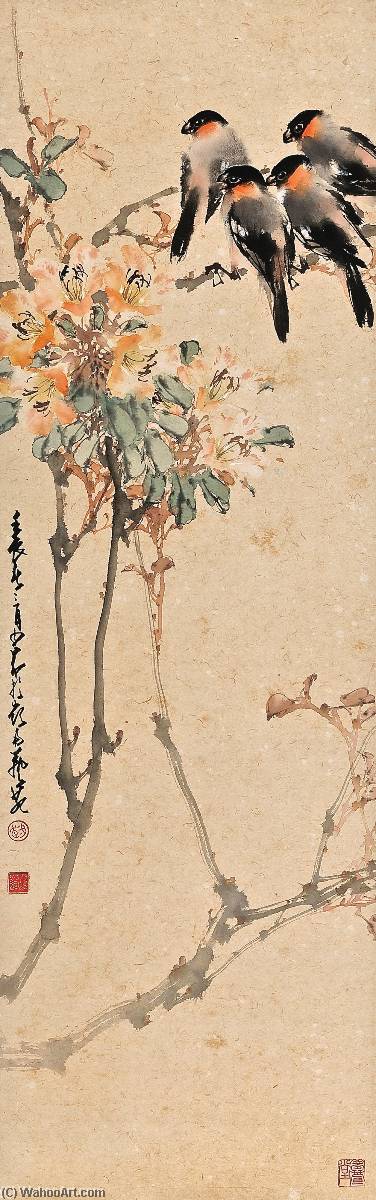
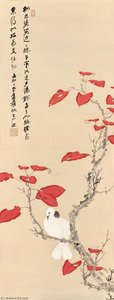
BLOSSOM AND BIRDS
 Contemporary Realism
 103.0 x 33.0 cm
 詳細を見る
詳細を見る




P118B $10

P118H $10

P118W $10

P438Z $10

P508JH $12

P508YH $12

P805H $10

P805Z $10

P919BZ $10

P919G $10

P919XJ $10

P959ZH $10

P968JZ $12

W106C $8

W218G $10

W218JH $8

W218Y $10

W307PJ $10

W316G $10

W316PJ $8

W316Y $10

W398PJ $8

W4111J $10

W500HY $15

W500JH $15

W692G $12

W849H $8

W940BG $15

W953PJ $8




作品のオリジナル比率に合わせた、当店の規定サイズからお選びください。

特定のフレームやスペースに合わせて、ご希望のサイズをご入力いただけます。選択されたサイズが元の画像の比率と異なる場合、アートワークをトリミングするか、手描きで要素を追加して絵画を拡張いたします。デジタルモックアップ を制作し、制作開始前にご確認(承認)をいただきます。
画面上のプレビューは、実際のトリミングや拡張を正確に反映しているものではありません。最終的な構図は、モックアップによってのみ正確にご確認いただけます。
カスタムサイズもご利用いただけますが、元の比率を維持するためには、あらかじめ用意されたリストからサイズを選択することをお勧めいたします。
ご注文後、ArtsDot.com チームより詳細な指示をお送りするとともに、仕上がりイメージ(モックアップ)をご提供いたします。


 ガラスオプションは、110cm未満のサイズでのみご利用いただけます。

BLOSSOM AND BIRDS
複製技法
複製画のサイズ
-


合計金額
$ 263
関連作品
アーティストの略歴
The Soul of the Brush: The Life and Legacy of Zhao Shao’ang
Zhao Shao’ang (1905–1998) remains one of the most luminous figures in 20th-century Chinese art, a master whose brush possessed the rare ability to bridge the gap between the physical world and the spiritual realm. Born in Shandong Province, his early life was steeped in the profound traditions of Confucianism, providing him with a foundational reverence for harmony, order, and the quiet dignity of nature. This upbringing did more than just teach him technique; it instilled a lifelong devotion to the contemplative rhythms of existence. As he mastered the intricate disciplines of calligraphy and traditional painting, his work began to reflect a deep-seated connection to Shanshui—the classical tradition of mountain and water painting—which served as the vessel for his explorations into Zen Buddhist philosophy. Through his art, Zhao did not merely depict landscapes; he sought to capture the very breath of the universe. His early development was marked by a rigorous study of the masters, particularly absorbing the atmospheric depth and emotional nuance found in the works of Xing Bengshan and Qi Baishi. However, Zhao’s true genius lay in his ability to transcend mere imitation. While he respected the classical foundations, he moved toward a style that prioritized intuition and spontaneity, often integrating subtle Western influences such as perspective and shadow into the traditional Guóhuà framework. This synthesis allowed him to create compositions that felt both ancient and strikingly modern, characterized by a delicate use of ink wash that could transform a simple stroke into a misty mountain peak or a flowing river.A Symphony of Symbolism and Light
The magic of Zhao Shao’ang’s oeuvre lies in his unparalleled ability to imbue natural elements with profound symbolic weight. To gaze upon a Zhao painting is to enter a world where every creature and blossom carries a whispered meaning. He was celebrated as one of the finest flower-and-bird painters of his era, using vibrant yet controlled colors to bring life to his subjects. In his hands, a white egret amidst weeping willows becomes more than a biological study; it becomes an emblem of purity and grace. A cluster of blossoms or a solitary bird is often imbued with themes of longevity, resilience, and the ephemeral beauty of life, reflecting the Zen-like focus on the present moment. His technical mastery was particularly evident in his use of light and atmosphere. He possessed a unique talent for creating "dream-like" spaces where the boundaries between reality and imagination blurred. Through meticulous brushwork and masterful tonal variations, he could evoke the dampness of a spring mist or the warmth of a sunlit glade. This ability to manipulate the viewer's perception made his work deeply evocative, pulling the observer into a state of meditative tranquility. His compositions often utilized negative space—the "emptiness" in the painting—to allow the spirit of the subject to breathe, a technique that echoed the profound emptiness and fullness central to Buddhist thought.Historical Significance and Global Recognition
The impact of Zhao Shao’ang extends far beyond the borders of China, reaching into the highest echelons of international art appreciation. As a prominent figure of the Lingnan School, he played a pivotal role in modernizing Chinese painting by introducing innovative techniques that breathed new life into traditional mediums. His contributions to the arts were recognized globally, notably evidenced by his appointment as a Member of the Order of the British Empire (MBE) in 1984, a testament to his influence on the cultural landscape of Hong Kong and beyond. Today, his works are held in prestigious collections such as the Metropolitan Museum of Art and the Asian Art Museum of San Francisco, serving as enduring pillars of Chinese artistic heritage. His legacy is not found merely in the auction records or museum halls, but in the way he taught the world to see nature through a lens of spiritual reverence. Zhao Shao’ang remains a timeless master, reminding us that through the simple act of painting a bird or a leaf, one can touch the infinite.- Mastery of Technique: Renowned for his sophisticated use of ink wash and the integration of Western perspective into traditional Chinese styles.
- Philosophical Depth: His work serves as a visual meditation on Zen Buddhism and Confucian harmony.
- Iconic Subject Matter: Famous for his evocative depictions of birds, flowers, and the serene landscapes of the Shanshui tradition.
- Global Legacy: A key figure in the Lingnan School whose influence shaped modern Chinese art on the world stage.
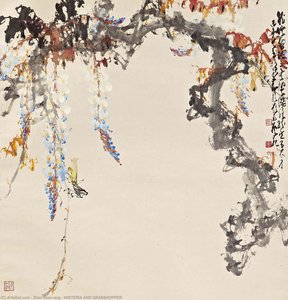
zhao shao'ang
1905 - 1998
基本情報
- Artistic Movement Or Style: Shanshui (Landscape Painting)
- Artists Or Movements Influenced By This Artist: ['Ink Wash Painting']
- Artists Who Influenced This Artist:
- Qi Baishi
- Zhang Daqian
- Date Of Birth: 1905
- Date Of Death: 1998
- Full Name: Zhao Shao’ang
- Nationality: Chinese
- Notable Artworks:
- White Egret by the Willows
- BLOSSOM AND BIRDS
- RAINBOW OVER THE LAKE
- Place Of Birth: Shanghai, China
関連記事
Ephemeral Expressions: Exploring the Nuances of Ink on Paper Through History & Contemporary Art
Explore the captivating world of ink wash painting – from its ancient origins to contemporary masters. Discover techniques, symbolism & conservation insights with ArtsDot.com.
Xie Zhiliu: A Legacy of Ink Wash Painting & Modern Chinese Literati Tradition
Explore the legacy of Xie Zhiliu, a master of Chinese ink wash painting & prominent figure in modern art. Discover his techniques, influences, and contributions to literati tradition. A guide for discerning collectors.
Feathered Visions: A Historical & Artistic Exploration of Birds in Painting
Explore the rich history of birds in painting! Discover symbolism, artistic movements & master artists like Audubon. High-quality reproductions available at ArtsDot.
The Beauty of Ink Wash: Discover Serene & Soulful Art for Your Home
Discover the tranquil beauty of ink wash painting. Explore how Sumi-e and monochrome landscapes bring Zen-inspired serenity and soulful elegance to your home decor through expert curation and timeless East Asian aesthetics.
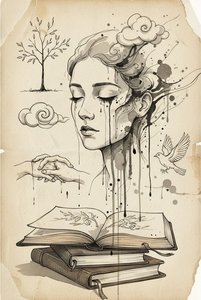
Ephemeral Lines: Exploring Emotional Resonance in Ink Sketching Traditions
Explore the profound art of ink sketching! Discover techniques to express emotion, master line work, and cultivate artistic sensitivity. Learn from historical masters & unlock your creative potential.

