

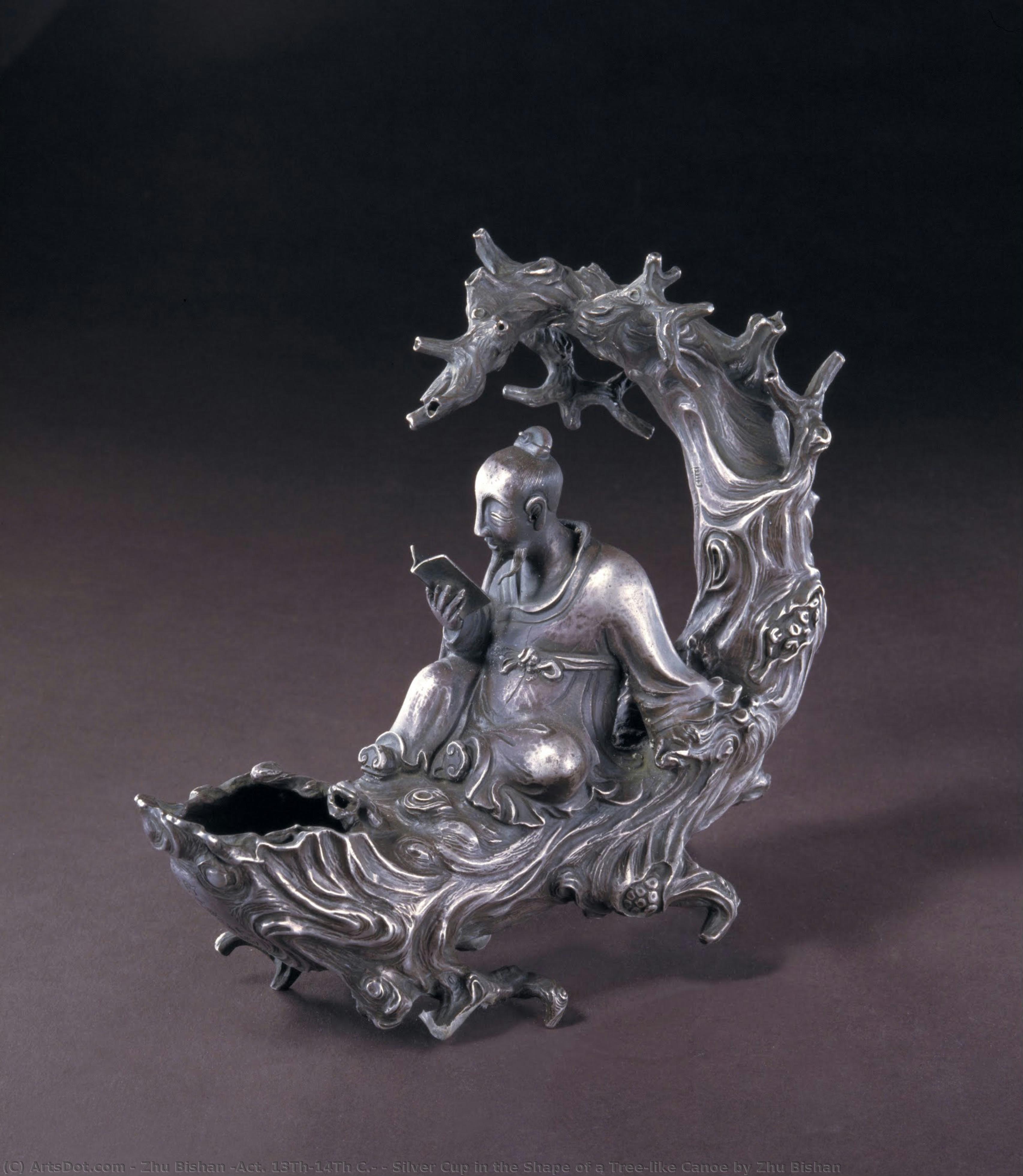
 プレビュー
プレビュー
 シェアする
シェアする シェアする
シェアする
 詳細を見る
詳細を見る

 ダウンロード
 似ている作品
 X線調査
X線調査 スライドショー
 Stats
StatsSilver Cup in the Shape of a Tree-like Canoe by Zhu Bishan

 詳細を見る
詳細を見る
オンラインプレビューをはるかに凌ぐ、高解像度で鮮明なデジタル画像をご購入いただけます。
各ファイルは、社内の専門家が高度なツールと熟練した手作業によるレタッチを用いて、細心の注意を払って準備されています。すべての画像において、卓越した鮮明度、正確な色彩再現性、そして繊細なディテールを保証いたします。
最終ファイルは、プロフェッショナルな編集・印刷環境ですぐにご利用いただけるよう最適化された状態で、72時間以内にメールにてお届けいたします。これは、一流のデザインスタジオ、出版社、ギャラリーから信頼されているものと同等の品質です。
デジタルアート
個人での鑑賞、印刷、クリエイティブなプロジェクト用に、高解像度ファイルをダウンロードできます。 ( Switch to Print 手描きの絵画を購入)
デジタル画像のご注文に付随する特典
高品質なデジタル画像配信を、確かな品質で。
ArtsDot.com を選ぶことは、単に画像を手に入れることではありません。それは、プロの手によって精密に仕上げられ、満足保証が付いた高品質なデジタルアートワークを受け取ることを意味します。ご注文いただいた際に自動的に付随する内容は、以下の通りです:

メールですぐにお届け
ご注文から72時間以内に、高解像度のデジタル画像ファイルがメールでお手元に届きます。すぐにそのままご利用いただけます。

AI技術で最適化されたデジタルファイル
お客様の作品は、高度なAIツールと専門家による手作業の編集を組み合わせてプロフェッショナルに最適化されており、細部のディテール、鮮明さ、そして正確な色再現性を最大限に引き出しています。

一生涯無料の再送サービス
ファイルを誤って削除したり、紛失してしまったりしましたか?ご安心ください。いつでも無料で再送いたします。

輸入手数料は一切かかりません
関税や手数料、配送料を気にすることなく、お気に入りのアートワークをすぐにお楽しみいただけます。デジタルダウンロードは常に免税です。

色彩再現の保証
プロ仕様のツールとカラーマネジメント技術を用いることで、デジタル画像が元の色を最大限に忠実に再現することを保証いたします。

100日間満足保証
ご購入いただいたデジタル画像にご満足いただけない場合は、100日以内であれば、理由を問わず修正または100%の返金対応をさせていただきます。

100% 返金保証
ご満足いただけない場合は、デジタルファイルを受け取ってから100日以内であれば、理由を問わず全額返金いたします。

まとめ買い割引
3枚購入で10%OFF - 5枚購入で15%OFF - 10枚以上購入で20%OFF。クリエイティブなプロジェクト、ギャラリー、エージェンシーに最適です。
関連作品
作家の略歴
The Enigmatic Brush of Zhu Bishan: A Glimpse into Yuan Dynasty Painting
Zhu Bishan, a name whispered through the annals of Chinese art history, remains an elusive figure despite his acknowledged importance during the Yuan dynasty (1271-1368). Active throughout the 13th and 14th centuries, little concrete biographical detail survives regarding this painter. He is known primarily through surviving works attributed to him – landscapes imbued with a distinctive style that speaks of both scholarly refinement and a deeply personal connection to nature. The scarcity of information only adds to the mystique surrounding his art, inviting speculation about his life, influences, and place within the evolving artistic landscape of the period. Unlike many prominent artists whose lineages and patronage are well-documented, Zhu Bishan emerges as something of a solitary voice, a master craftsman whose identity is almost entirely contained within the delicate strokes and evocative compositions of his paintings.A Scholar’s Retreat: Style and Influences
Zhu Bishan's artistic style is characterized by its subtle elegance and restrained power. He excelled in landscape painting, particularly *shan shui* (mountain-water) works, which were considered the highest form of Chinese painting. His compositions are not grandiose or overwhelming; instead, they favor intimate scenes – secluded valleys, mist-shrouded peaks, and quiet forests. The brushwork is precise yet fluid, employing a variety of ink washes to create depth, texture, and atmosphere. A hallmark of his style is the use of dry brush techniques, lending a sense of ruggedness and age to the rocks and trees. While direct influences are difficult to pinpoint with certainty due to the limited historical record, scholars suggest connections to the traditions of the Southern Song dynasty (1127-1279). The emphasis on lyrical atmosphere and philosophical contemplation found in the works of masters like Ma Yuan and Xia Gui likely resonated with Zhu Bishan. However, he wasn’t merely an imitator. He infused these established conventions with a unique sensibility, moving away from the more elaborate detailing favored by some Southern Song artists towards a greater simplicity and focus on essential forms. The paintings often convey a sense of solitude and introspection, suggesting that Zhu Bishan may have been drawn to Daoist philosophy, which emphasizes harmony with nature and the pursuit of inner peace.Themes of Contemplation and Inner Landscape
The subject matter of Zhu Bishan’s paintings consistently revolves around themes of contemplation, spiritual retreat, and the beauty of the natural world. His landscapes are not simply depictions of physical places; they are expressions of an inner state of mind. The secluded settings – often featuring humble dwellings nestled amongst mountains or forests – evoke a sense of escape from the complexities of society.- The Scholar-Official Ideal: Though his personal life remains obscure, it is widely believed that Zhu Bishan belonged to the scholar-official class. This social standing would have profoundly influenced his artistic choices, as landscape painting was often seen as a means of expressing moral virtue and philosophical understanding.
- The Power of Ink: His masterful use of ink – varying its density and texture with remarkable skill – is not merely a technical achievement but also a reflection of the artist’s emotional state. The subtle gradations of tone create an atmosphere of tranquility and suggest the ephemeral nature of existence.
- Symbolism in Nature: Elements within his landscapes often carry symbolic weight. Pine trees, for example, represent resilience and longevity, while bamboo signifies integrity and humility. These symbols add layers of meaning to his works, inviting viewers to contemplate deeper philosophical themes.
Legacy and Historical Significance
Despite the limited documentation surrounding his life, Zhu Bishan’s work holds a significant place in the history of Yuan dynasty painting. He represents a transition between the refined traditions of the Southern Song and the more expressive styles that would emerge during the Ming dynasty (1368-1644). His paintings are admired for their subtle elegance, philosophical depth, and masterful technique. While not as widely celebrated as some of his contemporaries, Zhu Bishan’s influence can be seen in the works of later artists who sought to combine scholarly refinement with a more personal expression of nature. He stands as a testament to the enduring power of *shan shui* painting – a tradition that continues to inspire and captivate audiences today. The ongoing study of his surviving artworks provides valuable insights into the artistic sensibilities of the Yuan dynasty, offering a glimpse into the world of a master painter whose legacy is etched in ink and stone.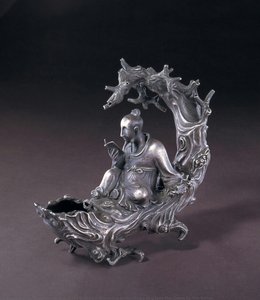
プロフィール概要
- Date Of Birth: 13th Century
- Date Of Death: 14th Century
- Full Name: Zhu Bishan