

 プレビュー
プレビュー
 シェアする
シェアする シェアする
シェアする
 詳細を見る
詳細を見る

 ダウンロード
 似ている作品
 X線調査
X線調査 スライドショー
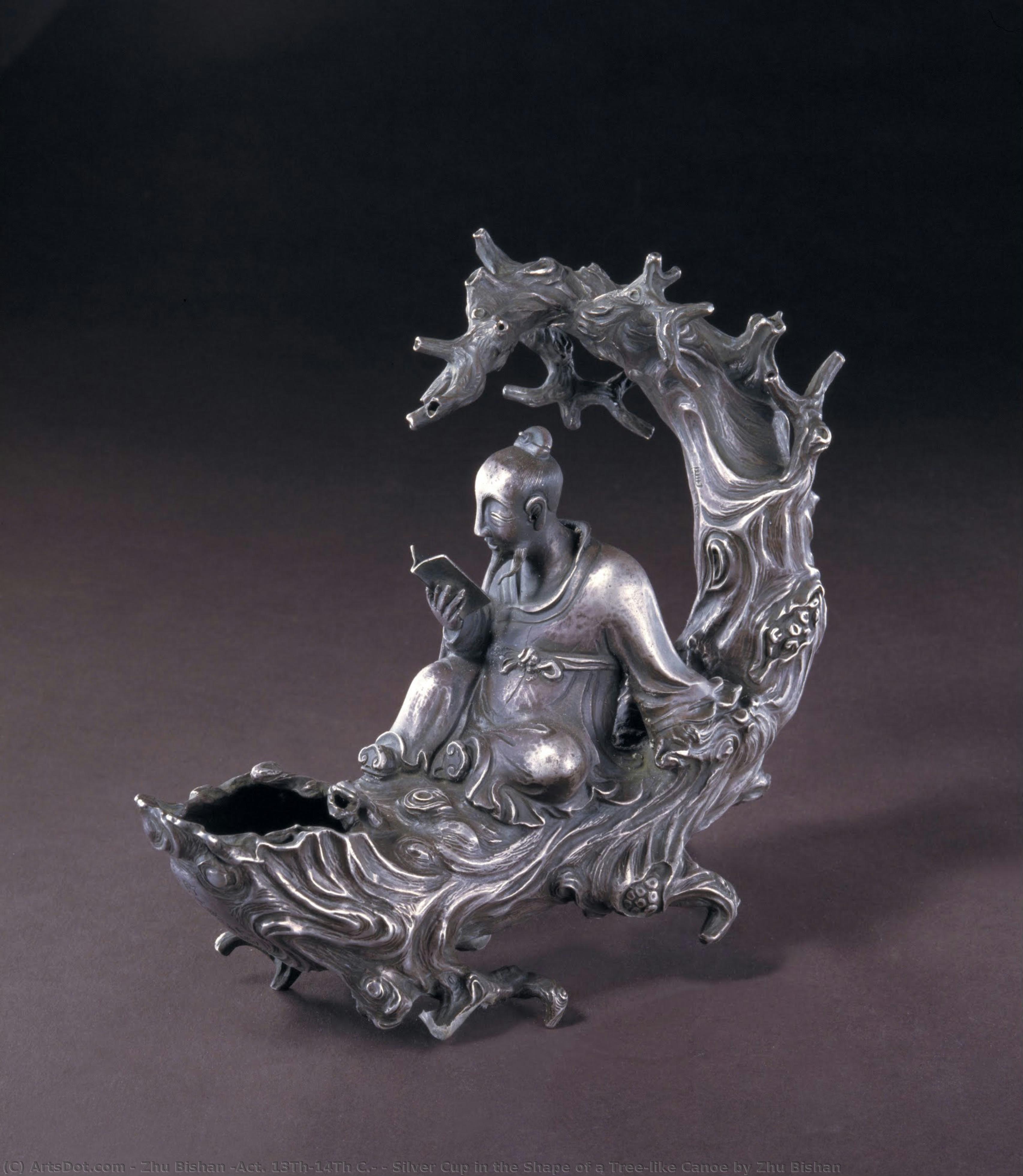
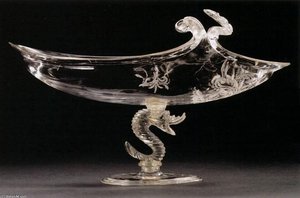
Silver Cup in the Shape of a Tree-like Canoe by Zhu Bishan

 詳細を見る
詳細を見る
ジークレー/アートプリント
迅速な制作と多彩な仕上げオプションを備えた、ミュージアムクオリティのジークレーまたはキャンバスプリント。 ( 手描きの絵画を購入 画像を購入)




P118B $10

P118H $10

P118W $10

P438Z $10

P508JH $12

P508YH $12

P805H $10

P805Z $10

P919BZ $10

P919G $10

P919XJ $10

P959ZH $10

P968JZ $12

W106C $8

W218G $10

W218JH $8

W218Y $10

W307PJ $10

W316G $10

W316PJ $8

W316Y $10

W398PJ $8

W4111J $10

W500HY $15

W500JH $15

W692G $12

W849H $8

W940BG $15

W953PJ $8




作品のオリジナル比率に合わせた、当店の規定サイズからお選びください。

特定のフレームやスペースに合わせて、ご自身でサイズを指定することも可能です。選択されたサイズが元の画像の比率と一致しない場合、作品をトリミングするか、鏡面反射または単色での塗りつぶしによって画像を拡張いたします。制作を開始する前に、ご確認用のデジタルモックアップをお送りいたします。
画面上のプレビューには、実際のトリミングや拡張は反映されませんのでご注意ください。最終的な構図を正確に確認できるのは、モックアップのみとなります。
カスタムサイズも承っておりますが、元の比率を維持するためには、あらかじめ用意されたリストからサイズを選択することをお勧めいたします。


 ガラスオプションは、110cm未満のサイズでのみご利用いただけます。

Silver Cup in the Shape of a Tree-like Canoe by Zhu Bishan
ジークレー/アートプリント
複製画のサイズ
-


合計金額
$ 62
関連作品
アーティストの略歴
The Enigmatic Brush of Zhu Bishan: A Glimpse into Yuan Dynasty Painting
Zhu Bishan, a name whispered through the annals of Chinese art history, remains an elusive figure despite his acknowledged importance during the Yuan dynasty (1271-1368). Active throughout the 13th and 14th centuries, little concrete biographical detail survives regarding this painter. He is known primarily through surviving works attributed to him – landscapes imbued with a distinctive style that speaks of both scholarly refinement and a deeply personal connection to nature. The scarcity of information only adds to the mystique surrounding his art, inviting speculation about his life, influences, and place within the evolving artistic landscape of the period. Unlike many prominent artists whose lineages and patronage are well-documented, Zhu Bishan emerges as something of a solitary voice, a master craftsman whose identity is almost entirely contained within the delicate strokes and evocative compositions of his paintings.A Scholar’s Retreat: Style and Influences
Zhu Bishan's artistic style is characterized by its subtle elegance and restrained power. He excelled in landscape painting, particularly *shan shui* (mountain-water) works, which were considered the highest form of Chinese painting. His compositions are not grandiose or overwhelming; instead, they favor intimate scenes – secluded valleys, mist-shrouded peaks, and quiet forests. The brushwork is precise yet fluid, employing a variety of ink washes to create depth, texture, and atmosphere. A hallmark of his style is the use of dry brush techniques, lending a sense of ruggedness and age to the rocks and trees. While direct influences are difficult to pinpoint with certainty due to the limited historical record, scholars suggest connections to the traditions of the Southern Song dynasty (1127-1279). The emphasis on lyrical atmosphere and philosophical contemplation found in the works of masters like Ma Yuan and Xia Gui likely resonated with Zhu Bishan. However, he wasn’t merely an imitator. He infused these established conventions with a unique sensibility, moving away from the more elaborate detailing favored by some Southern Song artists towards a greater simplicity and focus on essential forms. The paintings often convey a sense of solitude and introspection, suggesting that Zhu Bishan may have been drawn to Daoist philosophy, which emphasizes harmony with nature and the pursuit of inner peace.Themes of Contemplation and Inner Landscape
The subject matter of Zhu Bishan’s paintings consistently revolves around themes of contemplation, spiritual retreat, and the beauty of the natural world. His landscapes are not simply depictions of physical places; they are expressions of an inner state of mind. The secluded settings – often featuring humble dwellings nestled amongst mountains or forests – evoke a sense of escape from the complexities of society.- The Scholar-Official Ideal: Though his personal life remains obscure, it is widely believed that Zhu Bishan belonged to the scholar-official class. This social standing would have profoundly influenced his artistic choices, as landscape painting was often seen as a means of expressing moral virtue and philosophical understanding.
- The Power of Ink: His masterful use of ink – varying its density and texture with remarkable skill – is not merely a technical achievement but also a reflection of the artist’s emotional state. The subtle gradations of tone create an atmosphere of tranquility and suggest the ephemeral nature of existence.
- Symbolism in Nature: Elements within his landscapes often carry symbolic weight. Pine trees, for example, represent resilience and longevity, while bamboo signifies integrity and humility. These symbols add layers of meaning to his works, inviting viewers to contemplate deeper philosophical themes.
Legacy and Historical Significance
Despite the limited documentation surrounding his life, Zhu Bishan’s work holds a significant place in the history of Yuan dynasty painting. He represents a transition between the refined traditions of the Southern Song and the more expressive styles that would emerge during the Ming dynasty (1368-1644). His paintings are admired for their subtle elegance, philosophical depth, and masterful technique. While not as widely celebrated as some of his contemporaries, Zhu Bishan’s influence can be seen in the works of later artists who sought to combine scholarly refinement with a more personal expression of nature. He stands as a testament to the enduring power of *shan shui* painting – a tradition that continues to inspire and captivate audiences today. The ongoing study of his surviving artworks provides valuable insights into the artistic sensibilities of the Yuan dynasty, offering a glimpse into the world of a master painter whose legacy is etched in ink and stone.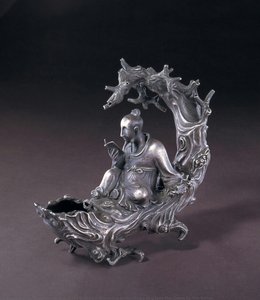
基本情報
- Date Of Birth: 13th Century
- Date Of Death: 14th Century
- Full Name: Zhu Bishan
関連記事
Xie Zhiliu: A Legacy of Ink Wash Painting & Modern Chinese Literati Tradition
Explore the legacy of Xie Zhiliu, a master of Chinese ink wash painting & prominent figure in modern art. Discover his techniques, influences, and contributions to literati tradition. A guide for discerning collectors.
Pu Xinyu's 'Puru': A Legacy of Literati Painting & Emotional Resonance
Explore the captivating world of Pu Xinyu (Puru), the last great literati painter. Discover his imperial heritage, masterful ink wash techniques & enduring legacy – a valuable addition to any discerning art collection.
Ephemeral Expressions: Exploring the Nuances of Ink on Paper Through History & Contemporary Art
Explore the captivating world of ink wash painting – from its ancient origins to contemporary masters. Discover techniques, symbolism & conservation insights with ArtsDot.com.