

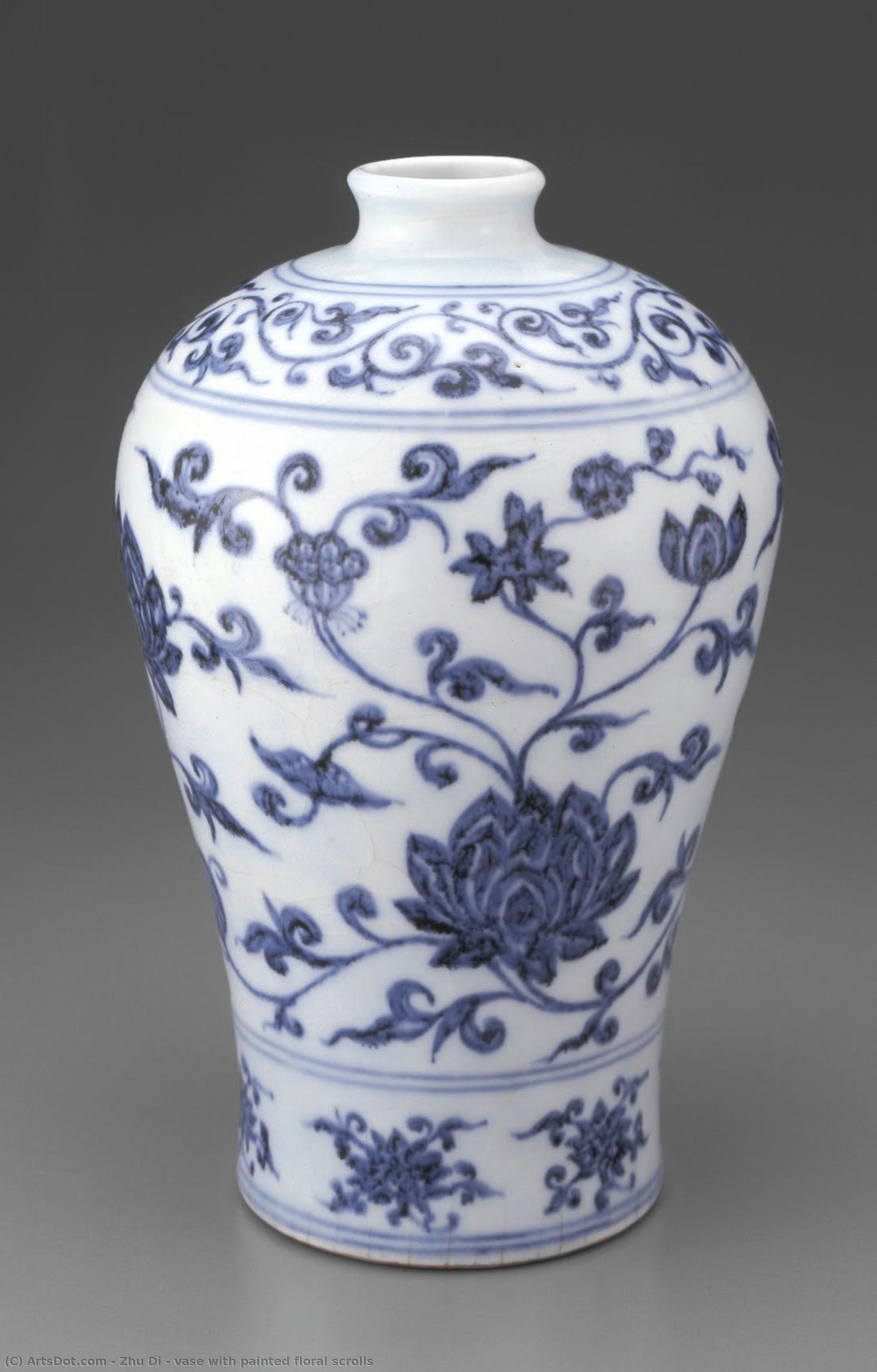
 プレビュー
プレビュー
 シェアする
シェアする シェアする
シェアする
 詳細を見る
詳細を見る

 ダウンロード
 似ている作品
 X線調査
X線調査 スライドショー
 Stats
Statsvase with painted floral scrolls


 詳細を見る
詳細を見る
オンラインプレビューをはるかに凌ぐ、高解像度で鮮明なデジタル画像をご購入いただけます。
各ファイルは、社内の専門家が高度なツールと熟練した手作業によるレタッチを用いて、細心の注意を払って準備されています。すべての画像において、卓越した鮮明度、正確な色彩再現性、そして繊細なディテールを保証いたします。
最終ファイルは、プロフェッショナルな編集・印刷環境ですぐにご利用いただけるよう最適化された状態で、72時間以内にメールにてお届けいたします。これは、一流のデザインスタジオ、出版社、ギャラリーから信頼されているものと同等の品質です。
デジタルアート
個人での鑑賞、印刷、クリエイティブなプロジェクト用に、高解像度ファイルをダウンロードできます。 ( Switch to Print 手描きの絵画を購入)
デジタル画像のご注文に付随する特典
高品質なデジタル画像配信を、確かな品質で。
ArtsDot.com を選ぶことは、単に画像を手に入れることではありません。それは、プロの手によって精密に仕上げられ、満足保証が付いた高品質なデジタルアートワークを受け取ることを意味します。ご注文いただいた際に自動的に付随する内容は、以下の通りです:

メールですぐにお届け
ご注文から72時間以内に、高解像度のデジタル画像ファイルがメールでお手元に届きます。すぐにそのままご利用いただけます。

AI技術で最適化されたデジタルファイル
お客様の作品は、高度なAIツールと専門家による手作業の編集を組み合わせてプロフェッショナルに最適化されており、細部のディテール、鮮明さ、そして正確な色再現性を最大限に引き出しています。

一生涯無料の再送サービス
ファイルを誤って削除したり、紛失してしまったりしましたか?ご安心ください。いつでも無料で再送いたします。

輸入手数料は一切かかりません
関税や手数料、配送料を気にすることなく、お気に入りのアートワークをすぐにお楽しみいただけます。デジタルダウンロードは常に免税です。

色彩再現の保証
プロ仕様のツールとカラーマネジメント技術を用いることで、デジタル画像が元の色を最大限に忠実に再現することを保証いたします。

100日間満足保証
ご購入いただいたデジタル画像にご満足いただけない場合は、100日以内であれば、理由を問わず修正または100%の返金対応をさせていただきます。

100% 返金保証
ご満足いただけない場合は、デジタルファイルを受け取ってから100日以内であれば、理由を問わず全額返金いたします。

まとめ買い割引
3枚購入で10%OFF - 5枚購入で15%OFF - 10枚以上購入で20%OFF。クリエイティブなプロジェクト、ギャラリー、エージェンシーに最適です。
関連作品







作家の略歴
Cennino Cennini: The Artisan’s Voice of the Early Renaissance
Cennino d'Andrea Cennini, born around 1360 in Colle di Val d'Elsa, Tuscany, and likely passing away before 1427, remains a fascinating figure shrouded in some mystery. While his life was relatively modest – he appears to have spent time working at the court of Francesco Novello da Carrara in Padua before returning to his native region – Cennini’s legacy endures through one extraordinary work: *Il Libro dell'Arte* (The Book of Art). This manuscript, a practical guide to painting and other crafts, offers an unprecedented glimpse into the workshop practices and artistic philosophy of the late medieval and early Renaissance period. It’s not merely a technical manual; it’s a testament to the importance of observation, skill, and a deep understanding of materials – a truly artisan's voice resonating across centuries.Early Life and Training: A Tuscan Foundation
Cennini’s early life is difficult to pinpoint with absolute certainty. Records suggest he was trained by Agnolo Gaddi in Florence, a prominent artist associated with the great Giotto di Bondone. Gaddi himself had been apprenticed to his father, Taddeo Gaddi, who, in turn, learned from Giotto – establishing a lineage of artistic influence that stretched back through generations. This connection to Giotto is crucial; Cennini’s work demonstrates a clear debt to Giotto's naturalistic style and his emphasis on human emotion. The *Libro dell’Arte* reveals a meticulous approach to observation, mirroring Giotto’s own dedication to accurately depicting the world around him. He spent time at the court of Francesco Novello da Carrara in Padua, suggesting an exposure to diverse artistic influences beyond Florence.Il Libro dell'Arte: A Window into the Workshop
*Il Libro dell'Arte* is not a theoretical treatise but a detailed account of the practical steps involved in creating art. It’s divided into sections covering everything from preparing pigments and grinding colors to selecting brushes, drawing techniques, panel painting, fresco methods, and even casting metal for molds. Cennini doesn’t simply provide instructions; he offers advice on maintaining a healthy lifestyle – emphasizing moderation in eating and drinking, careful hand care, and avoiding excessive indulgence in worldly pleasures. He believed that a painter's well-being was inextricably linked to the quality of their work. Interestingly, the manuscript’s dating is debated. While often mistakenly associated with 1437, based on a spurious annotation, scholars now believe it likely dates from around the turn of the 15th century – reflecting a period of transition between medieval and Renaissance artistic practices.Influences and Innovations: Beyond Giotto
Cennini’s work is profoundly influenced by Giotto, but he also incorporates elements from earlier traditions, notably referencing Theophilus Presbyter's *On Divers Arts* (c. 1125), which described the nascent practice of oil painting. This suggests Cennini was aware of and experimenting with new techniques – though his manuscript doesn’t delve deeply into the complexities of oil painting as it was developing in other centers like Florence. His emphasis on observation, material knowledge, and a holistic approach to craftsmanship distinguishes him from purely theoretical artists. He wasn't just creating beautiful images; he was documenting a process, preserving a set of skills for future generations.Historical Significance: Challenging Myths and Preserving Knowledge
Cennini’s *Libro dell’Arte* is remarkably significant because it challenges long-held assumptions about the history of art. Giorgio Vasari and Karel van Mander, influential art historians of the Renaissance, famously attributed the invention of oil painting to Jan van Eyck. Cennini's manuscript demonstrates that knowledge of oil painting existed well before Van Eyck’s time, effectively debunking this myth. Furthermore, *Il Libro dell’Arte* provides invaluable insight into the daily life and working methods of a medieval artist – offering a rare and intimate portrait of an artisan dedicated to his craft. Cennino Cennini's legacy lies not in grand masterpieces but in the preservation of practical knowledge, making him a vital voice from the dawn of the Renaissance.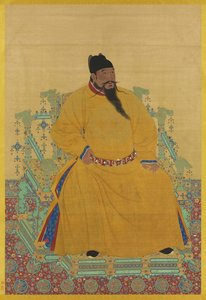
zhu di
1360 - 1424 , China
プロフィール概要
- Artistic Movement Or Style: Late Medieval/Early Renaissance
- Artists Or Movements Influenced By This Artist: ['Jan van Eyck']
- Artists Who Influenced This Artist:
- Giotto
- Agnolo Gaddi
- Date Of Birth: c. 1360
- Date Of Death: before 1427
- Full Name: Cennino d'Andrea Cennini
- Nationality: Italian
- Notable Artworks: ['Il libro dell’arte']
- Place Of Birth: Colle di Val d'Elsa, Tuscany