

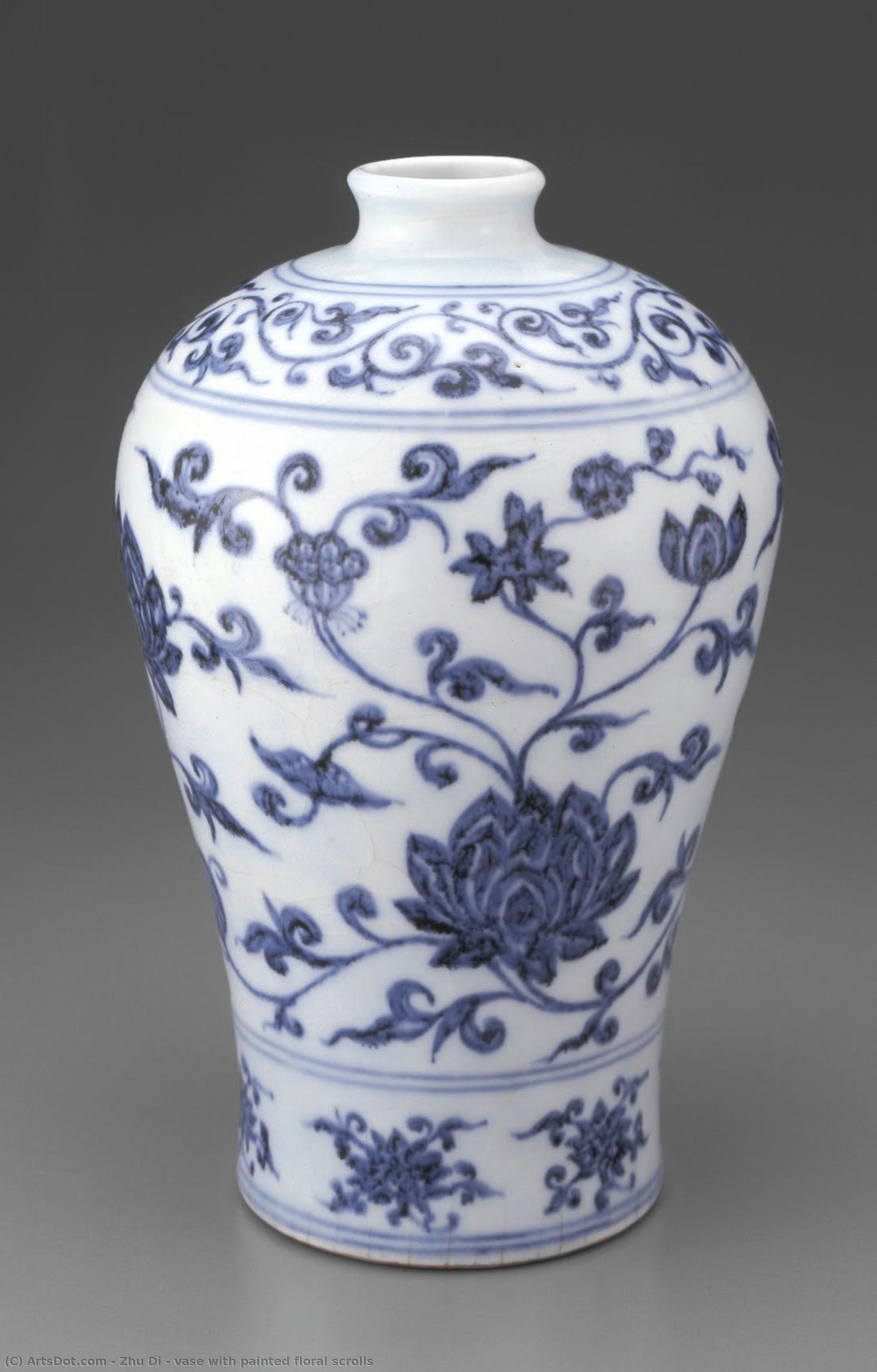
 プレビュー
プレビュー
 シェアする
シェアする シェアする
シェアする
 詳細を見る
詳細を見る

 ダウンロード
 似ている作品
 X線調査
X線調査 スライドショー
 Stats
Statsvase with painted floral scrolls


 詳細を見る
詳細を見る
ジークレー/アートプリント
迅速な制作と多彩な仕上げオプションを備えた、ミュージアムクオリティのジークレーまたはキャンバスプリント。 ( 手描きの絵画を購入 Switch to Digital Image)




































作品のオリジナル比率に合わせた、当店の規定サイズからお選びください。

特定のフレームやスペースに合わせて、ご自身でサイズを指定することも可能です。選択されたサイズが元の画像の比率と一致しない場合、作品をトリミングするか、鏡面反射または単色での塗りつぶしによって画像を拡張いたします。制作を開始する前に、ご確認用のデジタルモックアップをお送りいたします。
画面上のプレビューには、実際のトリミングや拡張は反映されませんのでご注意ください。最終的な構図を正確に確認できるのは、モックアップのみとなります。
カスタムサイズも承っておりますが、元の比率を維持するためには、あらかじめ用意されたリストからサイズを選択することをお勧めいたします。


 ガラスオプションは、110cm未満のサイズでのみご利用いただけます。

vase with painted floral scrolls
ジークレー/アートプリント
複製画のサイズ
-


合計金額
$ 62
関連作品







アーティストの略歴
Cennino Cennini: The Artisan’s Voice of the Early Renaissance
Cennino d'Andrea Cennini, born around 1360 in Colle di Val d'Elsa, Tuscany, and likely passing away before 1427, remains a fascinating figure shrouded in some mystery. While his life was relatively modest – he appears to have spent time working at the court of Francesco Novello da Carrara in Padua before returning to his native region – Cennini’s legacy endures through one extraordinary work: *Il Libro dell'Arte* (The Book of Art). This manuscript, a practical guide to painting and other crafts, offers an unprecedented glimpse into the workshop practices and artistic philosophy of the late medieval and early Renaissance period. It’s not merely a technical manual; it’s a testament to the importance of observation, skill, and a deep understanding of materials – a truly artisan's voice resonating across centuries.Early Life and Training: A Tuscan Foundation
Cennini’s early life is difficult to pinpoint with absolute certainty. Records suggest he was trained by Agnolo Gaddi in Florence, a prominent artist associated with the great Giotto di Bondone. Gaddi himself had been apprenticed to his father, Taddeo Gaddi, who, in turn, learned from Giotto – establishing a lineage of artistic influence that stretched back through generations. This connection to Giotto is crucial; Cennini’s work demonstrates a clear debt to Giotto's naturalistic style and his emphasis on human emotion. The *Libro dell’Arte* reveals a meticulous approach to observation, mirroring Giotto’s own dedication to accurately depicting the world around him. He spent time at the court of Francesco Novello da Carrara in Padua, suggesting an exposure to diverse artistic influences beyond Florence.Il Libro dell'Arte: A Window into the Workshop
*Il Libro dell'Arte* is not a theoretical treatise but a detailed account of the practical steps involved in creating art. It’s divided into sections covering everything from preparing pigments and grinding colors to selecting brushes, drawing techniques, panel painting, fresco methods, and even casting metal for molds. Cennini doesn’t simply provide instructions; he offers advice on maintaining a healthy lifestyle – emphasizing moderation in eating and drinking, careful hand care, and avoiding excessive indulgence in worldly pleasures. He believed that a painter's well-being was inextricably linked to the quality of their work. Interestingly, the manuscript’s dating is debated. While often mistakenly associated with 1437, based on a spurious annotation, scholars now believe it likely dates from around the turn of the 15th century – reflecting a period of transition between medieval and Renaissance artistic practices.Influences and Innovations: Beyond Giotto
Cennini’s work is profoundly influenced by Giotto, but he also incorporates elements from earlier traditions, notably referencing Theophilus Presbyter's *On Divers Arts* (c. 1125), which described the nascent practice of oil painting. This suggests Cennini was aware of and experimenting with new techniques – though his manuscript doesn’t delve deeply into the complexities of oil painting as it was developing in other centers like Florence. His emphasis on observation, material knowledge, and a holistic approach to craftsmanship distinguishes him from purely theoretical artists. He wasn't just creating beautiful images; he was documenting a process, preserving a set of skills for future generations.Historical Significance: Challenging Myths and Preserving Knowledge
Cennini’s *Libro dell’Arte* is remarkably significant because it challenges long-held assumptions about the history of art. Giorgio Vasari and Karel van Mander, influential art historians of the Renaissance, famously attributed the invention of oil painting to Jan van Eyck. Cennini's manuscript demonstrates that knowledge of oil painting existed well before Van Eyck’s time, effectively debunking this myth. Furthermore, *Il Libro dell’Arte* provides invaluable insight into the daily life and working methods of a medieval artist – offering a rare and intimate portrait of an artisan dedicated to his craft. Cennino Cennini's legacy lies not in grand masterpieces but in the preservation of practical knowledge, making him a vital voice from the dawn of the Renaissance.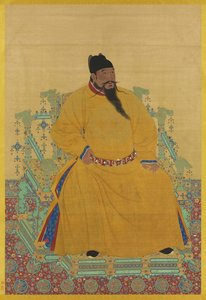
zhu di
1360 - 1424 , China
基本情報
- Artistic Movement Or Style: Late Medieval/Early Renaissance
- Artists Or Movements Influenced By This Artist: ['Jan van Eyck']
- Artists Who Influenced This Artist:
- Giotto
- Agnolo Gaddi
- Date Of Birth: c. 1360
- Date Of Death: before 1427
- Full Name: Cennino d'Andrea Cennini
- Nationality: Italian
- Notable Artworks: ['Il libro dell’arte']
- Place Of Birth: Colle di Val d'Elsa, Tuscany