

 プレビュー
プレビュー
 プリントを購入
 シェアする
シェアする シェアする
シェアする
 詳細を見る
詳細を見る

 ダウンロード
 似ている作品
 X線調査
X線調査 スライドショー
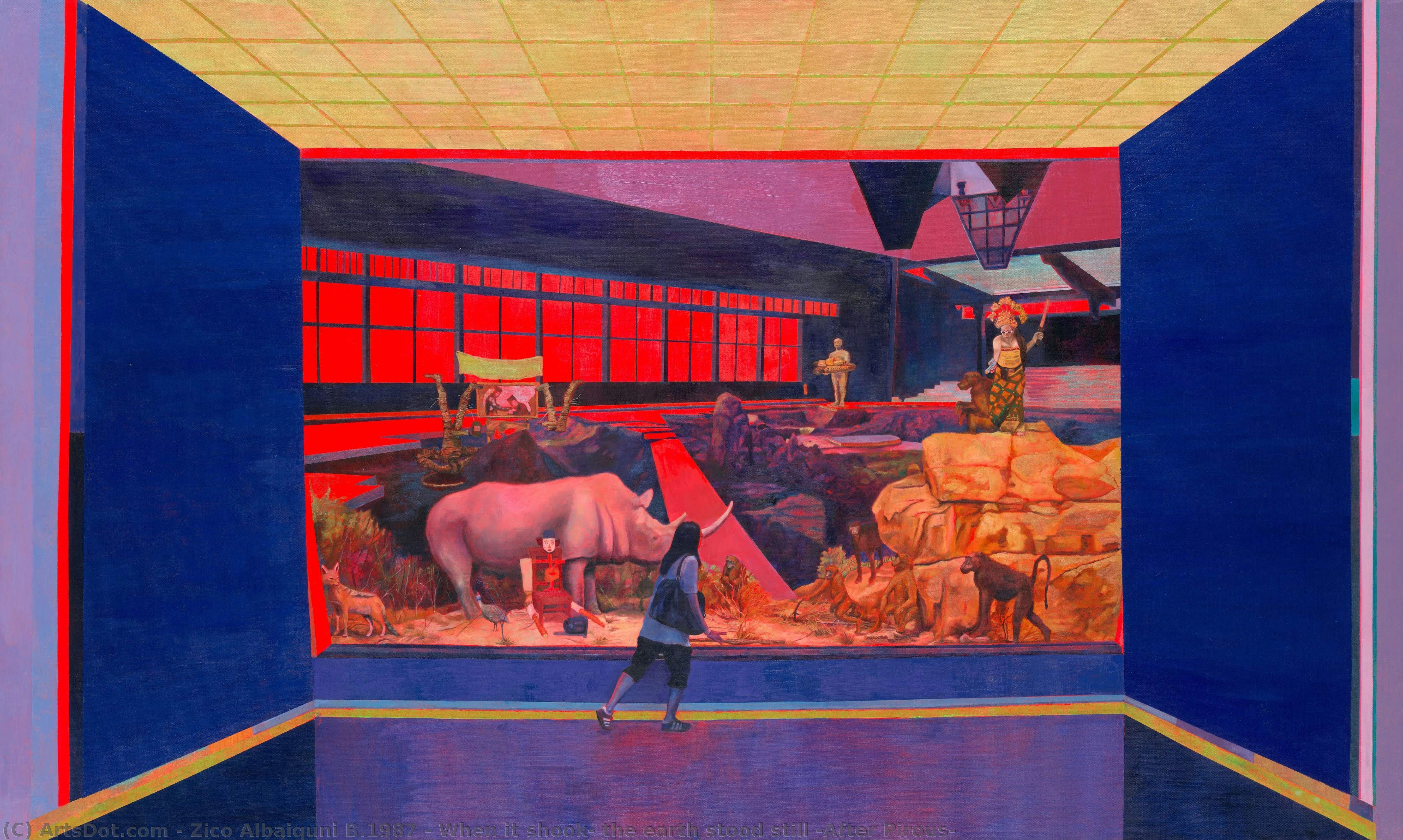
When it shook, the earth stood still (After Pirous)
 Painting
- Contemporary Art
 2018
2018- Contemporary
 120.0 x 200.0 cm
 クイーンズランド美術館 | ゴマ(ギャラリー・オブ・モダン・アート)
 詳細を見る
詳細を見る
オンラインプレビューをはるかに凌ぐ、高解像度で鮮明なデジタル画像をご購入いただけます。
各ファイルは、社内の専門家が高度なツールと熟練した手作業によるレタッチを用いて、細心の注意を払って準備されています。すべての画像において、卓越した鮮明度、正確な色彩再現性、そして繊細なディテールを保証いたします。
最終ファイルは、プロフェッショナルな編集・印刷環境ですぐにご利用いただけるよう最適化された状態で、72時間以内にメールにてお届けいたします。これは、一流のデザインスタジオ、出版社、ギャラリーから信頼されているものと同等の品質です。
デジタル画像のご注文に付随する特典
高品質なデジタル画像配信を、確かな品質で。
ArtsDot.com を選ぶことは、単に画像を手に入れることではありません。それは、プロの手によって精密に仕上げられ、満足保証が付いた高品質なデジタルアートワークを受け取ることを意味します。ご注文いただいた際に自動的に付随する内容は、以下の通りです:

メールですぐにお届け
ご注文から72時間以内に、高解像度のデジタル画像ファイルがメールでお手元に届きます。すぐにそのままご利用いただけます。

AI技術で最適化されたデジタルファイル
お客様の作品は、高度なAIツールと専門家による手作業の編集を組み合わせてプロフェッショナルに最適化されており、細部のディテール、鮮明さ、そして正確な色再現性を最大限に引き出しています。

一生涯無料の再送サービス
ファイルを誤って削除したり、紛失してしまったりしましたか?ご安心ください。いつでも無料で再送いたします。

輸入手数料は一切かかりません
関税や手数料、配送料を気にすることなく、お気に入りのアートワークをすぐにお楽しみいただけます。デジタルダウンロードは常に免税です。

色彩再現の保証
プロ仕様のツールとカラーマネジメント技術を用いることで、デジタル画像が元の色を最大限に忠実に再現することを保証いたします。

60日間満足保証
ご購入いただいたデジタル画像にご満足いただけない場合は、60日以内であれば、修正または100%の返金(理由を問う必要はありません)をさせていただきます。

100% 返金保証
ご満足いただけない場合は、デジタルファイルを受け取ってから60日以内であれば、理由を問わず全額返金いたします。

まとめ買い割引
3枚購入で10%OFF - 5枚購入で15%OFF - 10枚以上購入で20%OFF。クリエイティブなプロジェクト、ギャラリー、エージェンシーに最適です。
A Tapestry of Memory and Motion
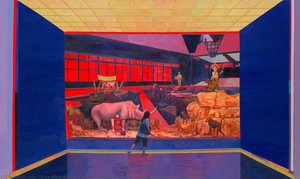
In the expansive, multi-layered canvas of "When it shook, the earth stood still (After Pirous)," Zico Albaiquni invites the viewer into a profound dialogue between Indonesian art history and contemporary ecological anxiety. This large-scale masterpiece, measuring an imposing 120 x 200 cm, functions less like a single image and more like a living archive. At its heart, the work pays homage to A.D. Pirous’ seminal 1991 painting, evoking a sense of structural instability and spiritual resonance. The composition is a breathtakingly complex arrangement where the blue-hued sanctuary of a room meets a golden roof, creating a celestial atmosphere that feels both ancient and urgently modern. As one gazues into the work, the eye is led through a labyrinth of references, from the performance art of Arahmaiani to the installation works of Tisna Santinga, weaving together the disparate threads of the Asia Pacific Triennial legacy.
The painting’s subject matter is a masterful exercise in juxtaposition. Within this dreamlike landscape, a lone figure stands with their back to the viewer, acting as a surrogate for our own contemplation. Surrounding this central presence is a menagerie of life—elephants, horses, and pigs move through the scene, yet they are joined by the haunting presence of taxidermy-like figures of endangered species, including a white rhinoceros, a siamang, and a baboon. This inclusion transforms the piece from a mere historical retrospective into a poignant environmental allegory. The artist uses these creatures to bridge the gap between the "Mooi Indie" colonial aesthetic—characterized by its idealized, beautiful landscapes—and the harsh reality of modern biodiversity loss. It is a visual tension between the beauty of the past and the fragility of our present ecosystem.
Technique and the Alchemy of Color
Albaiquni’s technical prowess is evident in his ability to manipulate different picture planes and perspectives, creating a sense of depth that feels almost architectural. He employs irregular-shaped canvases and intersecting planes to break the traditional boundaries of the frame, much like the exposed earth in Pierre Huyghe’s installations. His palette is particularly striking; he draws from the pigment combinations found in the colonial Mooi Indie genre, yet he recontextualizes these colors to serve a contemporary narrative. The interplay of deep blues and radiant golds creates a luminous quality that captures the light, making the artwork an ideal centerpiece for sophisticated interior spaces.
For the discerning collector or interior designer, this reproduction offers more than just visual splendor; it offers a conversation piece of immense intellectual depth. The way the light interacts with the layered compositions allows the painting to change character depending on the room's lighting, shifting from a somber reflection on loss to a vibrant celebration of cultural heritage. To possess such a work is to hold a fragment of Indonesian identity—a piece that explores the concept of lukisan not just as paint on canvas, but as a sacred object of ritual and exchange. It is an evocative, soul-stirring acquisition for those who seek art that challenges the mind while enchanting the eye.
関連作品
作家の略歴
The Canvas of Memory: The Art of Zico Albaiquni
Born in 1987, Zico Albaiquni has emerged as a profound voice in contemporary Indonesian art, weaving a complex tapestry that bridges the gap between historical nostalgia and modern critique. His journey into the heart of painting was not merely a personal choice but an inheritance of spirit; growing up under the influence of his father, the renowned artist Tisna Sanjaya, Albaiquni was immersed in a world where art served as both a witness to history and a tool for social inquiry. While he initially sought refuge in the structured precision of graphic design—perhaps to carve out an identity independent of his father’s formidable legacy—a transformative encounter with the works of Sindudarsono Sudjojono, the pioneer of Indonesian modernism, redirected his path. This moment of revelation ignited a lifelong fascination with how pigments and strokes can capture not just reality, but the very essence of a nation's shifting identity.
Albaiquni’s practice is characterized by a theatrical approach to composition, where he meticulously studies and reinterprets earlier genres to probe the fundamental role of the artist in society. He often draws upon the Mooi Indië (Beautiful Indies) tradition, a colonial-era style known for its romanticized, idyllic depictions of the Indonesian landscape. However, rather than simply replicating this aesthetic, Albai andquni utilizes its distinctive tonal formulas to create an intriguing, vibrant palette that feels both ancient and strikingly contemporary. His works frequently employ trompe l'oeil illusions, challenging the viewer’s perception by disrupting the traditional rectangular borders of the canvas, effectively blurring the line between the painted world and the physical space of the observer.
Intersections of Tradition and Modernity
The brilliance of Albaiquni’s work lies in its ability to act as a site of negotiation. He does not merely paint landscapes; he investigates the commodification of those landscapes. By referencing the links between art, advertising, and the romanticized imagery used to market Indonesia as an exotic destination, he brings urgent contemporary environmental issues to the forefront of his compositions. His paintings are layered with cultural icons and historical references that coalesce across intersecting planes, creating a sense of depth that is both visual and intellectual. In recent years, his experimentation has taken even more radical turns, as he has begun to incorporate his own studio environment into his compositions, effectively turning the act of creation itself into part of the artwork.
This evolution reflects a deep curiosity regarding the context and operation of painting in the 21st century. His achievements are marked by significant international recognition, having showcased his vision on prestigious global stages. Notable milestones include:
- The 9th Asia Pacific Triennial of Contemporary Art (2018-19) at the Queensland Art Gallery | Gallery of Modern Art, Australia.
- Contemporary Worlds: Indonesia at the National Gallery of Australia (2019).
- On the Nature of Botanical Gardens at Framer Framed, Netherlands (2019).
- Extensive exhibitions across Italy, France, Austria, the Netherlands, Hong Kong, and Singapore.
Through his mastery of both figurative and landscape elements, Zico Albaiquni continues to challenge how we perceive the circulation and function of art. He invites us to look beyond the frame, reminding us that every brushstroke is a dialogue with the past and every canvas is a living, breathing participant in the ongoing story of human experience.
プロフィール概要
- Date Of Birth: 1987
- Date Of Death: Living
- Full Name: Zico Albaiquni

