

 プレビュー
プレビュー
 プリントを購入
 シェアする
シェアする シェアする
シェアする
 詳細を見る
詳細を見る

 ダウンロード
 似ている作品
 X線調査
X線調査 スライドショー
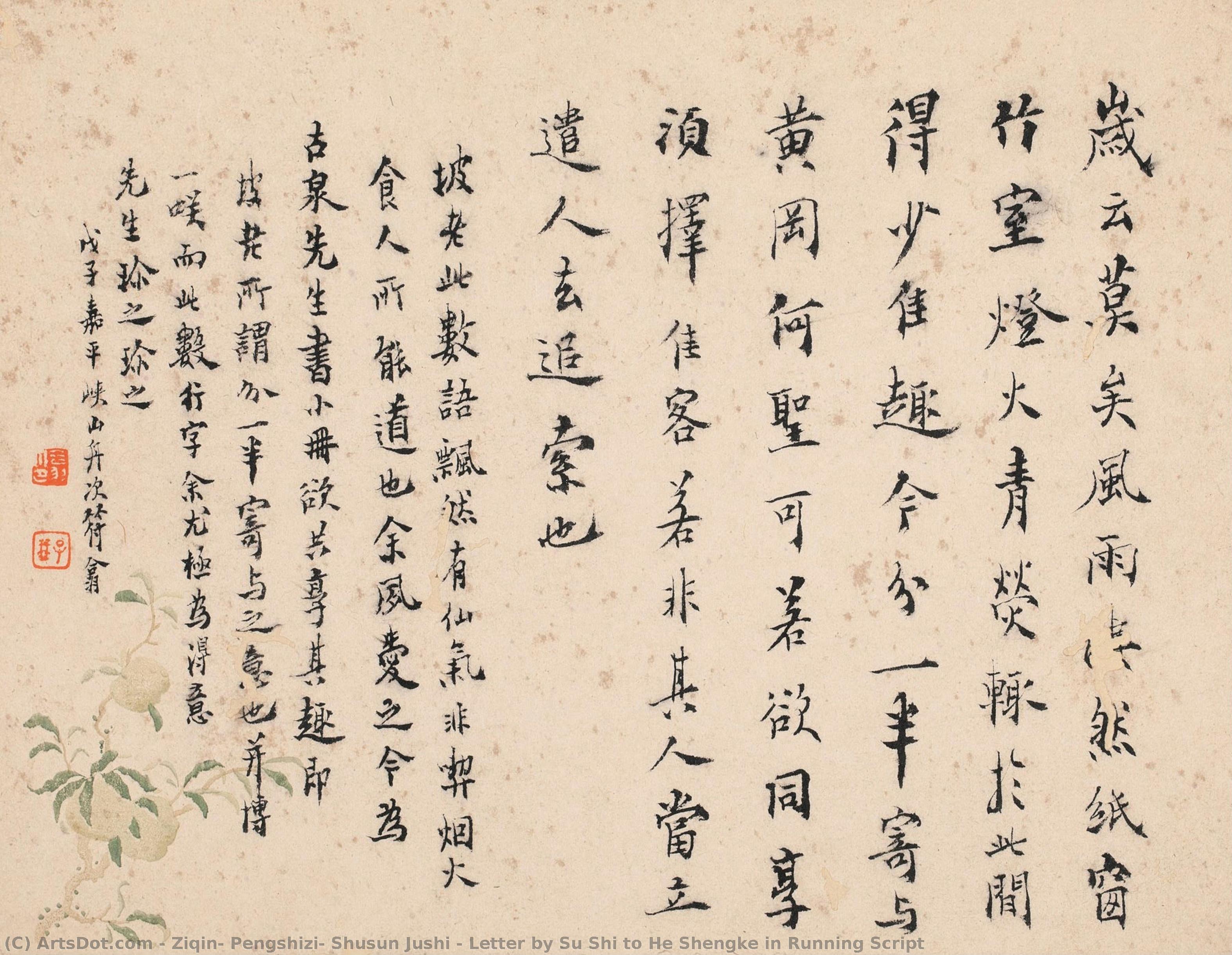
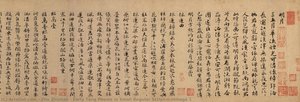
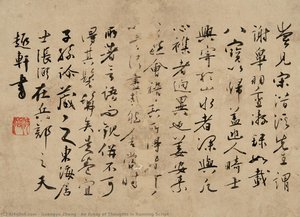
Letter by Su Shi to He Shengke in Running Script


 詳細を見る
詳細を見る




P118B $10

P118H $10

P118W $10

P438Z $10

P508JH $12

P508YH $12

P805H $10

P805Z $10

P919BZ $10

P919G $10

P919XJ $10

P959ZH $10

P968JZ $12

W106C $8

W218G $10

W218JH $8

W218Y $10

W307PJ $10

W316G $10

W316PJ $8

W316Y $10

W398PJ $8

W4111J $10

W500HY $15

W500JH $15

W692G $12

W849H $8

W940BG $15

W953PJ $8




作品のオリジナル比率に合わせた、当店の規定サイズからお選びください。

特定のフレームやスペースに合わせて、ご希望のサイズをご入力いただけます。選択されたサイズが元の画像の比率と異なる場合、アートワークをトリミングするか、手描きで要素を追加して絵画を拡張いたします。デジタルモックアップ を制作し、制作開始前にご確認(承認)をいただきます。
画面上のプレビューは、実際のトリミングや拡張を正確に反映しているものではありません。最終的な構図は、モックアップによってのみ正確にご確認いただけます。
カスタムサイズもご利用いただけますが、元の比率を維持するためには、あらかじめ用意されたリストからサイズを選択することをお勧めいたします。
ご注文後、ArtsDot.com チームより詳細な指示をお送りするとともに、仕上がりイメージ(モックアップ)をご提供いたします。


 ガラスオプションは、110cm未満のサイズでのみご利用いただけます。

Letter by Su Shi to He Shengke in Running Script
複製技法
複製画のサイズ
-


合計金額
$ 263
関連作品

アーティストの略歴
A Master of Brushstrokes and Verse: The Legacy of Cao Ziqin
Cao Ziqin (pengshizi, shusun jushi), born around 1840 in Qingquan, Henan Province, remains a figure shrouded in some mystery—his precise birthdate and death date are unknown. Yet, his impact on Chinese art and literature is undeniable, cementing his place as one of the most celebrated painters and calligraphers of the Qing Dynasty. His artistic lineage traced back to Cao Cao, a formidable warlord who reshaped the political landscape of China during the tumultuous period preceding the Three Kingdoms era. Lady Sun, Cao Cao’s consort, bore him two other sons, Cao Zishang and Cao Biao, highlighting the grandeur and ambition that characterized his family history. Tragically, Ziqin succumbed to illness at a young age, leaving no heir to carry on his artistic endeavors—a poignant reminder of brilliance cut short.- Early Life and Artistic Training:
- Notable Paintings: Exploring Landscape and Genre Scenes
- Calligraphy and Seal Carving: The Pursuit of Harmony and Elegance
- Influence of Su Shi and Neo-Confucian Thought
- Historical Significance and Enduring Legacy
Notable Paintings: Exploring Landscape and Genre Scenes
Ziqin’s artistic output was primarily focused on landscape painting, reflecting the dominant aesthetic sensibilities of his time—a deep reverence for nature and a desire to capture its sublime beauty. He skillfully employed brushwork techniques honed through rigorous training, demonstrating exceptional control over tonal variations and capturing atmospheric effects with remarkable precision. His canvases often depict serene mountain vistas bathed in soft light, conveying a sense of tranquility and contemplation. However, Ziqin wasn’t solely devoted to monumental landscapes; he also produced evocative genre scenes—depictions of everyday life—that offered glimpses into the social customs and traditions of his era. These paintings weren't merely representations of reality but imbued with subtle symbolism, reflecting philosophical ideas rooted in Neo-Confucianism.Calligraphy and Seal Carving: The Pursuit of Harmony and Elegance
Beyond painting, Ziqin excelled as a calligrapher and seal carver—disciplines inextricably linked in Chinese artistic tradition. Like painting, calligraphy demanded meticulous attention to detail and an understanding of tonal harmony, mirroring the principles of landscape art. His characters flowed with grace and precision, embodying Confucian ideals of righteousness and virtue. Furthermore, Ziqin’s seal carving—the practice of impressing official emblems onto paper—was equally sophisticated, utilizing stylized motifs and subtle variations in ink density to convey meaning and artistic expression. These seals served as visual signatures, signifying authenticity and prestige within the scholarly circles of his time.Influence of Su Shi and Neo-Confucian Thought
Ziqin’s artistic vision was profoundly shaped by the influence of Su Shi (Shusun), a towering figure in Chinese literature and philosophy—his literary name, Shusun, reflecting this connection. Su Shi championed Neo-Confucianism, emphasizing moral cultivation and aligning oneself with the natural order. Ziqin absorbed these philosophical precepts, incorporating them into his artistic practice—evident in his landscapes’ contemplative mood and his calligraphy's harmonious balance. The pursuit of inner peace and ethical conduct permeated his creative endeavors, mirroring the broader intellectual currents of the Qing Dynasty.Historical Significance and Enduring Legacy
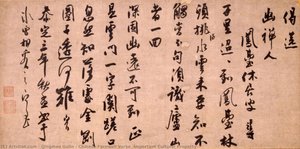
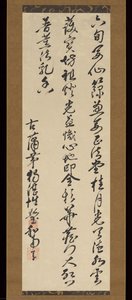
Cao Ziqin’s contribution to Chinese art history extends beyond individual masterpieces; he represents a quintessential embodiment of Qing Dynasty artistic ideals—a fusion of landscape painting and calligraphy reflecting Neo-Confucian thought. His works continue to inspire admiration for their technical mastery and aesthetic beauty, serving as testament to the enduring power of tradition. The letter by Su Shi to He Shengke in Running Script exemplifies Ziqin’s stylistic influence and underscores his place within the intellectual milieu of his time—a legacy that resonates through centuries of artistic appreciation.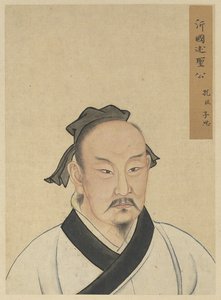
ziqin, pengshizi, shusun jushi
1840 - 1902 , China
基本情報
- Artistic Movement Or Style: Traditional Chinese art
- Date Of Birth: Henan, China (1840)
- Date Of Death: 1902
- Full Name: ziqin pengshizi shusun jushi
- Nationality: Chinese
- Notable Artworks: ['Letter by Su Shi to He Shengke in Running Script']
- Place Of Birth: Qingquan (present-day Hengyang), Hunan
関連記事
Ephemeral Expressions: Exploring the Nuances of Ink on Paper Through History & Contemporary Art
Explore the captivating world of ink wash painting – from its ancient origins to contemporary masters. Discover techniques, symbolism & conservation insights with ArtsDot.com.
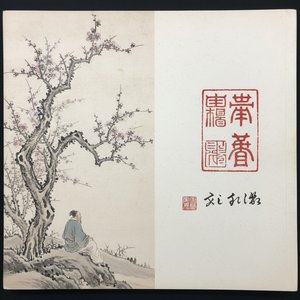
Xie Zhiliu: A Legacy of Ink Wash Painting & Modern Chinese Literati Tradition
Explore the legacy of Xie Zhiliu, a master of Chinese ink wash painting & prominent figure in modern art. Discover his techniques, influences, and contributions to literati tradition. A guide for discerning collectors.
Ephemeral Lines: Exploring Emotional Resonance in Ink Sketching Traditions
Explore the profound art of ink sketching! Discover techniques to express emotion, master line work, and cultivate artistic sensitivity. Learn from historical masters & unlock your creative potential.
Acrylic on Paper: A Modern Canvas for Contemporary Expression
Explore the versatility of acrylic painting on paper! Discover expert techniques, artist insights & archival practices for creating stunning contemporary art. Learn more at ArtsDot.
Pu Xinyu's 'Puru': A Legacy of Literati Painting & Emotional Resonance
Explore the captivating world of Pu Xinyu (Puru), the last great literati painter. Discover his imperial heritage, masterful ink wash techniques & enduring legacy – a valuable addition to any discerning art collection.

