The Death of the Gallery Walls: How Pop Art Democratized the Image
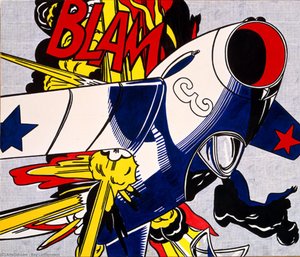
Pop art is an art movement that emerged in the United Kingdom and the United States during the mid-to late 1950s. The movement presented a challenge to traditions of fine art by including imagery from popular and mass culture—including advertising, c...
For centuries, the concept of a masterpiece was guarded by ironclad gates. Fine art was a sacred, silent realm reserved for the elite, defined by heavy oil pigments, religious iconography, and the introspective shadows of the Old Masters. But in the mid-twroll 1950s, a cultural seismic shift occurred that effectively blew the doors off the museum. Pop Art emerged not as a polite addition to the canon, but as a deliberate rebellion against the stifling exclusivity of Abstract Expressionism. It sought to strip away the pretension of the "high art" pedestal and instead find divinity in the everyday. This movement didn't just change what we looked at; it fundamentally altered our relationship with the image itself, proving that meaning is not found solely in the profound, but often in the pervasive.
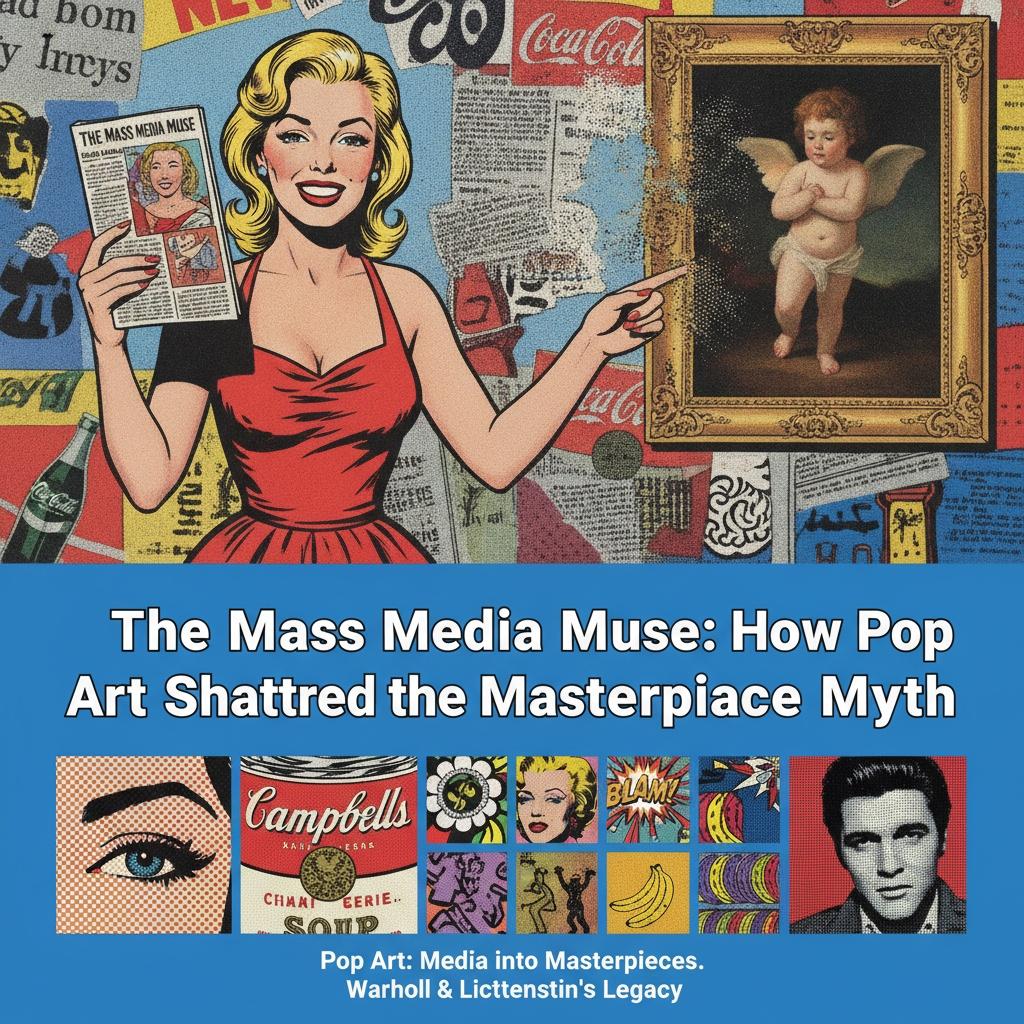
By pulling imagery from advertising, comic strips, and product packaging into the light of the gallery, artists began to dismantle the hierarchy of culture. The distinction between a museum-grade canvas and a supermarket flyer started to dissolve. This democratization meant that art was no longer a closed conversation between scholars; it became a loud, vibrant dialogue with the streets. It invited the viewer—the consumer, the commuter, the fan—to recognize their own reality reflected in the paint. The sanctity of the "unique" object was challenged by the beauty of the reproducible, creating a world where the visual language of the masses could finally claim its seat at the table of greatness.
From Soup Cans to Superstars: The Elevation of the Banal
--- title: Consumer goods, mass media, and popular culture | MoMA author: Starr Figura url: https://www.moma.org/collection/terms/pop-art/consumer-goods-mass-media-and-popular-culture hostname: moma.org sitename: The Museum of Modern Art date: 2024-0...
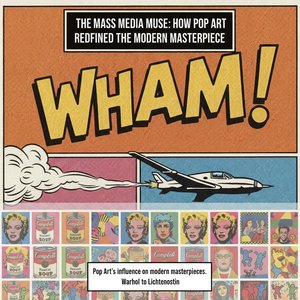
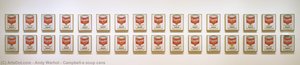
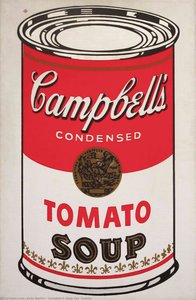
To understand the audacity of Pop Art, one must look at the subjects that were once considered beneath the dignity of a brushstroke. Imagine a world where a tin of soup or a brightly colored soda bottle was deemed too "low" for serious contemplation. Pop artists looked at these ubiquitous symbols of postwar consumerism and saw something much more potent: icons. They recognized that in an era of unprecedented economic growth and mass production, the objects we consume are the true artifacts of our time. By elevating the banal, they turned the mundane into the monumental, forcing us to confront the sheer power of branding and the aesthetic weight of the commodities that define our modern existence.
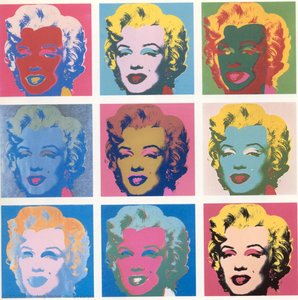
This elevation extended far beyond grocery aisles; it reached into the very heart of celebrity culture. The faces of film stars and the glossy perfection of magazine covers became the new religious icons. There is a rhythmic, almost hypnotic energy in how these artists utilized fame, treating the visage of a superstar with the same graphic precision as a piece of commercial design. This wasn't just about celebrity worship; it was an exploration of how mass media shapes our perception of identity. When we look at works that channel this spirit, we see the intersection of human connection and stylized performance, where the ephemeral nature of fame is captured through bold, saturated color and unmistakable iconography.
The Mechanical Revolution: Mimicking the Print in Fine Art
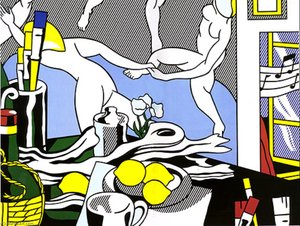 Studio the dance
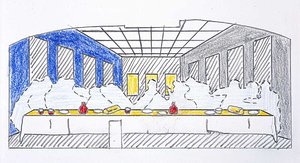
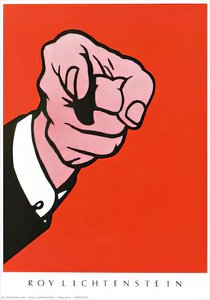
The Electric Energy of Pop Iconography To stand before a piece channeling the spirit of Roy Lichtenstein’s "Studio the dance" is to be enveloped in a vibrant, almost comic-book explosion of color and narrative energy. This work is not merely a depict...
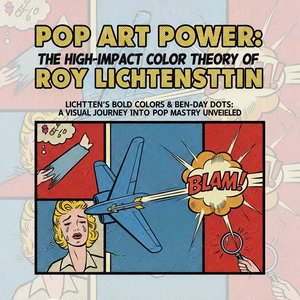
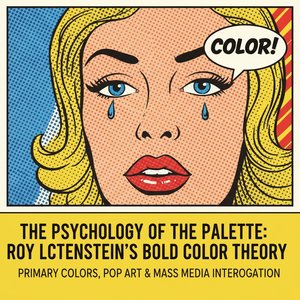
One of the most radical technical shifts brought about by this movement was the embrace of the mechanical. Traditionally, the value of a painting lay in the visible, soulful touch of the artist’s hand. Pop Art, however, began to celebrate—and even simulate—the cold, precise aesthetic of industrial reproduction. Artists like Roy Lichtenstein masterfully appropriated the language of commercial printing, utilizing techniques such as Ben-Day dots to mimic the look of comic books and newspaper advertisements. This was a brilliant paradox: using the tools of fine art to recreate the appearance of mass production. It forced the viewer to acknowledge the mechanical origins of the image while simultaneously appreciating its artistic transcendence.
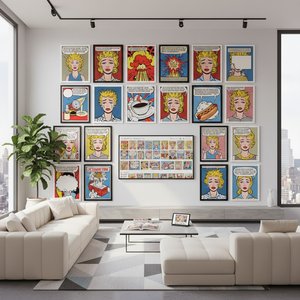
This fascination with the "printed" look created a new kind of visual tension. The use of heavy black outlines, flat color fields, and simulated halftone patterns stripped away the romanticism of the brushstroke, replacing it with a graphic punch that felt instantly modern. This aesthetic resonance continues to vibrate in our digital age, where high-contrast graphics and vector-style lines feel right at home on our screens. Even today, when we see contemporary works that utilize a quadriptych format or heavy, saturated pigments to evoke the feeling of a silkscreen print, we are witnessing the enduring legacy of this mechanical revolution—a celebration of precision, repetition, and the electric energy of the printed word.
Breaking the High-Low Barrier: A New Visual Language for the Digital Age
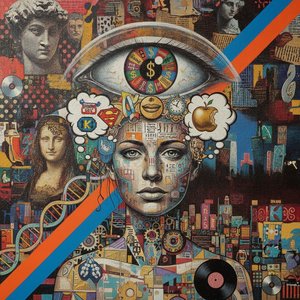 More Than Meets the Eye: Decoding the Hidden Symbols and Bold Layers of Allegorical Pop Art
Beyond the Surface: Why Pop Art is More Than Just Eye Candy Pop art Pop art is an art movement that emerged in the United Kingdom and the United States during the mid-to late 1950s. The movement presented a challenge to traditions of fine art by incl...
The true genius of Pop Art lies in its ability to blur the boundaries between high culture and the everyday consumerist dream. It created a hybrid visual language that was both sophisticated and accessible, much like the way we navigate our current digital landscape. This movement anticipated the postmodern era, where the distinction between an original masterpiece and a digital remix is increasingly fluid. By integrating elements of kitsch, advertising, and street culture, Pop Art provided a toolkit for future generations to explore themes of artifice, commerce, and the self.
This breakdown of barriers paved the way for everything from Neo-Pop to the vibrant world of street art and digital collage. We see this legacy in the way modern artists merge iconic characters—like Mickey Mouse—with groundbreaking, contemporary aesthetics, creating a collision of nostalgia and social commentary. The movement taught us that art can be playful, ironic, and even sarcastic, while still maintaining deep cultural significance. It gave us permission to find beauty in the "lowbrow," the underground, and the mass-produced, ensuring that the visual language of our era remains as diverse and dynamic as the media we consume every day.
The Legacy of the Remix: How Pop Art Predicted Our Hyper-Mediated Reality
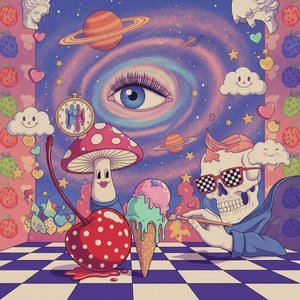 Pop Surrealism Unveiled: The Sophisticated Intersection of Vibrant Pop Art and Dreamlike Subconscious Landscapes
The Genesis of a Movement: From Post-War Optimism to Underground Rebellion Pop Surrealism: A Collision of Culture, Dreams & the Subconscious in Post-War Art The Roots of Rebellion: From Post-War Optimism to Underground Expression 100 Sources of Pop A...
As we move further into an age defined by hyper-mediation, social media, and the constant stream of digital imagery, the predictions of the Pop Art movement feel more prophetic than ever. We live in a world of endless remixes, where every image is a potential template for a new creation. The way we consume celebrity culture, the way we interact with brands, and even the way we construct our own identities through curated visuals are all extensions of the logic established by the Pop pioneers. They understood that in a media-saturated society, the "original" is often less important than the "impact."
The movement's emphasis on appropriation and the recontextualization of existing symbols has become the foundation of modern visual expression. Whether it is through the lens of Pop Surrealism, which blends dreamlike landscapes with commercial icons, or the aggressive, high-contrast energy of contemporary street art, the spirit of the "remix" is alive and well. Pop Art shattered the myth of the untouchable masterpiece and replaced it with a vibrant, living ecosystem of imagery. It taught us that art is not just something to be observed in silence; it is something to be lived, shared, and reimagined, forever transforming the objects of our daily lives into icons of eternal contemplation.
For those looking to bring this high-impact energy into their own spaces, ArtsDot.com offers a curated selection of bold, contemporary works that celebrate this very legacy. From hand-painted oil reproductions of iconic styles to custom commissions that transform your personal memories into modern masterpieces, we specialize in art that vibrates with the pulse of the present.