
The Architecture of Vision: Composition as the Silent Dialogue
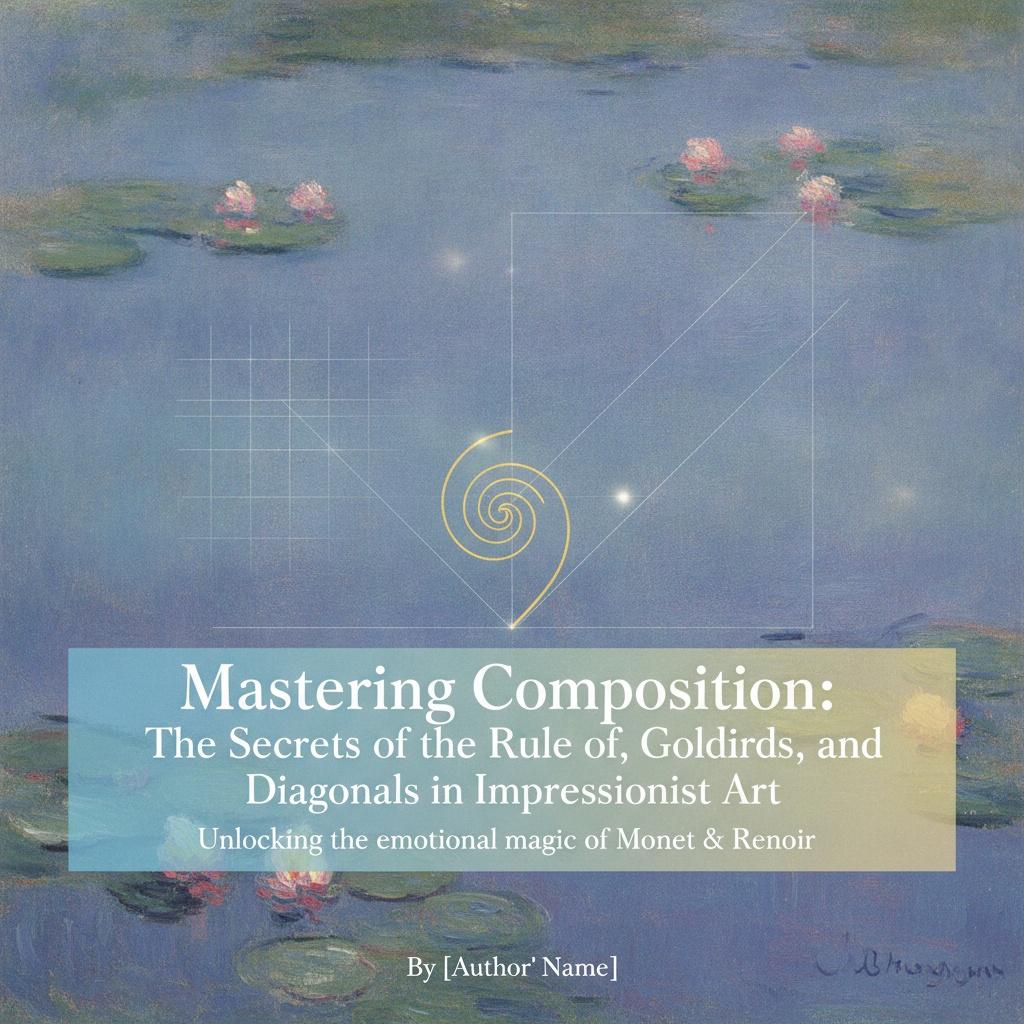
 Mastering Composition: A Guide to the Rule of Thirds, Golden Ratio, and Diagonal Secrets in Art History
The Architecture of Vision: Understanding Compositional Foundations To gaze upon a masterpiece is to enter into a silent dialogue with the artist, a conversation structured not by words, but by the deliberate arrangement of form, light, and space. Fo...
To gaze upon a masterpiece is to enter into a silent, profound dialogue with the artist—a conversation structured not by spoken words, but by the deliberate and masterful arrangement of form, light, and space. For those of us who have spent decades wandering through the hallowed halls of the Musée d'Orsay or finding solace in the curated treasures of The Barnes Foundation, we understand that a painting is never merely a surface of pigment. It is an architecture of vision. This invisible scaffolding supports the emotional weight of every canvas, guiding our eyes from the initial moment of encounter through a carefully choreographed journey of discovery.
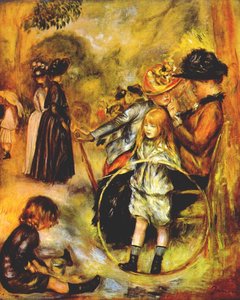
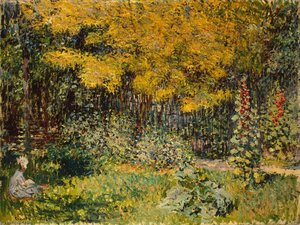
In the realm of Impressionism, this structural intent takes on a unique character. While the movement is often celebrated for its spontaneous, almost accidental appearance, there is a deep, rhythmic pulse beneath the loose brushwork. The masters—Monet, Renoir, Panini, and their contemporaries—did not simply capture light; they engineered it. They understood that for the eye to truly experience the fleeting beauty of a sun-drenched garden or a bustling Parisian boulevard, there must be an underlying grammar of visual language. This grammar provides the tension between presence and absence, ensuring that even the most ephemeral moment feels anchored in a lasting, structural truth.
The Rule of Thirds: Finding Equilibrium in the Fleeting Moment
 Art Composition Secrets: Mastering the Rule of Thirds, Golden Ratio, and Diagonals for Professional Designers
Foundations of Visual Order: Why Composition is Critical in Hospitality Design The Eloquence of Arrangement: Exploring Compositional Strategies in Western Art Introduction: The Foundations of Visual Harmony Unlocking Beauty: A Beginner's Guide to App...
One of the most enchanting secrets of the Impressionist masters lies in their ability to avoid the static nature of perfect symmetry. A perfectly centered subject often feels heavy and unmoving, lacking the breath of life required for true expression. Instead, many artists employed the Rule of Thirds, a principle that introduces an organic sense of equilibrium. By mentally dividing the canvas into a grid of nine equal rectangles, the artist identifies key intersection points where the most vital elements reside.
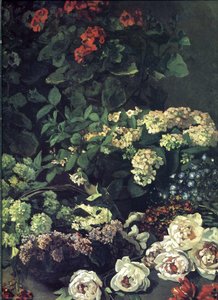
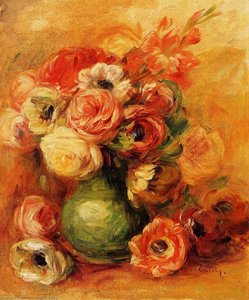
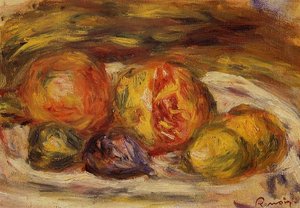
Consider the way a delicate bloom or a soft, human gaze might be placed not in the dead center, but along one of these subtle lines. This technique creates a breathing space that invites the viewer to contemplate the subject's psychological depth and the surrounding atmosphere. In works such as Renoir’s Bouquet in front of a Mirror, we see how the arrangement of color and form avoids stagnation, instead creating a sense of movement and immediacy. It is through this intentional imbalance that the artist achieves a more naturalistic, living composition, allowing the viewer's eye to wander gracefully across the canvas rather than being trapped by a rigid, central focus.
The Golden Ratio: Nature's Divine Proportion in Impressionist Light
 Mathematics and art
Mathematics and art are related in a variety of ways. Mathematics has itself been described as an art motivated by beauty. Mathematics can be discerned in arts such as music, dance, painting, architecture, sculpture, and textiles. This article focuse...
Beyond the accessible geometry of the Rule of Thirds lies a more ancient and mathematical elegance: the Golden Ratio. This mathematical relationship, often found throughout the natural world from the spiral of a seashell to the arrangement of petals on a rose, has long been used by artists to evoke a sense of divine harmony. When applied to Impressionism, this ratio serves to harmonize the chaotic beauty of light and color.
The use of such proportions allows for a sophisticated interplay between the subject and its environment. It provides a mathematical foundation for what feels like pure emotion. As we observe the luminous textures in a portrait or the atmospheric depth of a landscape, we are often responding to these inherent, natural proportions without even realizing it. The Golden Ratio acts as a bridge between the scientific and the sensory, ensuring that even when an artist uses bold, textured strokes to capture a transient moment, there is an underlying sense of cosmic order. It is this marriage of mathematical precision and painterly spontaneity that gives Impressionist works their enduring, timeless grace.
Dynamic Diagonals: Creating Movement and Immediacy on Canvas
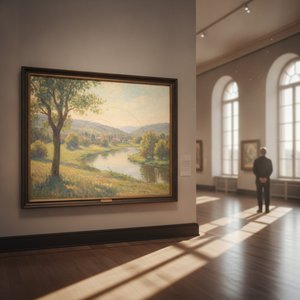 The Beauty of Balance: Mastering Classic Composition and Light in Impressionist Masterpieces
The Invisible Scaffolding: Understanding Composition as the Grammar of Vision Mastering Composition: A Guide to the Rule of Thirds, Golden Ratio, and Diagonal Secrets in Art History The Architecture of Vision: Understanding Compositional Foundations ...
If the Rule of Thirds provides balance and the Golden Ratio provides harmony, then diagonals provide the heartbeat. In the hands of a master, a diagonal line is a powerful tool for directing the gaze and injecting energy into a scene. Unlike horizontal lines, which suggest rest and stability, or vertical lines, which imply strength and permanence, diagonals introduce a sense of transition and motion.
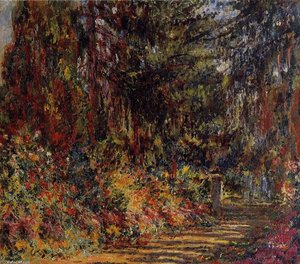
In many Impressionist compositions, we see diagonal paths—perhaps a sunlit lane, the edge of a riverbank, or even the tilt of a figure's shoulder—that lead our eyes through the painting. These lines create a visual path, a journey that prevents the eye from resting too long in one place. This technique is essential for capturing the "impression" of movement itself. It allows the artist to depict the world not as a frozen snapshot, but as a continuous, flowing experience. Through these diagonal secrets, the canvas becomes dynamic, inviting us to participate in the very movement and vitality that the artist sought to immortalize.
The Emotional Weight of Structure: How Composition Guides the Soul
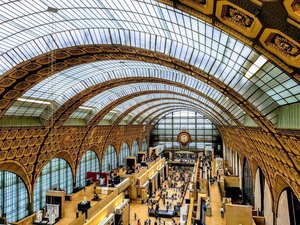 Musee National d'Orsay
A Palace of Light Embracing Impressionism’s Soul The Musée d'Orsay is far more than a mere repository for canvas and pigment; it is a profound sensory experience, a journey back to the vibrant, pulsing heart of nineteenth-century artistic revolution....
Ultimately, the mastery of composition is about more than just technical skill; it is about emotional orchestration. Every choice made by the artist—where to place a shadow, how to weight a patch of bright color, where to lead the eye with a diagonal stroke—is a choice intended to evoke a specific feeling. The structure of the painting is what allows the emotion to resonate within the viewer.
When we stand before a canvas that feels "right," we are responding to a successful compositional strategy. We feel the tranquility of a well-balanced landscape or the excitement of a dynamic, diagonal-driven scene. This is why studying composition is so vital for the dedicated collector; it allows us to move beyond passive observation and engage in a deep, rhythmic dialogue with the masterpiece. We begin to see the "invisible scaffolding" that supports the emotional weight of the work, appreciating how the artist has used form and space to touch the very soul of the viewer.
Beyond the Frame: Applying Classical Composition to Modern Memories
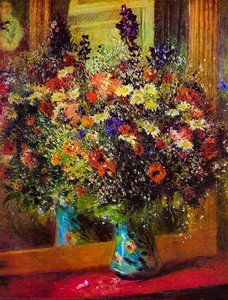 Bouquet in front of a Mirror
Vibrant Celebration of Nature’s Beauty This captivating still life captures a lush bouquet of flowers rendered with lively, expressive brushwork that embodies the essence of Impressionism. The composition centers on a generous arrangement of blooms i...
The beauty of these classical principles is that they are not confined to the nineteenth century; they are eternal. At ArtsDot.com, we believe that the magic of these compositional secrets can be brought into the modern home through the art of custom creation. We specialize in the "remixing" of art history, offering the unique ability to transform your most cherished personal milestones into hand-painted oil masterpieces.
Imagine a contemporary photograph—perhaps a wedding portrait or a tender moment with a loved one—reimagined through the light-drenched lens of Monet or the vibrant, textured impasto of Van Gogh. By applying the Rule of Thirds, the Golden Ratio, and dynamic diagonals to your own images, our artists can create bespoke works that possess the same structural elegance as the masters. Whether you are looking for a large-scale mural to anchor a room or a delicate custom portrait, we invite you to explore how the timeless architecture of vision can turn your personal memories into enduring works of art.