

 Предпросмотр
 Поделиться
 Поделиться
 Детали произведения

 Скачать
 Похожие работы
 Рентгенография
 Слайд-шоу
 Статистика
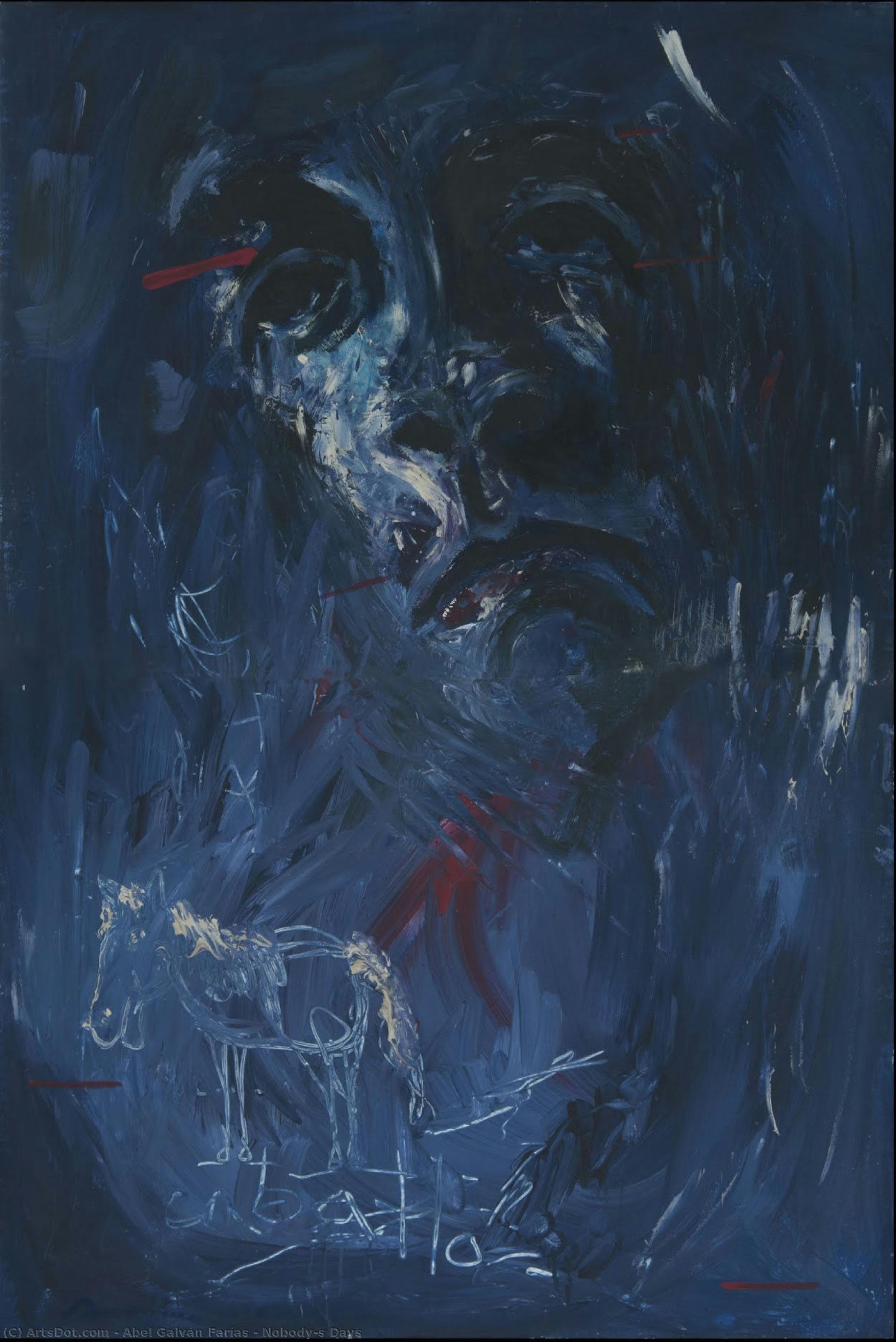
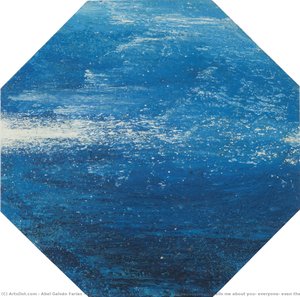
Nobody’s Days
 120.0 x 160.0 cm
 Museum of the Arts of the University of Guadalajara
 Читать далее
Приобретите цифровое изображение высокого разрешения в улучшенном качестве, которое значительно превосходит онлайн-превью.
Каждый файл тщательно подготавливается нашими специалистами с использованием передовых инструментов и экспертной ручной ретуши. Мы гарантируем исключительную четкость, точную цветопередачу и детальную проработку каждого изображения.
Финальный файл доставляется по электронной почте в течение 72 часов и оптимизирован для немедленного использования в профессиональной среде, при верстке и печати. Это тот же уровень качества, которому доверяют ведущие дизайнерские студии, издательства и галереи.
Цифровое изображение
Скачайте файл высокого разрешения для личного использования, печати и творческих проектов. ( Перейти к печати Купить картину ручной работы)
Включено в каждый заказ цифровых изображений
Гарантия экспертной цифровой доставки
Выбирая ArtsDot.com, вы получаете не просто изображение — вы приобретаете профессионально обработанное цифровое произведение искусства, созданное с безупречной точностью и под защитой гарантии качества. Вот всё, что автоматически входит в ваш заказ:

Мгновенная доставка по e-mail
Ваш цифровой файл в высоком разрешении будет отправлен вам по электронной почте в течение 72 часов после оформления заказа — и сразу станет доступен для использования.

Цифровой файл с ИИ-улучшением
Ваше произведение искусства проходит профессиональную оптимизацию с использованием передовых инструментов ИИ и ручной обработки, что гарантирует максимальную детализацию, четкость и точность цветопередачи.

Бессрочная бесплатная повторная доставка
Случайно удалили или потеряли файл? Не беспокойтесь — мы отправим его вам повторно в любое время и совершенно бесплатно.

Без импортных пошлин — навсегда
Наслаждайтесь вашим произведением искусства мгновенно без таможенных пошлин, сборов или затрат на доставку — цифровые загрузки всегда не облагаются налогом.

Гарантия точности цветопередачи
Мы гарантируем, что ваше цифровое изображение максимально точно передает оригинальные цвета благодаря использованию профессиональных инструментов и систем управления цветом.

Гарантия удовлетворенности 100 дней
Если вы не будете удовлетворены своим цифровым изображением, мы внесем правки или вернем 100% стоимости в течение 100 дней — без лишних вопросов.

100% Гарантия возврата средств
Не удовлетворены покупкой? Получите полный возврат средств в течение 100 дней после получения цифрового файла — без лишних вопросов.

Скидки на оптовые заказы
Купите 3 изображения, сэкономьте 10% — Купите 5, сэкономьте 15% — Купите 10+, сэкономьте 20%. Отличное решение для творческих проектов, галерей и агентств.
Похожие произведения







Биография художника
Jean-Michel Basquiat: A Voice of the Streets and a Revolutionary Artist
Born in Brooklyn, New York City, on December 22, 1960, Jean-Michel Basquiat emerged from the vibrant, often turbulent, landscape of late 1970s and early 1980s New York as one of the most compelling and influential artists of his generation. His life was tragically cut short at the age of 27 in August 1988 due to a heroin overdose, but during his brief career, he left an indelible mark on the art world, challenging conventions, confronting social injustices, and redefining the boundaries of artistic expression.
Basquiat’s early life was shaped by his Haitian-American heritage. His father, Gerard Basquiat, was a Panamanian immigrant who worked as a night watchman for the New York City Transit Authority, while his mother, Laurinda “Lori” Saba Douglas, was an opera singer and social worker. This complex background—a blend of Caribbean roots, working-class struggles, and artistic sensibilities—became central to his work. He spent much of his childhood in Crown Heights, Brooklyn, a neighborhood grappling with poverty, racial tensions, and the burgeoning hip-hop culture that would profoundly influence his art.
Initially, Basquiat’s career began not as a solitary painter but as part of a collaborative duo known as SAMO (Street Art Method Of Operation) alongside Al Diaz. Together, they scrawled enigmatic epigrams and symbols across the walls of Lower East Side buildings in Manhattan during 1976 and 1977. These cryptic messages—often questioning consumerism, power structures, and social inequalities—established Basquiat’s early artistic voice and garnered attention within the burgeoning street art scene. This period laid the groundwork for his later explorations of identity, race, and urban experience.
The Rise of Neo-Expressionism and a Unique Style
By the early 1980s, Basquiat transitioned from graffiti to painting, establishing himself as a key figure in the neo-expressionist movement. This style, characterized by its raw emotion, gestural brushstrokes, and often confrontational subject matter, represented a reaction against the intellectualism of minimalism and conceptual art. Unlike many of his contemporaries, Basquiat didn’t rely on traditional painting techniques; instead, he incorporated elements of collage, drawing, poetry, and historical references into his work.
His paintings frequently featured skulls, crowns (a symbol of royalty and power), musical instruments, and text—often incorporating phrases from jazz lyrics, poetry, and social commentary. He drew heavily on sources such as the writings of James Baldwin, Malcolm X, and W.E.B. Du Bois, reflecting his commitment to addressing issues of race, poverty, and social justice. His distinctive style combined elements of street art with a sophisticated intellectualism, creating images that were both visually arresting and deeply layered in meaning.
Basquiat’s work was not simply decorative; it was an active engagement with the world around him. He frequently depicted scenes from his own life—his family, his neighborhood, and his experiences as a Black artist navigating a predominantly white art establishment. His use of symbols and imagery allowed him to explore complex themes in a visually accessible way, inviting viewers to contemplate the social and political realities of 1980s America.
Themes of Identity, Power, and Social Commentary
A recurring theme throughout Basquiat’s oeuvre is the exploration of identity—particularly his own as a Black artist in a predominantly white art world. He grappled with issues of representation, appropriation, and the challenges faced by marginalized communities. His paintings often confronted the hypocrisy of American society, exposing the contradictions between ideals of freedom and equality and the realities of racism and economic inequality.
Power structures were another central concern for Basquiat. He frequently depicted figures of authority—police officers, politicians, and corporate executives—as symbols of oppression and corruption. His use of crowns as a recurring motif served as both an assertion of personal power and a critique of the established order. His work became a powerful indictment of systemic injustice and a call for social change.
Furthermore, Basquiat’s art engaged with the cultural landscape of his time, particularly the rise of hip-hop culture. He incorporated elements of graffiti, breakdancing, and rap music into his paintings, reflecting the energy and dynamism of the streets of New York City. His work served as a visual record of a generation grappling with issues of identity, race, and social justice.
Legacy and Historical Significance
Despite his tragically short life, Jean-Michel Basquiat’s impact on the art world is undeniable. He quickly rose to prominence during his lifetime, becoming one of the youngest artists ever exhibited at the Whitney Museum of American Art and Documenta in 1982. His work continues to be celebrated for its raw emotion, intellectual depth, and social commentary.
Today, Basquiat’s paintings command some of the highest prices on the art market, a testament to his enduring appeal and artistic significance. He is remembered not only as a brilliant artist but also as a cultural icon—a voice for the marginalized, a champion of social justice, and a revolutionary figure who challenged the conventions of the art world.
His work remains relevant today, prompting viewers to confront issues of race, inequality, and power in a way that is both challenging and profoundly moving. Basquiat’s legacy continues to inspire artists and activists alike, solidifying his place as one of the most important figures in contemporary art history.
abel galván farías
1980 - , Mexico
Основные сведения
- Artistic Movement Or Style: Neo-expressionism
- Artists Or Movements Influenced By This Artist:
- Graffiti art
- Hip-hop culture
- Artists Who Influenced This Artist:
- Andy Warhol
- Keith Haring
- Date Of Birth: December 22, 1960
- Date Of Death: August 12, 1988
- Full Name: Jean-Michel Basquiat
- Nationality: American
- Notable Artworks:
- Irony of Negro Policeman
- Skull of Doom
- Untitled
- Boy and Dog in a Johnnypump
- Defacement
- Hollywood Africans
- Place Of Birth: New York City, U.S.