

 Предпросмотр
 Поделиться
 Поделиться
 Детали произведения

 Скачать
 Похожие работы
 Рентгенография
 Слайд-шоу
 Статистика
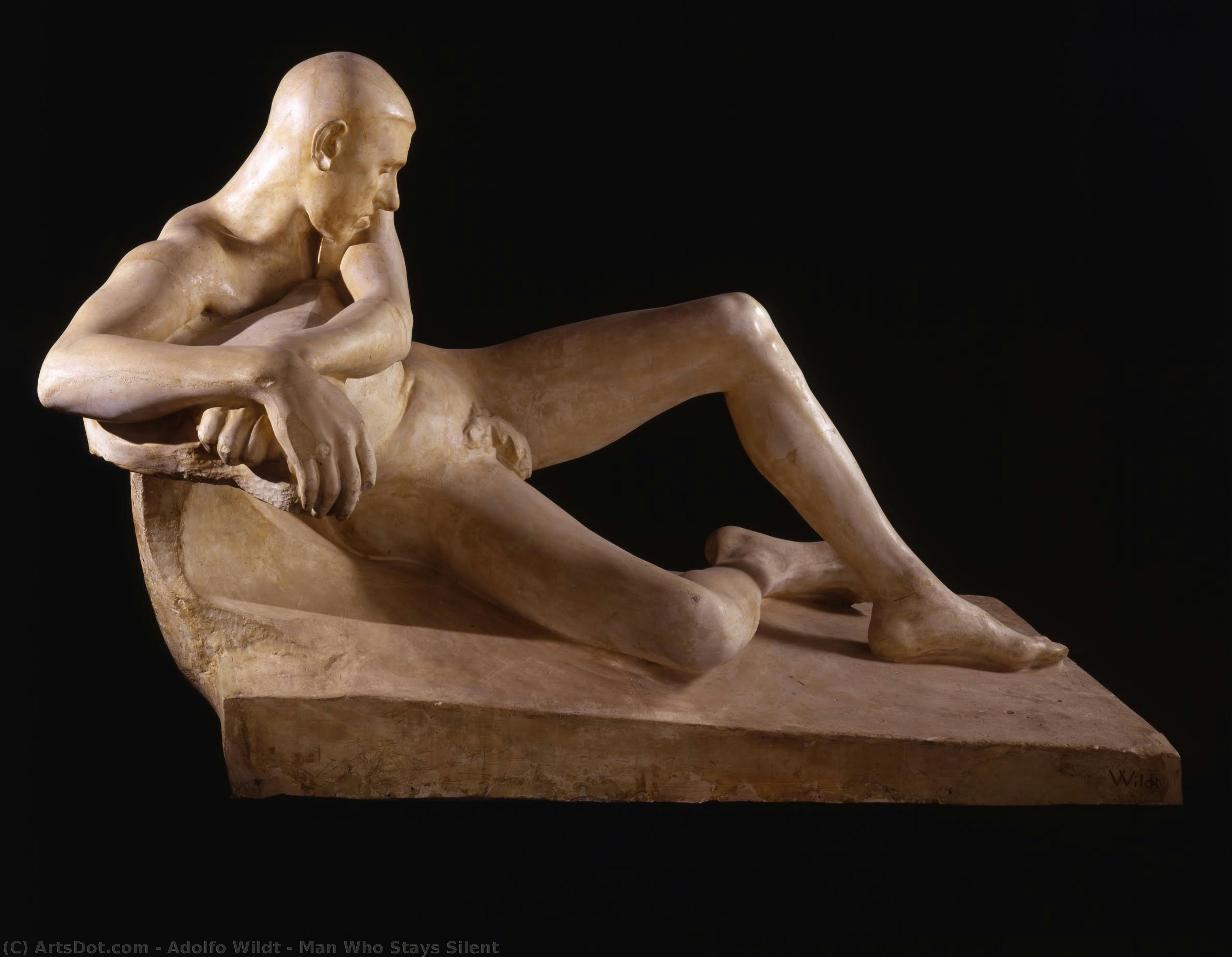
Man Who Stays Silent


 Читать далее
Приобретите цифровое изображение высокого разрешения в улучшенном качестве, которое значительно превосходит онлайн-превью.
Каждый файл тщательно подготавливается нашими специалистами с использованием передовых инструментов и экспертной ручной ретуши. Мы гарантируем исключительную четкость, точную цветопередачу и детальную проработку каждого изображения.
Финальный файл доставляется по электронной почте в течение 72 часов и оптимизирован для немедленного использования в профессиональной среде, при верстке и печати. Это тот же уровень качества, которому доверяют ведущие дизайнерские студии, издательства и галереи.
Цифровое изображение
Скачайте файл высокого разрешения для личного использования, печати и творческих проектов. ( Перейти к печати Купить картину ручной работы)
Включено в каждый заказ цифровых изображений
Гарантия экспертной цифровой доставки
Выбирая ArtsDot.com, вы получаете не просто изображение — вы приобретаете профессионально обработанное цифровое произведение искусства, созданное с безупречной точностью и под защитой гарантии качества. Вот всё, что автоматически входит в ваш заказ:

Мгновенная доставка по e-mail
Ваш цифровой файл в высоком разрешении будет отправлен вам по электронной почте в течение 72 часов после оформления заказа — и сразу станет доступен для использования.

Цифровой файл с ИИ-улучшением
Ваше произведение искусства проходит профессиональную оптимизацию с использованием передовых инструментов ИИ и ручной обработки, что гарантирует максимальную детализацию, четкость и точность цветопередачи.

Бессрочная бесплатная повторная доставка
Случайно удалили или потеряли файл? Не беспокойтесь — мы отправим его вам повторно в любое время и совершенно бесплатно.

Без импортных пошлин — навсегда
Наслаждайтесь вашим произведением искусства мгновенно без таможенных пошлин, сборов или затрат на доставку — цифровые загрузки всегда не облагаются налогом.

Гарантия точности цветопередачи
Мы гарантируем, что ваше цифровое изображение максимально точно передает оригинальные цвета благодаря использованию профессиональных инструментов и систем управления цветом.

Гарантия удовлетворенности 100 дней
Если вы не будете удовлетворены своим цифровым изображением, мы внесем правки или вернем 100% стоимости в течение 100 дней — без лишних вопросов.

100% Гарантия возврата средств
Не удовлетворены покупкой? Получите полный возврат средств в течение 100 дней после получения цифрового файла — без лишних вопросов.

Скидки на оптовые заказы
Купите 3 изображения, сэкономьте 10% — Купите 5, сэкономьте 15% — Купите 10+, сэкономьте 20%. Отличное решение для творческих проектов, галерей и агентств.
The Sculptor’s Introspection: Adolfo Wildt's "Man Who Stays Silent"
Adolfo Wildt’s “Man Who Stays Silent,” a captivating marble sculpture from 1899, isn’t merely a depiction of a figure; it’s an embodiment of contemplative stillness. Born in Milan amidst the burgeoning artistic currents of Italy, Wildt’s early life – apprenticed as a hairdresser and goldsmith before finding his true calling in sculpting – instilled within him a meticulous attention to form and a profound understanding of material. This experience subtly informs the work; the smooth, almost tactile quality of the marble speaks to a craftsman deeply attuned to its inherent properties. The sculpture’s power lies not in dramatic gesture or overt emotion, but rather in the palpable sense of inward focus radiating from the seated man – a figure seemingly lost within his own thoughts.
- Subject and Pose: The central subject is a man, rendered with remarkable anatomical precision yet imbued with an almost ethereal quality. He sits rigidly upright on a simple chair, his hands clasped before him in a gesture of profound introspection. This posture immediately draws the viewer in, inviting them to share in his silent contemplation.
- Material and Technique: Wildt masterfully employs the technique of *subdolato*, a method he developed himself, which allows for an exceptionally smooth and polished surface on marble. The result is a luminous quality that seems to capture and reflect light, creating an almost otherworldly effect. The subtle variations in tone within the marble – from the deepest shadows to the brightest highlights – contribute significantly to the sculpture’s depth and realism.
A Bridge Between Movements: Romanticism and Modernism
“Man Who Stays Silent” occupies a fascinating space within the transition between late 19th-century Romanticism and the nascent movements of early 20th-century modernism. Wildt’s work echoes the emotional intensity and psychological depth characteristic of Romantic sculpture, particularly in its exploration of inner experience. However, he departs from traditional Romantic conventions by prioritizing restraint and a sense of quietude over dramatic narrative. The man's face is deliberately averted, offering no clues to his thoughts or motivations – forcing the viewer to project their own interpretations onto the scene. This deliberate ambiguity aligns with the modernist emphasis on subjective experience and the rejection of didactic representation.
Historical Context: Wildt’s work emerged during a period of significant artistic upheaval in Italy, marked by the rise of new aesthetic theories and a growing interest in psychological realism. The sculpture reflects this intellectual climate, anticipating the introspective themes that would become central to modern art.Symbolism and Interpretation: A Portrait of Inner Life
The symbolism within “Man Who Stays Silent” is deliberately understated, inviting multiple layers of interpretation. The seated position itself suggests a state of contemplation or perhaps even isolation. The clasped hands could represent prayer, meditation, or simply the act of holding onto one’s thoughts. Some scholars have linked the sculpture to the concept of *silenzio* – silence – as a pathway to spiritual understanding, aligning with philosophical currents prevalent at the time. The man's averted gaze suggests a deliberate withdrawal from the external world, a focus on the internal landscape of his mind.
- The Chair: The simple chair serves as a grounding element, anchoring the figure in a tangible space while simultaneously emphasizing his detachment from it.
- The Absence of Expression: The lack of overt emotion is arguably the sculpture’s most powerful symbolic gesture – inviting viewers to contemplate the complexities of human consciousness and the often-unspoken nature of inner experience.
A Timeless Reflection: Emotional Impact and Artistic Legacy
“Man Who Stays Silent” continues to resonate with audiences today due to its profound sense of quietude and introspection. It’s a work that demands contemplation, inviting viewers to slow down and engage in a dialogue with the figure's unspoken thoughts. Wildt’s ability to capture such a nuanced state of being within the confines of marble is a testament to his artistic skill and sensitivity. Reproductions of this sculpture offer a powerful opportunity to bring this moment of profound stillness into any space, serving as a reminder of the importance of introspection and self-reflection in our increasingly hectic world. Its enduring appeal lies in its ability to evoke a sense of shared humanity – a recognition that we all, at times, seek solace within the silence of our own minds.
Похожие произведения


Биография художника
Adolfo Wildt (1868–1931): Bridging Romanticism & Modernism
Adolfo Wildt, born in Milan on March 1st, 1868, to a Swiss family who had embraced Lombardy as their new home, stands as an extraordinary figure in Italian sculpture—a sculptor who deftly navigated the turbulent currents of artistic transition between Romanticism and Modernism. His life’s journey was characterized by initial hardship tempered by unwavering dedication; he entered the world not within the gilded halls of academia but amidst the demanding realities of labor. Leaving school at the tender age of nine, Wildt’s formative years saw him apprenticed first as a hairdresser, then as a goldsmith—experiences that instilled in him an unparalleled attention to detail and a nascent understanding of form – qualities that would permeate his entire artistic career.Early Life & Apprenticeships: From Hairdressing to Marble
Leaving formal schooling early, Wildt’s initial professional pursuits were practical yet formative. His apprenticeship as a hairdresser honed his dexterity and precision, while his subsequent role as a goldsmith cultivated an appreciation for craftsmanship and textural nuance. However, it was his encounter with Giuseppe Grandi—a sculptor deeply rooted in the Scapigliatura movement—that irrevocably altered the trajectory of his artistic development. Under Grandi’s tutelage, Wildt mastered the formidable art of sculpting marble, establishing a bedrock of technical skill that would underpin his subsequent achievements. This early exposure to sculptural technique proved pivotal, shaping his aesthetic sensibilities and preparing him for the challenges ahead.The Influence of Giuseppe Grandi & The Scapigliatura Movement
Giuseppe Grandi’s mentorship wasn't merely about imparting skills; it instilled in Wildt a profound appreciation for expressive sculpture—a style that prioritized emotional depth alongside meticulous execution. Grandi, a champion of the Scapigliatura movement, encouraged experimentation and challenged conventional artistic norms, fostering an environment where Wildt could cultivate his own distinctive vision. The Scapigliatura’s rejection of academic formalism resonated deeply with Wildt's sensibilities, propelling him toward a style characterized by dynamism and psychological complexity.Patronage & Recognition: Franz Rose & Artistic Breakthrough
A transformative agreement arrived in 1894 when Wildt secured the unwavering support of Franz Rose—a Prussian collector whose discerning taste and considerable financial resources provided invaluable backing for his artistic endeavors. For eighteen years, Rose championed Wildt’s work, granting him freedom from commercial pressures and allowing him to immerse himself entirely in his creative pursuits. This patronage enabled Wildt to participate regularly in exhibitions across Europe – Milan, Munich, Zurich, Berlin, and Dresden – introducing his groundbreaking sculptures to a global audience and securing critical acclaim. Notably, Adolf von Hildebrand and Auguste Rodin recognized Wildt’s innovative approach to marble, praising his ability to achieve an almost ethereal transparency within the stone—a feat that distinguished him from many of his contemporaries.Sculptural Style & Themes: Gothic Forms & Emotional Intensity
Wildt's sculptural style is instantly recognizable for its fusion of Romanticism and Modernist sensibilities. He favored gothic forms imbued with dramatic lighting, reflecting a preoccupation with psychological depth and conveying profound emotional intensity. His sculptures explore themes of faith, sorrow, and the human condition—subjects that grapple with existential questions and evoke contemplation on mortality. The recurring motif of veiled faces or obscured features in his work adds another layer of mystery and invites viewers to project their own emotions onto the sculpted forms – a technique that underscores Wildt’s commitment to conveying complex psychological states. His most celebrated pieces, such as *Fulcieri Paulucci de’ Calboli*, *Saint Lucia*, *St. Francis of Assisi*, and *Mask of Sorrow*, exemplify this expressive style and solidify his legacy as one of the foremost sculptors of his time.Legacy & Influence: A Teacher & The Brera Academy
Wildt's contribution extended beyond individual masterpieces; he established his own Marble School in Milan in 1921, prioritizing traditional techniques honed over years of experience—a testament to his belief in preserving artistic heritage. Recognizing the importance of passing on knowledge and fostering talent, Wildt ensured that his influence would endure through generations of aspiring sculptors by integrating his school into the Brera Academy as a three-year course. Among his most notable pupils were Lucio Fontana, Fausto Melotti, and Luigi Broggini—artists who would themselves become leading figures in Italian Modernism – demonstrating Wildt’s enduring impact on the artistic landscape of the 20th century. Adolfo Wildt passed away peacefully in Milan on March 12th, 1931, leaving behind a body of work that continues to inspire and provoke reflection today—a sculptor who bridged eras and cemented his place as an icon of Italian art history.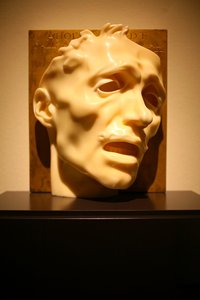
Адolfo Wildт
1868 - 1931 , Италия
Основные сведения
- Artistic Movement Or Style: Романтизм и Модернизм
- Artists Or Movements Influenced By This Artist: ['Луиджи Броггини']
- Artists Who Influenced This Artist:
- Джузеппе Гранди
- Федерико Вилла
- Date Of Birth: 1 марта 1868 г.
- Date Of Death: 12 марта 1931 г.
- Full Name: Adolfo Wildt
- Nationality: Итальянский
- Notable Artworks:
- Фулчери Паулуччи де’ Кальболи
- Святая Люция
- Святой Франциск Ассизский
- Place Of Birth: Милан, Италия