


 Предпросмотр
 Поделиться
 Поделиться
 Детали произведения

 Скачать
 Похожие работы
 Рентгенография
 Слайд-шоу
 Статистика
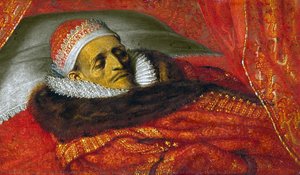
Maurice (1567 1625), Prince of Orange, Lying in State


 Читать далее
Приобретите цифровое изображение высокого разрешения в улучшенном качестве, которое значительно превосходит онлайн-превью.
Каждый файл тщательно подготавливается нашими специалистами с использованием передовых инструментов и экспертной ручной ретуши. Мы гарантируем исключительную четкость, точную цветопередачу и детальную проработку каждого изображения.
Финальный файл доставляется по электронной почте в течение 72 часов и оптимизирован для немедленного использования в профессиональной среде, при верстке и печати. Это тот же уровень качества, которому доверяют ведущие дизайнерские студии, издательства и галереи.
Цифровое изображение
Скачайте файл высокого разрешения для личного использования, печати и творческих проектов. ( Перейти к печати Купить картину ручной работы)
Включено в каждый заказ цифровых изображений
Гарантия экспертной цифровой доставки
Выбирая ArtsDot.com, вы получаете не просто изображение — вы приобретаете профессионально обработанное цифровое произведение искусства, созданное с безупречной точностью и под защитой гарантии качества. Вот всё, что автоматически входит в ваш заказ:

Мгновенная доставка по e-mail
Ваш цифровой файл в высоком разрешении будет отправлен вам по электронной почте в течение 72 часов после оформления заказа — и сразу станет доступен для использования.

Цифровой файл с ИИ-улучшением
Ваше произведение искусства проходит профессиональную оптимизацию с использованием передовых инструментов ИИ и ручной обработки, что гарантирует максимальную детализацию, четкость и точность цветопередачи.

Бессрочная бесплатная повторная доставка
Случайно удалили или потеряли файл? Не беспокойтесь — мы отправим его вам повторно в любое время и совершенно бесплатно.

Без импортных пошлин — навсегда
Наслаждайтесь вашим произведением искусства мгновенно без таможенных пошлин, сборов или затрат на доставку — цифровые загрузки всегда не облагаются налогом.

Гарантия точности цветопередачи
Мы гарантируем, что ваше цифровое изображение максимально точно передает оригинальные цвета благодаря использованию профессиональных инструментов и систем управления цветом.

Гарантия удовлетворенности 100 дней
Если вы не будете удовлетворены своим цифровым изображением, мы внесем правки или вернем 100% стоимости в течение 100 дней — без лишних вопросов.

100% Гарантия возврата средств
Не удовлетворены покупкой? Получите полный возврат средств в течение 100 дней после получения цифрового файла — без лишних вопросов.

Скидки на оптовые заказы
Купите 3 изображения, сэкономьте 10% — Купите 5, сэкономьте 15% — Купите 10+, сэкономьте 20%. Отличное решение для творческих проектов, галерей и агентств.
The Weight of a Nation: Adriaen van de Venne’s Depiction of a Fallen Prince
Adriaen Pietersz van de Venne's “Maurice (1567-1625), Prince of Orange, Lying in State” is more than simply a portrait; it’s a meticulously crafted tableau vivant, a frozen moment capturing the profound grief and political turmoil gripping the Dutch Republic in 1625. Painted just months after the prince's untimely death from illness – rumored to be poisoning – the work offers a hauntingly intimate glimpse into a pivotal era of rebellion, religious conflict, and shifting power dynamics. Van de Venne, a master of subtle detail and evocative atmosphere, doesn’t shy away from confronting mortality; instead, he presents it with a dignified solemnity that speaks volumes about the prince's legacy and the nation’s collective sorrow.
A Baroque Still Life of Grief: Style and Technique
The painting is a prime example of Dutch Baroque portraiture, characterized by its dramatic lighting, rich textures, and meticulous attention to detail. Van de Venne employs a pyramidal composition, drawing the viewer’s eye towards Maurice's serene yet vulnerable face. The use of chiaroscuro – stark contrasts between light and shadow – intensifies the emotional impact, emphasizing the stillness of death while simultaneously illuminating the prince’s features with an almost ethereal glow. Note the careful rendering of the velvet robe, the delicate folds of the curtain, and the subtle sheen on the silver objects scattered around the bed – each element contributes to a sense of opulent mourning.
The artist's skill is particularly evident in his ability to convey texture. The rough linen of the bedding contrasts sharply with the smooth silk of the robe, while the birds perched above suggest both beauty and fragility. Van de Venne’s mastery of oil paint allows him to achieve a remarkable level of realism, capturing not just the physical appearance of Maurice but also the weight of his position and the solemnity of his final moments.
Symbolism in Shadow: Context and Interpretation
Beyond its immediate depiction of mourning, the painting is laden with symbolic meaning. The red robe, a traditional color associated with royalty and power, now serves as a poignant reminder of Maurice’s lost status. The bed itself represents death and transition, while the curtain acts as a barrier between the world of the living and the realm of the departed. The two birds – one perched on a book and the other on a small table – are often interpreted as symbols of wisdom and knowledge, perhaps alluding to Maurice’s intellectual pursuits and his role as a learned statesman. The inclusion of these seemingly minor details elevates the painting beyond a simple portrait, transforming it into a complex meditation on mortality, power, and the fate of a nation.
A Legacy in Loss: Historical Significance
“Maurice (1567-1625), Prince of Orange, Lying in State” offers a rare and intimate portrait of a key figure in Dutch history. Maurice was a pivotal leader during the Eighty Years’ War, instrumental in securing independence from Spanish rule. His death marked a significant turning point for the Republic, ushering in a period of political instability and religious conflict. The painting serves as a powerful testament to his legacy – a reminder of his military prowess, his statesmanship, and ultimately, his tragic demise. Reproductions of this evocative work continue to resonate with viewers today, offering a poignant glimpse into a turbulent era and the enduring power of art to capture both the grandeur and the sorrow of human experience.
Похожие произведения
Биография художника
A Life Forged in Flight: The World of Adriaen Pietersz van de Venne
Adriaen Pietersz van de Venne, a name resonating with the vibrant energy of the Dutch Golden Age, was more than just a painter; he was a visual storyteller, a social commentator, and a versatile artist who navigated the complex currents of 17th-century life. Born in Delft in 1589, his very origins were steeped in upheaval. His parents, fleeing religious persecution in the Southern Netherlands, instilled within him a sense of displacement that perhaps fueled his keen observation of societal fractures and human foibles. This early experience shaped not only his artistic vision but also his commitment to using art as a mirror reflecting the world around him—its joys, its sorrows, and its often-pointed ironies. Van de Venne’s education began in Leiden, where he immersed himself in the intellectual ferment of the university town, acquiring a grounding in Latin that would later serve him well in understanding classical allegories and humanist thought. His formal artistic training commenced with Simon de Valk, a master goldsmith and painter, followed by an apprenticeship with Jeronimus van Diest, honing his skills in the delicate art of grisailles—monochrome paintings executed in shades of gray, a technique that would become a hallmark of his style.Early Influences and Artistic Formation
The formative years of Adriaen Pietersz van de Venne’s artistic journey were marked by exposure to influential figures and artistic currents. Born into a family displaced by religious conflict—his parents sought refuge from persecution in the Southern Netherlands—he inherited a profound awareness of social instability, which undoubtedly shaped his worldview. Leiden University provided him with an unparalleled environment for intellectual exploration, fostering his passion for Latin and equipping him with the tools to engage critically with humanist thought. This academic grounding would prove invaluable as he pursued his artistic training under Simon de Valk, a respected goldsmith and painter who instilled in him a mastery of craftsmanship and visual representation. Subsequently, he apprenticed himself to Jeronimus van Diest, a celebrated grisailles artist—a technique characterized by its monochromatic palette—further refining his technical skills and establishing him as a student of one of the era’s foremost practitioners. This dual training ensured that Van de Venne possessed both artistic talent and intellectual acuity—qualities that would serve him well throughout his prolific career.The Flowering of Talent: Middelburg and Bruegel's Legacy
A pivotal moment in Adriaen Pietersz van de Venne’s artistic development arrived with his relocation to Middelburg in 1614. Here, he encountered the profound influence of Jan and Pieter Brueghel the Elder—artists who revolutionized genre painting by depicting peasant life with unflinching realism and imbued their canvases with moral lessons. The brothers' distinctive style—characterized by earthy palettes, detailed depictions of rural landscapes, and satirical portrayals of human folly—resonated deeply with Van de Venne’s sensibilities, inspiring him to adopt a similar approach in his own work. It was during this period that he created Fishing for Souls, arguably his most ambitious and symbolically laden masterpiece. This painting exemplifies Van de Venne's ability to translate complex theological and political ideas into compelling visual narratives—a hallmark of the Dutch Golden Age’s artistic tradition. The depiction of fishermen casting nets towards souls represents a powerful commentary on the religious divisions plaguing Europe during the Eighty Years’ War, skillfully blending allegory with meticulous observation of human behavior. This early work solidified Van de Venne's reputation as an artist capable of conveying profound messages through evocative imagery—a legacy that would endure throughout his lifetime.A Master of Grisailles and Literary Collaboration
Adriaen Pietersz van de Venne distinguished himself as a virtuoso of grisailles—monochrome paintings executed in shades of gray—a technique favored by artists like Rembrandt and Rubens for its ability to convey emotion and nuance without the distraction of color. He mastered this demanding medium, producing numerous grisaille portraits and decorative panels that showcased his exceptional artistic skill. These works demonstrate Van de Venne’s meticulous attention to detail and his profound understanding of tonal shading—essential elements in achieving a sense of depth and realism. Beyond painting, he excelled as a printmaker and book illustrator, collaborating closely with Jacob Cats—a celebrated Dutch poet and playwright—to produce visually striking editions of Cats' works. This partnership exemplifies the interconnectedness of artistic disciplines during the Golden Age, where writers and artists often engaged in reciprocal influences. Van de Venne’s illustrations captured the spirit of his time—reflecting both intellectual sophistication and a keen awareness of social realities—further enhancing the impact of Cats’ poetry.Later Years and Artistic Recognition
By 1625, Adriaen Pietersz van de Venne established himself in The Hague, where he continued to produce significant artistic achievements until his death in 1662. He became a respected member of the Guild of Saint Luke—a prestigious institution that governed artistic practice and ensured standards of excellence—serving as its dean from 1637 onwards. This position underscored his standing within the art world and allowed him to advocate for the interests of fellow artists, demonstrating his commitment to upholding professional traditions. He remained active as a printmaker and book illustrator throughout his life, producing works that celebrated Dutch culture and intellectual heritage. Notably, he was one of the founding members of The Hague painters’ confraternity, “Pictura schilders confrerie,” which aimed at elevating the status of artists and fostering a more academic approach to artistic training—a testament to Van de Venne's vision for the future of art in Holland. His enduring legacy rests on his masterful paintings, his innovative printmaking techniques, and his unwavering dedication to upholding artistic standards—solidifying his place as one of the most influential figures of the Dutch Golden Age.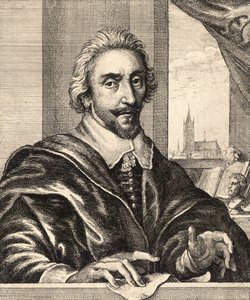
Адриаан Питерс ван дер Вэнне
1589 - 1662 , Нидерланды
Основные сведения
- Artistic Movement Or Style: Dutch Golden Age painting
- Artists Who Influenced This Artist:
- Jan Brueghel the Elder
- Pieter Brueghel the Elder
- Date Of Birth: 1589
- Date Of Death: 1662
- Full Name: Adriaen Pietersz van de Venne
- Nationality: Dutch
- Notable Artworks:
- Fishing for Souls
- Fools Have the Most Fun
- Place Of Birth: Delft, Netherlands