

![Palácio Imperial De Petrópolis [imperial Palace At Petrópolis] — Agostinho José Da Mota](/media/artworks/images-full/d1/cb/d1cb31a31a6885de7ab5f8a8dce40b50.jpg)
 Предпросмотр
 Поделиться
 Поделиться
 Детали произведения

 Скачать
 Похожие работы
 Рентгенография
 Слайд-шоу
 Статистика
Palácio Imperial de Petrópolis [Imperial Palace at Petrópolis]
 Oil
Oil- WallArt
- Landscape Realism
 1855
1855- 19th Century
 78.0 x 109.0 cm
 Pinacoteca do Estado de São Paulo
 Читать далее
Приобретите цифровое изображение высокого разрешения в улучшенном качестве, которое значительно превосходит онлайн-превью.
Каждый файл тщательно подготавливается нашими специалистами с использованием передовых инструментов и экспертной ручной ретуши. Мы гарантируем исключительную четкость, точную цветопередачу и детальную проработку каждого изображения.
Финальный файл доставляется по электронной почте в течение 72 часов и оптимизирован для немедленного использования в профессиональной среде, при верстке и печати. Это тот же уровень качества, которому доверяют ведущие дизайнерские студии, издательства и галереи.
Цифровое изображение
Скачайте файл высокого разрешения для личного использования, печати и творческих проектов. ( Перейти к печати Купить картину ручной работы)
Включено в каждый заказ цифровых изображений
Гарантия экспертной цифровой доставки
Выбирая ArtsDot.com, вы получаете не просто изображение — вы приобретаете профессионально обработанное цифровое произведение искусства, созданное с безупречной точностью и под защитой гарантии качества. Вот всё, что автоматически входит в ваш заказ:

Мгновенная доставка по e-mail
Ваш цифровой файл в высоком разрешении будет отправлен вам по электронной почте в течение 72 часов после оформления заказа — и сразу станет доступен для использования.

Цифровой файл с ИИ-улучшением
Ваше произведение искусства проходит профессиональную оптимизацию с использованием передовых инструментов ИИ и ручной обработки, что гарантирует максимальную детализацию, четкость и точность цветопередачи.

Бессрочная бесплатная повторная доставка
Случайно удалили или потеряли файл? Не беспокойтесь — мы отправим его вам повторно в любое время и совершенно бесплатно.

Без импортных пошлин — навсегда
Наслаждайтесь вашим произведением искусства мгновенно без таможенных пошлин, сборов или затрат на доставку — цифровые загрузки всегда не облагаются налогом.

Гарантия точности цветопередачи
Мы гарантируем, что ваше цифровое изображение максимально точно передает оригинальные цвета благодаря использованию профессиональных инструментов и систем управления цветом.

Гарантия удовлетворенности 100 дней
Если вы не будете удовлетворены своим цифровым изображением, мы внесем правки или вернем 100% стоимости в течение 100 дней — без лишних вопросов.

100% Гарантия возврата средств
Не удовлетворены покупкой? Получите полный возврат средств в течение 100 дней после получения цифрового файла — без лишних вопросов.

Скидки на оптовые заказы
Купите 3 изображения, сэкономьте 10% — Купите 5, сэкономьте 15% — Купите 10+, сэкономьте 20%. Отличное решение для творческих проектов, галерей и агентств.
A Window into Imperial Brazil
In the serene landscape of 1855, Agostinho José da Mota captures more than just a geographical location; he preserves a moment of profound tranquility within the heart of the Brazilian Empire. Palácio Imperial de Petrópolis [Imperial Palace at Petrópolis] serves as a breathtaking window into a bygone era, where the grandeur of architecture meets the untamed beauty of the natural world. The painting presents a picturesque view of a town nestled against a backdrop of majestic mountains, their peaks reaching toward a clear, azure sky. This composition does not merely document a site; it invites the viewer to wander through a landscape where the air feels crisp and the atmosphere remains untouched by the frantic pace of modernity.
The scene is anchored by the presence of the Imperial Palace, a structure that stands with quiet dignity among the surrounding buildings. Through Mota’s masterful eye, the architecture becomes part of the organic rhythm of the land. Trees are scattered thoughtfully throughout the canvas, providing a lush, verdant frame that guides the eye from the detailed foliage in the foreground to the hazy, atmospheric distance. This careful arrangement creates a sense of depth and immersion, making the viewer feel as though they are standing on a hillside, looking out over a peaceful valley where nature and civilization exist in perfect, harmonious balance.
Mastery of Light and Academic Elegance
The technique displayed in this work is a testament to Mota’s prestigious training under the guidance of Jean-Achille Benouville in Rome. Having absorbed the nuances of European landscape traditions, Mota brought a sophisticated understanding of atmospheric perspective back to Brazil. In this piece, one can observe how the light plays across the different planes of the painting—brightening the foreground elements while allowing the distant mountains to soften into gentle blues and greties. This technique creates a palpable sense of air and space, a hallmark of the 19th-century academic style that seeks to replicate the true essence of light.
For the discerning collector or interior designer, this reproduction offers an unparalleled opportunity to introduce a sense of historical prestige and calm into a living space. The color palette, dominated by serene blues, earthy greens, and the warm tones of the town's architecture, is inherently soothing. It possesses a timeless quality that complements both classical and contemporary decor, acting as a focal point that sparks conversation and evokes a feeling of nostalgic wanderlust. To hang this piece is to bring a fragment of Brazil’s imperial soul into one's home, offering a daily respite of beauty and historical reflection.
Похожие произведения
Биография художника
Agostinho José da Mota: Life and Legacy
Early Life and Education
Agostinho José da Mota, a prominent Brazilian painter and educator, was born on June 18, 1824, in Rio de Janeiro. From an early age, he demonstrated a strong inclination towards art, leading him to enroll at the Imperial Academy of Fine Arts in 1837. His natural talent and dedication quickly became apparent, setting the stage for a distinguished artistic career.
Artistic Development and Influences
Da Mota’s academic training provided him with a solid foundation in traditional techniques. In 1850, he was awarded a prestigious travel prize, enabling him to study in Europe. From 1851 to 1855, he resided in Rome, where he received guidance from the renowned French landscape painter Jean-Achille Benouville. This mentorship profoundly influenced his artistic style, particularly his approach to light, composition, and atmospheric perspective.
Career and Notable Works
Upon returning to Brazil in 1859, Da Mota began teaching at the Imperial Academy of Fine Arts, eventually heading the departments of drawing and landscape painting. He became a highly respected instructor, shaping the next generation of Brazilian artists. His own artistic output spanned various genres, but he is particularly celebrated for his still lifes and landscapes.
- A fábrica do Barão de Capanema (1862): A detailed depiction of an industrial scene, showcasing Da Mota’s skill in rendering complex compositions.
- Flores (c. 1873): Exemplifies his mastery of still life painting, capturing the delicate beauty and vibrant colors of flowers.
- Papaya and watermelon : A beautiful example of his still life work.
- Palácio Imperial de Petrópolis : Showcases his landscape skills.
Achievements and Recognition
Throughout his career, Da Mota received numerous accolades for his artistic contributions. He earned a gold medal at the General Exhibition of Fine Arts in 1852, followed by the Order of the Rose in 1868 and the Order of Christ in 1871. His students included several artists who would later achieve prominence, such as Modesto Brocos, Henrique Bernardelli, Pedro Peres, Firmino Monteiro, and José Maria de Medeiros.
Historical Significance and Legacy
Da Mota is recognized as a pioneer of outdoor painting (plein air) in Brazil, predating Georg Grimm, who often receives credit for this innovation. He embraced the practice of painting directly from nature, capturing the fleeting effects of light and atmosphere. Despite facing financial difficulties later in life – even resorting to painting advertising hoardings to make ends meet – his artistic legacy endures. His work represents a significant chapter in the development of Brazilian Romanticism and continues to inspire artists today.
Later Life and Death
Agostinho José da Mota passed away on August 21, 1878, in Rio de Janeiro. His life story serves as a testament to his dedication to art, even amidst personal challenges. He left behind a rich body of work that continues to be admired for its technical skill, aesthetic beauty, and historical importance.
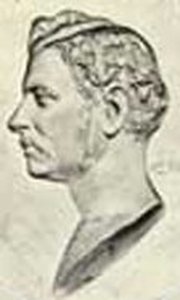
agostinho josé da mota
1824 - 1878 , Brazil
Основные сведения
- Birth Date: 1824-06-18
- Birth Place: Rio de Janeiro, Brazil
- Death Date: 1878
- Influenced:
- Modesto Brocos
- Henrique Bernardelli
- Pedro Peres
- Firmino Monteiro
- José Maria de Medeiros
- Influenced By: Jean-Achille Benouville
- Movement: Brazilian Romanticism
- Name: Agostinho José da Mota
- Nationality: Brazilian
- Notable Works:
- A fábrica do Barão de Capanema
- Flores
- Papaya and watermelon
- Palácio Imperial de Petrópolis