

 Поделиться
 Поделиться
 Детали произведения

 Скачать
 Похожие работы
 Слайд-шоу
 Статистика
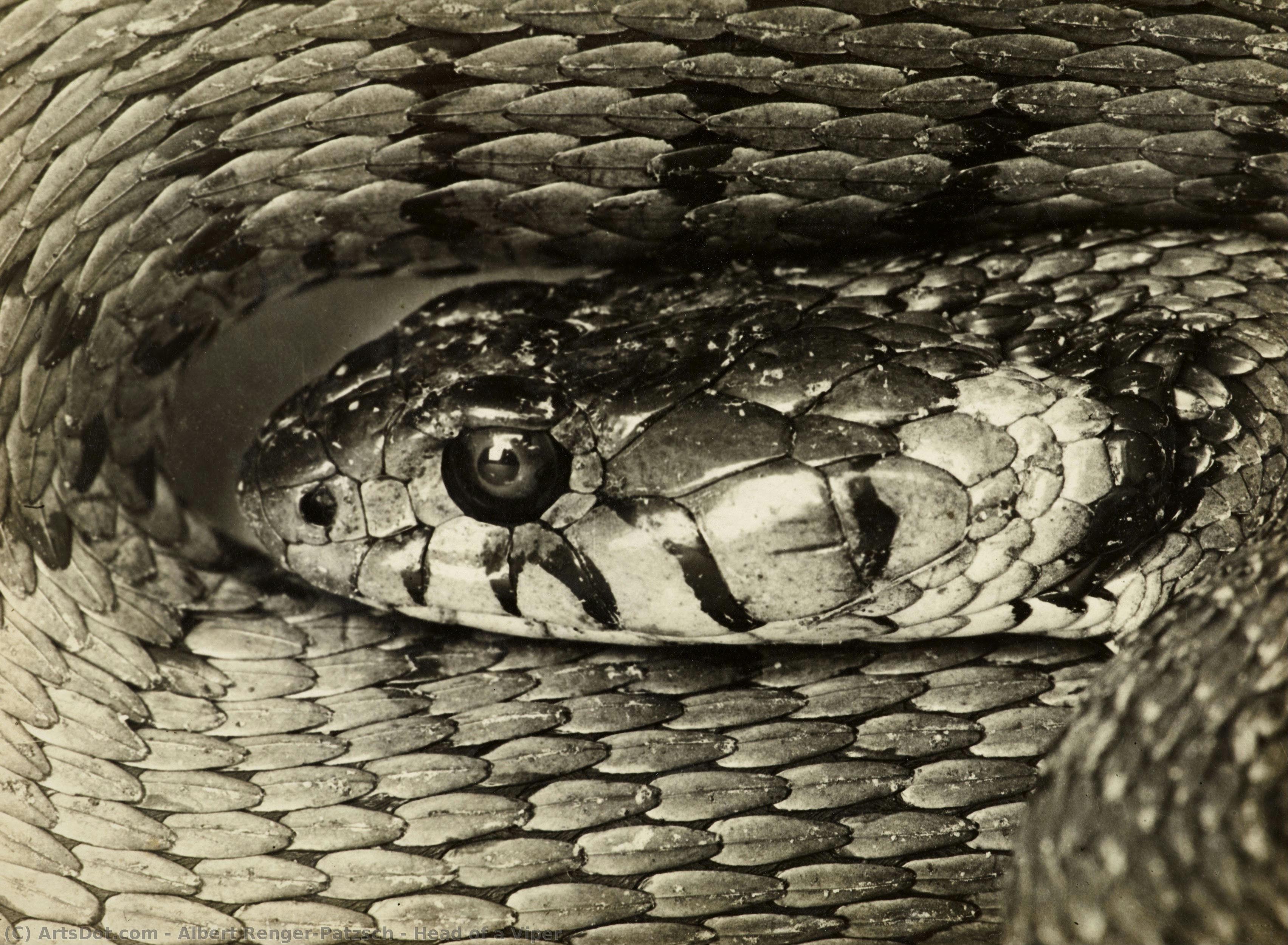
Голова гадюки


 Читать далее
Приобретите цифровое изображение высокого разрешения в улучшенном качестве, которое значительно превосходит онлайн-превью.
Каждый файл тщательно подготавливается нашими специалистами с использованием передовых инструментов и экспертной ручной ретуши. Мы гарантируем исключительную четкость, точную цветопередачу и детальную проработку каждого изображения.
Финальный файл доставляется по электронной почте в течение 72 часов и оптимизирован для немедленного использования в профессиональной среде, при верстке и печати. Это тот же уровень качества, которому доверяют ведущие дизайнерские студии, издательства и галереи.
Цифровое изображение
Скачайте файл высокого разрешения для личного использования, печати и творческих проектов. ( Перейти к печати Купить картину ручной работы)
Включено в каждый заказ цифровых изображений
Гарантия экспертной цифровой доставки
Выбирая ArtsDot.com, вы получаете не просто изображение — вы приобретаете профессионально обработанное цифровое произведение искусства, созданное с безупречной точностью и под защитой гарантии качества. Вот всё, что автоматически входит в ваш заказ:

Мгновенная доставка по e-mail
Ваш цифровой файл в высоком разрешении будет отправлен вам по электронной почте в течение 72 часов после оформления заказа — и сразу станет доступен для использования.

Цифровой файл с ИИ-улучшением
Ваше произведение искусства проходит профессиональную оптимизацию с использованием передовых инструментов ИИ и ручной обработки, что гарантирует максимальную детализацию, четкость и точность цветопередачи.

Бессрочная бесплатная повторная доставка
Случайно удалили или потеряли файл? Не беспокойтесь — мы отправим его вам повторно в любое время и совершенно бесплатно.

Без импортных пошлин — навсегда
Наслаждайтесь вашим произведением искусства мгновенно без таможенных пошлин, сборов или затрат на доставку — цифровые загрузки всегда не облагаются налогом.

Гарантия точности цветопередачи
Мы гарантируем, что ваше цифровое изображение максимально точно передает оригинальные цвета благодаря использованию профессиональных инструментов и систем управления цветом.

Гарантия удовлетворенности 100 дней
Если вы не будете удовлетворены своим цифровым изображением, мы внесем правки или вернем 100% стоимости в течение 100 дней — без лишних вопросов.

100% Гарантия возврата средств
Не удовлетворены покупкой? Получите полный возврат средств в течение 100 дней после получения цифрового файла — без лишних вопросов.

Скидки на оптовые заказы
Купите 3 изображения, сэкономьте 10% — Купите 5, сэкономьте 15% — Купите 10+, сэкономьте 20%. Отличное решение для творческих проектов, галерей и агентств.
The Unblinking Gaze: A Masterpiece of New Objectivity
In the quiet, stark realm of Albert Renger-Patzsch’s "Head of a Viper," the viewer is not merely observing a specimen of nature, but is instead thrust into an intimate, almost confrontational encounter with the essence of life itself. Created in 1927, this gelatin silver print serves as a profound testament to the German Neue Sachlichkeit—or New Objectivity—movement. During the turbulent years of the Weimar Republic, while much of the art world grappled with fragmentation and chaos, Renger-Patzsch sought solace and truth in the crystalline clarity of the physical world. The photograph strips away the unnecessary, presenting a single snake's head against an ethereal, plain white void, forcing our eyes to settle upon the intricate architecture of the reptile’s form.
The brilliance of this work lies in its refusal to romanticize. There is no lush jungle foliage to provide context, no dramatic shadows to hide the subject; there is only the snake and the light. This deliberate minimalism elevates the subject from a mere biological study to a sculptural marvel. The monochrome palette amplifies the starkness of the composition, turning the serpent's scales into a rhythmic, decorative pattern that seems to pulse with a life of its own. For the collector or the designer, this piece offers a sophisticated tension—a balance between the clinical precision of scientific documentation and the profound aesthetic beauty found in organic textures.
Texture, Technique, and the Art of Precision
To look closely at "Head of a Viper" is to embark on a journey through texture. Renger-Patz andsch utilized the unique properties of the gelatin silver print to capture every minute detail of the viper's skin. The light catches the edges of each scale, creating a tactile sensation that almost allows the viewer to feel the coolness of the reptile. This mastery of technique was central to his philosophy: he believed that photography should not borrow from the hazy, atmospheric traditions of Impressionism but should instead embrace its own unique ability to reproduce the texture of reality with unparalleled accuracy.
The composition is a masterclass in focus and framing. By positioning the snake's head so that it fills much of the frame, Renger-Patzsch creates an inescapable presence. The open mouth and the direct, unblinking stare of the eyes create a psychological weight, bridging the gap between the observer and the observed. This level of detail makes the photograph an extraordinary choice for high-quality reproductions intended for modern interiors. Whether placed in a minimalist gallery setting or as a focal point in a contemporary living space, the image commands attention through its sheer clarity and the quiet power of its subject matter.
A Legacy of Truth in an Age of Change
Historically, "Head of a Viper" stands as a pillar of a movement that sought to confront reality without sentimentality. Emerging from the disillusionment of post-World War I Germany, New Objectivity rejected the emotional turbulence of Expressionism in favor of a cool, analytical gaze. Renger-Patzsch’s work aligns with this ethos by presenting the "thingness" of the subject—the Die Dinge—as something worthy of reverence in its own right. He found beauty not in the grand or the heroic, but in the industrial, the botanical, and the biological.
For those seeking to decorate with art that possesses both intellectual depth and visual impact, this photograph offers a timeless allure. It is a piece that invites contemplation, prompting questions about our relationship with the natural world and the boundaries between science and art. Owning a reproduction of such a seminal work means bringing into one's home a fragment of photographic history—a moment of absolute stillness and unyielding truth captured forever in silver and light.
Похожие произведения




Биография художника
John Berninger: A Pioneer of American Realism
Born in Allentown, Pennsylvania, in 1897, John Berninger’s artistic journey began remarkably early, with his first paintings emerging in his late teens. While many artists find their voice later in life, Berninger dedicated himself to the craft from a young age, establishing a foundation of meticulous observation and technical skill that would define his distinctive style. His career unfolded primarily during the interwar period and beyond, a time marked by both artistic experimentation and a deep-seated desire to capture the essence of American life with unflinching realism.
Berninger’s early influences were rooted in the burgeoning realist movement within American art. He was particularly drawn to the works of artists who sought to depict everyday subjects – rural landscapes, working-class individuals, and scenes of domesticity – with a directness and honesty rarely seen before. This commitment to portraying the tangible world around him would become a hallmark of his oeuvre. His training at the Pennsylvania Academy of the Fine Arts and the Art Institute of Chicago provided him with invaluable technical skills and exposure to diverse artistic traditions, though he ultimately forged his own unique path, prioritizing observation and detail above all else.
A key element in Berninger’s work is his painstaking attention to detail. He wasn't interested in romanticizing or idealizing; instead, he meticulously rendered the textures of clothing, the wear on furniture, and the subtle nuances of human expression. This commitment to realism extended beyond mere representation – it was a way of engaging with the subject matter on a deeply personal level. His paintings often possess a quiet dignity, reflecting a respect for his subjects and a desire to capture their stories.
The Influence of Ivan Albright and the Rise of Neue Sachlichkeit
Berninger’s artistic development coincided with the rise of several significant movements in European art, most notably *Neue Sachlichkeit* (New Objectivity) in Germany. This movement, characterized by its stark realism, unflinching portrayal of social issues, and rejection of emotionalism, exerted a considerable influence on American artists like Berninger. The emphasis on precise observation and the willingness to confront difficult realities resonated deeply with his own artistic sensibilities.
While Berninger’s work doesn't neatly align with the rigid tenets of *Neue Sachlichkeit*, there are clear parallels in his approach to depicting the human form, particularly in portraits. Like Ivan Albright, a prominent figure within this movement, Berninger possessed an extraordinary ability to render the subtle complexities of aging and decay. His paintings often feature figures that seem both familiar and unsettling, inviting viewers to contemplate the passage of time and the inevitability of mortality. The meticulous detail he applied to capturing wrinkles, sagging skin, and the weariness in a subject’s eyes speaks volumes about his artistic vision.
Furthermore, Berninger's work shares similarities with the American realist painters who preceded him, such as George Caleb Bingham and Winslow Homer. He inherited their tradition of depicting scenes from everyday life, but he infused it with a distinctly modern sensibility – a keen awareness of social change and a willingness to challenge conventional notions of beauty.
Key Works and Artistic Evolution
Throughout his career, Berninger produced a substantial body of work that reflects the evolving artistic landscape of the 20th century. His early paintings often focused on rural landscapes and portraits of farmers and their families, capturing the spirit of American agriculture with remarkable accuracy. As he matured as an artist, his subject matter broadened to include urban scenes, industrial workers, and glimpses into the lives of ordinary people.
One particularly notable example of Berninger’s artistic evolution is his series of portraits depicting elderly individuals. These paintings are not merely representations of age; they are profound meditations on memory, loss, and the enduring power of the human spirit. His meticulous rendering of wrinkles, scars, and other signs of aging transforms these subjects into compelling figures of wisdom and resilience.
Berninger’s later works often explored themes of loneliness, isolation, and the challenges of navigating a rapidly changing world. His paintings are imbued with a sense of melancholy, yet they also possess an underlying dignity and quiet strength. His ability to capture these complex emotions through his distinctive style solidified his place as one of America's most important realist painters.
Legacy and Historical Significance
John Berninger’s legacy extends beyond the individual paintings he created. He played a crucial role in shaping the course of American realism, demonstrating the power of observation and detail to convey profound truths about human experience. His commitment to portraying the lives of ordinary people with honesty and respect helped to elevate realism as a legitimate form of artistic expression.
While his work may not always be widely recognized, Berninger’s paintings continue to resonate with viewers today. His meticulous technique, evocative imagery, and profound insights into the human condition ensure that his legacy will endure for generations to come. He stands as a testament to the enduring power of realism – a genre that continues to challenge and inspire artists around the world.
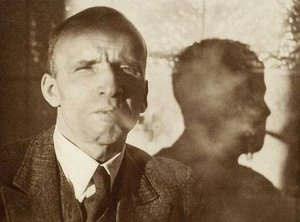
albert renger-patzsch
1897 - 1966