Поделиться
 Поделиться
 Детали произведения

 Скачать
 Похожие работы
 Слайд-шоу
 Статистика
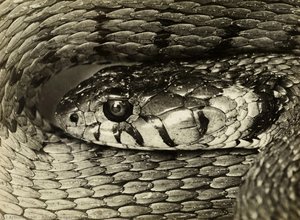
Голова гадюки


 Читать далее
Жикле / Арт-принт
Печать (жикле) или холст музейного качества с быстрыми сроками изготовления и широким выбором вариантов отделки. ( Купить картину ручной работы Перейти к цифровым изображениям)
































Выберите один из наших стандартных размеров, соответствующих оригинальным пропорциям произведения искусства.

Вы можете указать свои собственные размеры, чтобы репродукция идеально подошла под конкретную раму или пространство. Если выбранный вами размер не будет соответствовать пропорциям оригинала, мы либо обрежем произведение, либо дополним изображение зеркальным отражением краев или однотонной заливкой. Перед началом производства вам будет отправлен цифровой макет для утверждения.
Пожалуйста, обратите внимание, что предварительный просмотр на экране не отображает фактическую обрезку или расширение изображения. Только макет точно покажет финальную композицию.
Несмотря на возможность заказа индивидуальных размеров, мы рекомендуем выбирать размер из предопределенного списка, чтобы сохранить оригинальные пропорции.
Доставка по всему миру () за 2 недели вместо стандартных 4/5 недель. (14 Сентябрь)

Бесплатная экспресс-доставка по всему миру

Высококачественный льняной холст

Полное страхование доставки

Гарантия возмещения таможенных пошлин

Гарантия точного соответствия цветов

100-дневная политика возврата (только при обнаружении дефектов)

Гарантия возврата 100% средств

Предложение оптовых скидок
 Вариант со стеклом доступен только для размеров менее 110 см

Голова гадюки
Жикле / Арт-принт
Размер репродукции
-


Итоговая стоимость
$ 62
The Unblinking Gaze: A Masterpiece of New Objectivity
In the quiet, stark realm of Albert Renger-Patzsch’s "Head of a Viper," the viewer is not merely observing a specimen of nature, but is instead thrust into an intimate, almost confrontational encounter with the essence of life itself. Created in 1927, this gelatin silver print serves as a profound testament to the German Neue Sachlichkeit—or New Objectivity—movement. During the turbulent years of the Weimar Republic, while much of the art world grappled with fragmentation and chaos, Renger-Patzsch sought solace and truth in the crystalline clarity of the physical world. The photograph strips away the unnecessary, presenting a single snake's head against an ethereal, plain white void, forcing our eyes to settle upon the intricate architecture of the reptile’s form.
The brilliance of this work lies in its refusal to romanticize. There is no lush jungle foliage to provide context, no dramatic shadows to hide the subject; there is only the snake and the light. This deliberate minimalism elevates the subject from a mere biological study to a sculptural marvel. The monochrome palette amplifies the starkness of the composition, turning the serpent's scales into a rhythmic, decorative pattern that seems to pulse with a life of its own. For the collector or the designer, this piece offers a sophisticated tension—a balance between the clinical precision of scientific documentation and the profound aesthetic beauty found in organic textures.
Texture, Technique, and the Art of Precision
To look closely at "Head of a Viper" is to embark on a journey through texture. Renger-Patz andsch utilized the unique properties of the gelatin silver print to capture every minute detail of the viper's skin. The light catches the edges of each scale, creating a tactile sensation that almost allows the viewer to feel the coolness of the reptile. This mastery of technique was central to his philosophy: he believed that photography should not borrow from the hazy, atmospheric traditions of Impressionism but should instead embrace its own unique ability to reproduce the texture of reality with unparalleled accuracy.
The composition is a masterclass in focus and framing. By positioning the snake's head so that it fills much of the frame, Renger-Patzsch creates an inescapable presence. The open mouth and the direct, unblinking stare of the eyes create a psychological weight, bridging the gap between the observer and the observed. This level of detail makes the photograph an extraordinary choice for high-quality reproductions intended for modern interiors. Whether placed in a minimalist gallery setting or as a focal point in a contemporary living space, the image commands attention through its sheer clarity and the quiet power of its subject matter.
A Legacy of Truth in an Age of Change
Historically, "Head of a Viper" stands as a pillar of a movement that sought to confront reality without sentimentality. Emerging from the disillusionment of post-World War I Germany, New Objectivity rejected the emotional turbulence of Expressionism in favor of a cool, analytical gaze. Renger-Patzsch’s work aligns with this ethos by presenting the "thingness" of the subject—the Die Dinge—as something worthy of reverence in its own right. He found beauty not in the grand or the heroic, but in the industrial, the botanical, and the biological.
For those seeking to decorate with art that possesses both intellectual depth and visual impact, this photograph offers a timeless allure. It is a piece that invites contemplation, prompting questions about our relationship with the natural world and the boundaries between science and art. Owning a reproduction of such a seminal work means bringing into one's home a fragment of photographic history—a moment of absolute stillness and unyielding truth captured forever in silver and light.
Похожие произведения






Похожие статьи
25 Masterpieces by David Moreau: The Ultimate Guide to Textured Art
Immerse yourself in the tactile world of David Moreau. Explore our curated list of 25 iconic textured artworks, from heavy impasto to modern abstraction. Find museum-quality reproductions and decor inspiration for collectors. Discover all masterpieces on ArtsDot.com.
Sculpting Space: How Drapery Art Introduces Luxurious Texture and Visual Depth to Modern Interiors
Elevate your design projects with the transformative power of texture. Learn how drapery-inspired art adds unparalleled depth and movement to any room. Discover expert tips on using sculptural wall art to create luxurious, soulful, and tactile interiors that inspire.
The Tactile Canvas: Exploring Texture as Subject, Materiality & Meaning in Art History
Explore the rich history of texture in art! Discover how artists from Van Gogh to contemporary masters use materiality & technique to create captivating tactile experiences. Deepen your art appreciation with ArtsDot.
The Power of One Hue: Mastering Monochrome Art for Sophisticated and Timeless Interiors
Elevate your interiors with the profound elegance of monochrome art. Explore ArtsDot.com’s curated collection of hand-painted oil reproductions and bespoke commissions, designed to bring sophisticated simplicity and timeless texture to every professional design project.
Beyond Flatness: A Trend Forecast on the Sculptural Allure of Plaster and Textured Wall Art
Elevate your next project with the rising trend of sculptural textures. Our expert guide explores the allure of plaster relief and impasto art, offering professional decorators trend-driven insights to bring depth, shadow, and a tactile soul to any modern interior space.